
 Anjar Salim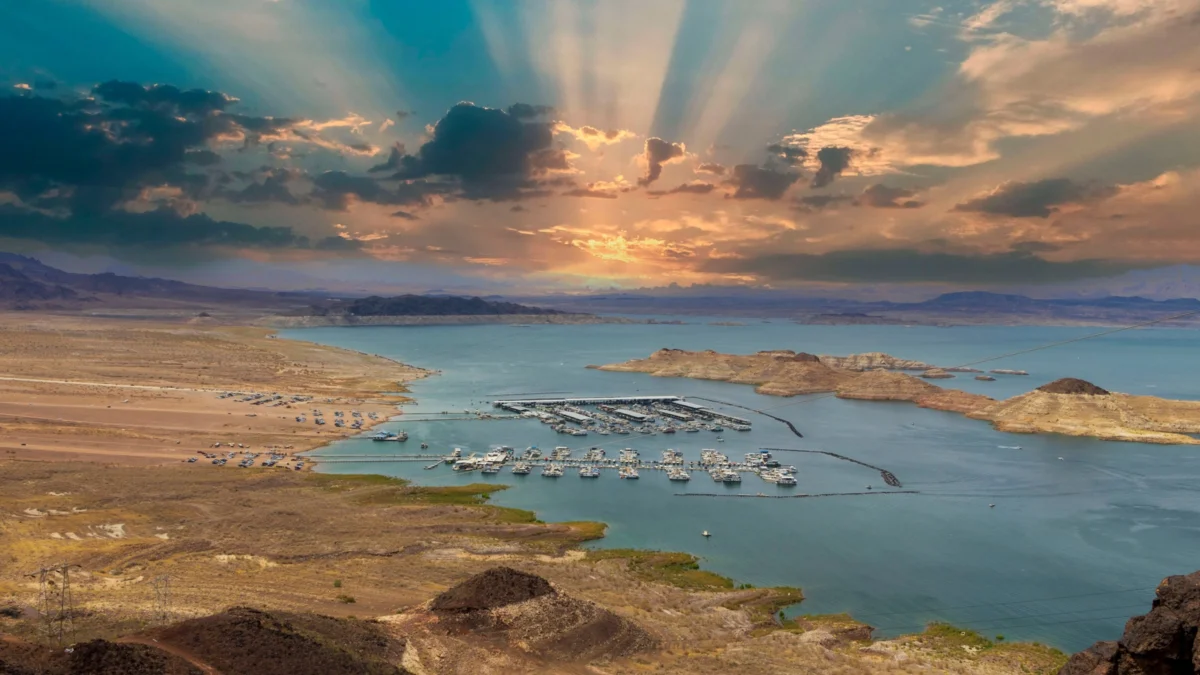
The National Park Service (NPS) has officially suspended its specialized underwater recovery team at Lake Mead National Recreation Area, a move that comes at the height of the summer season for what is statistically the deadliest site in the American national park system. The decision, which was communicated internally via email and later confirmed by agency officials, marks a significant shift in the operational safety posture of a park that manages millions of visitors annually. Faced with a confluence of staffing shortages, equipment deficiencies, and rigorous training requirements, the park’s dive team—responsible for everything from forensic body recovery to the protection of underwater archaeological sites—is now on an indefinite hiatus.
On May 14, 2026, NPS Park Dive Officer Sergeant Ryan McCrea issued a memorandum stating that dive operations would be "stood down" effectively immediately. According to the internal communication, the program will undergo a comprehensive audit to evaluate its safety protocols, training standards, and equipment inventory. While the NPS maintains that this is a temporary measure intended to ensure the long-term viability of the unit, the timing of the suspension has raised concerns among safety advocates and local stakeholders who rely on the agency’s specialized expertise during the park’s busiest months.
A Statistical Portrait of Danger at Lake Mead
The suspension of the dive team is particularly notable given Lake Mead’s reputation as a high-risk environment. Spanning approximately 1.5 million acres across the Nevada-Arizona border, the recreation area includes the massive Lake Mead reservoir and the adjacent Lake Mohave. In 2025, the park saw more than six million visitors, drawn by the allure of boating, fishing, and swimming in the Mojave Desert. However, this popularity comes with a grim cost.
Data from the last decade indicates that Lake Mead accounts for approximately seven percent of all fatalities within the National Park System. In 2025 alone, the park recorded 18 deaths, the highest of any NPS site in the country. The causes of death are multifaceted, often involving a combination of extreme environmental factors and recreational mishaps. Sudden "monsoon" windstorms can create ocean-like swells on the lake in minutes, capsizing small watercraft and trapping swimmers far from shore. Furthermore, the desert heat, which regularly exceeds 110 degrees Fahrenheit, contributes to exhaustion and impaired judgment among boaters and hikers alike.
Drowning remains the primary cause of accidental death at the lake. The dive team’s role is critical in these instances, as they are tasked with locating and recovering victims from depths that often exceed 100 feet. Without an internal team, the responsibility for these grim tasks falls to external partner agencies, potentially complicating jurisdictional responses and lengthening the time required to bring closure to grieving families.
The Chronology of the Operational Suspension
The path to the current suspension began long before Sergeant McCrea’s May 14 announcement. For several years, the Lake Mead dive program has operated under increasing pressure. Unlike dedicated search and rescue units in some urban jurisdictions, the Lake Mead dive team is comprised of "collateral duty" employees. These individuals are full-time NPS staff—rangers, biologists, or maintenance workers—who maintain dive certifications and respond to underwater emergencies in addition to their primary job descriptions.
In 2025, the park’s workforce was hit by a wave of departures. Reports indicate that Lake Mead lost over a dozen key staff members, including an aquatic ecologist who managed water safety testing. While the NPS spokesperson stated that the dive team’s reduction was the result of "normal attrition," including promotions and medical limitations, the broader context of federal budget constraints cannot be ignored. The 2027 federal budget outlook has forced many national parks to "realign" visitor-facing services, often resulting in the non-filling of vacant positions.
The May 14 email from Sergeant McCrea was blunt regarding the current state of the program: "Current team membership is not sufficient to safely or reliably support dive operations in accordance with NPS standards, operational readiness expectations, and risk-management requirements." The subsequent stand-down was described as a necessary step to prevent accidents involving the divers themselves, as underwater recovery in the low-visibility, high-pressure environment of Lake Mead is inherently perilous.
Environmental Factors and the "Drought Secrets"
The operational challenges facing the dive team are exacerbated by the ongoing environmental crisis at the Colorado River basin. Lake Mead, the largest reservoir in the United States by capacity, has seen its water levels plummet due to decades of persistent drought and over-allocation. According to the Bureau of Reclamation, the water level currently sits more than 180 feet below its "full pool" elevation.
As the water recedes, it reveals a landscape that has been submerged for decades. This includes sunken B-29 bombers from the World War II era, ancient archaeological sites, and, most chillingly, human remains. In recent years, the dropping water levels have exposed several bodies, including one found in a barrel that investigators believe was a victim of a homicide dating back to the late 1970s or early 1980s.
The recovery of these remains, along with the monitoring of newly exposed submerged resources, falls under the purview of the dive team. The receding waters also bring swimmers and boaters into closer proximity with submerged hazards, such as old piers, rocky outcrops, and "ghost" boats that were previously deep enough to avoid. The increased density of hazards in a smaller volume of water has arguably made the need for a professional dive presence more acute, not less.
Implications for Public Safety and Partner Agencies
With the NPS dive team sidelined, the burden of underwater response has shifted to local law enforcement and regional partners. This includes the Las Vegas Metropolitan Police Department’s Search and Rescue units and agencies from Mohave County, Arizona. While these partners are highly capable, the transition presents logistical hurdles.
Lake Mead’s vast geography means that response times are a critical factor in recovery operations. An internal NPS team stationed at the lake can often mobilize faster than an off-site police unit traveling from Las Vegas or Kingman. Furthermore, the specialized knowledge of the lake’s underwater topography—often referred to as "local knowledge"—is a perishable skill that the NPS team possessed in abundance.
The suspension also impacts the park’s ecological and cultural missions. The dive team is responsible for monitoring endangered fish species, such as the razorback sucker and the bonytail chub, which rely on specific underwater habitats. Additionally, the team monitors the integrity of the Hoover Dam’s underwater infrastructure and protects the park’s submerged cultural resources from looters. These "non-emergency" functions are likely to face significant delays or total cessation during the six-month hiatus.
Official Responses and the Path Forward
The National Park Service has expressed optimism that the dive program can be restored by late 2026. A spokesperson for the agency emphasized that the "temporary" nature of the suspension is a proactive safety measure rather than a permanent dismantling. "The park temporarily stood down its dive team to ensure safe operations while personnel complete required training and certifications," the spokesperson told Outside. "The decision was based on operational safety requirements and the availability of certified dive team personnel."
However, critics point to the "quiet" nature of the announcement as a cause for concern. The suspension was not initially broadcast to the public, leading to accusations that the agency was attempting to downplay a significant reduction in service at a high-fatality site. Safety experts argue that transparency is vital, especially when it involves the removal of life-safety resources during peak visitation periods.
To reinstate the program, the NPS must navigate several hurdles:
- Recruitment: Identifying and training new collateral-duty divers from an already stretched workforce.
- Certification: Ensuring all members meet the stringent NPS and OSHA standards for scientific and public safety diving.
- Equipment Procurement: Replacing aging SCUBA gear, sonar technology, and recovery vessels that have fallen into disrepair.
- Audit Completion: Finalizing the comprehensive program audit to address the "risk-management requirements" cited by Sergeant McCrea.
Conclusion: A Precarious Summer at the Lake
As the desert sun pushes temperatures toward record highs and millions of Americans head to the water for relief, Lake Mead National Recreation Area finds itself in a precarious position. The absence of its specialized underwater recovery team highlights the broader challenges facing the National Park Service: an agency tasked with protecting the public and preserving vast wilderness areas while grappling with "normal attrition," budget realignments, and an increasingly volatile climate.
The next six months will serve as a test for the regional partnership model. While local police and fire departments will undoubtedly step up to fill the void, the loss of a dedicated, on-site NPS dive unit is a stark reminder of the costs associated with staffing shortages in the federal government. For the families of those who may go missing in the depths of Lake Mead this summer, the hope is that the "temporary" hiatus ends sooner rather than later, ensuring that the deadliest park in the country has the resources necessary to manage its unique and formidable dangers.




 Chandra Hamzah
 Tatiana Tantri Indah Sari
 Budi Mulyono
 Lukman Taruna Persada Ramadan