
 Tatiana Tantri Indah Sari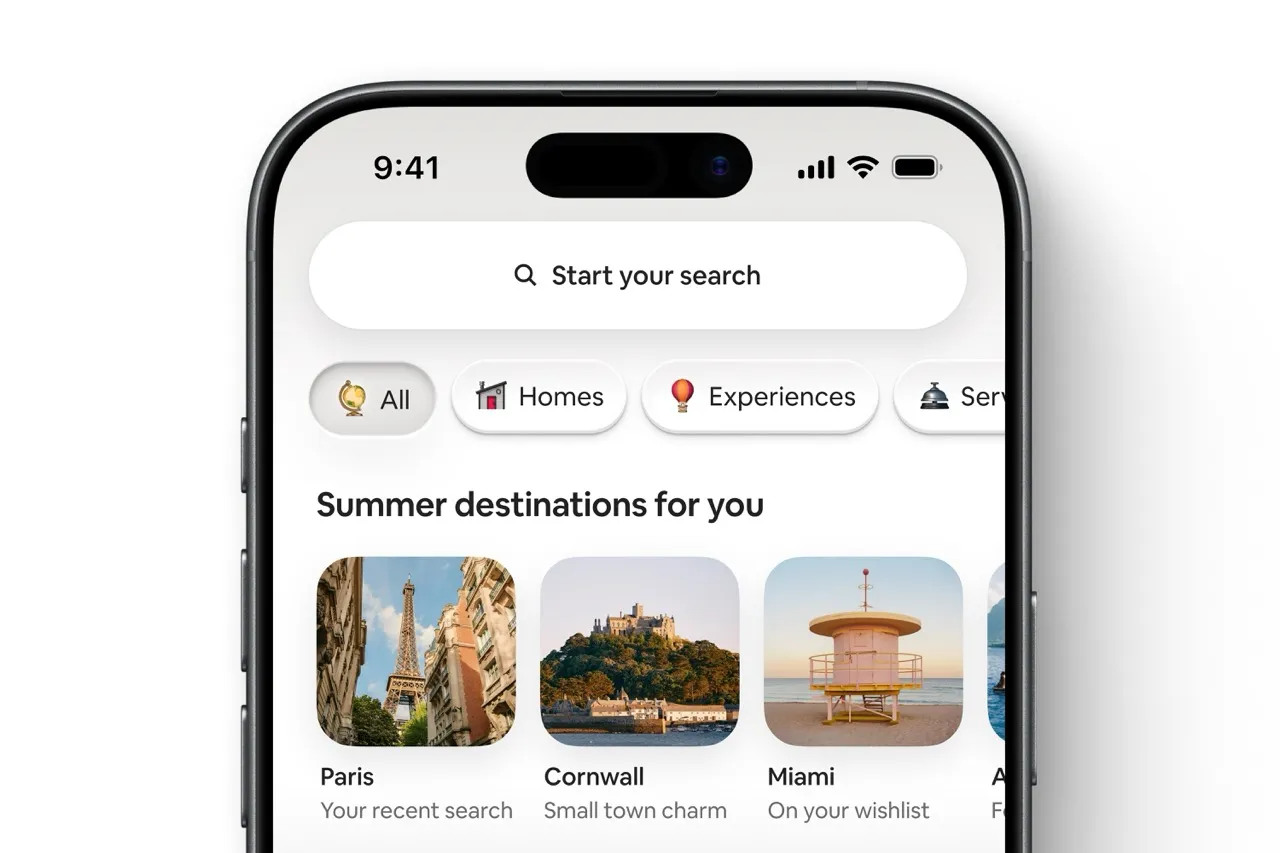
Airbnb has secured a significant strategic hire, recruiting Michael Tabtabai, OpenAI’s first global vice president of creative, to lead its creative initiatives and ensure its upcoming technological advancements, particularly those powered by artificial intelligence, retain the company’s distinctive brand identity. This appointment, confirmed by the short-term rental giant, underscores Airbnb’s enduring commitment to its unique brand ethos as it navigates the rapidly evolving landscape of AI-driven innovation. Tabtabai is set to commence his role in August, marking a pivotal transition from a company at the forefront of AI development to a global platform striving to integrate advanced technology without diluting its core brand appeal.
Strategic Appointment Signals Focus on Distinctive AI Experience
The recruitment of a high-profile creative leader from OpenAI, a company synonymous with groundbreaking artificial intelligence, is a clear signal of Airbnb’s strategic direction. The company aims to leverage AI not merely for efficiency or new features, but to craft experiences that are "unmistakably Airbnb." This move plays to one of Airbnb’s oldest and most potent advantages: its brand. Since its inception, Airbnb has differentiated itself through a brand narrative centered on belonging, unique travel experiences, and human connection, standing apart from traditional hospitality providers. In an era increasingly dominated by AI, where the potential for generic or indistinguishable user experiences looms, Airbnb appears determined to embed its unique brand DNA deep within its technological infrastructure.
Tabtabai’s tenure at OpenAI was brief, lasting less than a year. He joined the AI research and deployment company in August of the previous year, where he was instrumental in establishing and scaling its brand and marketing functions. His departure coincides with what would have been his one-year anniversary at OpenAI, highlighting the swiftness and strategic importance of Airbnb’s recruitment. Prior to his impactful role at OpenAI, Tabtabai held various positions at Google, further solidifying his extensive background in creative leadership within leading technology firms. His diverse experience across two of the most influential tech giants positions him uniquely to bridge the gap between cutting-edge AI and human-centric brand design at Airbnb.
Michael Tabtabai: A Profile in Creative Leadership
Michael Tabtabai brings a robust portfolio of experience in shaping brand narratives for some of the world’s most innovative technology companies. At OpenAI, as the inaugural Global Vice President of Creative, he was tasked with the complex challenge of defining and articulating the brand identity for an organization whose primary output is abstract, powerful AI models. This involved translating highly technical advancements into accessible, compelling stories that resonated with both developers and the broader public, while also navigating the ethical and societal implications inherent in AI. His work there laid the groundwork for how a pure-play AI company communicates its vision, values, and impact, a challenge with few precedents.
Before his impactful, albeit short, tenure at OpenAI, Tabtabai spent a significant period at Google, a company renowned for its innovative products and distinctive brand presence. While specific details of his roles at Google are not provided in the initial announcement, his progression to a vice presidential level in creative leadership within such an organization typically involves overseeing brand strategy, marketing campaigns, user experience design, and content creation across various product lines. His experience at Google would have honed his ability to manage large-scale creative teams, develop global brand initiatives, and ensure brand consistency across a vast and diverse product ecosystem, from search to cloud services and consumer electronics. This background makes him particularly well-suited to Airbnb, a company that operates at the intersection of technology, design, and human experience, and one that consistently seeks to innovate within its established brand framework.
The Airbnb Brand: A Foundation for Future Innovation
Airbnb’s brand is arguably its most valuable asset, distinguishing it significantly from competitors in the hospitality sector. Founded in 2008 by Brian Chesky, Joe Gebbia, and Nathan Blecharczyk, the company emerged from a simple idea: renting out air mattresses in their San Francisco apartment. This origin story itself is deeply embedded in the brand’s narrative of community, personal connection, and unique experiences. Over the years, Airbnb has cultivated a brand that promises more than just accommodation; it offers a chance to "belong anywhere," to live like a local, and to discover unique places and cultures. This emotional resonance has fostered immense loyalty among its user base, comprising millions of hosts and guests worldwide.
The company’s marketing efforts have consistently reinforced this message, often featuring real hosts and their distinctive properties, emphasizing the authentic human connections forged through travel. Its "Belong Anywhere" campaign, launched in 2014, cemented this identity, portraying Airbnb as a platform for global citizens seeking genuine experiences rather than standardized hotel stays. This brand philosophy has allowed Airbnb to command a premium, attract a diverse array of properties, and weather various industry challenges, including regulatory hurdles and competitive pressures. The company’s market capitalization, which has fluctuated but generally remains in the tens of billions of dollars, reflects the immense value placed on its unique market position and strong brand equity. In a market where digital platforms can often feel impersonal, Airbnb has consciously strived to maintain a human touch, a core tenet that Michael Tabtabai’s appointment is expected to reinforce, particularly as AI becomes more pervasive in its operations.
Brian Chesky’s Vision: Design at the Forefront
Central to Airbnb’s brand philosophy is the unwavering vision of co-founder and CEO Brian Chesky, who has consistently emphasized the critical role of design and creativity in every aspect of the company. Chesky, himself a Rhode Island School of Design alumnus, views Airbnb not merely as a technology company but as a design company that happens to use technology. His famous anecdote about designing a product that is "11-star" experience – going beyond mere satisfaction to absolute delight – encapsulates this ethos. This design-first approach extends beyond the user interface to encompass the entire guest and host journey, from booking and communication to the actual stay and post-trip feedback.
Chesky has often spoken about the importance of storytelling, emotional connection, and intuitive design in creating products that resonate deeply with users. He has famously challenged his teams to think like filmmakers or architects, crafting immersive experiences rather than just functional applications. This perspective is particularly pertinent in the context of AI integration. While AI can automate tasks and provide hyper-personalization, it also carries the risk of dehumanizing interactions if not carefully designed. Chesky’s continued emphasis on design and human-centered innovation suggests that Airbnb’s AI strategy will not simply be about deploying the most advanced algorithms but about artfully integrating them in a way that enhances the unique, personal, and aesthetically pleasing aspects of the Airbnb experience. Michael Tabtabai’s recruitment directly aligns with this executive vision, bringing a seasoned creative leader to ensure AI development remains tethered to Airbnb’s design-led core.
Navigating the "AI Mania": Brand as a Differentiator
The current technological landscape is characterized by what some observers term "AI mania," an intense race among companies across all sectors to integrate artificial intelligence into their products and services. While this rapid adoption promises unprecedented efficiencies and capabilities, it also presents a significant challenge: the potential for homogenization. As AI tools become more sophisticated and widely available, there is a risk that user experiences across different platforms could become indistinguishable, all powered by similar underlying models. In such an environment, brand differentiation becomes not just an advantage, but a necessity for survival and sustained growth.
For Airbnb, a company built on uniqueness and personal connection, this challenge is particularly acute. If AI-driven recommendations or customer service interactions begin to feel generic or robotic, it could erode the very emotional bond that users have with the brand. Michael Tabtabai’s role is therefore crucial in safeguarding Airbnb’s distinctive identity amidst this technological shift. He will be tasked with ensuring that Airbnb’s AI implementations, whether they are generating personalized travel itineraries, assisting hosts with property descriptions, or streamlining guest communications, all carry the "unmistakably Airbnb" signature. This means infusing them with the company’s characteristic tone, aesthetic, and values, preventing the technology from becoming an impersonal layer between the user and the experience.
The Role of Creativity in AI Development
The appointment of a creative VP to oversee AI integration highlights a growing recognition within the tech industry that the development of artificial intelligence is not solely a technical endeavor. Creativity plays an increasingly vital role in making AI not just functional, but also intuitive, engaging, and aligned with human values. A creative leader like Tabtabai will influence how AI is perceived and interacted with by users. This extends to:
- User Experience (UX) and User Interface (UI): Ensuring AI features are seamlessly integrated into the existing platform, maintaining Airbnb’s clean, inviting aesthetic. This means designing how AI-generated content is presented, how users interact with AI assistants, and how AI-powered tools feel intuitive rather than complex.
- Brand Voice and Tone: Guiding the development of AI models to communicate in a manner consistent with Airbnb’s brand voice – friendly, helpful, inspiring, and authentic. This could involve crafting specific prompts for generative AI or refining output to match brand guidelines.
- Content Creation: Directing how AI assists in generating content, such as property descriptions, local guides, or personalized travel suggestions, ensuring they meet creative standards and evoke the Airbnb spirit.
- Narrative and Storytelling: Developing compelling narratives around Airbnb’s use of AI, showcasing how it enhances unique experiences rather than replacing human elements. This involves communicating the benefits of AI in a way that strengthens the brand message.
- Ethical Design: Collaborating with AI engineers to ensure that AI applications are developed with ethical considerations, transparency, and user trust at the forefront, aligning with Airbnb’s community-focused values.
Implications for Airbnb’s Product and Market Position
Michael Tabtabai’s strategic hire carries significant implications for Airbnb’s future product development and its competitive standing in the global travel market. By consciously prioritizing brand-infused AI, Airbnb aims to differentiate its offerings in several key areas:
- Hyper-Personalized Experiences: Imagine AI that not only suggests listings based on past behavior but also understands a guest’s aesthetic preferences, travel philosophy, and even mood, recommending stays and experiences that feel uniquely tailored and authentically "Airbnb." This could involve AI-curated itineraries that go beyond simple points of interest, suggesting local, off-the-beaten-path experiences that align with the brand’s emphasis on local immersion.
- Enhanced Host Tools: AI could empower hosts with creative tools for optimizing listings, generating engaging descriptions, or even suggesting personalized welcome messages that reflect the host’s personality while adhering to Airbnb’s quality standards. Tabtabai’s influence could ensure these tools are intuitive, empowering, and maintain a human touch, rather than feeling like generic automation.
- Seamless Customer Support: While AI can automate many customer service queries, Airbnb’s brand-centric approach would ensure that AI-powered support channels are empathetic, efficient, and reflect the company’s commitment to guest and host satisfaction, perhaps even using a branded "voice" or interaction style.
- Competitive Edge: In a market with formidable competitors like Booking.com, Expedia, and traditional hotel chains, all investing heavily in AI, Airbnb’s strategy of imbuing AI with its distinct brand identity could provide a crucial competitive advantage. It would allow Airbnb to offer advanced technological capabilities while retaining the emotional connection that many travelers seek, thereby avoiding the commoditization of travel booking services.
- Future of Immersive Travel: As augmented reality (AR) and virtual reality (VR) technologies mature, Airbnb could explore how branded AI can enhance immersive travel planning or even offer virtual previews of unique listings, all designed with Tabtabai’s creative leadership to ensure they feel authentically Airbnb.
Enhancing User Experience Through Branded AI
The practical application of branded AI under Tabtabai’s leadership could manifest in various tangible ways that enhance the user experience. For example, AI-driven search functions might not just filter by price and location but also by "vibe" or "aesthetic," allowing users to discover unique stays that resonate deeply with their personal style, something inherently tied to Airbnb’s brand. When a guest interacts with an AI assistant for travel advice, the language and recommendations could be crafted to sound like a knowledgeable, friendly local, rather than a generic chatbot. Similarly, AI tools for hosts could suggest creative ways to highlight the unique charm of their properties, generating descriptions that captivate potential guests and reflect the specific character of the home, rather than just listing amenities. This focus on creative, brand-aligned AI ensures that technology serves to amplify, rather than diminish, the distinctiveness and human element that guests expect from Airbnb.
Industry Reactions and Future Outlook
While Airbnb has yet to release an official statement regarding Tabtabai’s appointment beyond confirming it to Skift, industry analysts are likely to view this as a shrewd strategic move. Experts in brand management and tech innovation would infer that Airbnb’s leadership, particularly Brian Chesky, is keenly aware of the double-edged sword that AI presents. On one hand, it offers unparalleled opportunities for personalization and efficiency. On the other, it risks diluting brand identity if not carefully managed. An analyst might comment, "This hire is a clear signal that Airbnb understands the paramount importance of brand differentiation in the AI era. They’re not just integrating AI; they’re branding it."
Michael Tabtabai, in a hypothetical statement, would likely express his excitement for the challenge: "I am thrilled to bring my experience in building brands for transformative technologies to a company as iconic and design-centric as Airbnb. The opportunity to weave cutting-edge AI into a brand known for human connection and unique experiences is incredibly compelling. We’re not just building technology; we’re crafting the future of travel with an unmistakable Airbnb touch."
The broader impact of this hire could resonate across the tech and travel industries. It sets a precedent for how companies, especially those with strong consumer brands, might approach AI integration – not just as a technical upgrade, but as a creative and brand-building endeavor. As AI becomes more ubiquitous, the ability to imbue technology with a distinct personality and values will likely become a key competitive differentiator, shifting focus from merely ‘what AI can do’ to ‘how AI feels and resonates’ with the user.
A Timeline of Key Career Transitions
The swiftness of Michael Tabtabai’s transition underscores the high demand for creative leadership capable of navigating the complex intersection of brand and advanced technology.
- August 2023: Michael Tabtabai joins OpenAI as its first Global Vice President of Creative. In this role, he was tasked with building and defining the brand and marketing functions for the pioneering AI company, a significant undertaking in a nascent industry.
- Less than a year later (Early to Mid-2024): Discussions and negotiations with Airbnb culminate in an offer for a senior creative leadership role. The attraction to Airbnb’s established brand and its commitment to design-led innovation likely played a key role in his decision.
- August 2024: Michael Tabtabai is slated to commence his new position as Vice President of Creative at Airbnb. This marks almost exactly one year since his start date at OpenAI, highlighting a rapid and strategic career move that places him at the forefront of integrating AI with one of the world’s most recognizable travel brands. His prior experience at Google, spanning multiple years, provides a foundational expertise in large-scale tech brand management that will undoubtedly inform his work at Airbnb.
This strategic hire signifies a new chapter for Airbnb, one where the distinctiveness of its brand will be meticulously woven into the fabric of its evolving AI-powered platform, aiming to ensure that every technological advancement feels authentically and unmistakably Airbnb.



 Anjar Salim
 Chandra Hamzah
 Budi Mulyono
 Lukman Taruna Persada Ramadan
