
 Chandra Hamzah
The skies are once again bustling as competition on one of the world’s most crucial long-haul aviation corridors has officially returned, ushering in an era of highly competitive airfares for Australian travellers heading to Europe, with some of the most attractive prices seen this year. Following a period of significant disruption, major airlines are rapidly restoring flight schedules, signaling a robust recovery and a renewed appetite for international travel.
Resumption of Services and Capacity Restoration
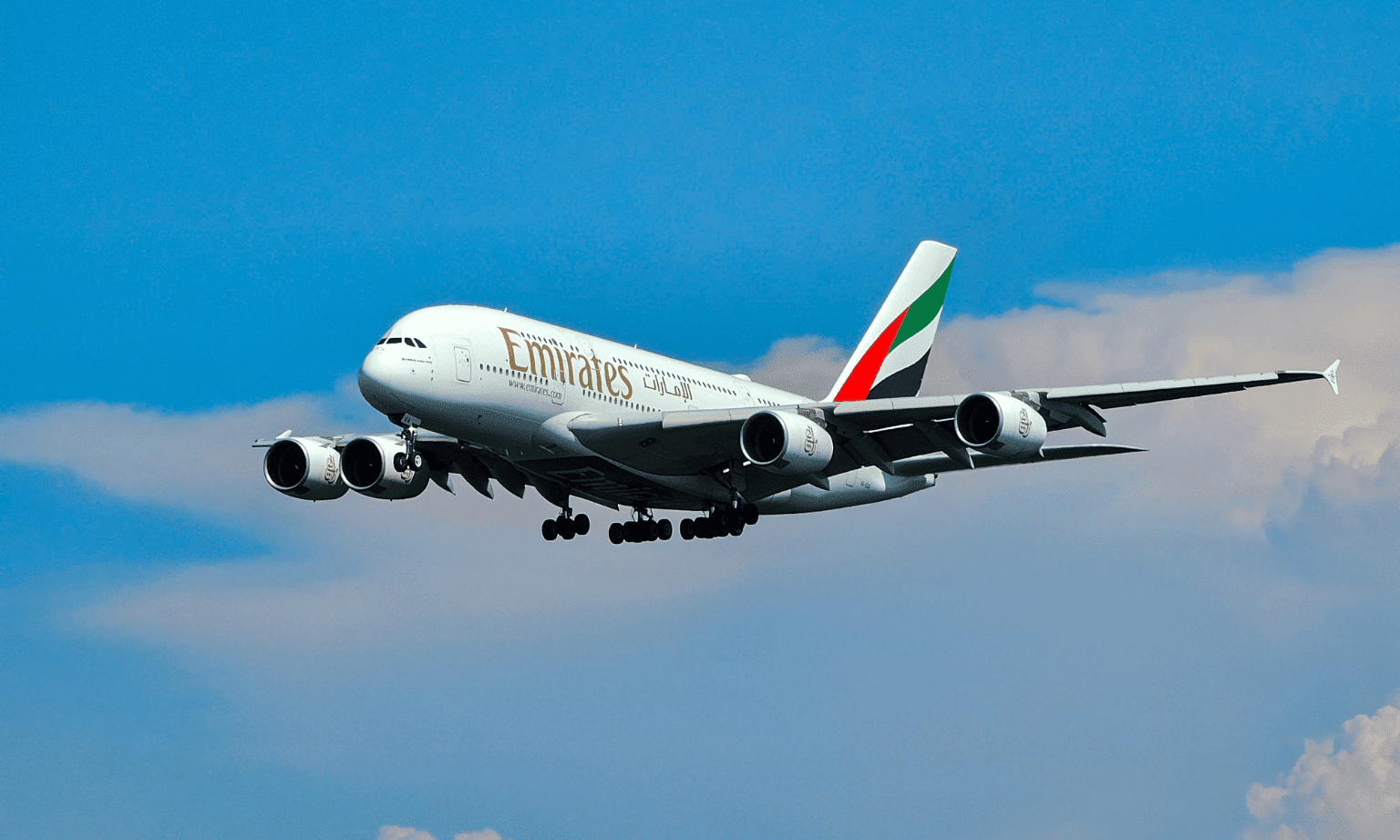
Emirates, a key player on the Australia-Europe route, has confirmed a significant ramp-up in its operations. A spokesperson for the airline revealed that flight schedules are "fast resuming," with explicit plans to restore full capacity across its Australian gateways in the coming months. Currently, Emirates operates services from five Australian cities: Sydney, Melbourne, Brisbane, Perth, and Adelaide. The airline is running three daily flights to Sydney, two to Melbourne, and daily services to the other three major cities.
"We’ve restored about 85 per cent of our weekly flight frequencies between Dubai and Australia," the Emirates spokesperson stated, "with plans to return to our original schedule and capacity in the coming months as demand across our network continues to build, reflecting the strong and growing appetite for travel to and from Australia." This optimistic outlook from Emirates underscores the airline’s commitment to the Australian market and its confidence in the ongoing recovery of international travel.
While the immediate disruptions stemming from the recent Middle East conflict have largely subsided, aviation experts continue to emphasize that a complete return to pre-conflict operational norms is still a work in progress. Several airlines are reportedly still navigating around specific sections of Iranian and Iraqi airspace. This necessitates the adoption of longer flight paths for certain routes, a measure that can extend travel times and increase operational costs for carriers. Consequently, travellers are advised to remain vigilant, as the possibility of schedule adjustments or unforeseen delays cannot be entirely ruled out, particularly if regional security conditions experience any shifts. The dynamic nature of geopolitical events means that the aviation industry must maintain a degree of agility and preparedness for rapid responses.
Airlines Vie for Dominance as Fares Tumble
The primary beneficiaries of this revitalized competition are Australian travellers. The re-establishment of direct and competitive routes by Gulf carriers – Emirates, Qatar Airways, and Etihad Airways – has led to an aggressive push for market share. These airlines, which form the backbone of many long-haul journeys from Australia to Europe, have restored the majority of their pre-disruption schedules and are actively vying for passengers.
According to insights from Flight Centre, a leading travel agency, bookings on these three Gulf carriers saw a substantial surge of 36% in the week immediately following the easing of Australia’s travel advisories concerning the Middle East. This uptick in demand prompted airlines to launch a fresh wave of fare sales. Economy return fares, which had briefly soared well above AUD $2,500 during the peak of the disruption, have now largely receded to below the AUD $2,000 mark. This competitive pricing strategy is particularly evident on key European routes, where airlines are deploying aggressive tactics to attract travellers.
Across the broader market, typical return economy fares from Australia to Europe are now generally ranging between AUD $1,700 and $2,400 on major international carriers. However, savvy travellers can often secure even lower prices through promotional sale fares. Recent advertisements have showcased Sydney to London return flights starting from approximately AUD $1,595, while Melbourne to London fares have dropped to around AUD $1,587. Perth, often a gateway for more competitive pricing, continues to offer some of Australia’s most affordable European fares, with return flights to London advertised from as little as AUD $1,313. Even southern European destinations are becoming more accessible, with promotional return fares to Athens available from approximately AUD $1,580 and to Dublin from around AUD $1,740.
The renewed competition has also recalibrated the market dynamics. During the period of heightened regional tensions, many Australian travellers opted to avoid transiting through the Middle East, leading to increased demand and subsequently higher fares on alternative carriers such as Singapore Airlines and Cathay Pacific. With confidence now largely restored and Gulf carriers having re-established most of their flight schedules, these fare premiums are diminishing. Emirates, Qatar Airways, and Etihad are once again engaged in a fierce battle for market dominance, driving down prices for consumers.
For travellers prioritizing value, airlines like Malaysia Airlines and Turkish Airlines continue to offer some of the most competitive fares to Europe, typically falling within the AUD $1,500 to $2,300 range for return economy tickets.
Within the Gulf carrier segment, pricing is now remarkably similar. Emirates generally advertises return economy fares via Dubai between AUD $1,700 and $2,500. Qatar Airways offers comparable fares through Doha, typically between AUD $1,700 and $2,400. Etihad Airways also prices its return economy fares from around AUD $1,700 to $2,400 via Abu Dhabi. The key differentiators for travellers choosing between these three major hubs are increasingly becoming their preferred transit hub, specific flight schedules, and the benefits of their respective loyalty programs, rather than significant price disparities.
Background and Chronology of Disruption and Recovery
The disruption to air travel began to escalate in early [Insert Month, Year – assuming the article is current or recent, e.g., April 2024] following increased geopolitical tensions in the Middle East. This led to airspace closures and heightened security concerns, forcing airlines to reroute flights, cancel services, and implement significant schedule reductions. The impact on the Australia-Europe route was particularly pronounced due to its reliance on transit hubs in the affected region.
- Early [Month, Year]: Initial airspace closures and rerouting of flights commence. Airlines begin to adjust schedules, leading to longer travel times and increased operational costs.
- Mid [Month, Year]: Travel advisories from governments, including Australia’s Smartraveller, are updated to reflect the evolving security situation. This prompts a noticeable drop in bookings and a surge in fares as demand shifts to alternative, less direct routes.
- Late [Month, Year]: Key airlines begin to cautiously resume services and restore flight frequencies. Emirates, Qatar Airways, and Etihad Airways are at the forefront of this recovery, gradually bringing back capacity.
- Present Day: Significant restoration of services is reported, with airlines operating at approximately 85% of pre-disruption capacity on the Australia-Dubai route. This has directly led to a sharp decline in airfares and a resurgence of competitive pricing.
Premium Cabin Fares See Rebound
The easing of tensions and the subsequent return of competition are also having a positive effect on premium cabin fares. Premium Economy fares from Australia to Europe are now commonly available within the AUD $3,200 to $5,000 range for return tickets. More significantly, Business Class sale fares have begun to reappear below the AUD $7,000 mark on select routes, a welcome development after a sharp escalation in prices during the disruption. Outside of promotional periods, Business Class fares typically range between AUD $8,000 and $12,000 return. However, airlines are increasingly offering discounts on these seats as additional capacity is reintroduced into the market, indicating a strategic effort to fill premium cabins.
Capacity Continues to Recover Across the Board

The encouraging news for travellers is that airline capacity is not only recovering but continuing to improve. Emirates, Qatar Airways, and Etihad Airways have now restored the vast majority of their Australian services, reversing the widespread cancellations and schedule reductions experienced earlier in the year. International carriers such as Lufthansa, Air France, and British Airways have also progressively resumed their services into the Gulf region. While some of these airlines continue to operate modified routings that deliberately avoid certain sections of Middle Eastern airspace, the overall trend is towards normalization. A small number of carriers are reportedly maintaining a cautious approach, delaying the full return of flights to destinations deemed higher risk while closely monitoring regional security developments.
Australian travellers have responded with enthusiasm to this improved outlook. Travel agents are reporting robust growth in bookings that transit through Dubai, Doha, and Abu Dhabi. The re-establishment of fierce competition among airlines is not only driving airfares down but also increasing seat availability, a crucial factor during the busy European summer travel season. This resurgence in demand and capacity is a testament to the resilience of the global travel industry and the enduring appeal of European destinations for Australian holidaymakers.
Official Advice and Navigating Potential Disruptions
Despite the significant positive developments, aviation authorities and government advisories continue to urge travellers to maintain a degree of flexibility and preparedness. Australia’s Smartraveller advisory explicitly notes that the security situation across parts of the Middle East can change with little warning. It also highlights that ongoing military activity may still have the potential to affect commercial aviation operations.
Airlines, while committed to restoring services, remain prepared to reroute or cancel flights at short notice should operational conditions necessitate such measures. Therefore, passengers should anticipate that flight schedules may still be subject to adjustments. To mitigate potential inconveniences, travellers are strongly advised to:
- Monitor Airline Communications: Regularly check their airline’s dedicated app or website for the latest updates before departure.
- Allocate Extra Time: Allow for additional time when connecting through major Gulf hubs, as unforeseen circumstances can sometimes lead to delays.
- Review Travel Insurance: Ensure that their travel insurance policies provide adequate cover for disruptions caused by conflict-related events, where applicable. This is a critical step in safeguarding against unexpected financial losses.
- Enable Notifications: Keep airline notifications switched on to receive immediate alerts regarding any schedule changes or flight disruptions.
For now, the aviation industry generally believes that the recovery process is well underway. While airlines are operating with a degree of caution, and some longer flight paths remain in place, the return of robust competition has undeniably led to falling fares. Europe is once again becoming significantly more accessible and affordable for Australian travellers than it was just a few weeks ago. This positive trajectory is a welcome development for those planning their international holidays, offering a renewed sense of optimism and opportunity for exploration.
For the latest updates on airline schedules, travel advisories, and cruise news, travellers are encouraged to stay tuned to reputable sources like Cruise Passenger. The dynamic nature of the travel landscape necessitates ongoing vigilance and information gathering to ensure smooth and enjoyable journeys. The return of competitive pricing and increased capacity marks a significant turning point, reaffirming the enduring allure of international travel and the industry’s capacity to adapt and recover.




 Anjar Salim
 Tatiana Tantri Indah Sari
 Budi Mulyono
 Lukman Taruna Persada Ramadan
