
 Susilo Edi Turonggo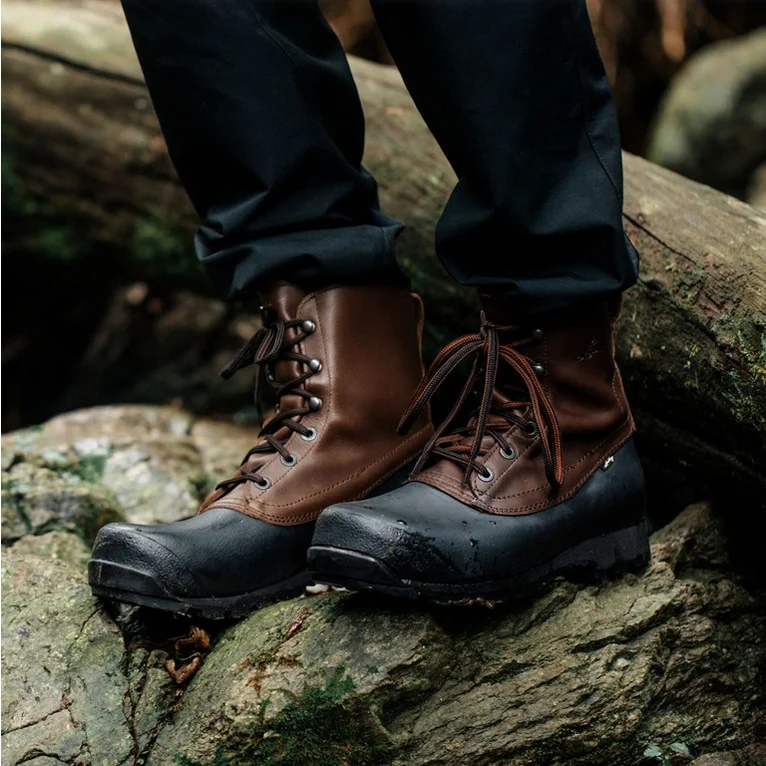
As winter descends, bringing with it the inevitable snow, ice, and slush, the demand for reliable footwear intensifies. Beyond mere protection from the elements, a growing imperative is shaping consumer choices: the need for truly sustainable winter boots that safeguard both the wearer and the environment. This means selecting products that are not only weather-resistant and built for longevity but also definitively free of toxic per- and poly-fluoroalkyl substances (PFAS) in their waterproofing finishes.
The Pervasive Threat of "Forever Chemicals" in Winter Wear
The discourse surrounding environmental and health-conscious fashion has increasingly highlighted per- and poly-fluoroalkyl chemicals, or PFAS. These synthetic compounds, numbering in the thousands, have been widely adopted across diverse industries, from textiles and food packaging to medical devices and household goods. In the fashion sector, PFAS are predominantly utilized for their exceptional ability to repel water and stains while maintaining material breathability, often marketed as Durable Water Repellent (DWR) finishes. Their presence is particularly pronounced in outdoor apparel and gear, including hiking equipment, ski wear, and, crucially, the snow-proof winter boots essential for cold-weather conditions.
The moniker "forever chemicals" bestowed upon PFAS by the scientific community underscores their most alarming characteristic: extreme persistence. Once PFAS-treated products shed these chemicals – through wear, washing, or disposal – the substances enter the environment. Their robust chemical bonds render them exceptionally resistant to degradation, leading to their accumulation in water bodies, soil, and ultimately, drinking water sources globally. The U.S. Geological Survey (USGS) reported in a 2023 study that PFAS are detectable in nearly half of the nation’s tap water samples, underscoring the widespread contamination. This environmental accumulation poses significant ecological risks, impacting wildlife and entire ecosystems.
Beyond environmental concerns, PFAS exposure presents a spectrum of potential human health issues. Research conducted by agencies such as the U.S. Environmental Protection Agency (EPA) and the Agency for Toxic Substances and Disease Registry (ATSDR) has linked exposure to various adverse health effects. These include, but are not limited to, certain cancers (kidney and testicular), reproductive problems (decreased fertility, developmental effects in children), immune system dysfunction, liver damage, and thyroid disease. The insidious nature of PFAS lies in their ability to migrate not only into the external environment but also into homes, posing a direct risk through contact with treated products.
The critical takeaway for consumers is clear: unless a brand explicitly states that its waterproofing finish is "PFAS-free," "PFC-free," or "free of fluorinated chemicals," it is prudent to assume the presence of these forever chemicals. This lack of transparency has prompted a concerted push from environmental advocates and regulatory bodies for clearer labeling and the adoption of safer alternatives. The timeline of public awareness and regulatory action has accelerated in recent years, with significant policy discussions and voluntary industry phase-outs gaining momentum since the mid-2010s.
Defining Sustainability in Winter Footwear: Beyond PFAS-Free
While eliminating PFAS is a foundational step towards sustainable winter boots, a holistic approach demands consideration of several other critical factors. A truly sustainable boot must embody principles of ethical sourcing, responsible manufacturing, and circularity. This multi-faceted definition ensures that the product’s entire lifecycle minimizes environmental harm and upholds social equity.
1. Safe & Sustainable Materials: The Foundation of Responsible Production
The choice of materials forms the bedrock of a sustainable winter boot. Naturally water-resistant options, such as ethically sourced leather, offer inherent performance benefits. For leather, certifications from the Leather Working Group (LWG) are paramount. LWG assesses tanneries based on their environmental performance, including water and energy usage, waste management, and the management of restricted substances, ensuring that materials are processed sustainably.
For boots incorporating recycled components, certifications like the Global Recycled Standard (GRS) are vital. GRS verifies the content of recycled materials in a product, ensuring transparency and traceability throughout the supply chain from the recycler to the final product. This prevents greenwashing and guarantees that materials genuinely contribute to reducing waste.
Furthermore, a brand’s commitment to chemical management extends beyond PFAS. Labels such as bluesign® signify that products are manufactured with minimal impact on people and the environment, adhering to stringent criteria for chemical use, resource efficiency, and worker safety. Brands that openly publish a Restricted Substances List (RSL) demonstrate a proactive approach to chemical safety, committing to avoid harmful substances in their production processes. The integration of bio-based materials and innovative non-toxic synthetic alternatives is also a key indicator of forward-thinking sustainable material strategies.
2. Transparent Supply Chain: Ensuring Ethical Production and Accountability
The journey of a winter boot from raw material to finished product often spans continents, making supply chain transparency a cornerstone of sustainability. Ethical production mandates that workers involved in every stage are treated fairly, paid living wages, and operate in safe conditions. Brands demonstrating awareness of their entire supply chain, from the origin of raw materials to the final assembly, are generally more accountable.
Partnerships with organizations like the Fair Wear Foundation (FWF) signal a strong commitment to improving labor conditions in garment factories. FWF works with brands to implement a Code of Labor Practice, conducting factory audits and promoting remediation efforts. Similarly, brands that publicly share their factory locations, disclose supplier lists, and uphold a comprehensive code of conduct for all their manufacturing partners provide consumers with the assurance that their purchases do not come at the cost of human exploitation or environmental degradation. The emerging trend of blockchain technology is also beginning to offer unprecedented levels of traceability for materials and production processes.
3. After-Market Repair and Longevity: Embracing the Circular Economy
A truly sustainable pair of winter boots is designed to withstand the rigors of years of use, directly countering the fast-fashion paradigm of disposability. Longevity is a key factor in reducing environmental impact, as it minimizes the need for frequent replacements and consequently reduces waste and resource consumption. Brands that prioritize durability in their design philosophy, using robust materials and construction techniques, contribute significantly to sustainability.
Beyond initial quality, a commitment to extending product lifespans through after-market repair services is a hallmark of circular economy principles. This includes offering readily available replacement parts, providing comprehensive repair guides, or operating full-service repair centers. Such initiatives empower consumers to maintain and repair their gear, fostering a deeper connection with their products and dramatically reducing landfill waste. This commitment signals a brand’s dedication to responsible consumption and a move away from linear "take-make-dispose" models.
Leading the Charge: PFAS-Free Winter Boot Brands
The following brands exemplify a commitment to both performance and environmental responsibility, offering winter boots that are graded for snow and slush without the use of perfluorinated chemicals, often while maintaining appealing aesthetics.
1. Keen
Keen has distinguished itself as a trailblazer in the outdoor industry, becoming the first major outdoor brand to achieve PFAS-free waterproofing. Their "Keen Detox" initiative, launched in 2014, not only led to the elimination of PFAS from their products but also involved sharing their process and alternative solutions with the wider industry, fostering a collaborative shift towards safer practices. Keen’s extensive range of winter boots, from stylish urban designs to heavy-duty expedition models, are all treated with a proprietary PFAS-free Durable Water Repellent. Their commitment extends to their material sourcing, working exclusively with Leather Working Group (LWG)-certified tanneries, ensuring environmentally responsible leather production. Keen maintains a rigorous restricted substances list and prides itself on robust supply chain oversight, manufacturing at least one in three pairs in their own facilities and regularly auditing Tier 1 and Tier 2 suppliers to uphold their stringent code of conduct. This holistic approach solidifies Keen’s position as a leader in sustainable outdoor footwear.
Price Range: $115-$250
Availability: The U.S., with select products available via partner dealers in China, Australia, and most European and Asian countries.
2. Jack Wolfskin
This German outdoor brand is renowned for its innovative and earth-conscious gear, all engineered to endure harsh conditions without relying on PFAS. Jack Wolfskin’s winter boots predominantly feature their custom Texapore technology, a high-performance, PFAS-free membrane designed to deliver superior water and wind resistance. The brand upholds an exemplary level of supply chain transparency, publicly listing all its manufacturing partners. A significant commitment to chemical safety is demonstrated by its policy that all suppliers are bluesign®-approved or verifiably do not use hazardous substances, a standard that goes beyond mere compliance. Jack Wolfskin further ensures ethical working conditions through regular, independent inspections of its production facilities, reinforcing its dedication to both environmental stewardship and social responsibility.
Price Range: $120-$230
Availability: Most European Countries.
3. Lundhags
Hailing from Sweden with a heritage dating back to 1932, Lundhags specializes in robust, long-lasting leather boots. Their manufacturing process is concentrated in Europe, ensuring a shorter supply chain, with leather sourced from a reputable German tannery known for its quality and environmental standards. Lundhags offers a diverse selection of shell, one-layer, and three-layer boots, each designed for specific winter conditions and built for repairability. A cornerstone of their sustainability philosophy is their comprehensive after-market repair shop, which actively encourages customers to extend the lifespan of their gear through professional maintenance and refurbishment. The brand operates under the Brav code of conduct, which governs factory working conditions, reflecting a strong commitment to ethical manufacturing practices.
Price Range: $217-$597
Availability: Most European countries.
4. Vaude
Vaude, another German outdoor pioneer, offers winter boots constructed with a highly effective, water and wind-proof membrane made from PFAS-free recycled polyester. Their commitment to local sourcing is evident in their use of leather uppers from a local tannery in Germany, minimizing transportation impacts and supporting regional economies. Vaude excels in transparency, providing detailed information on the manufacturing location for each product directly on its respective product page, empowering consumers with full visibility. Furthermore, Vaude champions product longevity through an impressive array of services, including readily available and affordable replacement parts and a comprehensive full-service repair program, ensuring that their boots can be maintained and enjoyed for many seasons.
Price Range: $200-$263
Availability: Canada and most European countries.
5. Forsake
Forsake blends style and functionality, offering LWG-certified waterproof boots that range from fashionable sneaker-boots to rugged heeled hiking boots. The brand’s commitment to ethical production is overseen by its parent group, which enforces a strict code of conduct for all suppliers and conducts regular, thorough audits to ensure compliance with labor and environmental standards. While Forsake maintains a strong focus on sustainable materials and ethical manufacturing for its primary components, consumers may note that the specific sourcing details for internal components like memory foam insoles are not always explicitly disclosed. This presents an area for potential future transparency enhancement.
Price Range: $145-$160
Availability: The U.S.
6. EcoAlf
EcoAlf, a certified B-Corp, stands at the forefront of sustainable fashion with its innovative approach to vegan, PFAS-free winter boots. The brand utilizes Global Recycled Standard (GRS)-certified recycled polyester and a blend of new and recycled rubber, embodying its "Because there is no Planet B" philosophy. EcoAlf demonstrates strong supply chain oversight, tracking its production processes down to Tier 3 suppliers. While the brand excels in tracing the manufacturing stages, greater transparency regarding the precise origin of its raw materials, particularly the initial collection points for recycled inputs, could further enhance its already robust sustainability profile.
Price Range: $145-$299
Availability: The U.S., most South American countries, most European countries, and most Asian countries.
7. Will’s Vegan Store
Will’s Vegan Store, an ethical vegan footwear brand, produces its shoes in Italy and Portugal, leveraging Europe’s strong ethical manufacturing standards. Their winter boots feature bio-based leathers derived from plant materials and recycled polyester insulation, representing a significant step away from conventional plastic-based vegan leathers. The brand is meticulous in tracing every step of its production process, ensuring adherence to sustainable and ethical practices. While many of their waterproof shoes are PFAS-free, it is crucial for consumers to verify this detail in the product description, as not all waterproof offerings may explicitly carry the PFAS-free designation. The brand’s ongoing efforts to transition all "unspecified vegan leather" to bio-based alternatives would further enhance its environmental credentials.
Price Range: $134-$190
Availability: All countries.
8. Poppy Barley
Poppy Barley specializes in elegant, LWG-certified water-resistant ankle and calf-length boots, prioritizing both style and sustainable material sourcing. Their commitment to ethical manufacturing is demonstrated through partnerships with audited factories located in Europe and Mexico, ensuring fair labor practices and responsible production. To guarantee the highest standards, consumers are advised to check individual product pages, as not all boots within their collection are explicitly listed as LWG-certified. This diligence ensures that the leather used in their chosen pair meets the rigorous environmental and social criteria set by the Leather Working Group.
Price Range: $293-$480
Availability: The Continental U.S., Mexico, Canada, and Australia.
9. REI Used Gear
REI Used Gear represents a powerful stride towards a circular economy, offering a platform for consumers to buy, sell, and trade in pre-owned outdoor equipment, including winter boots. This initiative significantly extends the lifespan of products, reducing waste and the demand for new manufacturing. It provides an accessible entry point for consumers to acquire high-quality winter boots from sustainable brands at a discounted price. While REI Co-op is actively working to phase out PFAS from its own-brand products, consumers utilizing the Used Gear platform must exercise vigilance. It is essential to carefully review the product details for any used items to ascertain whether the original brand and specific product model were manufactured without PFAS, as older gear may predate widespread PFAS-free initiatives. This platform underscores the broader movement towards conscious consumption and product longevity.
Price Range: $22-$149.50
Availability: The U.S.
Broader Implications and the Path Forward
The shift towards PFAS-free and sustainable winter boots is more than a niche trend; it represents a significant inflection point in the consumer goods industry. The increasing public awareness of "forever chemicals" and their environmental and health ramifications is driving demand for safer alternatives. This consumer-driven pressure, coupled with evolving regulatory landscapes in regions like the European Union and certain U.S. states that are moving to restrict PFAS, is compelling brands to innovate and adapt at an unprecedented pace.
The implications extend beyond individual products. The commitment to transparent supply chains, ethical labor practices, and circular economy models through repair and reuse programs signals a maturing industry focused on holistic responsibility. As research into sustainable materials and non-toxic waterproofing technologies continues, the market for environmentally benign yet high-performing winter gear is set to expand further. Consumers, armed with knowledge and the power of their purchasing decisions, play a crucial role in accelerating this transformation, ensuring that the warmth and protection offered by winter boots come without an environmental or health cost.



 Budi Mulyono
 Anjar Salim
 Chandra Hamzah
 Tatiana Tantri Indah Sari

 Lukman Taruna Persada Ramadan