
 Chandra Hamzah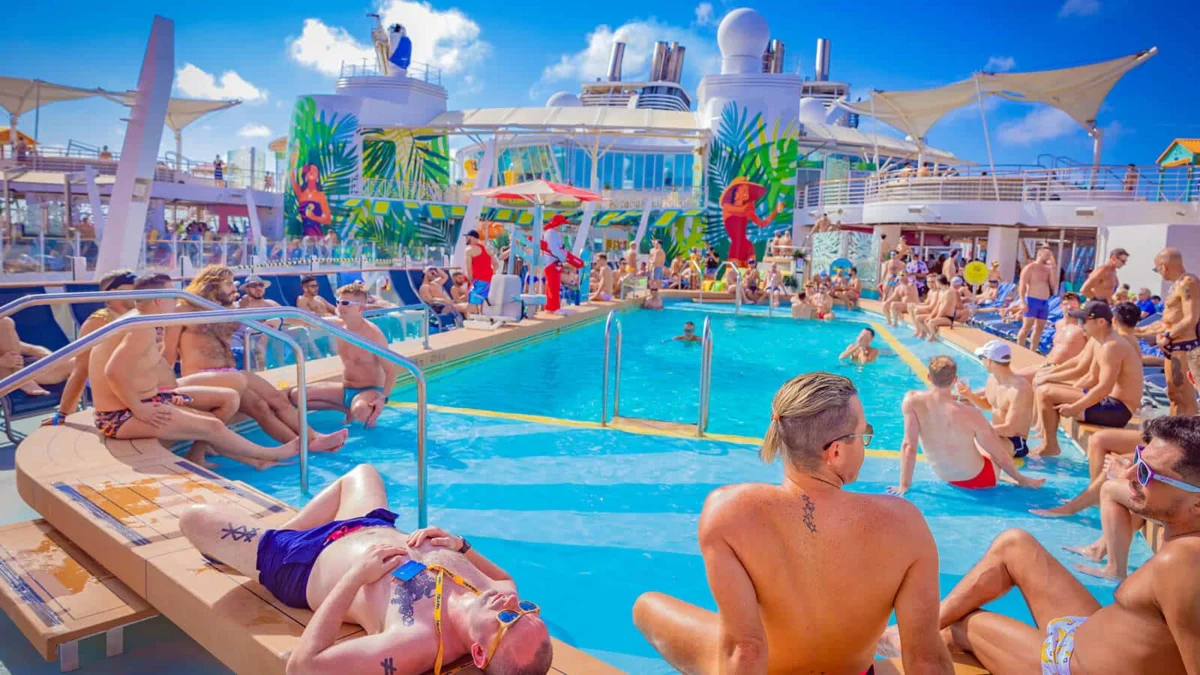
An LGBTQ+ chartered cruise aboard Virgin Voyages’ Scarlet Lady faced unprecedented rejection from Turkey and Egypt, leading to widespread international outcry and prompting discussions about discrimination within the global tourism sector. The vessel, carrying over 1,900 passengers, was reportedly denied docking and entry for its LGBTQ+ clientele by both nations, a decision that has drawn sharp criticism from travel organizations, passengers, and advocacy groups.
The voyage, organized by Atlantis Events, a company renowned for curating specialized travel experiences for the LGBTQ+ community, set sail from Athens with a planned itinerary that included stops in both Turkey and Egypt. However, just hours before scheduled arrivals, both countries rescinded clearance, leaving passengers surprised and dismayed. Rich Campbell, President and CEO of Atlantis Events, expressed his bewilderment to CNN, stating, "We had full approval and they denied us clearance at the 11th hour." He conveyed his understanding of the passengers’ disappointment, acknowledging how much the planned visits meant to them, particularly given that a similar itinerary had been successfully completed the previous year without incident.
The Voyage and Initial Rejections
The cruise, which began in Athens and was slated to proceed towards Venice, became the focal point of controversy when Turkey issued a statement citing the cruise operator as being "known for behaviors incompatible with the fabric of our society and our moral values." This statement from Turkish authorities, while vague, clearly indicated a stance against the perceived nature of the event and its attendees. Egypt’s refusal followed suit, though official statements from Cairo have been less detailed.
According to reports from Travel Weekly, a significant number of Australians were among the passengers, with estimates suggesting they constituted the second-largest national group after Americans, underscoring the international nature of the charter. The presence of over 1,900 individuals meant this was a substantial group whose travel plans were abruptly altered.
A Pattern of Discrimination or Shifting Political Sands?
The decision by Turkey and Egypt has ignited a debate about whether this incident is an isolated act of intolerance or a symptom of a broader, more concerning trend of rising conservatism and a rollback of LGBTQ+ rights in various parts of the world. Kyle Olsen, owner of Hermes Holidays, another company specializing in LGBTQ+ travel, articulated this concern, linking the rejections to a global shift. "We’re seeing a rise in right-wing governments and increasingly conservative political movements, and in many places LGBTQI+ rights are being rolled back as a result. The decisions by Turkey and Egypt don’t exist in isolation," Olsen stated, emphasizing that such governmental actions are often interconnected with wider political climates.
This perspective is echoed by some travel experts who are closely monitoring the industry for signs of increasing discrimination. The possibility that the cruise, with its high-profile passengers, including the acclaimed actress Patti LuPone, garnered more attention this year, potentially prompting a more rigid response from host countries, has also been speculated. However, the consensus among those concerned about LGBTQ+ rights is that the underlying issue is a growing intolerance rather than the visibility of celebrities.
Passenger Reactions and Online Discourse
The unexpected turn of events led to a wave of reactions from passengers and the wider LGBTQ+ community, largely expressed through social media platforms. On Reddit, discussions revealed a spectrum of opinions. One user, ClassicHando, commented, "Won’t lie, if I was going on a gay cruise I’d want to be stopping in places more friendly." This sentiment highlights a common expectation among LGBTQ+ travelers to visit destinations that are perceived as welcoming and safe.
Another user, 2daytrending, offered a poignant observation: "This case is the reminder that being tolerated for tourism is not the same as being accepted." This statement underscores the distinction between superficial acceptance for economic gain and genuine societal acceptance of LGBTQ+ individuals.
However, some users questioned the initial choice of destinations, raising concerns about the planning of an LGBTQ+ cruise in regions known for their conservative social norms. One comment read, "I am 100% pro LGBTQ+ and thinks it’s messed up these countries are this way. But who in the blue hell thought it was a good idea to have a gay cruise in the Middle East? Sadly what’s going on may very well be a best case scenario." This viewpoint, while acknowledging the injustice, suggests a degree of foresight might have been expected in selecting destinations.
Countering this, other users pointed out the historical context, noting that Atlantis Events and similar companies have operated cruises to these regions for years without encountering similar issues. This reinforces the idea that the change in policy and reception stems from the current governments of Turkey and Egypt, rather than an inherent problem with the cruise itself. "They’ve been doing these cruises for years and never had issues in the past. It’s the governments of Turkey and Egypt that were the ones who decided to change anything," one user clarified.
Economic and Social Implications
The incident has prompted some individuals to reconsider their travel plans. Several users indicated they would be boycotting Turkey as a travel destination. "We were seriously considering a trip to Turkey this winter and we changed plans after reading this. Vote with your tourist dollars," wrote user Another_Dragon, illustrating the potential economic impact of such decisions on countries reliant on tourism.
Experiences shared by some LGBTQ+ travelers who have visited Egypt in the past also shed light on the challenges faced by the community in such regions. One individual recounted, "I’ve met gay tourists on my trip to Egypt in a few group tours, and they unfortunately had to be really careful about hiding the fact that they were gay. Just seems like a less than great idea to go to an anti-lgbt country on an openly lgbt activity. Hopefully one day the attitude there will shift to being tolerant of the LGBT, as the Middle East and northern African regions are beautiful." This highlights the need for safety and discretion for LGBTQ+ individuals in less accepting environments, a concern that is amplified when traveling in groups and engaging in openly LGBTQ+-focused activities.
Atlantis Events’ Response and Future Outlook
Despite the disappointment and the logistical challenges of rerouting the ship, Atlantis Events President and CEO Rich Campbell reported that passenger morale remained high. He described the experience onboard as a testament to the resilience and strong sense of community within the LGBTQ+ traveler base. "Redirecting this ship has created an even greater sense of community onboard. It is beautiful to experience," Campbell remarked, suggesting that the shared adversity fostered stronger bonds among the passengers.
The incident raises critical questions for the global travel industry. How will travel companies navigate increasingly complex geopolitical landscapes and varying levels of social acceptance for LGBTQ+ individuals? The decision by Turkey and Egypt sets a precedent that could influence future travel policies in other countries. The long-term implications will likely involve a re-evaluation of destination choices by LGBTQ+ travel organizers and a heightened awareness among travelers about the political and social climates of their chosen destinations. The hope, as expressed by many, is for a future where all travelers, regardless of their sexual orientation or gender identity, can explore the world without fear of discrimination.




 Anjar Salim
 Tatiana Tantri Indah Sari
 Budi Mulyono
