
 Hendra Ismail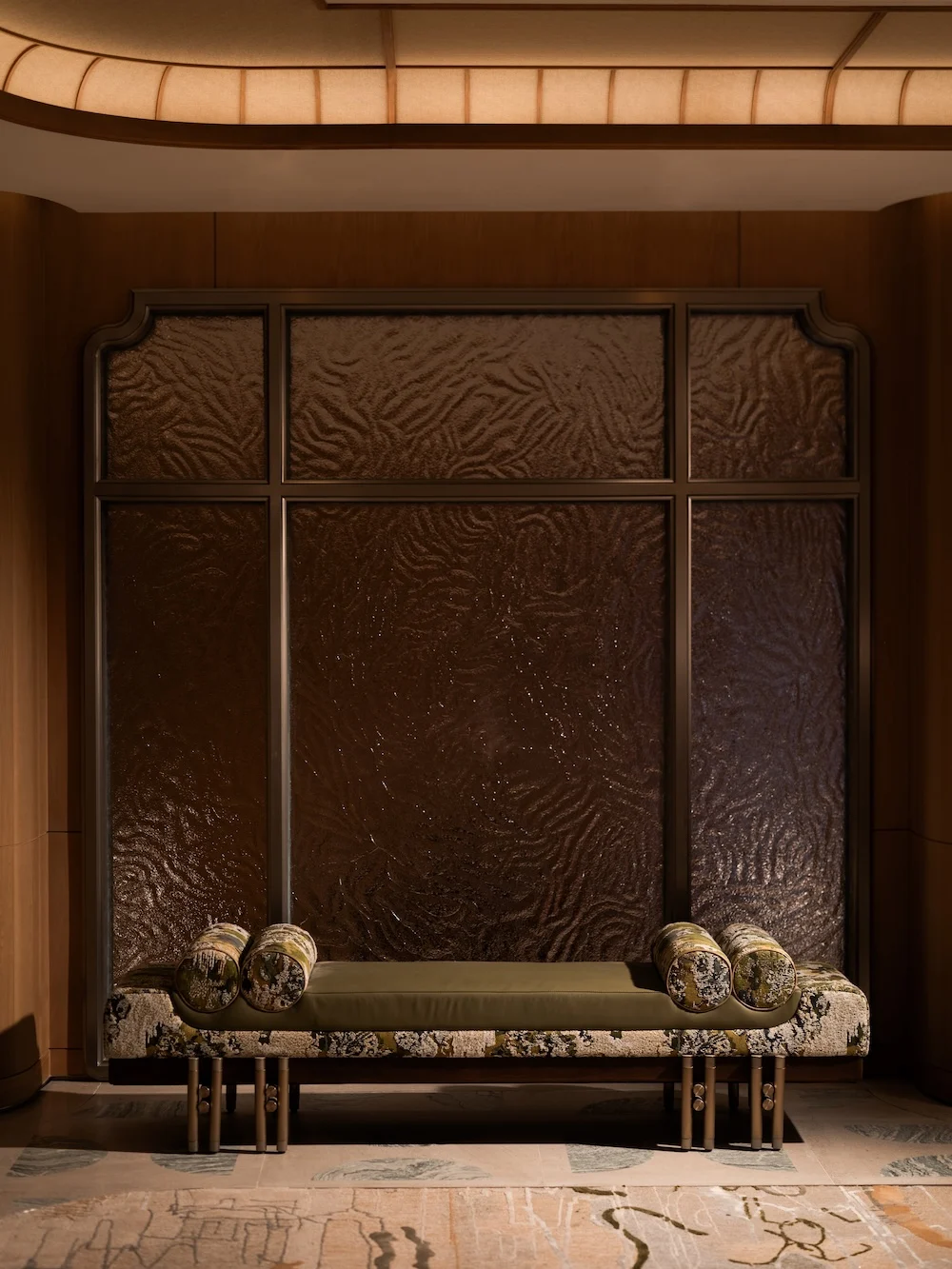
Joyce Wang Studio has orchestrated a profound metamorphosis of Mandarin Oriental the Landmark, Hong Kong, marking a significant renovation of the prestigious property. This ambitious undertaking, unfolding more than a decade after the practice’s initial acclaimed redesign of the hotel, seeks to reimagine the guest experience through a lens deeply informed by Hong Kong’s rich architectural legacy and vibrant artistic soul. The comprehensive revitalization spans 109 meticulously designed rooms and suites, an opulent mansion foyer, extensive spa facilities, and a re-envisioned bar concept, promising a renewed sense of place for discerning travelers.
Echoes of a Lived-In Mansion: A Material Narrative
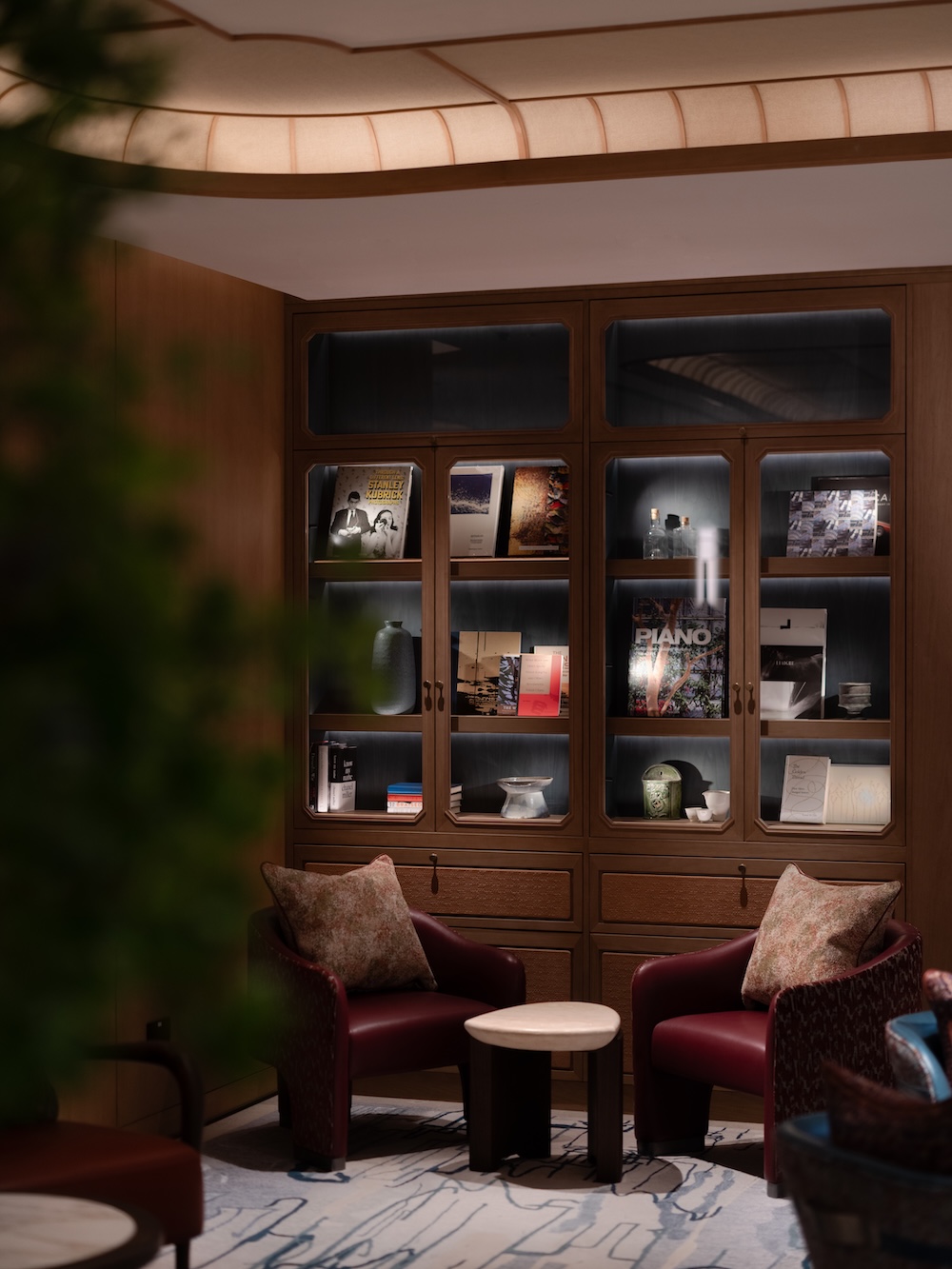
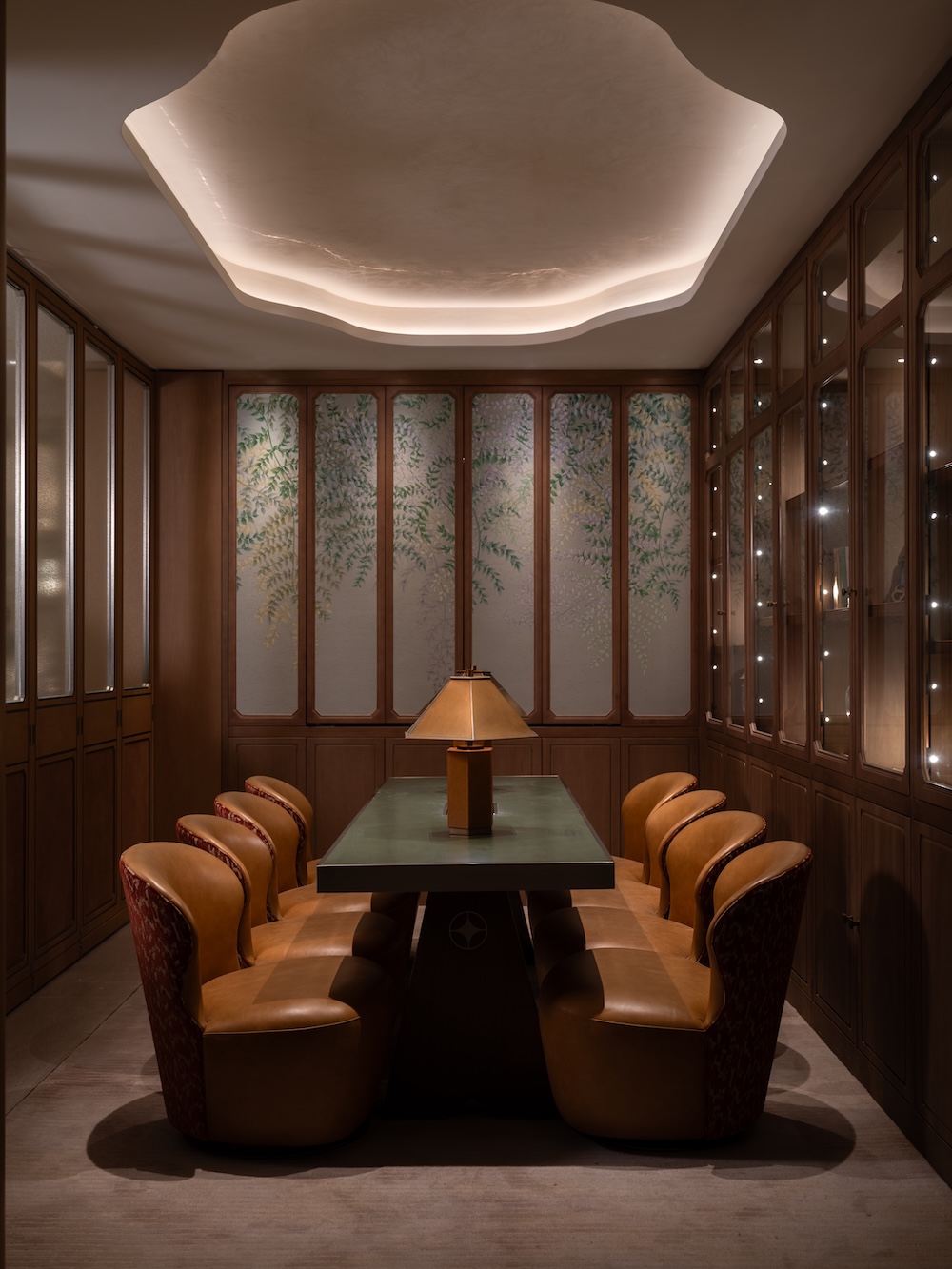
The design philosophy for this extensive renovation hinges on the evocative concept of a "lived-in mansion," drawing profound inspiration from Hong Kong’s historical architectural narratives. Joyce Wang Studio has meticulously curated a material palette that speaks to this theme, referencing the city’s verdant natural landscapes and the warm terracotta hues characteristic of its colonial past. This duality is masterfully expressed through a sophisticated interplay of green and orange tones. The lobby and arrival sequence, in particular, serve as a testament to this approach, seamlessly blending timeless architectural gestures with contemporary detailing. Here, natural stone, rich timber, tactile wallcoverings, and custom-made églomisé glass converge to create an atmosphere of understated luxury and historical resonance.
Joyce Wang, the principal of Joyce Wang Studio, articulated the creative impetus behind the redesign: “We took inspiration from the colonial country manors frequented by the Tai Kwuns of a bygone era to celebrate the beauty of these historic homes that still fascinate today. Our vision this time has a greater focus on local relevance and the heritage of the building. We also used art as an integral part of our philosophy for the space, with a commitment to adding local flavor. The artwork program is rigorous in that there is a story behind each piece.” This emphasis on narrative and local context underscores a departure from purely aesthetic considerations, embedding the design within a richer cultural and historical framework.
Throughout the reimagined spaces, elements such as an undulating staircase, strategically placed artwork bays, and sculptural plinths are designed to foster moments of pause and discovery for guests. The selection of objects and accessories—ranging from artistic vases to artisanal vessels—further reinforces the "lived-in" narrative, imbuing the hotel with the feeling of a cherished, well-appointed home that has been curated over time. This approach aims to create an environment that feels both grand and intimately personal.
The Skyline as a Muse: Integrating Hong Kong’s Iconic Profile
A defining feature of the renovation is the subtle yet pervasive integration of Hong Kong’s world-renowned skyline as a recurring motif. This iconic urban panorama is woven into the fabric of the hotel through custom artworks that have been translated into intricate carpet designs, evocative tapestries, and elegant églomisé glass panels. These visual elements are strategically deployed across the lobby, within the lift cars, and along the guestroom corridors, ensuring that the city’s dynamic silhouette is a constant, inspiring presence.

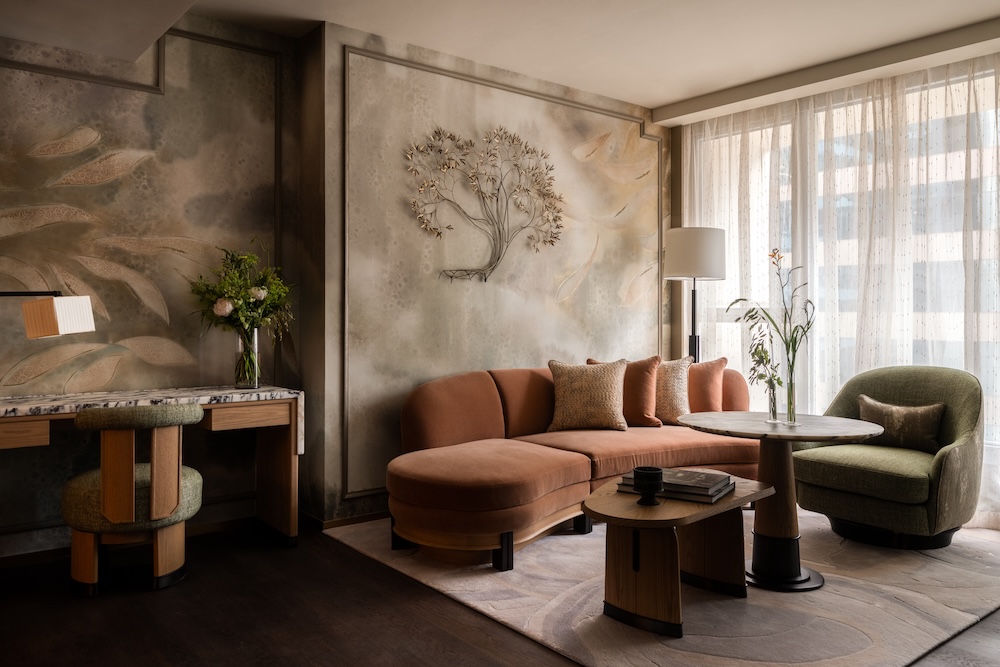
Within the guestrooms, the design further refines this intimate connection to place. Lightened timber floors provide a warm and natural foundation, complemented by textured cracked gesso wall finishes. A custom wallcovering, incorporating silk and hand-painted elements, adds a layer of artisanal craftsmanship. Complementing these features, custom rugs are designed to evoke the distinctive textures of the region’s historic brickwork, collectively contributing to an enveloping and cocooning atmosphere that offers guests a serene retreat from the urban bustle.
A Sanctuary of Serenity: The Spa Inspired by Breathwork and Calligraphy
The hotel’s signature spa, slated for reopening later this year, represents a distinct design chapter, drawing its conceptual language from the fluid disciplines of breathwork and calligraphy. This holistic approach aims to create an environment conducive to relaxation and rejuvenation. Custom flooring patterns are meticulously designed to mirror the natural rhythm of inhalation and exhalation, guiding guests through a tranquil sensory experience. The gym, yoga, and Pilates studios are delineated by two distinct wood veneers, chosen for their ability to impart a balanced and organic warmth to these dedicated wellness spaces.
Adding a layer of artistic depth, the ceiling designs and decorative screens within the spa are inspired by the expressive mark-making of Chinese calligraphy. Their sinuous forms are intended to echo the disciplined yet energetic strokes of a calligrapher’s brush, infusing the environment with a sense of mindful movement and artistic grace. This integration of artistic principles into the spa’s design underscores a commitment to creating spaces that not only promote physical well-being but also engage the senses on a deeper, more contemplative level.
Communal: A Reimagined Epicurean Hub
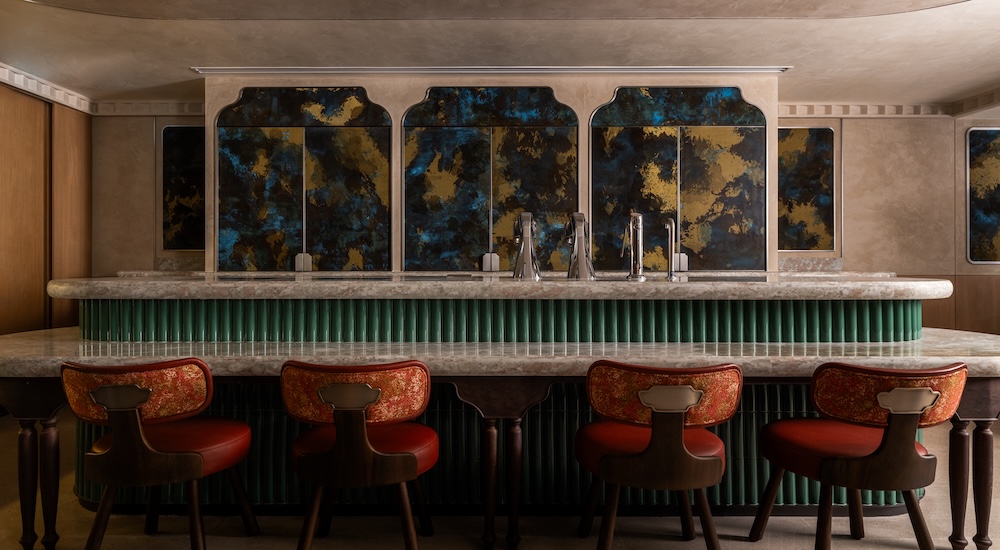
The former MO Bar has undergone a significant transformation, emerging as "Communal," a novel espresso bar concept spearheaded by the acclaimed Michelin-starred chef Richard Ekkebus. This new culinary destination is envisioned as a dynamic space that seamlessly transitions between daytime and evening service. The back bar is a focal point, defined by a rich material palette of patinated brass, verdigris, and bronze panels, creating a sophisticated and tactile experience.
The lighting design within Communal pays homage to domestic interiors, with ceiling lamps in matching finishes evoking the ambiance of historic Yuen Long mansions. Traditional roofline silhouettes are referenced through fluted jade-toned tiles, adding a touch of regional architectural vernacular. To introduce a bold contrast and visual dynamism, the space features upholstery in vibrant tangerine and cherry tones, further enhanced by a distinctive crest-like motif adorning the chair backs. This thoughtful combination of materials and design elements positions Communal as a sophisticated and inviting social hub.
Historical Context and Design Evolution
The Mandarin Oriental the Landmark, Hong Kong, has long been a beacon of luxury in the city, renowned for its impeccable service and prime location. The hotel first opened its doors in 2005, and its initial design, also by Joyce Wang Studio, set a high benchmark for contemporary hospitality interiors. That earlier renovation was celebrated for its blend of modern sophistication and subtle nods to Hong Kong’s heritage. This latest intervention, nearly two decades later, represents a strategic evolution, deepening the engagement with local culture and history while refining the guest experience for a new era.
The choice to revisit and reimagine the property reflects a growing trend in the luxury hospitality sector towards creating experiences that are not only comfortable and aesthetically pleasing but also deeply rooted in their location. This "sense of place" is increasingly valued by travelers seeking authentic connections to the destinations they visit. The Mandarin Oriental the Landmark’s renovation aligns with this demand by deliberately weaving Hong Kong’s unique narrative into the very fabric of the hotel.
Economic and Cultural Implications
The investment in such a significant renovation signals confidence in Hong Kong’s tourism sector and its continued appeal as a global hub for business and leisure. By enhancing its offerings and reinforcing its unique identity, the Mandarin Oriental the Landmark aims to solidify its position in a competitive market. This revitalization can also have a ripple effect, potentially inspiring other establishments to embrace design narratives that celebrate local heritage.
Furthermore, the emphasis on commissioning local artists and artisans for the extensive artwork program provides valuable support to Hong Kong’s creative community. This commitment not only enriches the hotel’s interiors but also contributes to the cultural vibrancy of the city. The success of such integrated design strategies can serve as a model for future developments, demonstrating how luxury can be harmoniously blended with cultural preservation and artistic expression.
The renovation also addresses evolving guest expectations. Modern luxury travelers often seek spaces that offer more than just opulent surroundings; they desire environments that tell a story, evoke emotion, and provide opportunities for discovery. The "lived-in mansion" concept, coupled with the integration of local art and historical motifs, caters precisely to this desire for immersive and meaningful experiences. The reimagined spa and the new Communal bar concept further underscore this focus on holistic well-being and sophisticated social engagement, key priorities for today’s discerning traveler.
Future Outlook and Guest Experience
The completed renovation promises to elevate the guest experience at Mandarin Oriental the Landmark, Hong Kong, offering a sophisticated and culturally resonant sanctuary. The studio’s meticulous attention to detail, from the material palette to the integration of bespoke art, ensures that each space tells a part of Hong Kong’s story. As the hotel reopens its transformed spaces, it is poised to attract both returning patrons and new guests eager to explore this deeply personal and artfully curated interpretation of luxury hospitality. The project stands as a compelling example of how contemporary design can honor and amplify the unique heritage of a destination, creating experiences that are both timeless and profoundly relevant.


 Anjar Salim
 Chandra Hamzah
 Tatiana Tantri Indah Sari
 Budi Mulyono

