
 Cholid Fahmi Thalib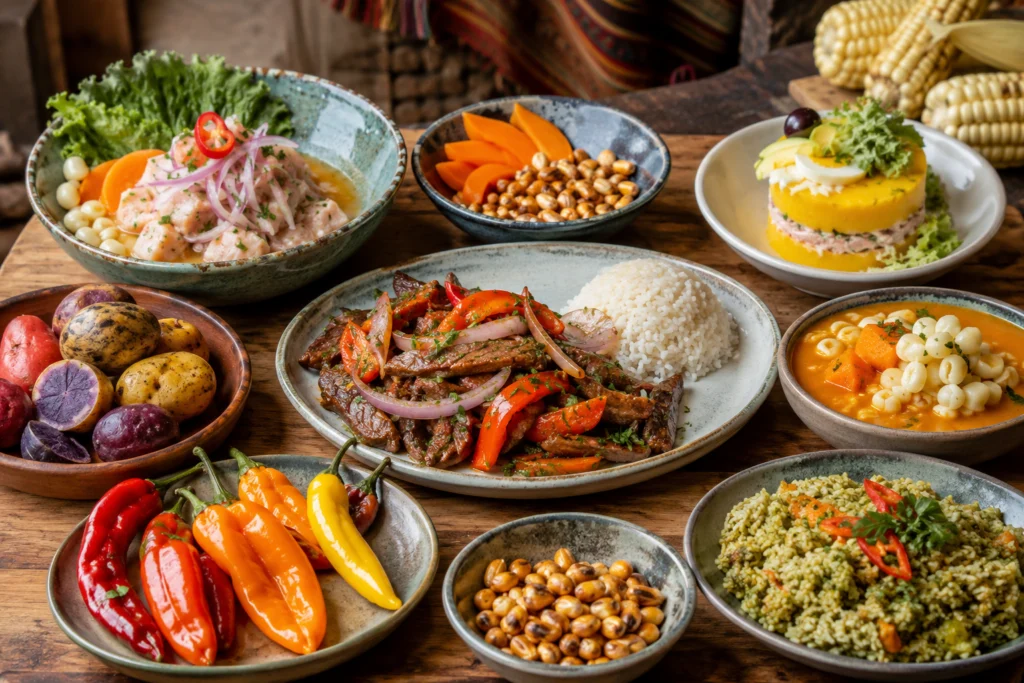
Peru’s culinary landscape is a testament to its profound geographical diversity, ancient indigenous traditions, and centuries of immigrant influence, offering a gastronomic journey far richer than often portrayed. While Lima’s world-renowned fine-dining scene frequently garners international attention, the true genesis of Peruvian cuisine lies in its three distinct ecological zones: the coast, the Andes, and the Amazon. Understanding these foundational elements—the ingredients they yield, the preservation techniques they necessitate, and the cultural practices they embody—is crucial for any traveler seeking to truly appreciate the depth and breadth of Peruvian food. This guide delves into the geographical and cultural underpinnings of Peru’s diverse culinary heritage, providing context that elevates the dining experience from a mere checklist of dishes to an immersive exploration of a nation’s identity.
The bedrock of Peru’s exceptional biodiversity, particularly in its tubers and grains, is most evident in the Andean highlands. It is here that over 3,000 native potato varieties are cultivated, a staggering number that underpins the country’s claim to being the world’s potato birthplace. This genetic wealth, meticulously preserved by indigenous communities for millennia, extends to grains like quinoa, kiwicha (amaranth), and kañiwa, which form the nutritional backbone of highland diets. These ingredients, far from being mere historical footnotes, are actively incorporated into modern Peruvian gastronomy, demonstrating a living connection to ancestral foodways. The International Potato Center in Lima, a global hub for potato research, continuously documents and promotes the preservation of these diverse landraces, highlighting their unique starch profiles, flavors, and culinary applications. When a restaurant like Central, lauded as the world’s best in 2023, builds its tasting menus around Peru’s diverse ecosystems, it is not an artistic choice but an acknowledgment of the Andes as the ultimate culinary pantry.
The Earth Oven and Ancient Andean Preservation: Pachamanca and Chuño
Among the most ancient and deeply rooted culinary traditions of the Andes is Pachamanca, a pre-Columbian cooking method that translates to "earth oven" in Quechua. This communal practice involves heating stones in a pit, then layering marinated meats (such as lamb, pork, or chicken), potatoes, corn, beans, and other vegetables within the pit, which is then covered with earth to cook slowly using residual heat. The process, which can take several hours, imbues the ingredients with a unique smoky, earthy flavor and incredibly tender texture that is difficult to replicate through conventional cooking methods. While Pachamanca was historically a ceremonial feast, its practice has become more accessible to travelers, particularly in regions like the Sacred Valley, offering a tangible connection to indigenous culinary heritage. The meticulous preparation and the communal aspect of Pachamanca underscore a relationship with food deeply tied to the land and ancestral practices.
Complementing these slow-cooked traditions is chuño, a remarkable example of pre-industrial food preservation born from the extreme conditions of the high Andes. Chuño is created by freeze-drying potatoes, a process that exploits the nightly frosts and intense sunlight of the altiplano. Potatoes are spread out overnight to freeze, then stomped on during the day to expel moisture and air. This repeated cycle, often lasting several days, transforms the potato into a lightweight, shelf-stable product that can be stored for years. Historically, chuño was vital for ensuring food security in the Andes, providing sustenance during lean seasons. Today, it continues to be a staple ingredient in many highland soups and stews, lending a unique, dense, and earthy texture that distinguishes it from fresh potatoes. The scientific precision of this ancient technique highlights the ingenuity of Andean communities in adapting to their environment.
Andean Grains: More Than Just Quinoa
While quinoa has achieved global recognition for its nutritional prowess, its Andean cousins, kiwicha (amaranth) and kañiwa, remain integral to the region’s culinary identity. Kiwicha, with its slightly sweet and nutty profile, is a versatile grain found in porridges, soups, and baked goods, often signaling a kitchen that draws directly from indigenous pantry traditions. Kañiwa, smaller and with a more pronounced earthy, slightly bitter flavor, is particularly prevalent around Lake Titicaca. The continued cultivation and consumption of these ancient grains underscore their enduring importance in providing high-quality protein and essential micronutrients that have sustained Andean populations for millennia. Exploring local markets in highland towns reveals these grains in their everyday forms, often prepared as simple yet nourishing meals.
The Coastal Bounty: A Symphony of Seafood and Citrus
Peru’s extensive coastline, dramatically shaped by the cold, nutrient-rich Humboldt Current, is a primary source of the nation’s celebrated seafood. This oceanic abundance forms the foundation of coastal Peruvian cuisine, giving rise to iconic dishes like ceviche, tiradito, causa, and arroz con mariscos. Central to these preparations is ají amarillo, often referred to as the "soul of Peruvian cooking" by PROMPERÚ (Peru’s export and tourism promotion agency). This vibrantly colored, moderately spicy pepper lends a fruity, complex flavor that is indispensable in a wide array of coastal dishes.
Causa, a deceptively simple yet elegant dish, showcases the versatility of the potato. It is a layered terrine made from mashed yellow potatoes, seasoned with ají amarillo and lime juice, and typically filled with chicken, tuna, or avocado. Its refreshing taste and appealing presentation make it a popular starter. Arroz con mariscos, a rich seafood rice dish, is prepared in a style more akin to a creamy risotto than a Spanish paella, infused with ají amarillo and cilantro. These dishes, while distinct in their final form, share a common reliance on the freshest seafood and the distinctive flavor profile of ají amarillo, illustrating a cohesive regional culinary logic.
The Art of Peruvian Ceviche: A Brief Curing Time
Peruvian ceviche is a precise culinary technique rather than a prolonged marination. The defining characteristic is the rapid "cooking" of fresh fish in lime juice, a process that typically lasts no more than ten minutes. This brief exposure to citrus acid firms the fish’s flesh while preserving its raw, succulent texture. The "leche de tigre" (tiger’s milk), the flavorful liquid remaining after the fish is dressed, is an integral part of the dish, often consumed as a palate cleanser or even served as a separate starter. A classic ceviche features thinly sliced white fish, red onion, cilantro, and ají amarillo, typically served with cancha serrana (toasted corn) and slices of sweet potato. It is traditionally a lunch dish, and enjoying it at its freshest means seeking out cevicherías that open their doors during midday.
Nikkei Influence: Japanese Precision Meets Peruvian Flavors
Tiradito, a dish that bears a visual resemblance to ceviche, offers a clear illustration of the Nikkei influence on Peruvian coastal cuisine. Prepared with sashimi-grade fish that is sliced thinly and dressed with a vibrant sauce, tiradito omits the onion found in ceviche, a hallmark of Japanese culinary precision. This fusion, born from the early 20th-century Japanese immigration to Peru, seamlessly integrates Japanese knife skills and minimalist seasoning with Peruvian ingredients like ají amarillo and leche de tigre. The resulting dishes are characterized by a delicate balance of textures and flavors, demonstrating how immigrant culinary traditions can profoundly shape and enrich a national cuisine. The widespread presence of tiradito on menus across Lima signifies its integration into the fabric of Peruvian gastronomy.
The Amazon: Peru’s Underexplored Culinary Frontier
While often overlooked in broader discussions of Peruvian cuisine, the Amazon basin, comprising approximately 60% of Peru’s landmass, possesses a distinct and vibrant food culture. This region’s culinary landscape is shaped by its unique river systems, dense tropical forests, and an array of indigenous ingredients found nowhere else. Dishes like Juane, a savory preparation of rice and chicken steamed within fragrant bijao leaves, are emblematic of Amazonian cooking. Pescado a la hoja, where river fish is cooked en papillote using local leaves, and tacacho con cecina, a hearty dish of mashed plantains served with smoked pork, are everyday staples in cities like Iquitos and Tarapoto.

The bijao leaf plays a crucial role, not only as a wrapping but also by imparting a subtle herbal aroma and retaining moisture, contributing to the distinctive texture of Amazonian steamed dishes. The paiche, one of the world’s largest freshwater fish, native to the Amazon, is a prized ingredient, appearing grilled, fried, or in stews. Its mild, firm flesh readily absorbs the bold flavors of regional sauces, making it a versatile canvas for Amazonian culinary creativity. The exotic fruits of the Amazon, such as camu camu, cocona, and aguaje, are also integral to the region’s cuisine, appearing in juices, sauces, and desserts, offering a taste of the rainforest’s bounty.
The Legacy of Immigration: Chifa and Nikkei
The presence of soy sauce, ginger, and wok-cooked elements in dishes like Lomo Saltado is not a recent innovation but a direct legacy of Chinese indentured laborers who arrived in Peru in the mid-19th century. Their culinary techniques and pantry staples merged with indigenous ingredients, giving rise to Chifa, the enduring Peruvian-Chinese culinary tradition. This fusion has become so deeply ingrained in Peruvian culture that dishes like arroz chaufa (fried rice) and wantán frito are ubiquitous, found on menus from Lima to the smallest Andean towns.
Similarly, African culinary influences, introduced through the transatlantic slave trade, have left an indelible mark on coastal Criollo dishes. Tacu tacu, a savory fritter made from leftover rice and beans, and anticuchos, grilled skewers of marinated beef heart, are direct descendants of Afro-Peruvian traditions. Spanish colonization, commencing in the 16th century, introduced ingredients such as olive oil, garlic, and dairy, further enriching the evolving Peruvian palate. Each wave of immigration has left tangible, living traces on the nation’s cuisine, transforming it into a complex tapestry of global influences.
Chifa: From Survival to National Staple
Chifa restaurants, initially established to serve burgeoning Chinese-Peruvian communities, have evolved into one of Peru’s most prevalent dining establishments. The high-heat stir-frying techniques and soy-based sauces characteristic of Chifa have become so integrated into the Peruvian culinary vernacular that they are often perceived as distinctly national rather than foreign. Scholars note that Chifa has transitioned from a survival food for immigrant communities to a proud symbol of national identity, embraced by all Peruvians.
Nikkei: A Fusion of Precision and Peruvian Palate
The Japanese migration to Peru, beginning in 1899, fostered the development of Nikkei cuisine. This style artfully blends Japanese culinary precision, expertise in handling raw fish, and minimalist seasoning with distinctly Peruvian ingredients like ají amarillo and leche de tigre. Nikkei has emerged as one of Peru’s most recognizable culinary exports, with restaurants worldwide adopting its principles. Understanding its origins—the practical necessity for Japanese immigrants to adapt their techniques to local ingredients—illuminates why dishes at establishments like Maido feel both intrinsically Japanese and undeniably Peruvian.
The Rhythmic Structure of Peruvian Dining
A critical aspect of experiencing Peruvian cuisine lies in understanding its daily rhythm. Lunch, typically consumed between noon and 3 p.m., is the main meal of the day and often comprises multiple courses. Breakfast is generally light, consisting of coffee and perhaps a pastry or bread, while dinner is usually a more subdued affair, often limited to soup or a small plate. This meal structure directly influences the availability of certain dishes. For instance, cevicherías often operate solely at lunchtime, closing by late afternoon. Likewise, markets are most vibrant in the morning, and hearty stews and braises are best enjoyed earlier in the day, as they may be sold out by early afternoon. Travelers who prioritize dinner for their culinary explorations may miss out on some of the most authentic and freshest offerings.
The Menu del Día: An Authentic and Affordable Experience
The "menú del día" (menu of the day) is a ubiquitous and invaluable dining option found across Peru, particularly at local establishments. This fixed-price lunch, typically ranging from S/10 to S/20, usually includes a soup, a main course served with rice and salad, a dessert, and a beverage. It represents the most economical and authentic way for travelers to experience the daily fare of Peruvians. The daily changing nature of these menus ensures they reflect the freshest seasonal ingredients and regional specialties. In Cusco, a menú del día might feature chupe de quinua, while in Arequipa, chupe de camarones could be the highlight. In Iquitos, river fish or shrimp might grace the main course. Engaging with a menú del día offers a direct window into local culinary practices and the true pantry of a region.
Ají Peppers: The Flavor Infrastructure of Peru
The diverse array of ají peppers forms the fundamental flavor infrastructure of Peruvian cuisine, with each variety offering distinct characteristics. Ají amarillo, with its fruity notes and moderate heat, is perhaps the most pervasive, featuring in ceviche, creamy sauces like huancaína, and stews. Ají panca, milder and possessing a smoky depth, is ideal for marinades and slow-cooked dishes. Rocoto, while also fruity, packs a more significant punch of heat and is famously featured in rocoto relleno, a stuffed pepper specialty from Arequipa. Peru’s status as a leading producer of these peppers means their nuanced use is a significant indicator of regional culinary identity.
Ají amarillo’s ubiquity is undeniable, earning it the title of the "soul of Peruvian cuisine." Its presence is felt in the creamy huancaína sauce, the vibrant zest of ceviche, the color of ají de gallina, and countless other dishes. Understanding its balanced heat and subtle fruitiness allows one to recognize its foundational role across the culinary spectrum. Rocoto, with its surprising intensity, offers a different kind of heat. When stuffed with meat and cheese and baked whole, it transforms into a sweet, savory, and intensely spicy dish that distinguishes Arequipa’s culinary identity from that of Lima, showcasing how even within a single country, distinct regional flavor worlds can exist.
Vegetarian and Vegan Dining in Traditional Peruvian Cuisine
For vegetarian and vegan travelers, navigating traditional Peruvian cuisine presents both opportunities and considerations. While many dishes are protein-forward, the rich Andean pantry, abundant with potatoes, corn, quinoa, and other tubers, provides a wealth of naturally plant-based options. Dishes like causa, papa a la huancaína, and chupe de quinua can be prepared without animal products and have historically existed as plant-based meals long before modern dietary labels. Highland markets often showcase these traditional vegetarian preparations.
However, a word of caution is warranted: chicken stock is frequently used in soups, and lard may be found in some baked goods and fried items. Travelers with strict dietary requirements should always inquire directly about ingredients. While upscale restaurants in Lima are increasingly offering plant-forward menus, including vegetable causas and vegan ceviche, these represent modern adaptations rather than traditional practices. The most authentic plant-based culinary experiences are often found in the highlands, rooted in age-old traditions.

The Transformative Power of Context
Peru’s celebrated culinary reputation was not forged solely within the kitchens of its capital. It is the product of diverse environments: the lofty altitudes of the Andes, where ancient potatoes continue to be cultivated; the vibrant river cities of the Amazon, where unique freshwater fish are prepared with indigenous techniques; and the bustling immigrant neighborhoods, where global flavors have been masterfully integrated. Travelers who arrive with only a superficial understanding of dishes like ceviche will undoubtedly enjoy their meals. However, those who grasp the underlying geographical, historical, and cultural structures—the three distinct food worlds, the layers of immigration, and the ancient highland techniques—will experience a far richer and more profound culinary journey. They will dine at the right hours, in the most authentic settings, and appreciate a menú del día that tells a story of place more eloquently than any review. The extraordinary flavors of Peru are waiting to be discovered; understanding their context is the key to unlocking their full depth.
Frequently Asked Questions about Peruvian Cuisine
What are the three main regional food traditions in Peru?
Peru’s cuisine is structured around three distinct ecological regions: the coast, known for its abundant seafood and citrus-cured dishes; the Andes, characterized by its vast array of potatoes, grains, and earth-oven cooking techniques; and the Amazon, offering unique jungle proteins, fruits, and leaf-wrapped preparations. Traveling across these regions reveals three separate culinary worlds, each with its own ingredients, preservation methods, and mealtime customs.
Why does lomo saltado have soy sauce in it?
The inclusion of soy sauce, ginger, and wok-cooking techniques in Lomo Saltado is a direct result of Chinese immigration to Peru in the mid-19th century. This fusion, known as Chifa, blended Chinese culinary methods with Peruvian ingredients like beef and potatoes, creating a popular and enduring cuisine that is now considered an integral part of Peruvian identity.
What is a menu del día and why should I eat it?
A menú del día is a fixed-price lunch, typically served between noon and 3 p.m., offering a soup, main course, dessert, and drink at an affordable price (around S/10-S/20). It is the most authentic and economical way to experience what locals eat daily, as it uses fresh, seasonal ingredients and reflects regional specialties. It provides a genuine insight into Peruvian home-style cooking.
What’s the difference between ají amarillo, ají panca, and rocoto?
These chili peppers are fundamental to Peruvian flavor profiles, each with a distinct character. Ají amarillo is mild and fruity, essential for creamy sauces and ceviche. Ají panca is smoky and mild, used in marinades and slow-cooked dishes. Rocoto is hot and fruity, often featured in stuffed dishes like rocoto relleno. Their specific usage is a strong indicator of regional culinary traditions.
What Amazonian dishes should I know about?
Key Amazonian dishes include Juane (rice and chicken steamed in bijao leaves), Pescado a la hoja (leaf-wrapped river fish), and Tacacho con cecina (mashed plantain with smoked pork). These represent the cuisine of a region covering 60% of Peru, utilizing unique ingredients like paiche fish and exotic fruits such as camu camu and aguaje.
Is Peruvian food vegetarian-friendly?
Yes, traditional Peruvian cuisine offers many vegetarian options, particularly from the Andean region, which relies heavily on potatoes, quinoa, and other tubers. Dishes like Causa and Papa a la Huancaína can be made vegetarian. However, it’s important to inquire about the use of meat stocks or lard, as these can be present in some preparations.
What’s the difference between Nikkei and chifa cuisine?
Chifa emerged from Chinese immigration, characterized by stir-fries and soy-based sauces in dishes like arroz chaufa. Nikkei cuisine, born from Japanese immigration, fuses Japanese precision, raw fish techniques, and minimalist seasoning with Peruvian ingredients like ají amarillo and leche de tigre. Both are now recognized as vital components of Peru’s culinary heritage.
Why are Andean potatoes and grains so important to Peruvian cuisine?
The Andes are the origin of over 3,000 potato varieties and ancient grains like quinoa and kiwicha, which have been cultivated for millennia. These ingredients are the foundation of many traditional dishes, such as causa and carapulcra, and are central to highland diets, contributing significantly to Peru’s unparalleled food diversity.
How do Peruvians structure their eating day?
Peruvians typically have a light breakfast, a substantial lunch as their main meal (often a multi-course menú del día), and a lighter dinner, such as soup or a small plate. This rhythm means many local eateries, especially cevicherías, are primarily lunch destinations.
What cooking techniques like pachamanca and chuño are foundational to Peruvian food?
Pachamanca is an ancient Andean earth-oven cooking method using hot stones to slow-cook meats and vegetables, imparting a unique smoky flavor. Chuño is a traditional method of freeze-drying potatoes in the high Andes, creating a shelf-stable ingredient vital for centuries of sustenance and still used in soups and stews today.


 Anjar Salim
 Chandra Hamzah
 Tatiana Tantri Indah Sari
 Budi Mulyono
 Lukman Taruna Persada Ramadan
