
 Anjar Salim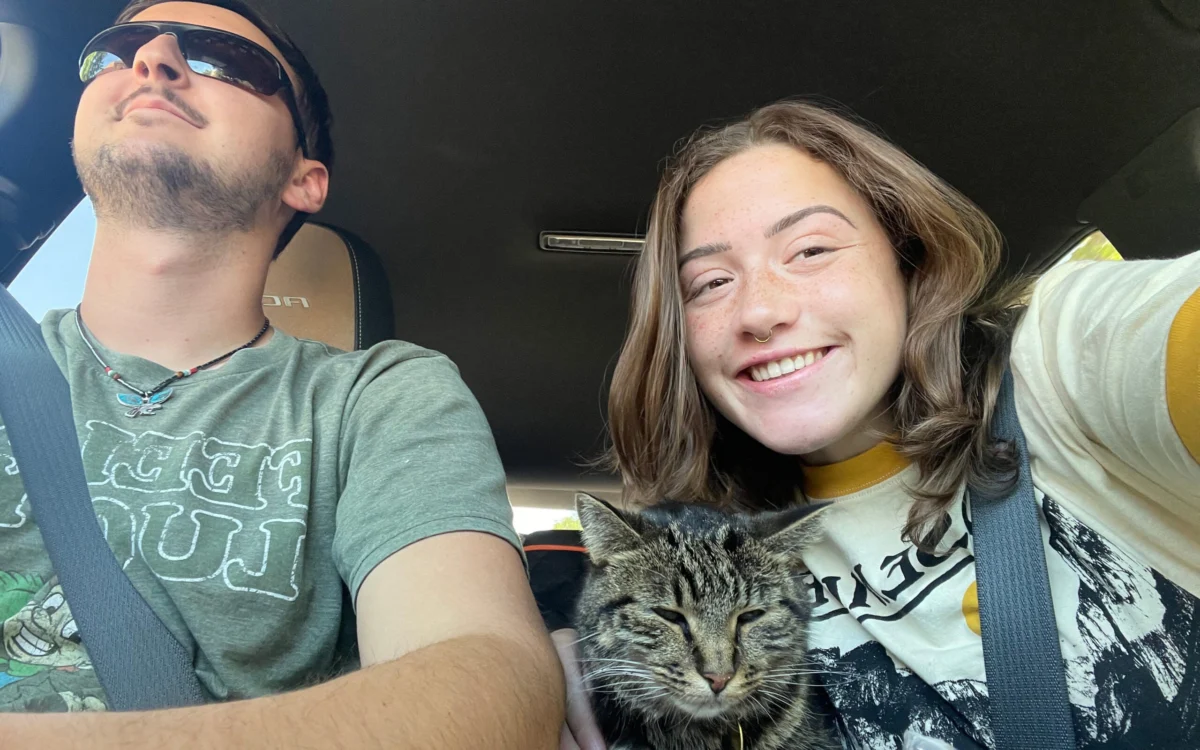
The survival of a domesticated animal in the unforgiving backcountry of the American West is a rare occurrence that often defies biological expectations. On June 2, 2026, a three-year-old house cat named Fridge escaped from her owners’ tent at a campground situated near Great Sand Dunes National Park and Preserve in southern Colorado. For the following 39 days, the feline navigated a landscape defined by extreme temperature fluctuations, scarce water sources, and an array of apex predators. The story of her disappearance and subsequent recovery on July 11 has captivated animal behaviorists and outdoor enthusiasts alike, offering a profound look at the resilience of domesticated species and the environmental challenges of the San Luis Valley.
The Disappearance: A Critical Lapse in the Backcountry
The incident began during what was intended to be a routine stop for Na-Kee Bullen and Jefferson Howard. The couple, residents of Minnesota, were in the final stages of a cross-country drive from California when they decided to camp near the iconic sand dunes of Colorado. According to Bullen, she awoke at approximately 5:30 A.M. to discover that the tent’s zipper had been partially compromised. While their older cat, Louis, remained nearby, Fridge had vanished into the high-desert scrub.
The initial response was immediate and frantic. Bullen and Howard spent eight hours scouring the immediate vicinity, deploying high-value treats and vocal calls to lure the cat back. Despite their efforts and an attempt to secure additional nights at the fully booked campground, the couple was eventually forced to make a harrowing decision. After posting flyers and alerting the local animal shelter in the San Luis Valley, they began the 1,000-mile journey back to Minnesota, grieving a pet they presumed was lost to the elements.
Environmental Context: The Perils of the San Luis Valley
To understand the gravity of Fridge’s 39-day ordeal, one must consider the geography of Great Sand Dunes National Park. The area is a high-altitude desert, with the valley floor sitting at approximately 7,500 feet above sea level. During the month of June and early July, daytime temperatures frequently soar into the high 80s and low 90s Fahrenheit, while nighttime temperatures can drop precipitously.
The terrain is a mosaic of massive sand dunes, grasslands, and pinyon-juniper woodlands. For a domesticated cat accustomed to the climate-controlled environment of a Minnesota home, the lack of standing water is the primary threat. While Medano Creek flows near the dunes, it often recedes in early summer, forcing wildlife to rely on smaller, hidden springs or the moisture found within prey.
Furthermore, the park is home to a robust population of predators. National Park Service (NPS) data confirms the presence of coyotes, mountain lions, American black bears, bobcats, and golden eagles—all of which view a small, eight-pound feline as a viable prey source. "The entire world is against you right now," Bullen remarked, reflecting on the realization that her cat was at the bottom of a very dangerous food chain.
The Recovery: A 16-Hour Race Against Time
The trajectory of the story shifted on July 11, when Howard received a call from a local animal shelter in the San Luis Valley. A resident had discovered a frail cat and brought her to the facility, where staff were able to match the animal to the missing pet reports filed five weeks earlier.
Upon receiving the news, Bullen, a tattoo artist, immediately suspended her professional obligations and embarked on a 16-hour solo drive from Minnesota to Colorado. She arrived at the shelter doors before they opened the following morning. The reunion confirmed the physical toll of the wilderness: Fridge, who previously weighed between eight and nine pounds, had lost over 30 percent of her body mass, weighing in at under six pounds. Her paws were scarred, her claws were worn to the quick, and evidence of the struggle for survival was visible in the dried blood of prey found beneath her nails.
Biological Analysis: How an Indoor Cat Survives the Wild
The survival of Fridge raises significant questions regarding feline instinct. Domestic cats (Felis catus) are descendants of the Near Eastern wildcat and retain highly developed predatory behaviors. Even those raised entirely indoors possess the physiological hardware required for hunting.
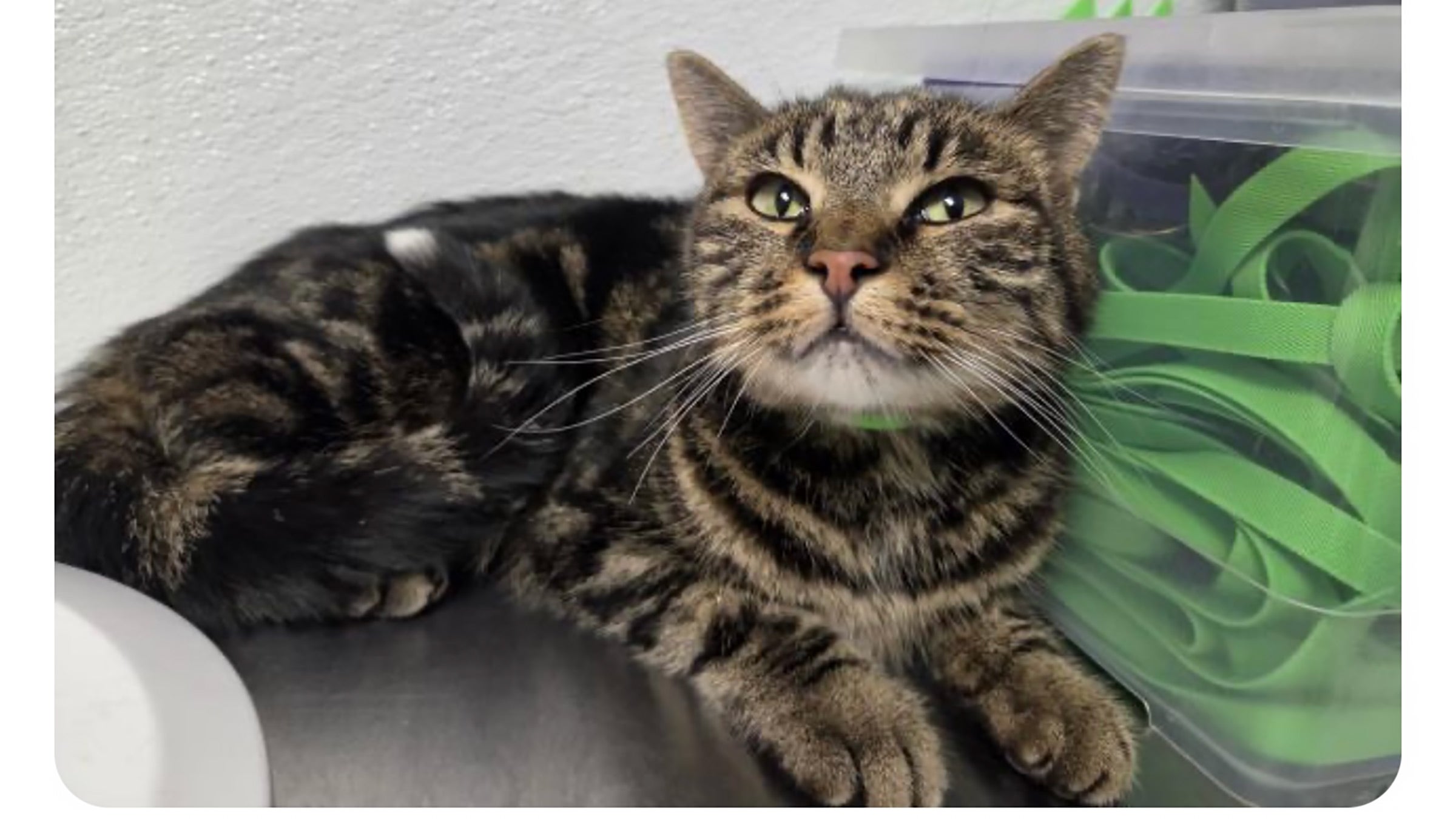
A 2023 study published in Nature Communications highlighted the extraordinary dietary breadth of free-ranging cats, noting they consume over 2,000 different species. In the San Luis Valley, this likely included a diet of small rodents such as deer mice and kangaroo rats, as well as various lizards.
Supporting data from a 2026 follow-up study suggests that insects play a crucial role in feline survival when larger prey is scarce. In the Great Sand Dunes ecosystem, there are over 1,000 known species of arthropods. This includes five endemic species of beetles, such as the Great Sand Dunes tiger beetle. These "crunchy bugs" are high in protein and can provide essential moisture. Veterinary examinations of Fridge suggested she had been hunting actively, likely targeting mice and perhaps small rabbits to sustain herself through the five-week period.
Comparative Survival: The Case of Bones on I-70
Fridge’s story is not an isolated instance of feline resilience in Colorado this summer. On the same day Fridge was identified at the shelter, another cat named Bones made headlines in the state. Bones, a seven-year-old cat from Denver, jumped from a moving truck on Interstate 70 near the Eisenhower-Johnson Memorial Tunnels.
The outcome for Bones, however, was aided by modern technology. Unlike Fridge, Bones was wearing an Apple AirTag. This allowed his owners and the Colorado Department of Transportation (CDOT) to pinpoint his location within the hazardous mountain corridor. CDOT took the unusual step of briefly halting highway traffic to facilitate a safe rescue. The contrast between the two cases underscores a growing consensus among pet owners and recovery experts: while instinct may keep an animal alive, technology is often the key to a swift reunion.
Chronology of Events: The Fridge Survival Timeline
- June 2, 5:30 A.M.: Fridge escapes the tent at a campground near Great Sand Dunes National Park.
- June 2, 6:00 A.M. – 2:00 P.M.: Owners conduct an intensive ground search; no sightings reported.
- June 3: Bullen and Howard depart for Minnesota after notifying local authorities and shelters.
- June 4 – July 10: Fridge remains missing in the backcountry, enduring high-altitude summer conditions and avoiding local predators.
- July 11, Morning: A local citizen finds Fridge and transports her to a San Luis Valley animal shelter.
- July 11, Afternoon: Howard and Bullen receive the notification; Bullen begins the drive from Minnesota.
- July 12, Morning: Bullen is reunited with Fridge at the shelter and seeks immediate veterinary care.
Implications for Pet Owners and Wildlife Management
The survival of Fridge serves as a cautionary tale for the increasing number of "adventure cat" owners who take their pets into wilderness areas. While the "domesticated" label implies a certain level of helplessness, Fridge’s ordeal proves that the predatory drive remains intact. However, the physical trauma she sustained—scarred paws and extreme weight loss—highlights the immense stress these events place on the animal.
Bullen has stated that any future excursions will involve stricter protocols, including the mandatory use of GPS tracking collars (like AirTags) and ensuring cats remain in harnesses even while sleeping in tents.
From an ecological perspective, the presence of domestic cats in national parks is a point of concern for conservationists. Cats are considered an invasive species that can disrupt local bird and small mammal populations. While Fridge’s survival is a triumph for her owners, it also serves as a reminder of the impact a single feline can have on a sensitive ecosystem during a 39-day stint in the wild.
Current Status and Recovery
Back in the safety of her Minnesota home, Fridge is reportedly recovering well, though her behavior has shifted. Bullen notes that the cat has become significantly more "food-driven," a common psychological lingering effect of prolonged starvation. "She’ll jump up on the counter as you’re cutting chicken and steal a chicken breast and take off with it," Bullen said.
The story of Fridge is a rare data point in the study of domestic animal survival. It confirms that under the right—or perhaps the most desperate—circumstances, the gap between a house cat and its wild ancestors is remarkably thin. As Fridge continues her recovery, she stands as a testament to the endurance of the feline spirit and a reminder to all travelers of the unpredictable nature of the American backcountry.




 Chandra Hamzah
 Tatiana Tantri Indah Sari
 Budi Mulyono
 Lukman Taruna Persada Ramadan