
 Budi Mulyono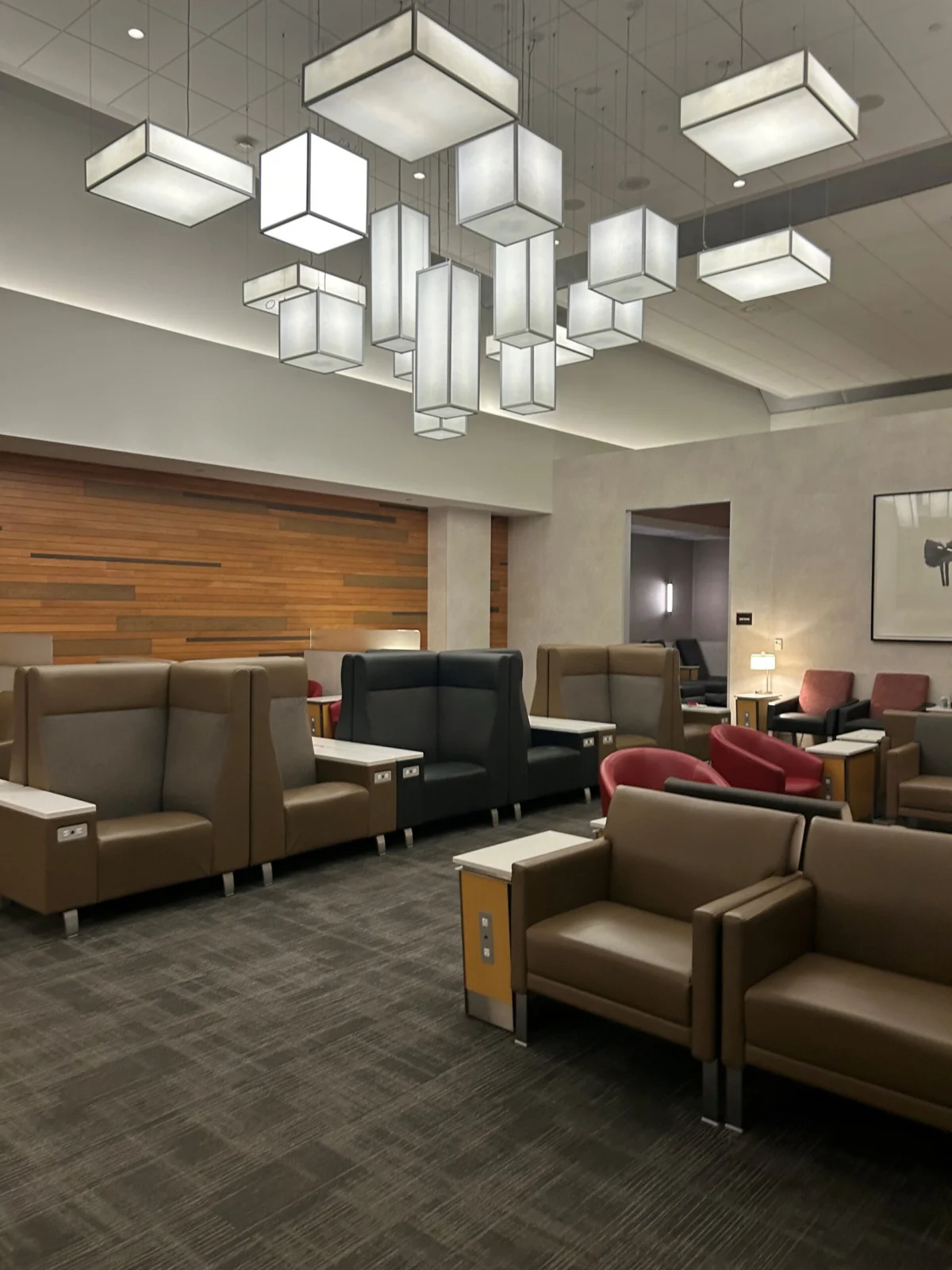
The American Airlines Flagship Lounge located in Terminal D of Dallas/Fort Worth International Airport (DFW) represents a critical component of the carrier’s strategy to capture the premium international and transcontinental market. Situated in one of the most modern and aesthetically praised terminals in the United States, the lounge serves as an elevated alternative to the standard Admirals Club. As of July 19, 2026, the facility continues to play a pivotal role in American Airlines’ hub operations, offering a refined environment for qualifying passengers navigating one of the world’s busiest aviation gateways.
The Strategic Positioning of the Flagship Lounge at DFW
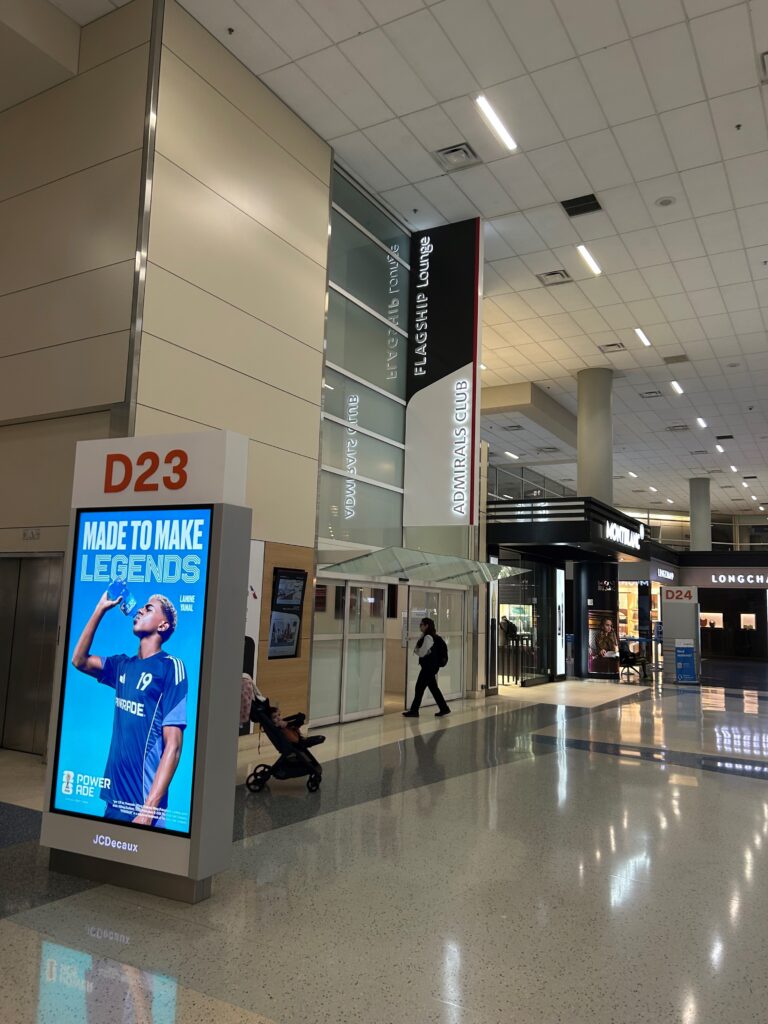
Terminal D at DFW is the primary international artery for American Airlines, hosting long-haul flights to Europe, Asia, and South America. The Flagship Lounge is positioned near Gate D23, a high-traffic area that ensures convenience for passengers departing on wide-body aircraft. Historically, the entry to this lounge was shared with the nearby Capital One Lounge, but a reconfiguration has since streamlined the process. Currently, the entry point is shared with a traditional Admirals Club, creating a tiered experience that begins at the threshold.
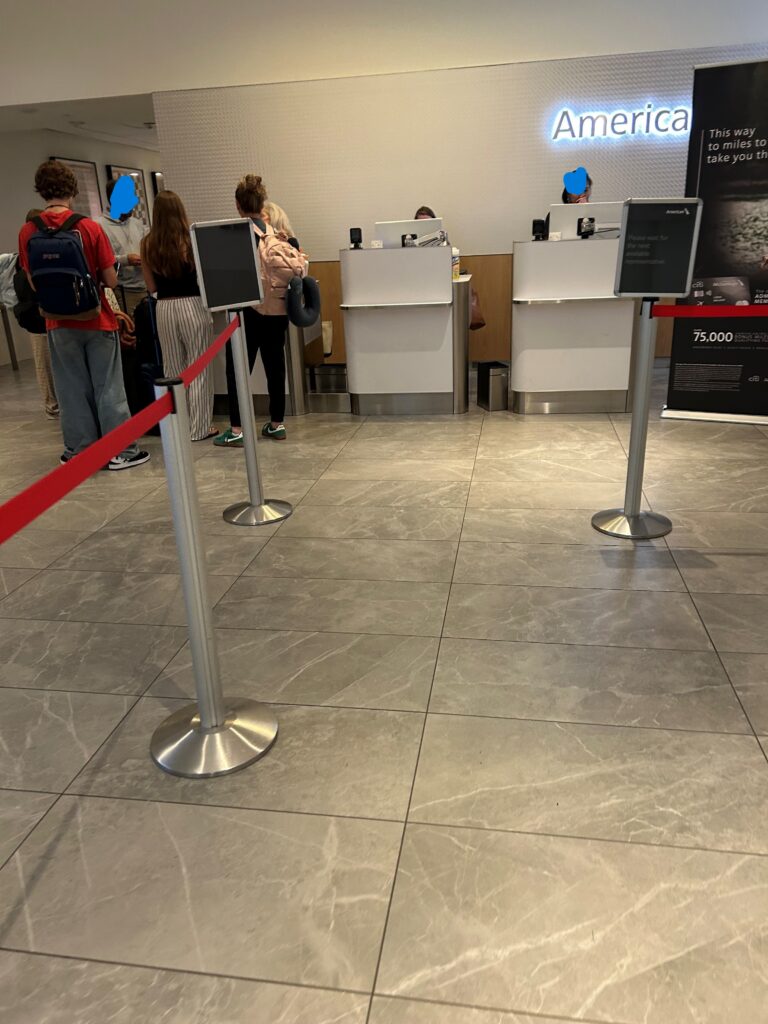
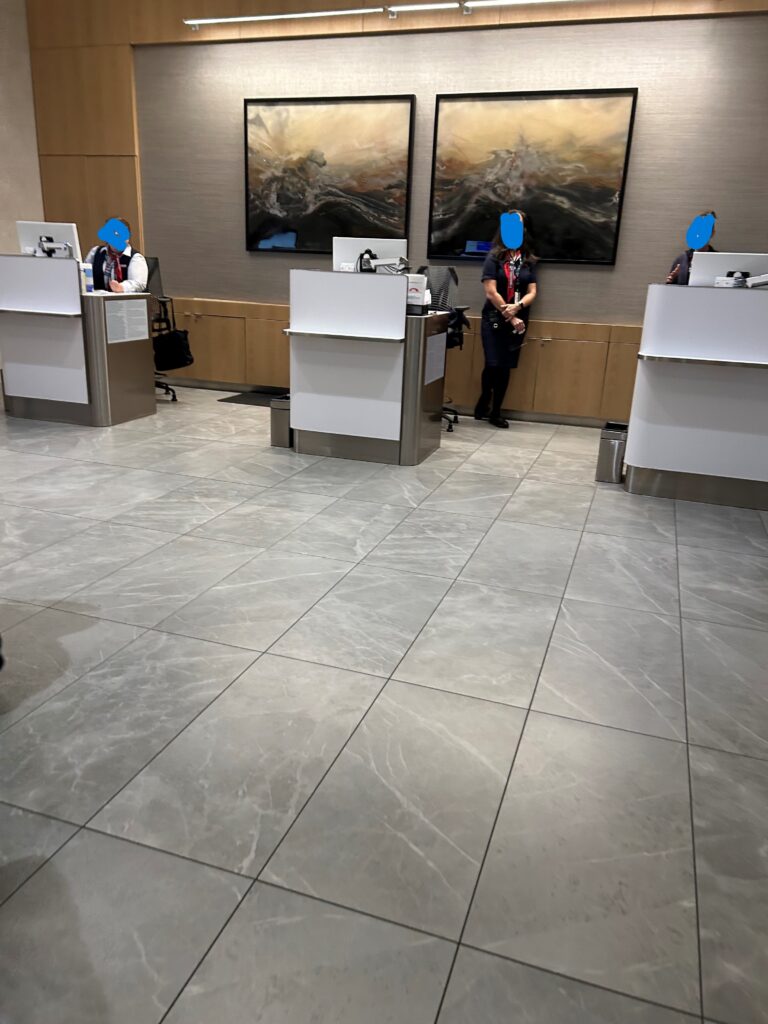
Upon arrival, guests are met with a reception desk that many frequent travelers describe as utilitarian. The design at the street level—or in this case, the concourse level—offers few visual cues that an elevated premium experience awaits. After credentials are verified or a one-time access pass is purchased, guests must ascend one floor via elevator. This transition serves as a physical separator from the bustling terminal below. On the upper level, a secondary reception desk further filters guests: the Flagship Lounge entrance is located to the right, while the standard Admirals Club is situated to the left.
Architectural Layout and Interior Design
The Flagship Lounge is characterized by its linear architectural footprint. It consists of a singular, expansive room that runs parallel to the terminal’s glass facade, offering panoramic views of the DFW tarmac. These floor-to-ceiling windows provide natural light and a front-row seat to the airport’s heavy-metal operations, a feature highly valued by aviation enthusiasts and business travelers alike.
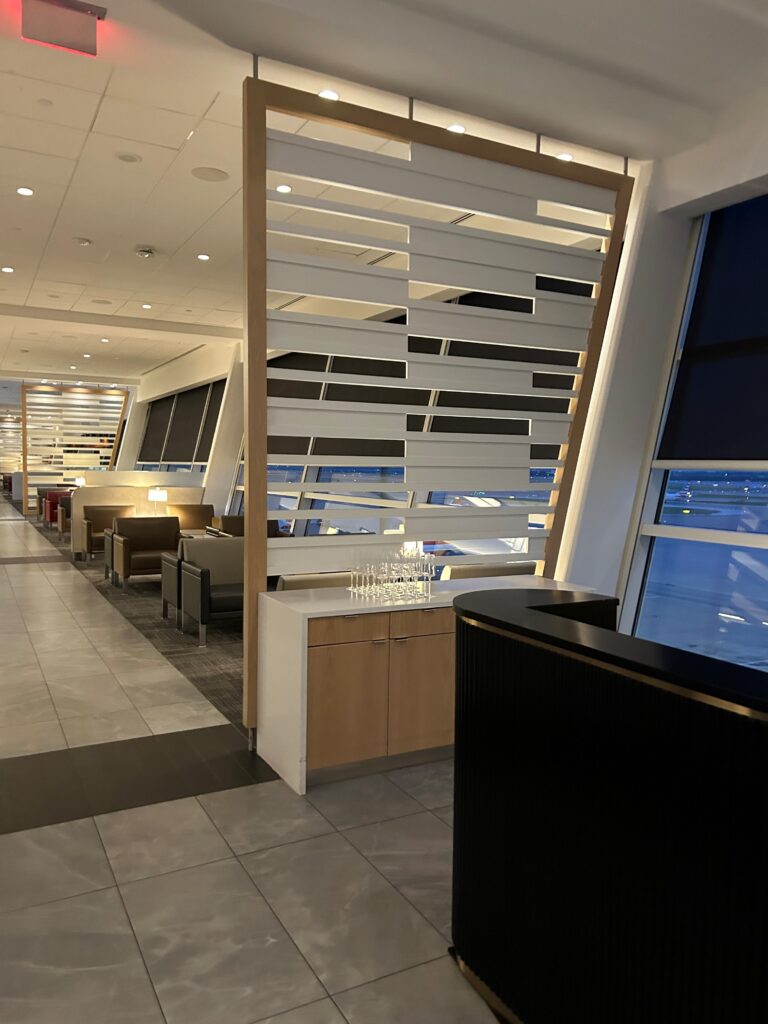
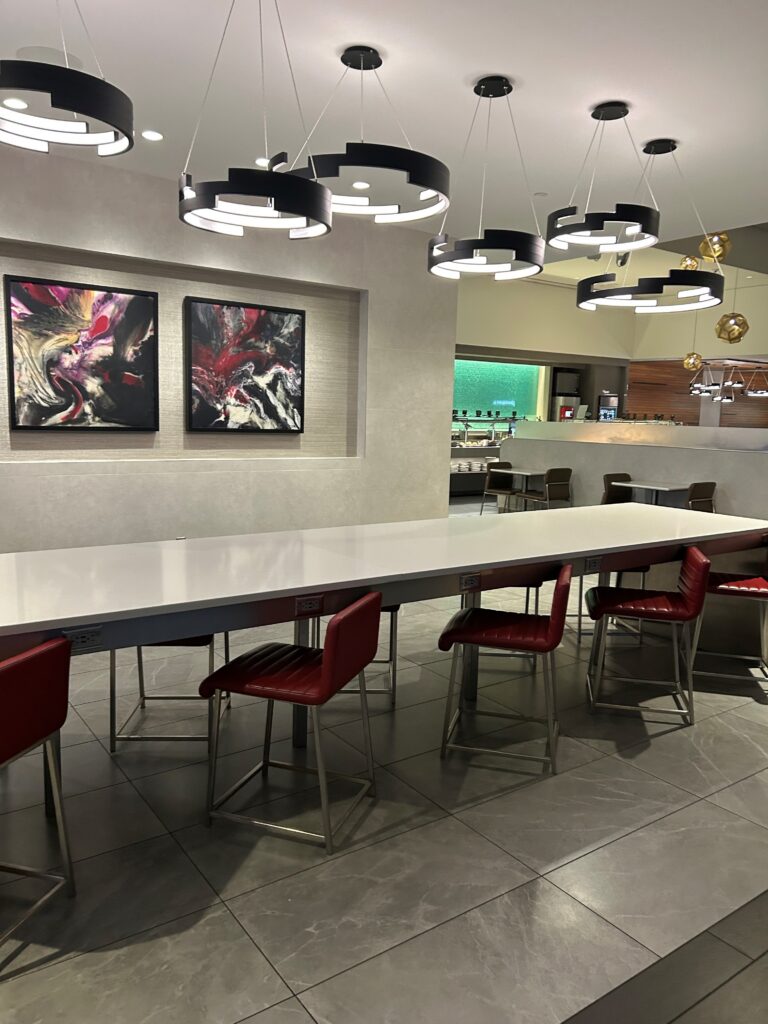
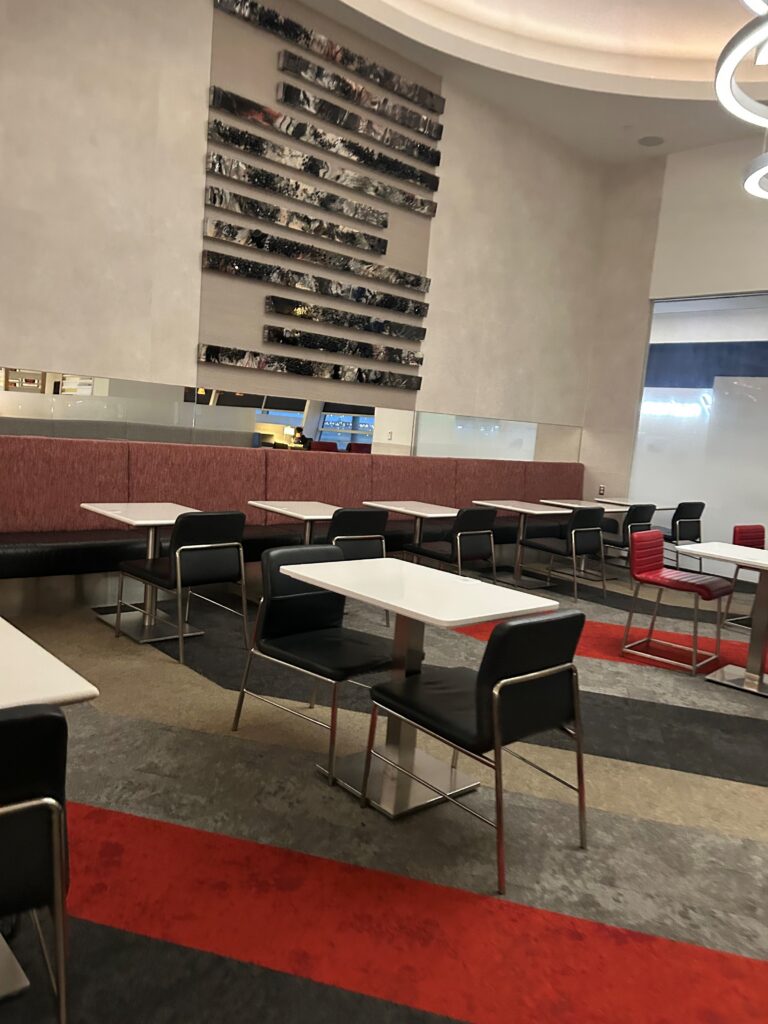
To mitigate the potential "bowling alley" effect of such a long space, designers utilized decorative partitions and varied furniture groupings to create distinct zones. The use of wood accents throughout the lounge provides a sense of warmth, intended to contrast with the sterile, metallic environment of the airport terminal. However, industry analysts and frequent flyers have noted that the decor, while sophisticated, bears a striking resemblance to the newest generation of Admirals Clubs, such as those found at New York’s LaGuardia (LGA) and Boston Logan (BOS). This lack of visual differentiation has led to critiques that the Flagship brand lacks a unique aesthetic identity compared to its competitors.
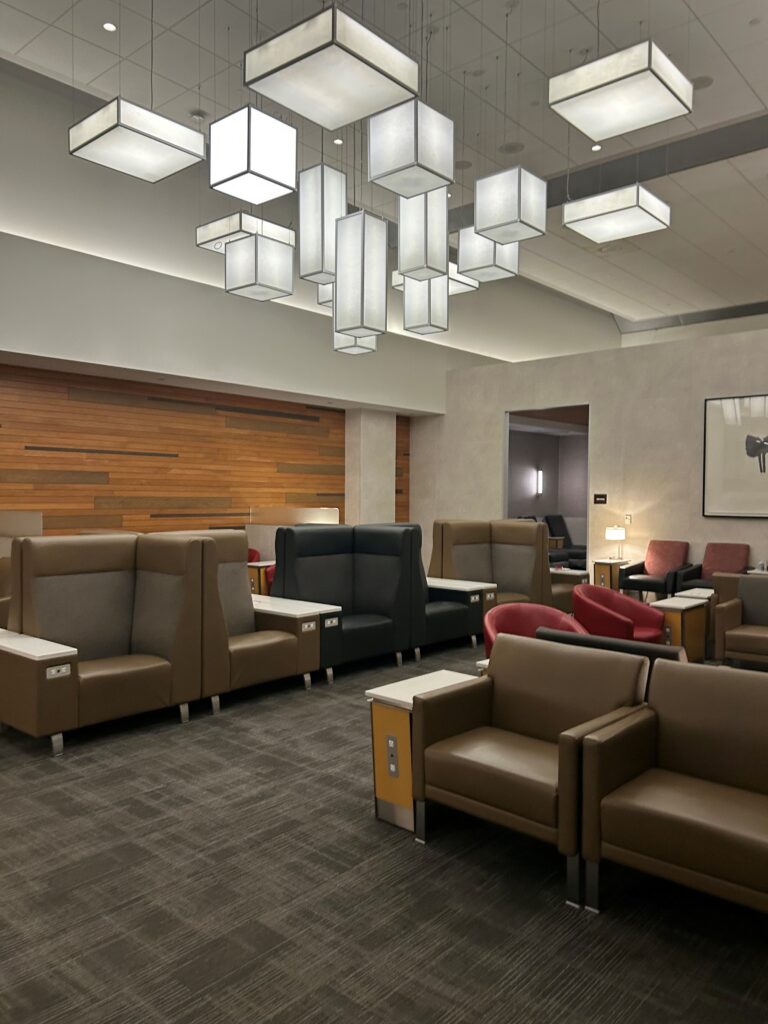
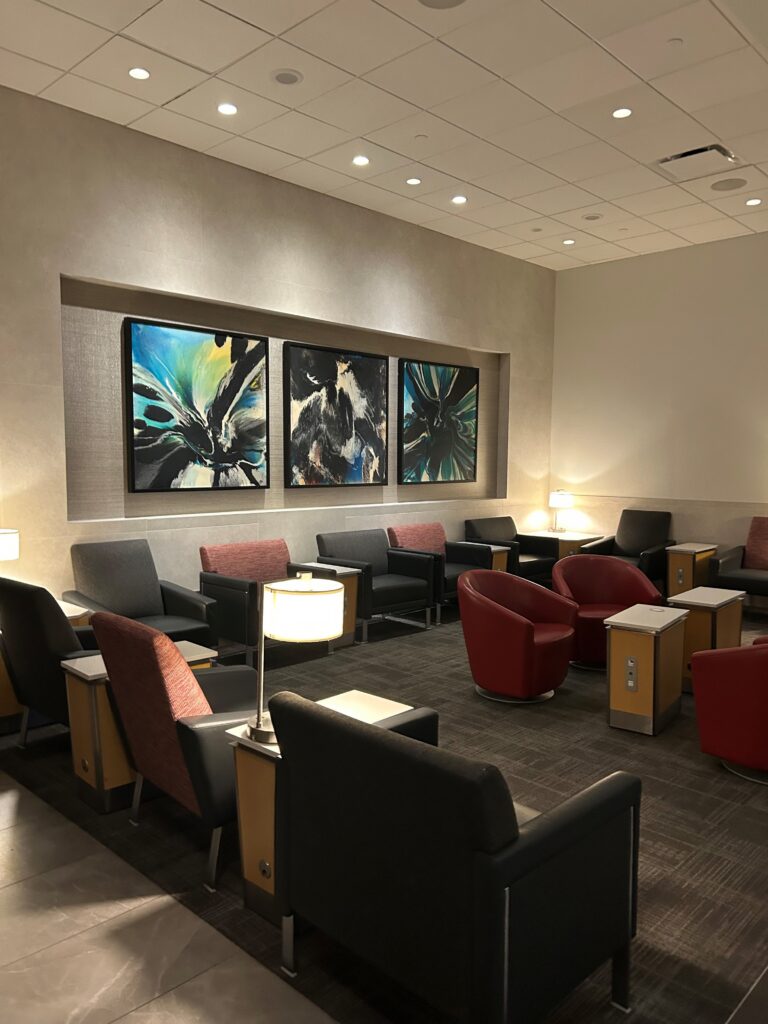
The seating arrangements are notably diverse, catering to a range of passenger needs:
- Traditional Lounge Seating: Groups of plush armchairs arranged for conversation.
- Dining Tables: Located in close proximity to the buffet for convenience.
- High-Top Tables: Suited for solo travelers or those wishing to stay upright while working.
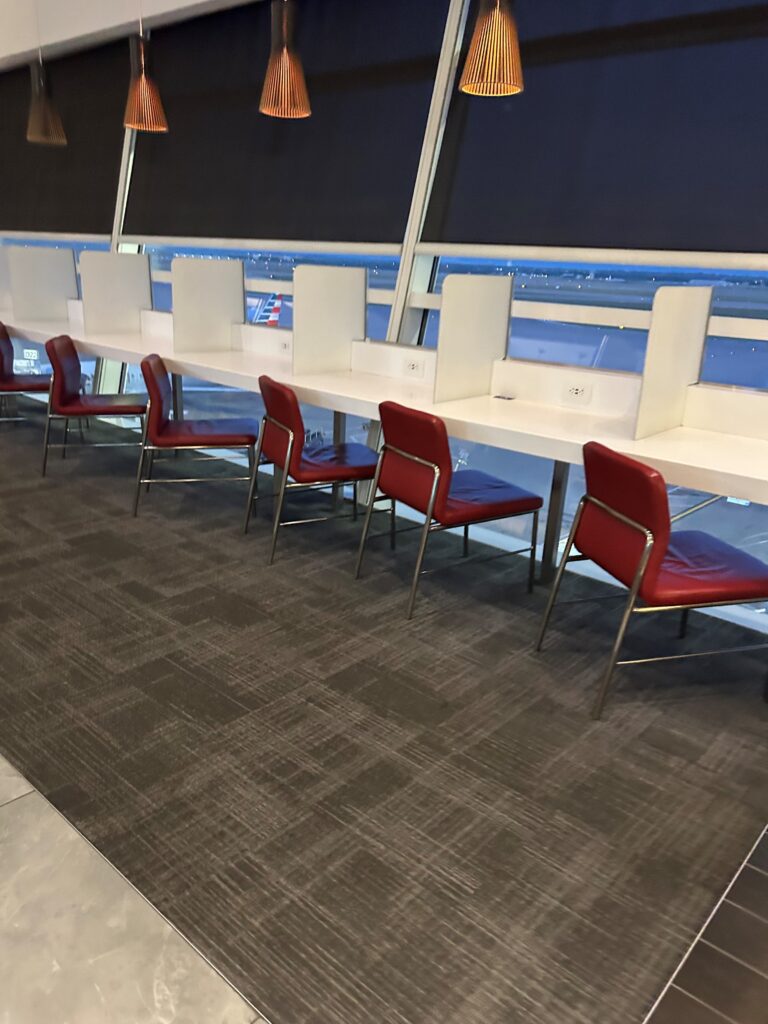
- Semi-Private Workstations: Designed for business travelers requiring focus and productivity.
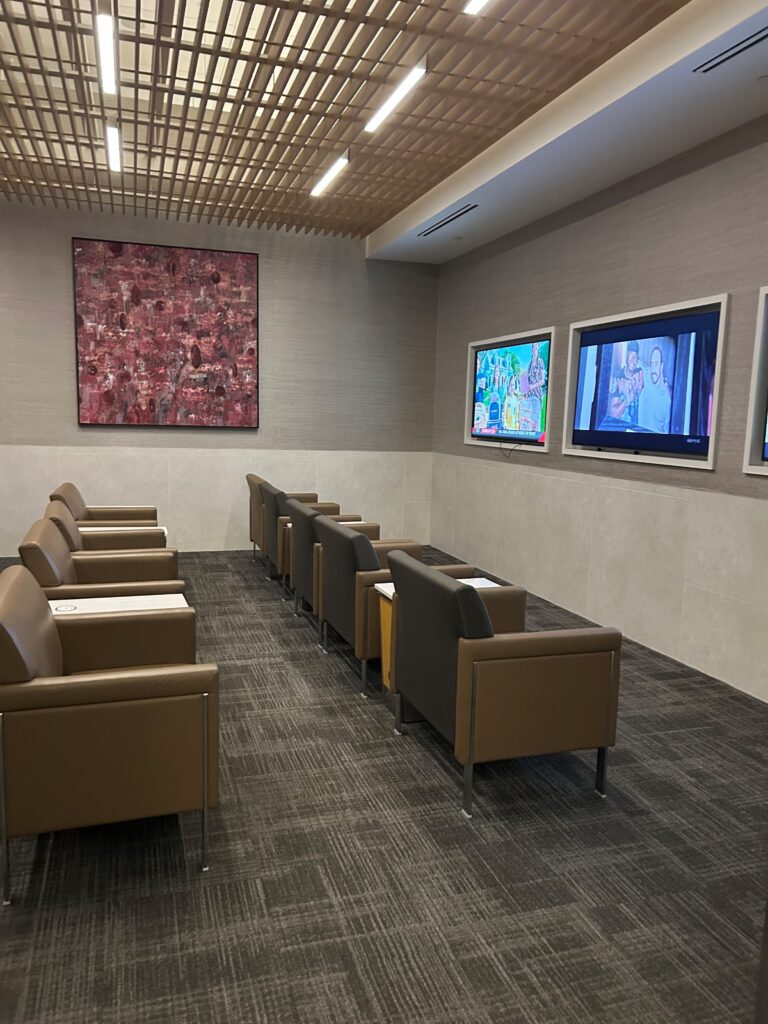
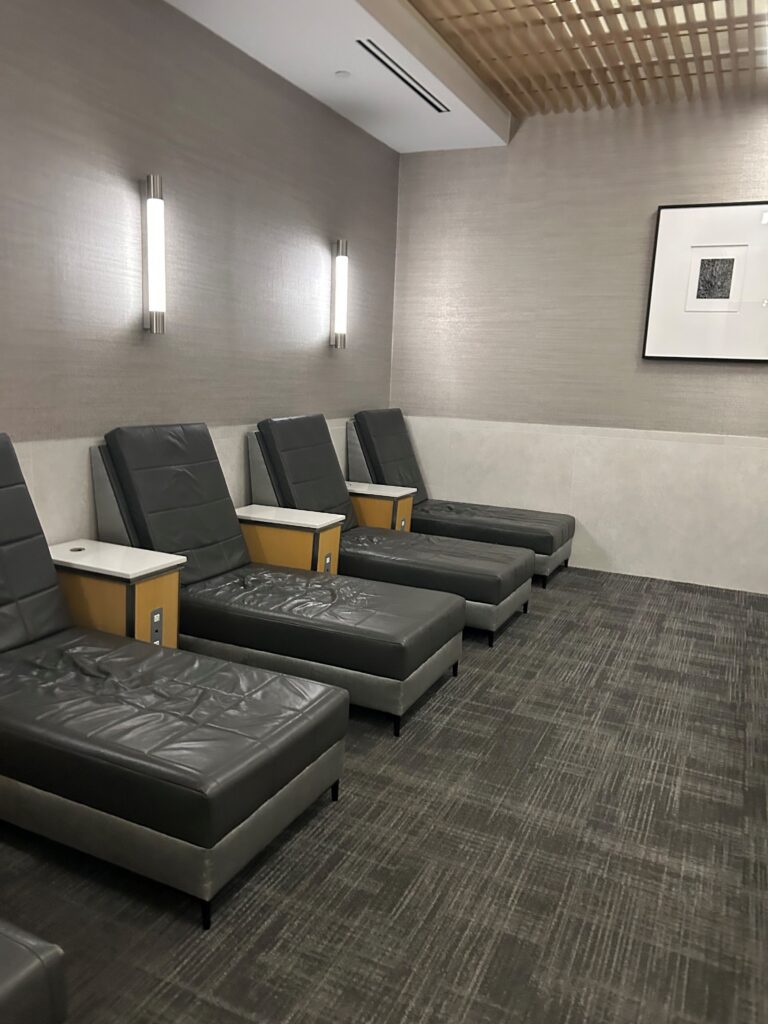
- Quiet and Media Rooms: A dedicated television room and a "quiet zone" featuring recliners provide spaces for relaxation, though these lack the full privacy of the nap pods found in United Airlines’ Polaris Lounges.
Culinary Excellence and the Open Cooking Station
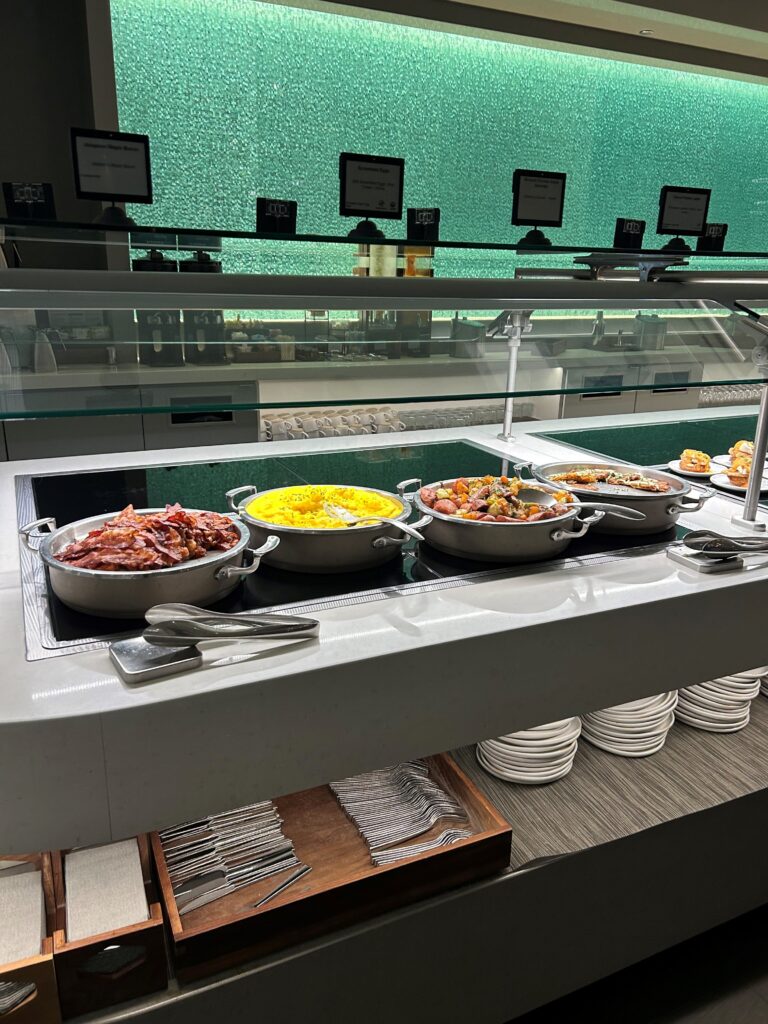
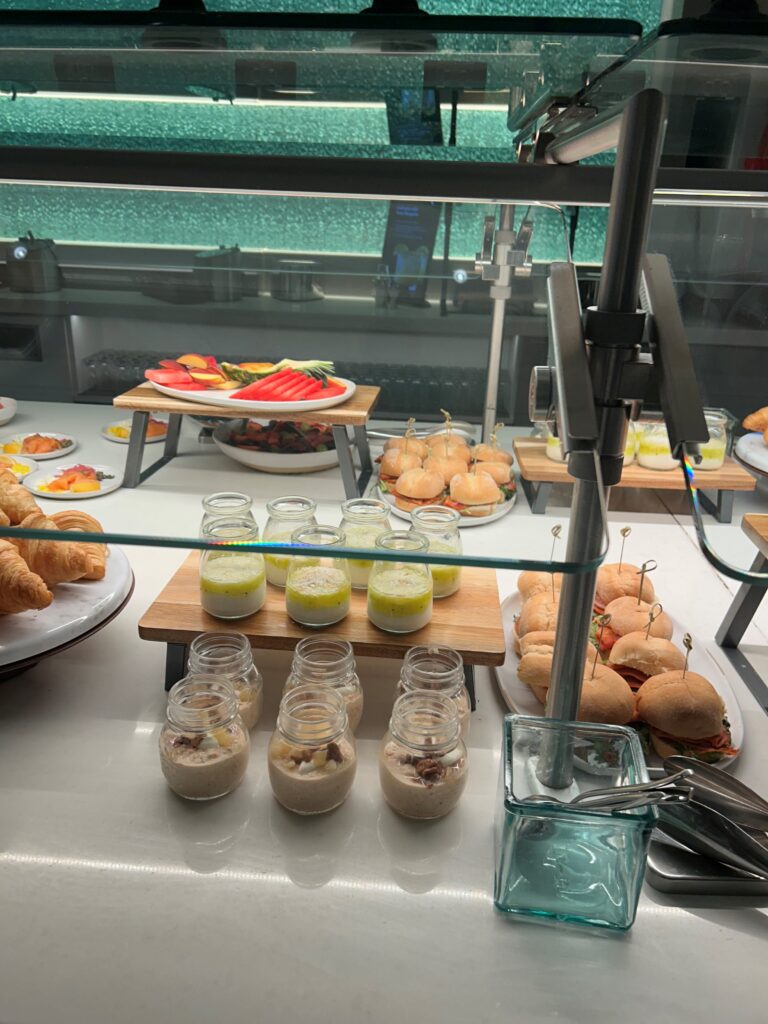
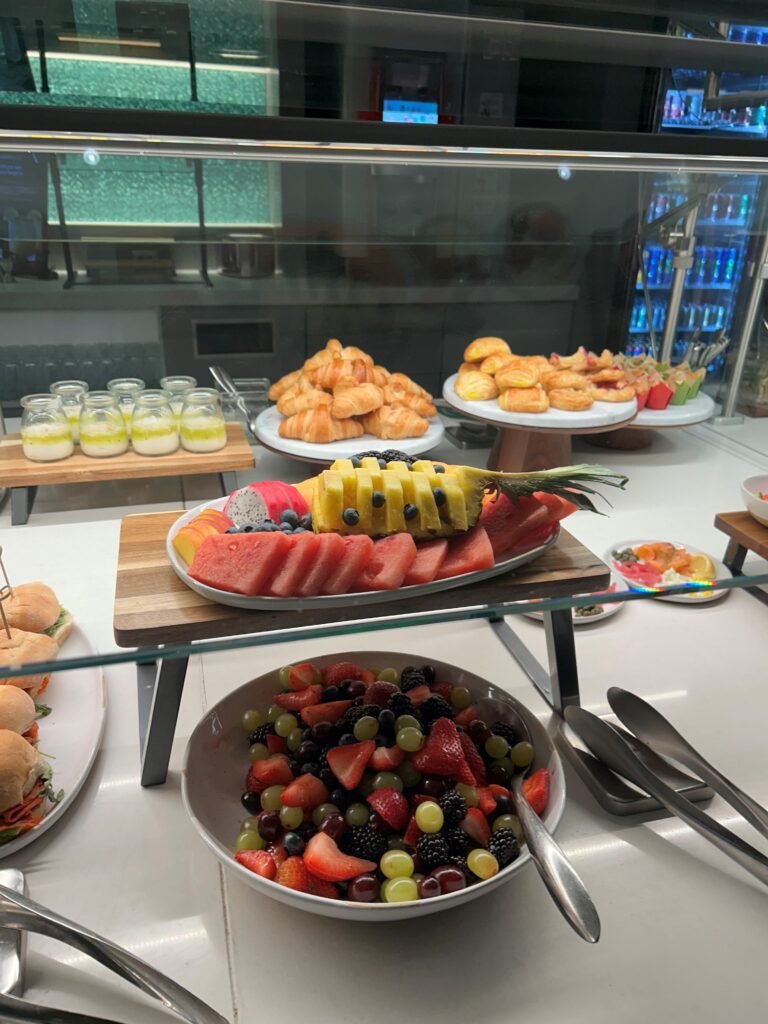
The culinary program is often cited as the primary differentiator between the Flagship Lounge and the standard Admirals Club. On July 19, 2026, the breakfast service showcased a robust array of options that exceeded the typical "continental" fare found in domestic lounges.
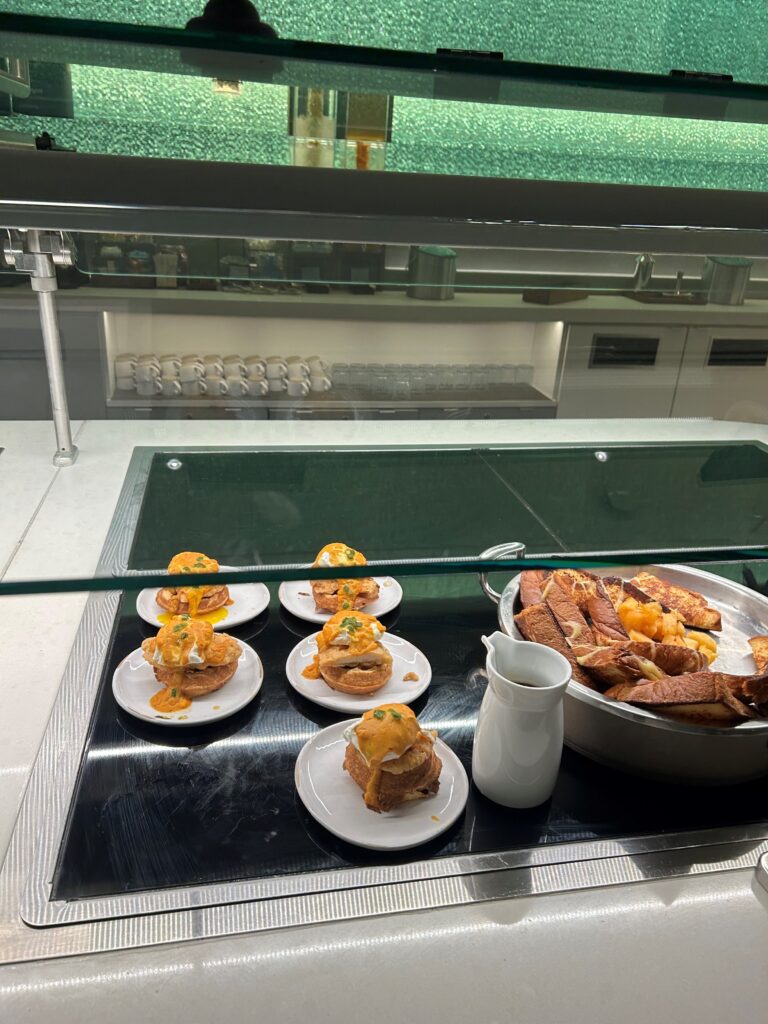
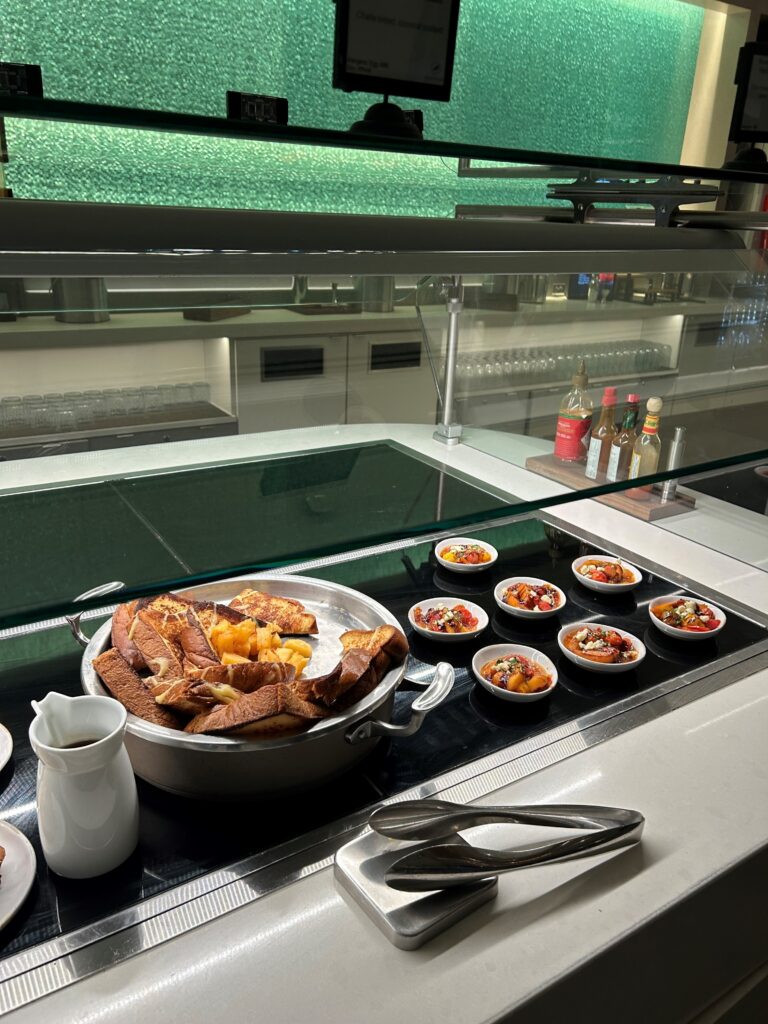
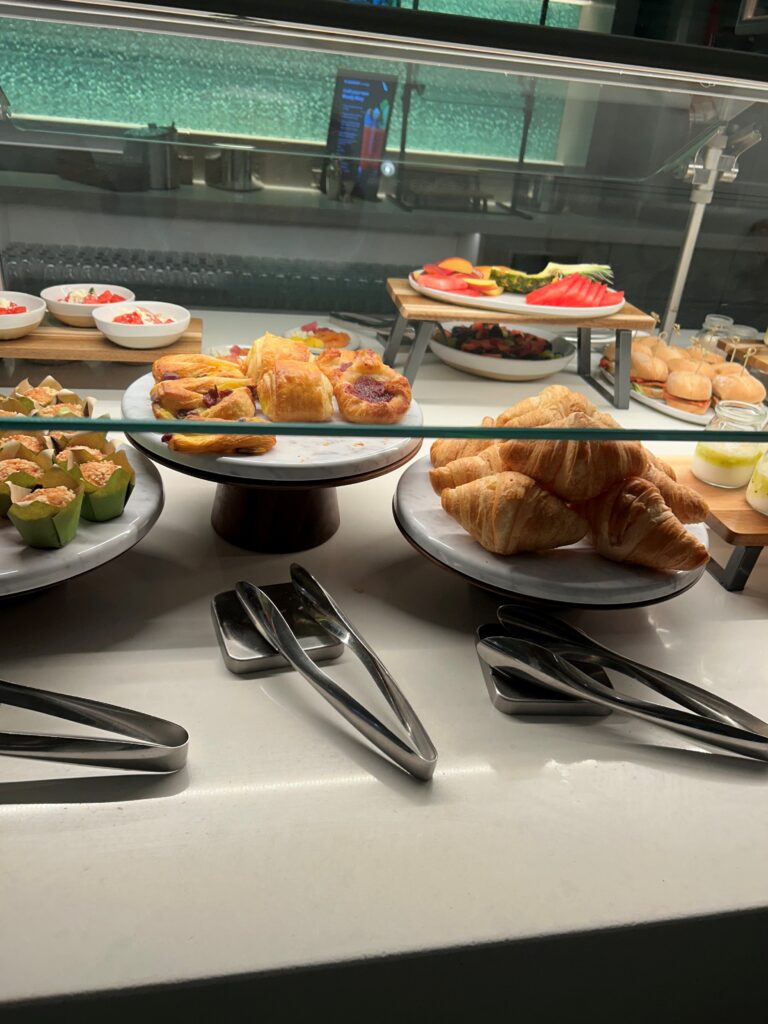
The buffet featured an extensive selection of hot and cold items, including:
- Scrambled eggs and protein options such as bacon and breakfast potatoes.
- Regional and specialty items, including latkes and a spicy chicken poached egg waffle.
- Sweet options like French toast and poached peaches.
- Health-conscious choices, including overnight oats, yogurt parfaits, fresh fruit, and muffins.
A significant highlight of the dining experience is the open cooking station. Live culinary interaction is a hallmark of premium ground experiences, and at DFW, this manifests as a custom omelet station. Guests can order scrambled egg whites with fresh ingredients such as spinach, onions, and bacon, prepared to order by a chef. Adjacent to this station, a noodle and broth bar offers a savory, customizable alternative, catering to the diverse palates of international travelers.
Beverage Program and Self-Service Logistics
The beverage program in the Flagship Lounge follows a self-service model, which offers both advantages and drawbacks depending on passenger preference. Two primary soft drink areas are available—one near the entrance and another adjacent to the buffet. These stations are equipped with refrigerators containing bottled and canned beverages, as well as Coca-Cola Freestyle machines for a wide variety of soda combinations. High-end coffee services are provided by Lavazza, supplemented by espresso machines, a variety of teas, and infused water stations.
The alcoholic beverage selection is extensive but subject to local regulations. On Sundays, for example, spirits and wine are not made available until 10:00 AM. Once open, the lounge offers a full complement of liquors, allowing guests to craft their own cocktails, such as Bloody Marys or Margaritas. While the self-serve nature allows for speed and customization, the lack of a manned bar in the main Flagship area—unlike the exclusive "Flagship First Dining" section—remains a point of contention for those who prefer the service of a professional mixologist.
Wellness and Connectivity
For travelers on long layovers or those arriving from international red-eyes, the lounge provides several well-appointed shower suites. These facilities are frequently praised for their cleanliness and high water pressure, offering a necessary respite from the heat and humidity often associated with the North Texas climate.
In terms of connectivity, American Airlines continues to lead in providing reliable infrastructure for the modern "digital nomad." The lounge features:
- High-Speed Internet: Password-protected Wi-Fi that consistently delivers speeds suitable for video conferencing and large file transfers.
- Power Accessibility: An abundance of power outlets and USB ports integrated into nearly every seating area, ensuring that devices remain charged prior to long-haul flights.
- Communal Restrooms: Modern, well-maintained facilities that align with the premium nature of the space.
Comparative Analysis: Flagship vs. Polaris vs. Delta One
To understand the impact of the DFW Flagship Lounge, it must be viewed within the context of the "Big Three" US carriers’ premium offerings.
- United Polaris: Generally regarded as the gold standard for business class lounges in the US, Polaris offers a more exclusive atmosphere, better privacy for sleeping, and sit-down dining for all eligible passengers.
- Delta One Lounges: As Delta rolls out its dedicated Delta One lounge network, the emphasis is on a "high-touch" luxury experience that often feels more like a boutique hotel than an airport terminal.
- American Flagship: This product nails the "elevated basics." It provides significantly better food and more space than a standard lounge, but it stops short of being a "destination" in itself. The most premium features, such as sit-down dining and a manned bar, are walled off within the "Flagship First" section, which is restricted to a very small subset of passengers.
Industry Implications and Future Outlook
The existence of the Flagship Lounge at DFW is a testament to the ongoing "amenities war" between global airlines. By offering paid access to domestic passengers—a complex set of rules that allows travelers to "buy up" into the lounge—American Airlines has successfully monetized its ground experience while maintaining a veneer of exclusivity for its international business class travelers.
However, as American Airlines begins to retrofit its Boeing 787-8 fleet and takes delivery of new Airbus A321XLR aircraft, the demand for these lounges is expected to rise. The carrier’s move toward a more consistent wide-body premium product, including the introduction of "Flagship Suites," will necessitate continued investment in ground facilities to ensure the end-to-end journey remains competitive.
Final Summary of the DFW Flagship Experience
The American Airlines Flagship Lounge at DFW Terminal D remains an "awesome" facility that effectively serves the needs of the modern premium traveler. Its strengths lie in its varied seating, excellent tarmac views, and a superior culinary program highlighted by the live cooking station. The staff is frequently noted for embodying "Texas friendliness," providing a welcoming atmosphere in an otherwise high-stress environment.
While the lounge may lack the "wow factor" or the sheer elegance of some international competitors, it provides a reliable, high-quality sanctuary for those departing from Dallas. For the domestic passenger willing to pay for access, or the international traveler beginning a journey to London or Tokyo, the Flagship Lounge represents the best of what American Airlines offers to the bulk of its premium cabin. As the aviation industry moves further into 2026, the focus for American will likely remain on refining these spaces to ensure they don’t just feel like "nicer Admirals Clubs," but rather true flagship destinations.




 Anjar Salim
 Chandra Hamzah
 Tatiana Tantri Indah Sari

