
 Cholid Fahmi Thalib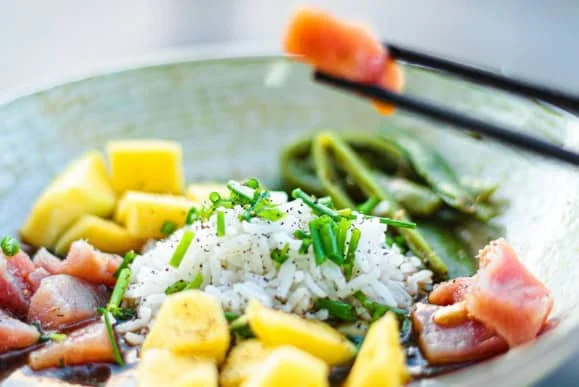
Islands represent some of the planet’s most unique and captivating destinations, offering a distinctive blend of isolated charm and thriving, often endemic, ecosystems. For a growing segment of travelers, particularly those identified as "foodie flashpackers," these isolated enclaves are becoming synonymous with extraordinary culinary experiences. The inherent isolation of islands often fosters self-sufficiency and a deep connection to local resources, leading to vibrant food cultures that reflect both the natural abundance and the historical influences of their respective regions. From the sun-drenched beaches of the Caribbean to the remote archipelagos of the Pacific, a world of exceptional dining awaits, promising memorable meals that will undoubtedly beckon travelers to return.
The appeal of island cuisine lies in its direct connection to the environment. Freshly caught seafood, harvested tropical fruits at their peak ripeness, and traditional recipes passed down through generations form the bedrock of these culinary traditions. This reliance on hyper-local ingredients not only ensures superior taste and quality but also offers a profound way for travelers to connect with the culture and lifestyle of their destination. The following exploration delves into several island regions renowned for their distinctive and unforgettable gastronomic offerings, highlighting the diversity and richness of flavors found across the globe.
Caribbean Delights: A Symphony of Spices and Seafood
The Caribbean islands are celebrated globally for their vibrant and complex culinary landscape, a direct result of a rich historical tapestry woven from African, Indigenous Taíno, and European (Spanish, French, British) influences. This cultural fusion has given rise to a cuisine characterized by bold, often spicy, flavors and an abundant use of fresh, local ingredients. Iconic dishes such as Jamaica’s fiery jerk chicken, the Bahamas’ crispy conch fritters, and Barbados’ savory curry goat are testaments to the region’s dynamic culinary heritage.
The cornerstone of Caribbean cuisine is its unwavering commitment to utilizing the freshest possible ingredients. Seafood, naturally, plays a starring role. Fish and shellfish are frequently brought ashore on the same day they are caught, often prepared with aromatic spices, herbs, and locally grown vegetables. Destinations like Jamaica and the Turks and Caicos offer unparalleled opportunities to savor ocean-fresh lobster, snapper, and shrimp. These preparations are typically executed using time-honored local techniques that emphasize a masterful balance of heat, sweetness, and herbaceous notes. For instance, the preparation of jerk involves marinating meats in a potent blend of Scotch bonnet peppers, allspice, thyme, and other aromatics, then slow-cooking them over pimento wood, imparting a distinctive smoky flavor.
Beyond seafood, the islands boast a wealth of tropical produce. Mangoes, papayas, breadfruit, and plantains are staples, finding their way into both savory dishes and sweet desserts. Rice and peas, a side dish of rice cooked with kidney beans and coconut milk, is a ubiquitous accompaniment, providing a comforting and flavorful base for many meals. The economic impact of this reliance on fresh, local produce is significant, supporting local farmers and fishermen and contributing to the sustainability of island communities. Data from regional tourism boards consistently show that culinary experiences are a primary driver for visitor satisfaction and return trips, underscoring the economic importance of these vibrant food traditions.
Mediterranean Islands: The Essence of Simplicity and Sun-Kissed Flavors
The Mediterranean islands, including Sicily, Sardinia, and Crete, offer a culinary journey steeped in the traditions of Southern Europe. Their gastronomy is defined by an emphasis on exceptionally fresh produce, abundant seafood, and the quintessential Mediterranean staples: olives, cheese, and wine. The cooking philosophy here is one of elegant simplicity, allowing the inherent flavors of high-quality ingredients to shine. This approach is deeply rooted in the region’s agricultural bounty and a millennia-long history of cultural exchange that has shaped its unique identity.
Sicilian cuisine, for example, is a celebrated example of this philosophy. Iconic dishes like pasta alla Norma, featuring tender eggplant, a rich tomato sauce, and salty ricotta salata, highlight the island’s agricultural prowess. Sardinia, known for its rugged interior, boasts a hearty culinary tradition, with a focus on slow-cooked meats and distinct sheep’s milk cheeses, most notably Pecorino Sardo, which is integral to many of its savory dishes. On the Greek islands, such as Crete, the tradition of mezze – small plates meant for sharing – is paramount. Diners can expect an array of delights including creamy tzatziki, succulent grilled lamb, and a vibrant selection of seasonal vegetables, all drizzled with local olive oil.
The economic model of these islands often centers around agriculture and fishing, making the availability of fresh, seasonal ingredients a consistent advantage. The Mediterranean diet, widely recognized for its health benefits, is naturally embodied in the island cuisines, contributing to the longevity and well-being of their populations. Tourism statistics consistently show that food and wine experiences are a major draw for visitors to these regions, with many seeking authentic encounters with local culinary traditions. The direct sourcing of ingredients from local farms and fishing cooperatives not only guarantees freshness but also provides vital economic support to these communities, reinforcing the interconnectedness of food, culture, and local economies.
Southeast Asian Islands: A Tapestry of Tropical Aromas and Exotic Spices
Island destinations across Southeast Asia, including Bali, Phuket, and the islands of the Philippines, are vibrant epicenters of tropical flavors and exotic spices. The culinary heritage of this region is a complex tapestry, enriched by the interplay of indigenous traditions and influences from historical trade routes and colonial powers. This has resulted in a diverse array of dishes that are not only complex and multi-layered in flavor but also bursting with an invigorating sense of vitality.
In Bali, the Balinese suckling pig, or Babi Guling, stands out as a quintessential experience. This ceremonial dish, slow-roasted to perfection, is typically served with steamed rice, a medley of aromatic spices, and impossibly crispy skin that offers a delightful textural contrast. The flavors are a harmonious blend of savory, sweet, and a subtle peppery heat. Thailand’s islands are a paradise for lovers of bold flavors, offering world-renowned dishes such as pad Thai, a stir-fried noodle dish with a balance of sweet, sour, and savory notes, and the intensely aromatic Tom Yum soup, characterized by its hot and sour broth infused with lemongrass, galangal, and chili. Fresh seafood curries, enriched with creamy coconut milk, are another island specialty, showcasing the region’s abundant marine resources.
The Philippines presents its own unique culinary narrative. Adobo, a national dish, is a savory stew typically made with chicken or pork marinated and simmered in soy sauce, vinegar, garlic, and black peppercorns, creating a deeply flavorful and tender result. Fresh lumpia, Filipino spring rolls filled with a variety of savory vegetables and often ground meat, offer a lighter yet equally satisfying option. The economic landscape of these islands is deeply intertwined with their agricultural and fishing sectors, with many small businesses and family-run establishments specializing in traditional dishes. The global popularity of Southeast Asian street food and fine dining has further bolstered the culinary tourism sector, attracting millions of visitors annually who are eager to explore these rich and diverse flavor profiles. The emphasis on fresh herbs, spices, and locally sourced ingredients not only defines the cuisine but also plays a crucial role in supporting local economies and preserving cultural heritage.
The Galapagos Islands: Sustainable Dining in an Untamed Paradise
While the Galapagos Islands are globally recognized for their extraordinary, otherworldly landscapes and unique endemic wildlife, they are also emerging as a destination for remarkable island dining. The islands’ remote location and an unwavering commitment to sustainable tourism have fostered a vibrant and eco-conscious food scene. Here, the emphasis is squarely on exceptionally fresh seafood and ingredients sourced from local, sustainable producers.
A standout culinary experience in the Galapagos involves dining at a restaurant dedicated to the "ocean-to-table" philosophy. This approach ensures that the seafood served is not only of the highest quality but also responsibly sourced, directly supporting the conservation efforts that make the archipelago so special. Guests can savor dishes like succulent lobster, zesty ceviche prepared with freshly caught fish, and perfectly seared tuna. These culinary delights are often enjoyed against the backdrop of breathtaking ocean vistas, with the sounds of the sea and the sight of abundant marine life enhancing the dining experience.
The Galapagos National Park Directorate and various conservation organizations have implemented strict regulations to protect the fragile marine ecosystem. These regulations extend to the fishing practices permitted within the islands’ waters. Sustainable fishing methods, such as line fishing, are encouraged, while practices that could harm marine life, like large-scale trawling, are prohibited. This meticulous management ensures that the seafood enjoyed by visitors is harvested in a manner that safeguards biodiversity for future generations. The economic implications are twofold: it supports local fishing communities that adhere to sustainable practices, and it enhances the Galapagos’ reputation as a responsible and ethical tourist destination. This commitment to sustainability in food service is a critical component of the Galapagos’ overall conservation strategy, demonstrating how culinary tourism can align with ecological preservation.
Pacific Islands: A Culinary Heritage Rooted in Tradition and Nature
The Pacific Islands, encompassing regions from Polynesia to New Zealand, are often conjured in the mind’s eye with images of pristine beaches and awe-inspiring natural beauty. However, these islands are also custodians of profound and delicious culinary traditions, deeply embedded in local customs and centuries-old practices. Destinations like Fiji, Tahiti, and New Zealand offer travelers a chance to experience authentic dishes that are intrinsically linked to the land and sea.
In Fiji, a quintessential dish is Kokoda, a refreshing raw fish salad. Freshly caught white fish is marinated in lime juice until "cooked," then combined with creamy coconut milk, diced vegetables like onions and bell peppers, and often a hint of chili. This creates a perfect balance of fresh, tangy, and creamy flavors, embodying the essence of island living. New Zealand’s culinary identity is strongly associated with its world-class lamb. The country’s verdant pastures are ideal for raising sheep, and the lamb is often slow-cooked to tender perfection, showcasing its rich, natural flavor. A truly unique experience for any visitor to New Zealand is the traditional Māori Hāngi. This ancient cooking method involves excavating a pit in the ground, heating stones within it, and then layering meat and root vegetables, such as kumara (sweet potato), which are then covered and slow-cooked for hours by the residual heat. This process imparts a distinctive smoky, earthy flavor to the food.
The economic framework of these islands often relies heavily on agriculture, fishing, and tourism. The emphasis on local ingredients – fresh seafood, diverse root vegetables, and abundant tropical fruits – not only defines their cuisine but also forms a vital part of their economy. By supporting local producers and traditional food practices, visitors contribute directly to the economic well-being and cultural preservation of these island communities. The concept of ‘mana’ – a spiritual life force – is often associated with food in Pacific cultures, underscoring the deep connection between sustenance, nature, and cultural identity. This holistic approach to food makes dining in the Pacific not just a meal, but a profound cultural immersion.
Hawaiian Islands: A Fusion of Cultures on the Pacific Rim
Hawaiian cuisine is a dynamic and eclectic culinary landscape, a true melting pot that reflects the diverse waves of migration and cultural exchange that have shaped the islands. Influences from Polynesian voyagers, American settlers, and subsequent Asian and European immigrants have coalesced to create a food scene that is both unique to Hawaii and globally recognized. From the ubiquitous poke bowls to the comforting embrace of loco moco, Hawaiian cuisine offers a distinct island blend of flavors.
One of the most globally celebrated Hawaiian dishes is poke. This vibrant salad features cubes of raw, high-quality fish, typically tuna (ahi), marinated in a flavorful mixture of soy sauce, sesame oil, seaweed (limu), and often chili pepper and sweet onion. It’s a testament to the islands’ abundant marine resources and the Asian influences on seasoning. Loco Moco, a beloved comfort food, exemplifies the fusion of American diner culture with local ingredients. It typically comprises a bed of white rice, topped with a hamburger patty, a fried egg, and generously smothered in rich, savory gravy. This hearty dish is a staple in local eateries and a popular choice for breakfast or lunch. Hawaiian barbecue is another culinary highlight, showcasing tender meats, often pork or chicken, marinated in a signature sweet and savory sauce, then grilled to smoky perfection.
The economic impact of food in Hawaii is substantial, with agriculture and tourism playing pivotal roles. The cultivation of taro (for poi), sweet potatoes, and tropical fruits, alongside aquaculture and fishing, forms the backbone of the local food system. The popularity of Hawaiian cuisine has also spurred a significant export market for certain products and a robust culinary tourism industry. The concept of "Aloha spirit," a pervasive ethos of love, peace, and compassion, is often embodied in Hawaiian hospitality and the communal nature of sharing food. Whether one is indulging in a refreshing plate of shave ice or participating in a traditional Hawaiian feast (luau), the food serves as a powerful expression of the islands’ cultural identity and the welcoming spirit of its people.
Conclusion: Islands as Global Culinary Hotspots
Island destinations worldwide represent some of the most compelling and diverse culinary experiences available to travelers. From the bold, spicy, and historically rich flavors of the Caribbean to the pristine, sustainable, and ocean-to-table offerings of the Galapagos, these isolated lands offer an unparalleled gastronomic adventure. Whether one is delving into a bowl of tangy ceviche amidst the volcanic landscapes of the Galapagos, savoring the rustic elegance of pasta in Sicily, or enjoying the vibrant spices of Southeast Asia, island dining is an integral and unforgettable component of any global exploration.
The unique environments of islands foster a deep connection to local ingredients and traditions. This results in cuisines that are not only exceptionally fresh and flavorful but also rich in cultural narrative. The economic models of many island nations are increasingly intertwined with their culinary heritage, with food tourism becoming a vital engine for local economies, supporting farmers, fishermen, and small businesses. As global travel continues to evolve, the allure of authentic, ingredient-driven dining experiences on islands is set to grow, making these destinations essential additions to any discerning traveler’s culinary bucket list. The world’s most memorable meals are often found on islands, where the convergence of pristine natural resources, unique cultural influences, and a commitment to tradition creates something truly extraordinary.



 Anjar Salim
 Chandra Hamzah
 Tatiana Tantri Indah Sari
 Budi Mulyono

