
 Chandra Hamzah
As the turquoise hues of the lagoon materialize from your aircraft window, or as dramatic mountain peaks rise to greet your vessel upon arrival, the question inevitably arises: why did I not venture to this enchanting destination sooner? Tahiti, an island jewel nestled in the heart of French Polynesia, offers an experience that transcends mere travel, weaving a tapestry of vibrant culture, breathtaking natural beauty, and a pace of life that invites profound relaxation. This South Pacific paradise, shaped like an elegant figure-eight, beckons with its warm, welcoming people, ancient Polynesian traditions, and a plethora of activities ranging from world-class surfing and hiking to unparalleled snorkeling and diving.
The Dual Nature of Tahiti: Tahiti Nui and Tahiti Iti
Tahiti is geologically defined by two distinct volcanic masses, Tahiti Nui and Tahiti Iti, joined by a narrow isthmus. Tahiti Nui, the larger and more populous of the two, serves as the island’s vibrant heart, housing the capital city of Papeete and concentrating most of the island’s commercial activity, cultural institutions, and accessible coastline. A single, well-maintained coastal road, Route 1, encircles much of Tahiti Nui, providing a straightforward orientation for visitors. In stark contrast, Tahiti Iti, often referred to as "Little Tahiti," extends to the southeast, presenting a wilder, more secluded, and largely undeveloped frontier. The interior of both islands offers a dramatically different landscape, characterized by dense, verdant rainforests, sheer basalt cliffs, and cascading waterfalls that plunge into pristine, untouched valleys, offering a sanctuary for the adventurous explorer.
Navigating Your Polynesian Escape: Travel and Transportation
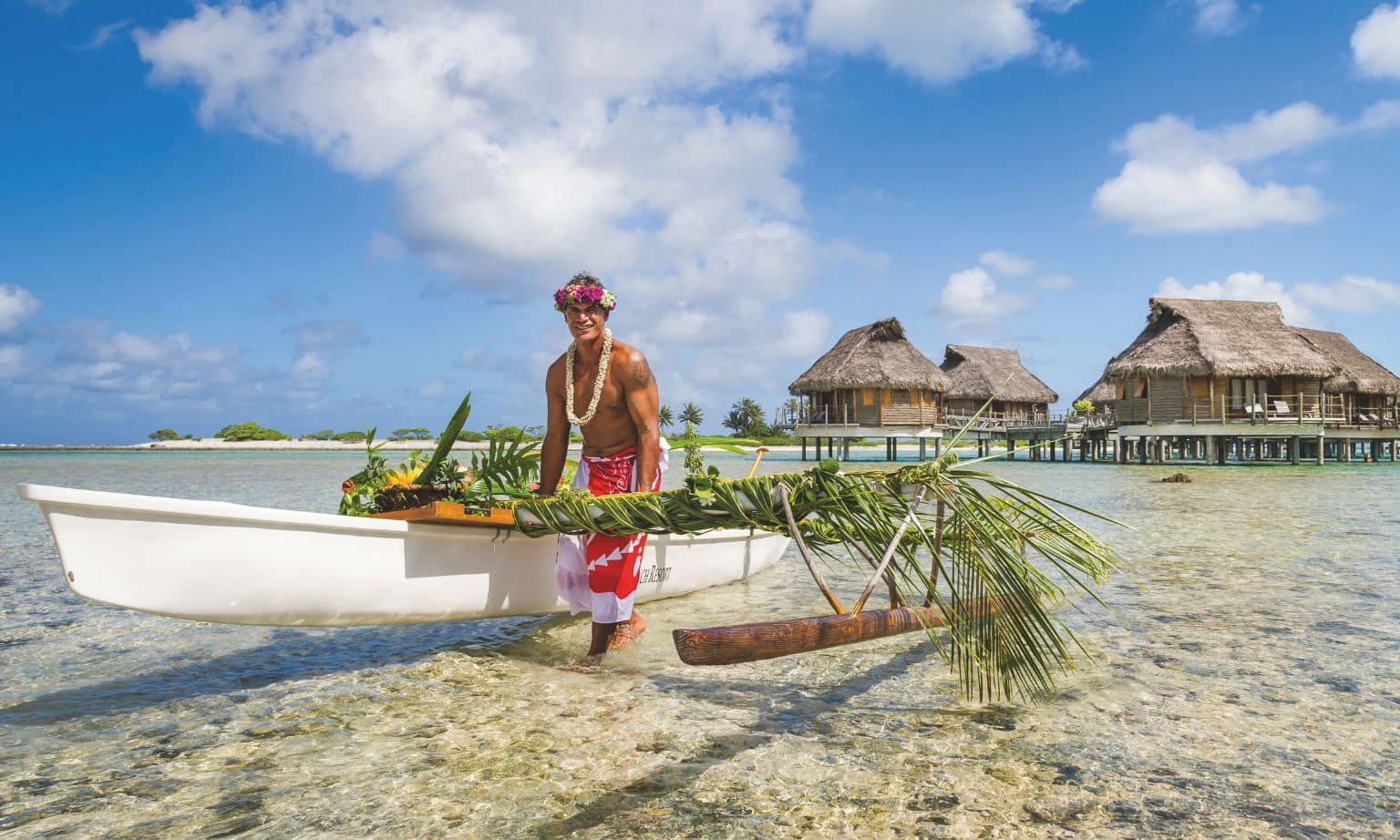
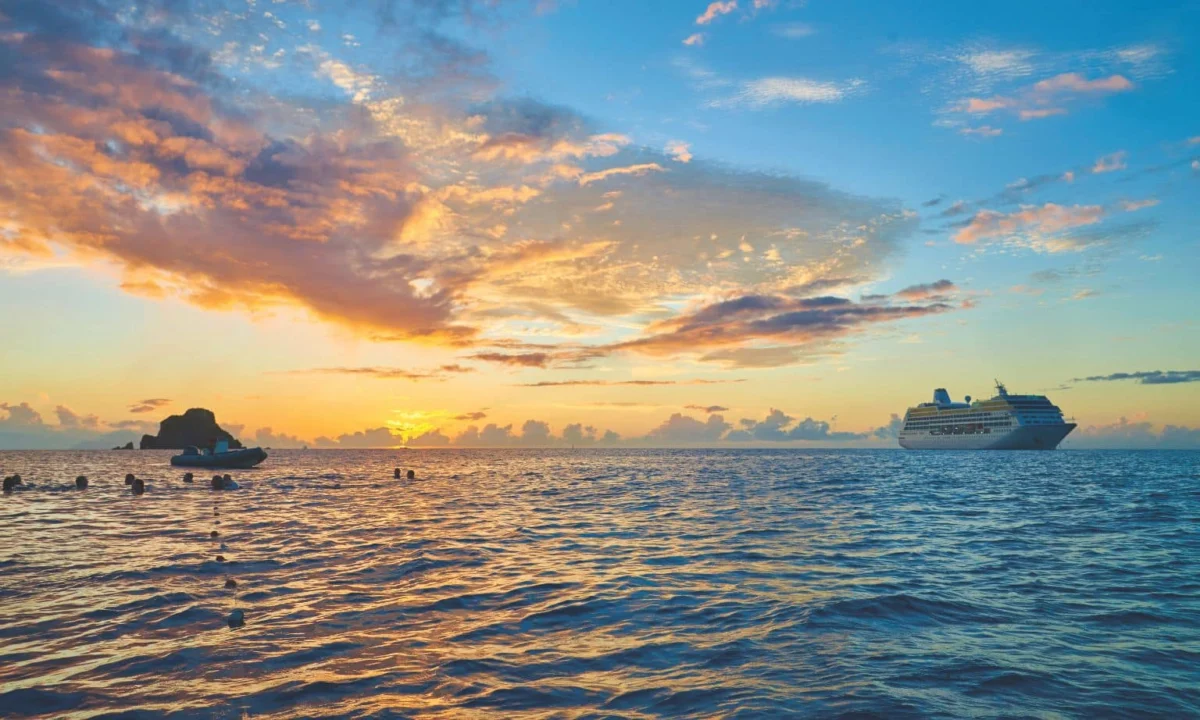
The primary gateway to Tahiti for international travelers is Faa’a International Airport (PPT), located just west of Papeete. Direct and one-stop flight connections are readily available from major Australian cities such as Sydney, Melbourne, and Brisbane, making this idyllic destination increasingly accessible. For those arriving by sea, cruise ships dock at Papeete’s Motu Uta pier, conveniently situated a short taxi ride or even a pleasant walk from the bustling town center.
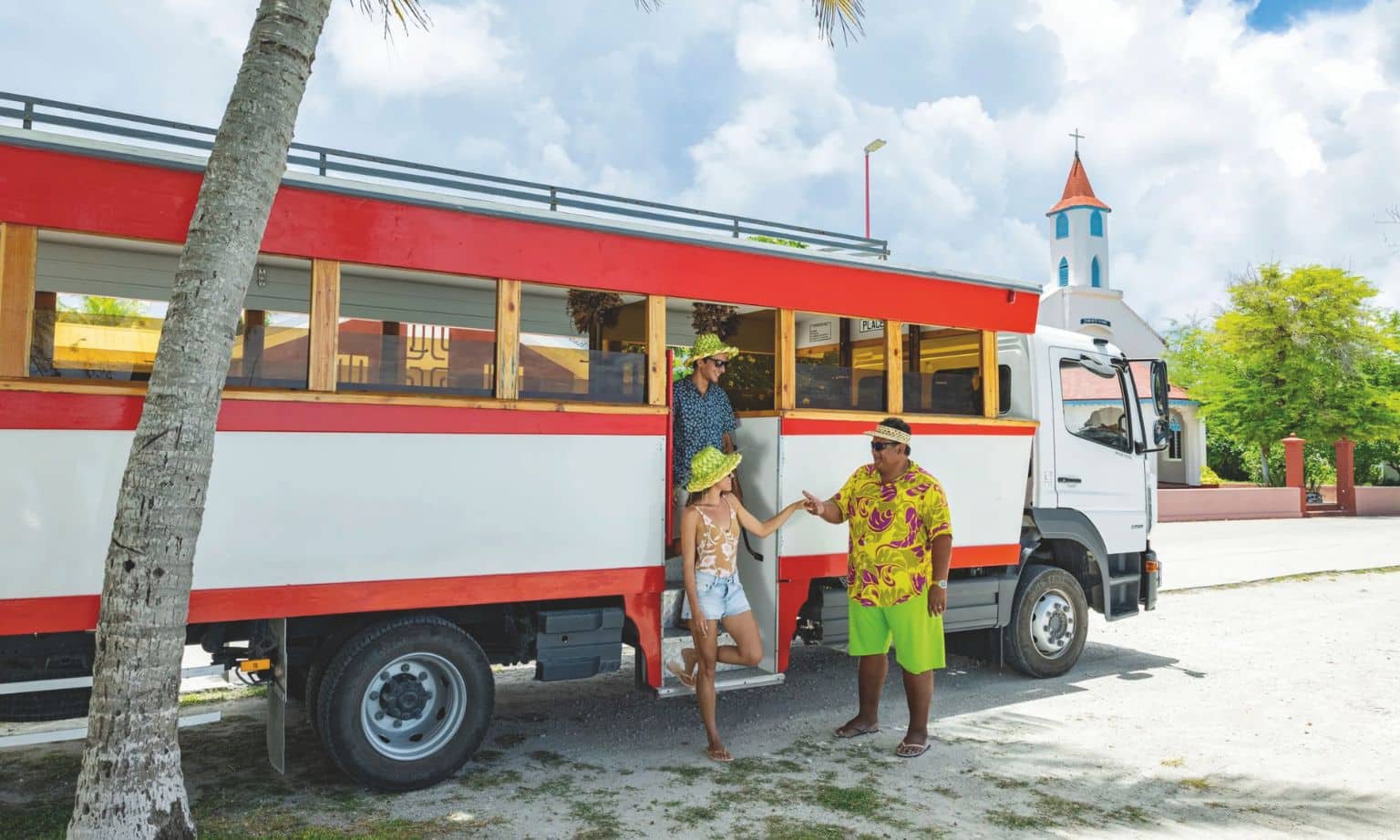
Once on the ground, navigating Tahiti is an experience in itself. The island’s iconic open-sided, brightly colored buses, affectionately known as "Le Truck," offer a charmingly cheerful and economical way to traverse the coastal routes. While their schedules can be somewhat fluid, they provide an authentic glimpse into local life. Taxis are plentiful, though they represent a pricier option for transportation. For those seeking the freedom of independent exploration, renting a car or scooter is highly recommended, offering the flexibility to discover hidden coves and scenic vistas at your own pace. The advent of rideshare applications has also streamlined navigation within Papeete, enhancing convenience for visitors. The official languages of Tahiti are French and Tahitian, with Tahitian enjoying widespread use. However, English is generally well understood by those working within the tourism sector, facilitating communication for international guests.
A Symphony of Natural Wonders: Lagoons, Beaches, and Marine Life
The lagoons surrounding Tahiti are a spectacle of shifting blues, their character evolving depending on your location. Along the western coast, where most of the island’s resorts are situated, the lagoon is a tranquil expanse of turquoise, inviting swimming, snorkeling, and diving. Here, coral gardens teem with an astonishing diversity of tropical fish, and opportunities abound for close encounters with vibrant marine life. The eastern coast presents a more dramatic seascape; the lagoon narrows and becomes more exposed to the open ocean, with stronger currents and the powerful roar of surf breaking over the protective reef, crafting a more rugged and exhilarating coastline.
Among Tahiti’s most cherished beaches, Lafayette Beach stands out for its striking combination of soft, black volcanic sand, crystal-clear waters, and expansive ocean panoramas. Vaiava Beach, located at kilometer marker 18 (PK18), is a sweeping crescent of white sand widely acclaimed as one of Tahiti’s most beautiful. Its calm waters make it an idyllic setting for paddleboarding, kayaking, and leisurely swims.

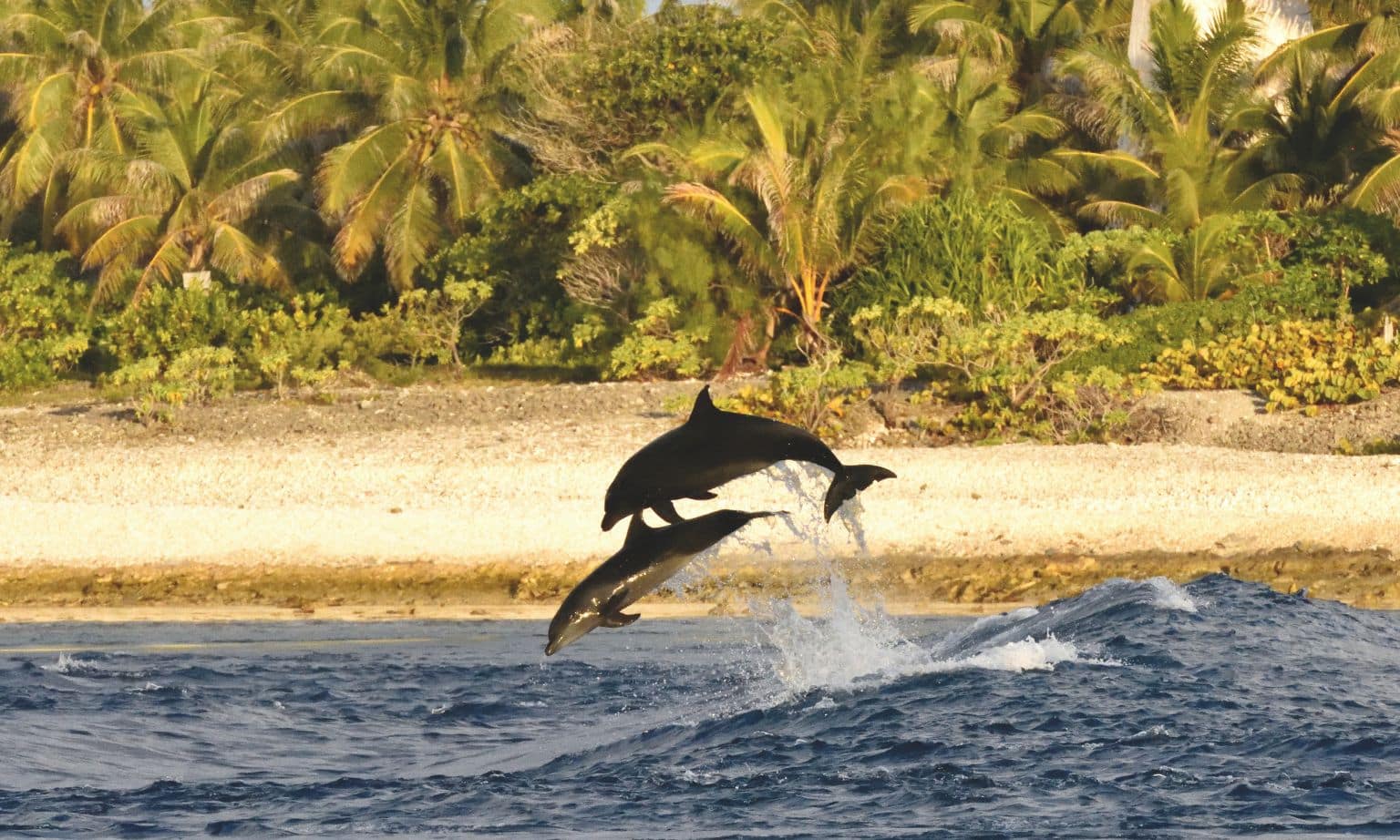
For cruise passengers and travelers with limited time, the island offers accessible half-day lagoon excursions that often depart within walking distance of the Papeete cruise terminal. These boat tours typically guide visitors to two or three prime snorkeling sites. Prepare to be mesmerized by vibrant coral gardens alive with a kaleidoscope of tropical fish, explore the haunting beauty of submerged shipwrecks, and, for the truly adventurous, have opportunities to swim alongside gentle reef sharks, graceful stingrays, and majestic sea turtles. Between August and November, the waters off Tahiti become a migratory path for humpback whales, offering a rare and unforgettable opportunity for sightings along the coast.
Scuba diving in Tahiti is an exceptional experience, available year-round, with sites catering to all levels of expertise. For a more novel underwater adventure, sea scooter tours have gained significant popularity, particularly among families and first-time divers. These tours allow participants to glide effortlessly through the water on handheld propellers, providing an exhilarating and accessible way to explore the underwater world.
However, Tahiti’s allure extends far beyond its coastline. The interior of Tahiti Nui holds some of French Polynesia’s most profound and less-explored natural wonders. The Fautaua Valley hike is a rewarding journey through dense rainforest, culminating in a breathtaking 40-meter waterfall that plunges into a serene jungle pool – a cherished spot for locals and a tranquil escape for visitors. The Papenoo Valley, accessible via 4WD day tours, offers an even more dramatic and ancient experience. Expert guides lead expeditions to ancient marae (sacred stone temples), navigate river fords, showcase volcanic crater lakes, and transport visitors into a landscape that feels genuinely primeval. The opportunity to cool off with refreshing swims in crystal-clear waterfall pools amidst this untouched wilderness is an unforgettable highlight. For the truly intrepid, the ascent of Mount Orohena, the highest peak in French Polynesia at 2,225 meters, offers panoramic views from its summit that are nothing short of spectacular, providing a bird’s-eye perspective of the island’s dramatic topography.
Cultural Immersion and Culinary Delights: Papeete’s Vibrant Heartbeat
Papeete’s Marché Municipal, the bustling central market, serves as the pulsating cultural and culinary soul of the island. Arriving early, by 5 a.m. is recommended, to witness its vibrant energy as it comes to life. Downstairs, a sensory feast awaits, with stalls overflowing with fragrant vanilla pods, fragrant monoi oil, an abundance of exotic tropical fruits, and the freshest catch of the day, including glistening tuna. The upstairs level is a treasure trove of local craftsmanship, featuring colorful pareos (sarongs), intricate shell jewelry, hand-woven hats, and a wide array of souvenirs that capture the essence of Tahitian artistry.
As evening descends, the Papeete waterfront transforms into a lively hub for the island’s famous roulottes – mobile food trucks that offer a democratic and delicious dining experience. For approximately $15, visitors can indulge in a diverse array of culinary delights, from perfectly grilled mahimahi and savory chow mein to sweet crepes, classic steak-frites, and the quintessential Tahitian specialty, Poisson Cru – raw fish exquisitely marinated in lime juice and creamy coconut milk. For those who prefer a more formal dining setting, Papeete offers a spectrum of excellent restaurants. L’O à la Bouche provides a taste of refined French-style cuisine, while Meherio Tahitian Bistro, situated on the marina, offers casual dining with picturesque views. For an intimate and delightful culinary experience, the Maru Maru restaurant is highly recommended, known for its exceptional food, including a must-try lobster ravioli, and its cozy ambiance.
The Rhythmic Pulse of Tahiti: Seasonal Rhythms and Cultural Festivals
Tahiti experiences two distinct seasons, each offering a unique charm. The dry season, spanning from May to October, is characterized by cooler temperatures, lower humidity, and skies that transition between brilliant azure and dramatic, cinematic cloud formations. This period is considered the peak tourist season, drawing visitors seeking optimal weather for outdoor activities. The wet season, from November to April, is warmer and lusher, marked by short, intense downpours that invigorate the landscape. While this season is often quieter and more budget-friendly, it also offers the spectacular sight of swollen waterfalls and a vibrant, verdant environment. Average temperatures remain remarkably consistent throughout the year, hovering between 24 and 30 degrees Celsius, ensuring that there is truly no "bad" time to visit Tahiti.
A significant cultural highlight of the Tahitian calendar is the Heiva festival, typically held in July. This vibrant two-week celebration is a spectacular showcase of Polynesian culture, featuring traditional dance competitions, exhilarating outrigger canoe races, captivating music, elaborate costumes, and feats of strength such as stone-lifting contests. The festival draws participants from across the Pacific, offering an unparalleled opportunity to witness and engage with the rich heritage of the region.
Implications and Enduring Appeal
Tahiti’s enduring appeal lies in its harmonious blend of accessible luxury and untamed natural beauty, coupled with a deeply rooted cultural identity. For the cruise industry, Tahiti represents a cornerstone destination, offering a picturesque port of call that aligns with the desires of travelers seeking exotic locales and authentic experiences. The island’s ability to cater to both short-stay cruise passengers with its readily available excursions and independent travelers seeking deeper immersion underscores its versatility as a tourist destination.
The island’s economic reliance on tourism, while significant, is managed with an increasing awareness of sustainability and cultural preservation. Efforts to promote eco-tourism and responsible travel practices are becoming more prominent, aiming to safeguard the pristine environment and the unique Polynesian way of life for future generations. The juxtaposition of Tahiti Nui’s cosmopolitan centers with the wild, untouched landscapes of Tahiti Iti offers a compelling narrative of contrast and discovery, ensuring that each visitor’s experience is uniquely their own. As the world continues to seek destinations that offer both relaxation and adventure, Tahiti remains a beacon of Polynesian paradise, inviting all who are drawn to its shores to embark on an unforgettable journey.



 Anjar Salim
 Tatiana Tantri Indah Sari
 Budi Mulyono
 Lukman Taruna Persada Ramadan
