
 Susilo Edi Turonggo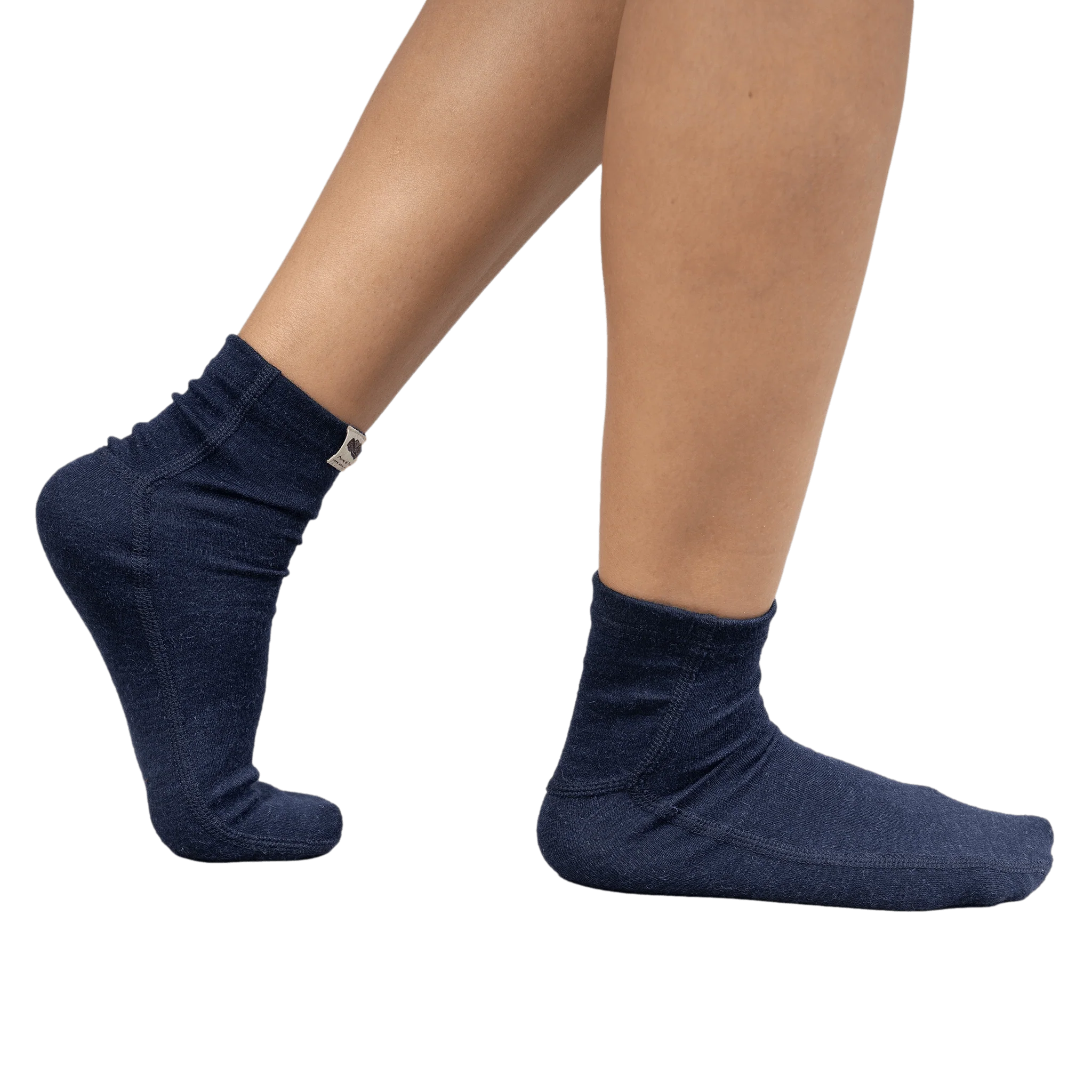
The seemingly innocuous garment of socks, often relegated to the periphery of wardrobe considerations, is increasingly being recognized as a critical component influencing daily comfort, personal health, and environmental impact. A growing awareness among consumers regarding textile chemicals and synthetic materials has spurred a significant market shift towards socks crafted from natural fibers and processed with skin-safe, non-toxic dyes. This movement addresses not only immediate discomforts like skin irritation but also long-term health risks and broader ecological concerns associated with conventional textile production.
The Hidden Risks in Everyday Footwear
For decades, the textile industry has relied heavily on synthetic fibers like polyester and nylon, often treated with a myriad of chemical dyes and finishes. While these materials offer properties such as durability and vibrant color retention, they present notable downsides. One significant concern revolves around azo-benzene disperse dyes, commonly used on synthetic fabrics. Research has identified these dyes as known skin sensitizers, capable of inducing allergic reactions, itching, and dermatitis, particularly in individuals with sensitive skin. More alarmingly, studies, including those referenced in scientific literature, suggest that certain azo dyes can be carcinogenic when absorbed through the skin. This risk is amplified in socks, where direct and prolonged skin contact, often coupled with sweat, facilitates faster chemical migration into the body. The confined environment of footwear, often exacerbated by synthetic materials, also traps moisture and odors, creating an ideal breeding ground for bacteria and contributing to foot health issues. Beyond individual health, the production and disposal of these synthetic materials and chemical dyes contribute significantly to environmental pollution, from water contamination to microplastic release.
The Rise of Conscious Consumerism and Sustainable Textiles
The global textile industry is a vast and complex network, historically prioritizing cost-efficiency and mass production. However, in recent years, a discernible shift has occurred, driven by increasing consumer demand for transparency, ethical production, and sustainable materials. This movement, often termed "conscious consumerism," has pushed brands to re-evaluate their supply chains and product formulations. Reports from market intelligence firms indicate a consistent upward trend in the demand for organic and sustainably produced apparel, with the global organic textile market projected to grow significantly over the next decade. This growth is underpinned by a confluence of factors: heightened public awareness of environmental issues, concerns over personal health and allergies, and the availability of certifications that verify sustainable and ethical practices. The market for non-toxic socks, therefore, is not an isolated phenomenon but a microcosm of this larger industry transformation.
Pillars of Non-Toxic Sock Production: A Comprehensive Guide
For consumers navigating this evolving landscape, identifying truly non-toxic and sustainable socks requires attention to several key criteria: material composition, dye and finish safety, supply chain ethics, and packaging practices.
Natural Materials: The Foundation of Comfort and Health
The cornerstone of non-toxic socks lies in their material composition. Natural fibers offer inherent benefits such as breathability, moisture-wicking properties, and reduced allergenic potential. For individuals with sensitivities to synthetics or pre-existing skin conditions like eczema, prioritizing 100% natural fibers is paramount. While most socks incorporate a small percentage of elastane for stretch and fit, brands like Cottonique and Arms of Andes have successfully innovated to produce entirely synthetic-free options, a rarity in the market.
Merino and Alpaca Wool: These luxurious natural fibers are highly prized for socks due to their exceptional odor-resistance and moisture-wicking capabilities. Merino wool, known for its fine fibers, offers softness without bulk, while alpaca wool provides superior insulation and durability. To ensure ethical sourcing, consumers should look for certifications like the Responsible Wool Standard (RWS). The RWS guarantees that sheep are treated humanely, prohibiting practices such as mulesing—a painful procedure for preventing parasitic infections. The global market for sustainable wool is expanding, driven by both performance and ethical considerations.
Organic Cotton: A perennial favorite, organic cotton is grown without synthetic pesticides, herbicides, or genetically modified organisms. This makes it a safer choice for both the environment and sensitive skin. Certifications such as the Global Organic Textile Standard (GOTS) provide assurance that cotton is organic throughout the entire supply chain, from harvesting to manufacturing. While conventional cotton production is notoriously water-intensive and chemical-laden, the organic alternative significantly reduces environmental impact.
Tencel, Linen, and Bamboo Viscose: These cellulosic fibers offer distinct advantages. Tencel (a brand of lyocell and modal fibers) is derived from sustainably sourced wood pulp through an environmentally responsible closed-loop process. Linen, made from flax plants, is celebrated for its strength, breathability, and natural moisture-wicking properties. Bamboo viscose, while undergoing a chemical process to convert bamboo into fiber, can be produced more sustainably when proper closed-loop systems are employed, offering a soft, breathable, and often hypoallergenic option. The market share of these innovative natural and semi-synthetic fibers is steadily increasing as textile technology advances.
For those less sensitive to synthetics, blends containing recycled materials like nylon and polyester can be considered, but industry experts recommend prioritizing socks with a majority natural fiber content to maximize comfort and minimize chemical exposure. The challenge for manufacturers lies in balancing performance features (like elasticity and durability) with material purity, pushing innovation in natural fiber processing and blending.
Non-Toxic Dyes & Finishes: Beyond the Visible Spectrum
The vibrant colors of many socks often come at a cost if conventional dyeing practices are employed. Many industrial dyes contain heavy metals, formaldehyde, and other hazardous chemicals that can leach into the skin or pollute water systems. The demand for dye-free or naturally dyed options is a direct response to these concerns. Several brands now offer undyed socks, celebrating the natural hues of the fibers.
For dyed products, robust certifications are crucial. Oeko-Tex Standard 100 is a globally recognized certification that tests textiles for harmful substances at all stages of production, ensuring that the final product is safe for human use. Bluesign certification goes a step further, focusing on sustainable textile production processes, from raw materials to finished goods, to minimize environmental impact and ensure worker safety. Brands that maintain a Restricted Substances List (RSL) demonstrate a proactive commitment to chemical management, meticulously vetting all chemicals used in their manufacturing processes to exclude known hazardous substances. This transparency is vital for consumer trust and industry accountability.
Traceable & Ethical Supply Chains: The Human Element of Production
The journey of a sock from raw fiber to finished product often spans multiple continents, making supply chain transparency a significant challenge. Ethical manufacturing ensures fair wages, safe working conditions, and the absence of forced or child labor. Consumers can identify brands committed to ethical practices by looking for certifications from reputable organizations.
Fair Trade: This certification ensures that farmers and factory workers receive fair prices and wages, and that production meets specific social and environmental standards.
WRAP (Worldwide Responsible Accredited Production): WRAP is an independent non-profit organization dedicated to promoting safe, lawful, humane, and ethical manufacturing around the world through certification and education.
B Corp Certification: This rigorous certification assesses a company’s entire social and environmental performance, from supply chain and input materials to charitable giving and employee benefits.
Beyond certifications, brands that openly share the locations of their supply chain partners, providing maps and detailed information about their factories and suppliers, demonstrate a high level of transparency and accountability. The lack of such information often raises questions about potential hidden exploitative practices.
Sustainable Packaging: Reducing the Environmental Footprint
Even small items like socks contribute to packaging waste. Progressive brands are adopting sustainable packaging solutions to minimize their environmental footprint. This includes using compostable or biodegradable materials derived from plant-based sources, as well as recycled and recyclable paper and cardboard. The Forest Stewardship Council (FSC) certification ensures that paper and cardboard products come from responsibly managed forests, promoting sustainable forestry practices. The transition to minimal and eco-friendly packaging is a crucial step in a product’s lifecycle, reflecting a holistic commitment to sustainability.
Leading Brands in the Non-Toxic Sock Market
The market is now seeing a strong emergence of brands dedicated to producing socks that meet these rigorous standards. These companies are innovating in material science, ethical sourcing, and environmental responsibility, offering consumers a range of choices from basic staples to performance-oriented options.
Harvest & Mill: This brand stands out for its commitment to dye-free organic cotton socks, embracing natural colors. Their entire supply chain, from cotton cultivation to spinning and knitting, is contained within the U.S., significantly reducing their carbon footprint and supporting domestic agriculture. All fabric scraps are repurposed or recycled, and packaging is compostable, exemplifying a circular economy approach. Consumer feedback frequently highlights the exceptional comfort and breathability of their dye-free, natural-colored crew socks, noting their lightweight feel despite thick cotton construction.
Subset (formerly Knickey): A Brooklyn-based brand, Subset champions PFAS-free textiles and offers Fair Trade and Oeko-Tex-certified organic cotton socks. Their cotton is sourced, ginned, spun, dyed, and sewn in India, ensuring a streamlined and traceable production process. While some of their socks contain up to 24% synthetics, the brand’s dedication to organic materials and certifications underscores its commitment to safety. Users appreciate the thin profile of these socks, making them suitable for tighter-fitting shoes or as a dressier option, with the embedded elastic preventing skin irritation.
Paka: A certified B Corp, Paka specializes in durable, lightweight socks crafted primarily from alpaca wool and Tencel. These socks are celebrated for their moisture-wicking and odor-resistant properties, using Oeko-Tex-certified dyes and spun by Peruvian artisans. Paka’s commitment to sustainability extends to its biodegradable and compostable packaging. While some Paka socks incorporate up to 50% recycled synthetics for enhanced durability, their alpaca wool is lauded for its warmth and suitability for harsh winters, making them a favorite among outdoor enthusiasts despite occasional reports of slight itchiness due to the wool’s texture.
Arms of Andes: A pioneer in the field, Arms of Andes is among the rare brands offering 100% synthetic-free socks. Their slipper socks, made from pure alpaca fiber, are sourced from free-range alpacas and are Oeko-Tex-certified. These socks are known for being lightweight yet well-insulated, soft, and moisture-wicking. The brand maintains close relationships with co-op farmers in the Andes, ensuring ethical production from sourcing to sewing, and utilizes compostable packaging for all orders.
Cottonique: Specializing in allergy-free apparel, Cottonique is another brand that produces completely synthetic-free socks made from 100% organic cotton. Their products are Latex-free, bleach-free, and hypoallergenic, featuring covered seams to prevent rubbing. Collaborating with dermatologists, Cottonique ensures its products are genuinely safe for sensitive skin. They source organic cotton from India and manufacture in the Philippines, using compostable packaging.
Boody: Hailing from Sydney, Boody offers a diverse range of socks, varying in thickness, made from Oeko-Tex-certified organic bamboo viscose from India, organic cotton, and recycled nylon. The brand upholds a strict code of conduct and partners with WRAP-certified facilities in China, Vietnam, and India, reflecting a commitment to ethical manufacturing practices across its global supply chain.
Kotn: As a certified B Corp, Kotn fosters direct trade relationships with local Egyptian cotton farmers, ensuring fair prices and a completely traceable supply chain. Their socks are made with organic cotton and Oeko-Tex-certified dyes, and the brand utilizes recycled and recyclable packaging. While some pairs contain up to 20% synthetics, Kotn is praised for its comfortable and professional-looking socks that enhance any outfit.
Quinn: Designed with individuals suffering from eczema in mind, Quinn’s organic cotton non-toxic socks are built for longevity. They offer dye-free, lightweight, and mid-weight options, ethically made in Oeko-Tex-certified factories in Portugal and Sri Lanka. While their cotton is GOTS-certified, specific sourcing details remain less clear. Some pairs include up to 20% synthetics. Consumer reviews highlight the extreme comfort and breathability of both their undyed cotton ankle socks and merino wool options, with the latter’s extra-thick heel providing warmth for hiking and relaxation.
Cariloha: Another certified B Corp, Cariloha crafts hypoallergenic socks from bamboo viscose and organic cotton. Their Oeko-Tex and Fair Trade-certified bamboo is sourced from China, and they use FSC-certified paper packaging. While the specific manufacturing locations are not explicitly stated, their multiple certifications demonstrate a commitment to both product safety and ethical sourcing.
Dedicated: Dedicated produces Fair Trade organic cotton socks adorned with bold patterns. The brand ensures transparency by listing the manufacturing location for each pair on its product pages, and its cotton suppliers are WRAP-certified. Consumers should note that their socks may contain up to 25% elastane.
Darn Tough: Known for its durable and comfortable socks, Darn Tough manufactures its products in family-owned mills in Vermont. They use RWS-certified merino wool in a variety of colorful styles, ensuring Oeko-Tex-certified materials and adherence to a restricted substances list. Their packaging uses FSC-certified recycled paper, compostable bags, and vegetable-based inks. However, some of their socks contain up to 50% synthetics, balancing natural fiber benefits with enhanced durability for performance.
Nisolo: While primarily recognized for its leather shoes, certified B Corp Nisolo also offers a line of stylish and comfortable socks. These are produced in a family-owned mill in North Carolina, utilizing upcycled cotton, linen, wool, and recycled polyester. Nisolo is committed to supply chain traceability and ensuring living wages for all workers within its network. Their packaging incorporates recycled materials. It should be noted that some of their socks contain up to 70% synthetics, a balance struck for specific performance and aesthetic qualities.
Swedish Stockings: This brand specializes in knee-highs and ankle socks, providing options that are classic, supportive, colorful, and patterned. Their products are made in Italy using Oeko-Tex-certified materials, including bamboo viscose, organic cotton, organic wool, recycled polyester, and both virgin and recycled elastane. While some socks are fully synthetic, the brand offers a wide range of choices that emphasize certified materials and diverse fiber compositions.
The Broader Implications: Health, Environment, and Industry Trends
The shift towards non-toxic and sustainably sourced socks carries significant implications across various sectors.
Health Benefits
For consumers, the primary benefit is improved health and comfort. Reducing exposure to harsh chemicals and synthetic fibers can alleviate skin irritations, allergies, and the discomfort associated with trapped moisture and odors. Dermatologists and allergists increasingly recommend natural fiber alternatives for patients with sensitive skin conditions, recognizing the direct link between textile composition and skin health. This proactive approach to personal care translates into a higher quality of life for many individuals.
Environmental Impact
Environmentally, the growth of the non-toxic sock market contributes to a broader reduction in the textile industry’s ecological footprint. The use of organic fibers lessens the demand for chemical pesticides and fertilizers, protecting soil health and water quality. Non-toxic dyes and sustainable finishing processes reduce chemical effluent and water pollution. Furthermore, ethical sourcing practices often prioritize biodiversity and responsible land management. The focus on recycled and compostable packaging also mitigates waste generation, moving the industry closer to circular economy principles.
Economic Landscape and Industry Trends
Economically, this trend presents both challenges and opportunities. Established conventional brands face pressure to adapt their production methods and material sourcing to meet evolving consumer expectations. This often requires significant investment in new technologies, supply chain restructuring, and obtaining certifications. For smaller, purpose-driven brands, however, it represents a burgeoning market niche where authenticity and ethical practices can be a competitive advantage. The market for sustainable textiles is projected to continue its robust growth, driven by increasing consumer awareness, stricter regulatory frameworks, and technological advancements in eco-friendly material science and dyeing processes. Innovation in natural fiber blends, bio-based synthetics, and advanced recycling technologies will likely define the future landscape of textile production.
The Future of Footwear: A Call for Transparency and Responsibility
The movement towards non-toxic and sustainably sourced socks is more than a fleeting trend; it signifies a fundamental reorientation within the textile industry. It underscores the power of informed consumer choices to drive systemic change and highlights the growing recognition that everyday items, no matter how small, have a ripple effect on personal health and planetary well-being. As regulatory bodies worldwide continue to scrutinize chemical usage in manufacturing and consumers demand greater transparency, brands that prioritize health, ethics, and environmental responsibility are poised for long-term success. The future of footwear, therefore, calls for continued innovation, unwavering commitment to ethical practices, and a collective responsibility to ensure that what we wear on our feet is not only comfortable but also safe and sustainable.



 Budi Mulyono
 Anjar Salim
 Chandra Hamzah
 Tatiana Tantri Indah Sari

 Lukman Taruna Persada Ramadan