
 Anjar Salim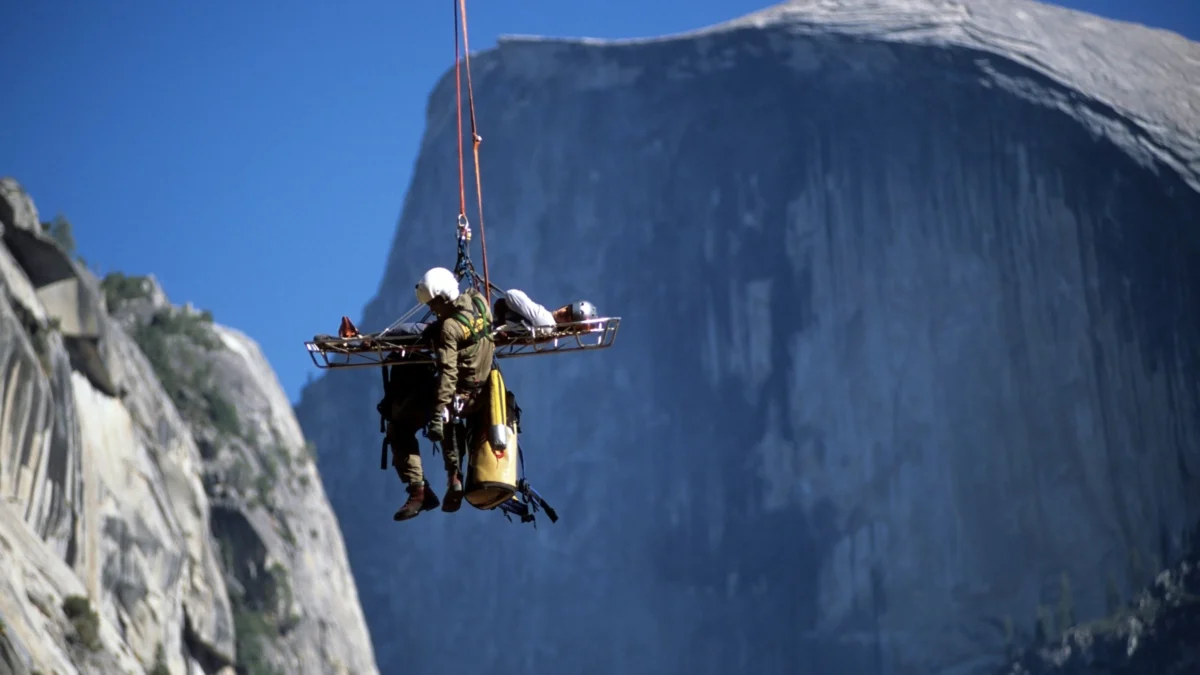
In an era where social media algorithms often prioritize engagement over accuracy, a viral video concerning a high-altitude rescue in Yosemite National Park has become a case study in digital misinformation. Reports circulating on platforms such as Instagram and TikTok recently alleged that a hiker, identified as Grace, was billed approximately $70,000 after being airlifted from the park’s popular Mist Trail. The National Park Service (NPS) and the organizers of the hiking group involved have since moved to debunk these claims, clarifying that the federal government, not the individual, bears the cost of search and rescue (SAR) operations within national park boundaries.
The controversy stems from a video posted by a third-party account that repurposed original footage from a group known as the Hobbit Hikers. The modified video suggested that the hiker was facing financial ruin following a medical emergency in the backcountry. However, Chelsea McCurdy, the operator of Hobbit Hikers, confirmed that the narrative of a $70,000 bill is entirely fabricated. According to McCurdy, the hiker was safely evacuated and did not receive any invoices for the helicopter hoist or the medical treatment provided on-site. The incident has prompted a broader discussion regarding the financial structures of emergency services in the United States wilderness and the dangers of "rage-bait" content in the outdoor community.
Chronology of the Mist Trail Incident
The event in question took place during a planned excursion on the Mist Trail, one of Yosemite’s most iconic and physically demanding paths. The trail, which ascends steeply alongside Vernal and Nevada Falls, is characterized by more than 600 granite steps that can become slippery from spray and exhausting due to significant elevation gain.
During the ascent, a member of the Hobbit Hikers group, Grace, began experiencing a medical crisis. McCurdy noted that Grace has a pre-existing thyroid condition, which, combined with the physical exertion and environmental factors of the trail, led to her beginning to black out. Realizing the severity of the situation, the group contacted Yosemite Search and Rescue (YOSAR).
YOSAR personnel reached the group on the trail and immediately began administering medical aid. Reports indicate that Grace was treated with intravenous (IV) fluids to stabilize her condition. Despite the initial treatment, it became clear that the hiker would be unable to navigate the two-mile descent over rugged, vertical terrain. Given the risks associated with a manual "litter carry"—where rescuers physically carry a patient on a stretcher—the decision was made to utilize a helicopter hoist.
A helicopter hoist is a technical and high-risk maneuver performed when the terrain does not allow for a safe landing. In this instance, a rescue technician was lowered via a cable, and Grace was secured into a harness and lifted into the hovering aircraft. She was then transported to a landing zone in a meadow within the park. Contrary to the viral claims, she was not transported to a private hospital via air ambulance, which is a critical distinction in the ensuing debate over costs.
The Financial Reality of National Park Rescues
The claim that a hiker would be billed $70,000 for an NPS rescue contradicts decades of federal policy. The National Park Service maintains a firm stance that visitors are not charged for search and rescue operations. This policy is rooted in public safety; officials fear that if hikers believe they will be billed tens of thousands of dollars, they may delay calling for help until a situation becomes life-threatening, thereby increasing the risk to both the victim and the rescue teams.
Funding for these operations is categorized into two tiers based on a policy updated in 2020. For smaller incidents costing less than $500, the individual park covers the expense from its internal operating budget. For more complex, high-cost operations—such as those involving multiple aircraft, specialized teams, or multi-day searches—the costs are covered by a centralized, federally funded National Search and Rescue account.
While the actual cost of operating a helicopter can indeed reach several thousand dollars per hour when factoring in fuel, maintenance, and specialized personnel, these costs are absorbed by the taxpayer as part of the NPS mission to provide for visitor safety. In the Yosemite incident, the use of a "hoist" maneuver was a tactical choice made by the park’s aviation team based on safety and efficiency, not a premium service for which the visitor is invoiced.
Distinguishing Between YOSAR and Private Medical Transport
A primary reason for the persistence of rumors regarding rescue fees is the confusion between government-funded SAR and private medical services. While the rescue from the trail to a safe zone within the park is free, any medical care or transportation that occurs once the patient is handed over to private providers is not.
If a hiker is evacuated by YOSAR to a park meadow and then requires an ambulance ride to a hospital outside the park, the private ambulance company will bill the patient or their insurance. Similarly, if a private "Life Flight" air ambulance is required to transport a patient from the park to a regional trauma center, that service can indeed cost between $20,000 and $50,000.
In the case of Grace, McCurdy clarified that no such private services were utilized. "There was no ambulance, hospital, or private insurance charges as Grace was safely lowered into a field in Yosemite National Park," she stated. The viral video appears to have conflated the high costs of private medical aviation with the free services provided by the National Park Service.
The Impact of Viral Misinformation on Public Safety
The spread of the "Grace" story highlights a growing trend of "content scraping," where accounts steal original videos, add sensationalized or false captions, and republish them to generate views and advertising revenue. In this case, the misinformation had the potential to cause real-world harm.
Outdoor experts and former YOSAR volunteers have expressed concern that such rumors could deter hikers from seeking help during emergencies. Lauren DeLaunay Miller, a former YOSAR volunteer, emphasized that rescuers routinely have to reassure panicked patients that they will not be charged for the helicopter. When false information suggests otherwise, it undermines the trust between the public and emergency responders.
"Regardless of whether you’re going to help a hiker who has no headlamp… or doing a multi-day complicated search… folks are never charged for rescue," Miller noted. The decision to deploy a helicopter is based on a complex matrix of factors including the patient’s vitals, the time of day, weather conditions, and the availability of ground teams. By suggesting that these decisions result in a massive bill, social media accounts create a dangerous barrier to emergency access.
Search and Rescue Trends in Yosemite
Yosemite National Park is one of the busiest SAR hubs in the United States. The park’s search and rescue team responds to approximately 200 to 250 calls annually. These incidents range from minor injuries and dehydration to catastrophic climbing falls and drownings.
The Mist Trail, where the incident involving Grace occurred, is a frequent site for YOSAR intervention. The trail’s proximity to Yosemite Valley makes it accessible to many visitors who may not be adequately prepared for the 1,000-foot elevation gain or the physiological effects of heat and altitude. Data suggests that heat-related illnesses and slips on the granite stairs are the primary drivers of rescue calls in this specific corridor.
The 2024 season has seen a continued high volume of calls, exacerbated by fluctuating weather patterns and the increasing popularity of "bucket list" hiking. Despite the volume, the NPS has maintained its commitment to free SAR services, viewing it as an essential component of land management in high-traffic wilderness areas.
Broader Implications and Best Practices for Hikers
The debunking of the $70,000 rescue bill serves as a reminder for outdoor enthusiasts to verify information through official channels, such as the NPS.gov website or reputable outdoor news outlets. While the rescue itself may be free, the physical and emotional toll of a backcountry emergency is significant.
To minimize the need for YOSAR intervention, park officials recommend several preventative measures:
- Honest Self-Assessment: Hikers should evaluate their physical fitness and any underlying medical conditions before attempting strenuous routes like the Mist Trail.
- Hydration and Nutrition: Proper electrolyte balance is crucial, especially for hikers with conditions that affect metabolism, such as thyroid disorders.
- Timing: Starting hikes early in the morning can help avoid the peak heat of the day, which often triggers medical emergencies.
- Communication: Carrying a satellite communication device can provide a direct line to rescuers, though it should only be used in genuine emergencies.
The resolution of the "Grace" story confirms that the hiker is in good health and remains an active member of the hiking community. The group continued their trip following the incident, and the bonds between the members remained intact. The only casualty of the event was the accuracy of the social media narrative, which serves as a cautionary tale about the reliability of viral content in the digital age.
As Yosemite moves into its peak summer and autumn seasons, YOSAR teams remain on standby, funded by the federal government to ensure that a medical emergency in the wilderness does not result in financial catastrophe for the victim. The National Park Service’s "no-charge" policy remains a cornerstone of American wilderness management, ensuring that the priority remains the preservation of life over the collection of fees.


 Chandra Hamzah
 Tatiana Tantri Indah Sari
 Budi Mulyono
