
 Hendra Ismail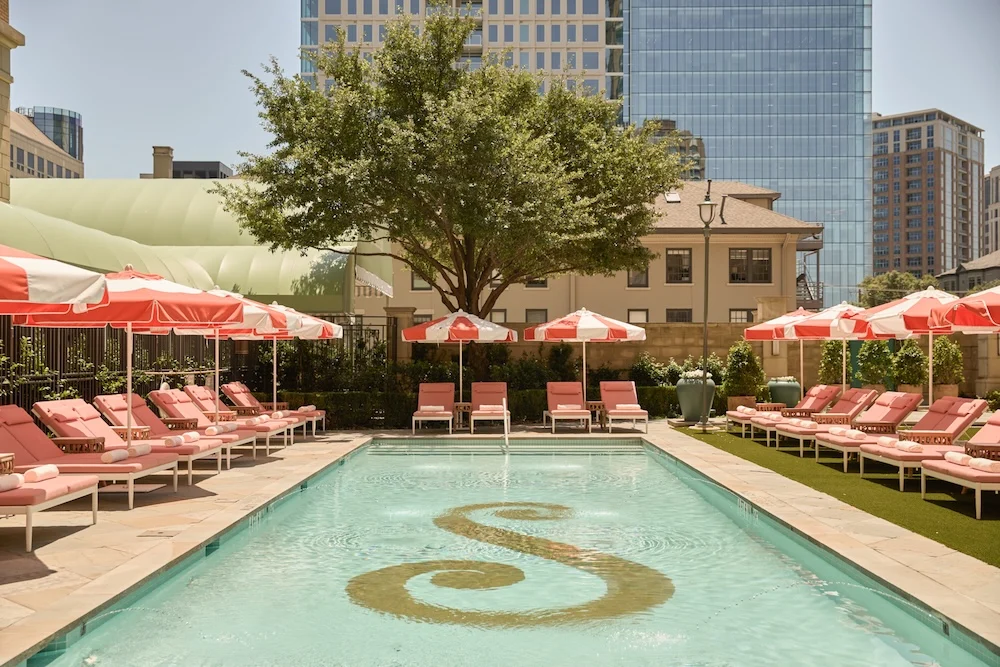
Los Angeles and London-based design studio Fettle has completed an extensive renovation of The Stoneleigh, Dallas’s second-oldest hotel, breathing new life into its 176 guestrooms and a host of its iconic public spaces. The project honors the hotel’s storied past, originally opened in 1923 and significantly influenced by legendary decorator Dorothy Draper, while infusing it with contemporary luxury and sophisticated design. Fettle’s approach focused on building upon Draper’s signature aesthetic, rather than reinventing it, by collaborating with esteemed design houses to weave bold textures, vibrant patterns, and bespoke furnishings throughout the property. This meticulous renovation aims to re-establish The Stoneleigh as a beacon of early-20th-century glamour within the modern hospitality landscape.
A Resplendent Arrival: The Stoneleigh Lobby Reimagined
The guest experience at The Stoneleigh begins with a grand entrance into a lobby that echoes the hotel’s Beaux-Arts heritage. Soaring ceilings and original architectural detailing are now complemented by a thoughtfully curated selection of low-slung lounge furniture, inviting guests to linger. Custom wool-and-silk rugs, featuring intricate patterns, ground the space, while handcrafted decorative screens subtly delineate areas and add artistic flair. The reception desk, a focal point of the entrance, is adorned with a tasseled trim, a nod to classic design, and is strategically positioned near three custom cabinets. These cabinets, displaying carefully selected period found objects, serve both as decorative elements and functional dividers, separating the circulation path from the sophisticated lobby bar, creating distinct zones within the expansive space.
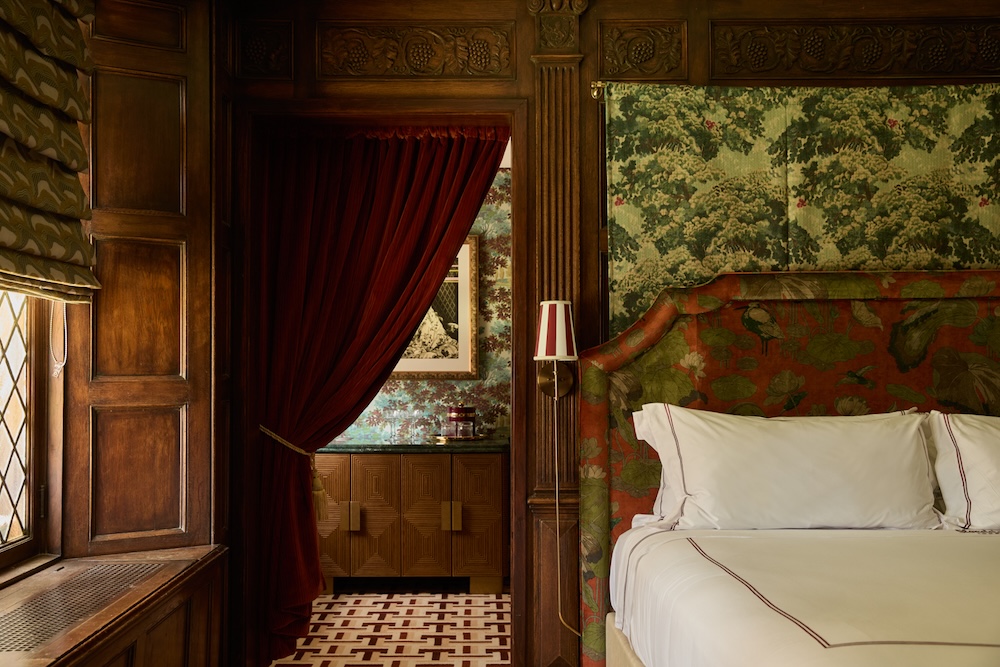
The design philosophy extends seamlessly into the 176 guestrooms, 56 of which are opulent suites. Each room is appointed with custom high-pile wool carpeting that provides a luxurious underfoot sensation, paired with striking geometric wallcoverings that add visual depth. Plush velvets are employed generously in upholstery and accents, evoking a sense of opulence and comfort. Lacquered burl wood bar cabinets introduce a rich, tactile element, while generously upholstered headboard walls create a focal point of indulgence. Seating arrangements throughout the rooms are inspired by the elegant silhouettes of the 1930s, a deliberate choice to honor the hotel’s golden era. Unifying these carefully chosen elements is a curated art collection sourced from California-based artist and set decorator Jack Lewis, whose work adds a unique artistic dimension to each space.

The bathrooms within the guestrooms are equally exquisite. They feature Venetian glass sconces by renowned Italian glassmaker Sogni di Cristallo, casting a warm and elegant glow. A bespoke wallpaper, a subtle yet significant detail, is adorned with a hidden gold key motif, cleverly inscribed with the Stoneleigh’s iconic "S" initial, offering a personalized touch and a direct link to the hotel’s identity.
Culinary and Cocktail Havens: Bar Leonessa and Lion’s Den
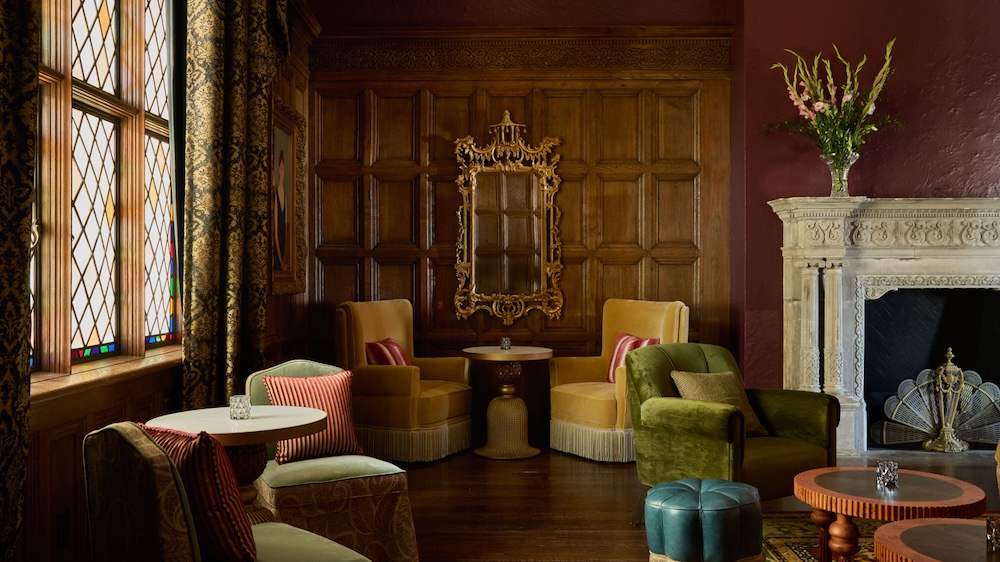
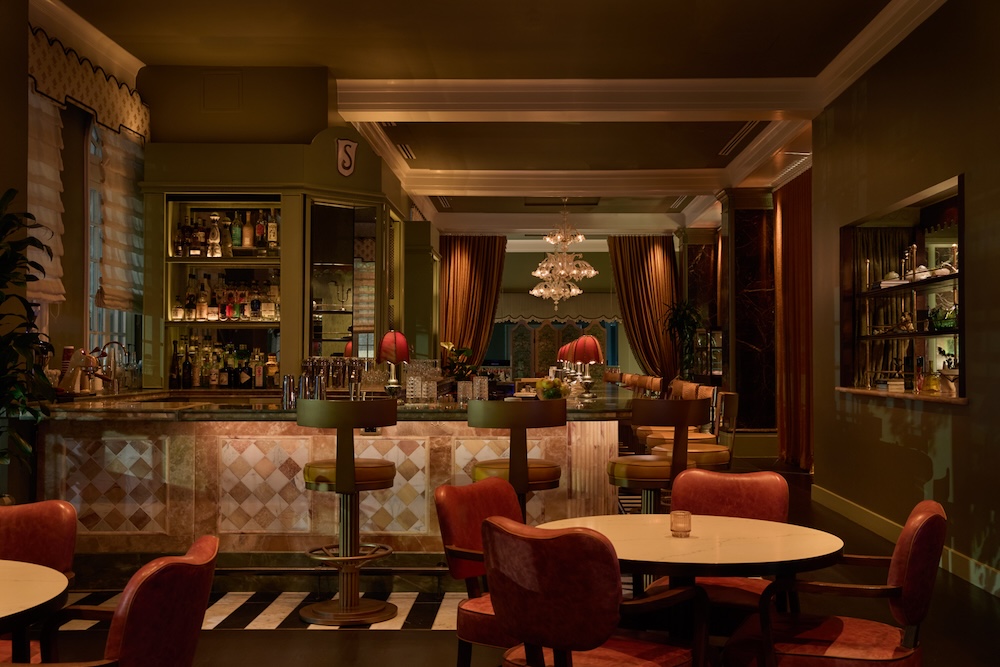
The Stoneleigh’s commitment to an immersive guest experience is vividly expressed in its dining and bar venues. Bar Leonessa, accessed through floor-to-ceiling velvet curtains, masterfully channels the clandestine spirit of the hotel’s Prohibition-era past. The ambiance is one of refined secrecy, inviting patrons to step back in time. Anchoring the bar area is a striking onyx and marble counter, a testament to enduring material elegance. Complementing the bar are fringed lamps that cast a soft, inviting light, and back bar displays that proudly showcase the hotel’s original "S" logo, a constant reminder of its rich heritage. The walls of Bar Leonessa are adorned with curated works from Kevin Barry Art Advisory, adding a layer of cultural sophistication to the intimate setting.
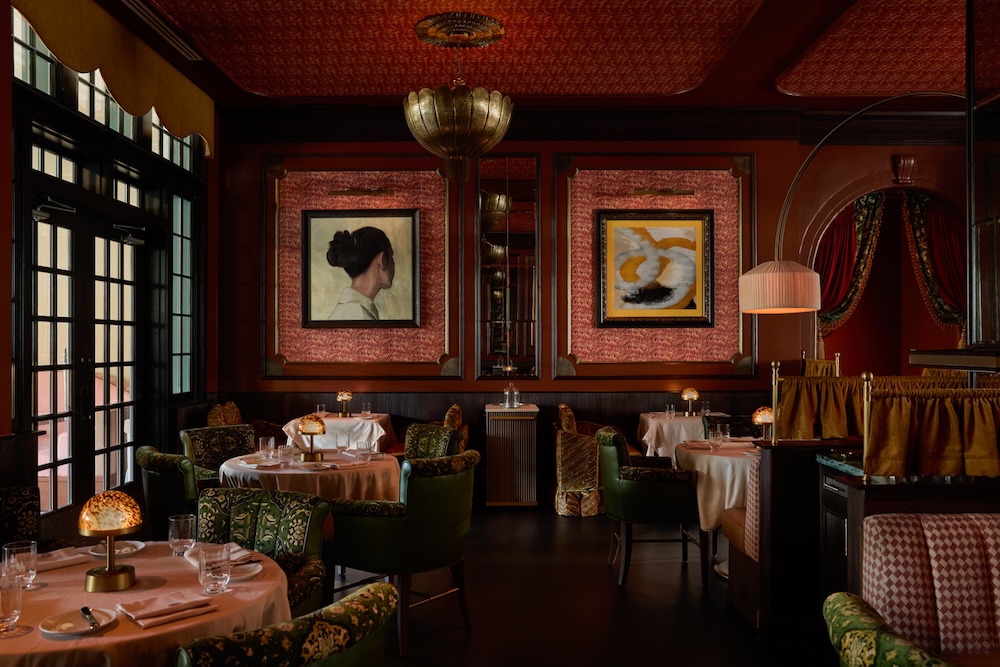
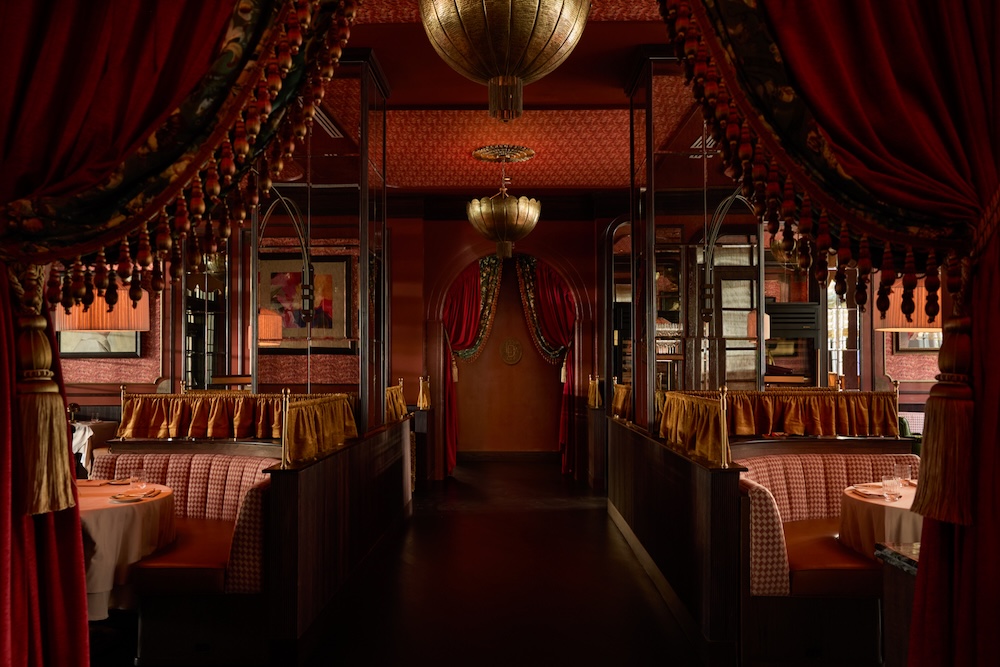
Adjacent to Bar Leonessa, the signature restaurant, Lion’s Den, draws its name from the majestic stone lions guarding the hotel’s Maple Street entrance. This space is a symphony of rich textures and refined materials. Layered velvets, supple leathers, and intricately printed fabrics create a visually dynamic environment, complemented by warm walnut millwork and subtly textural wall paneling. A central quatrefoil banquette, a distinctive architectural feature, is illuminated by oversized swing-arm lamps, further enhancing the room’s sophisticated 1930s sensibility. The combination of these elements fosters an atmosphere of both grandeur and intimate dining.
Echoes of History: The Stoneleigh’s Eleventh Floor
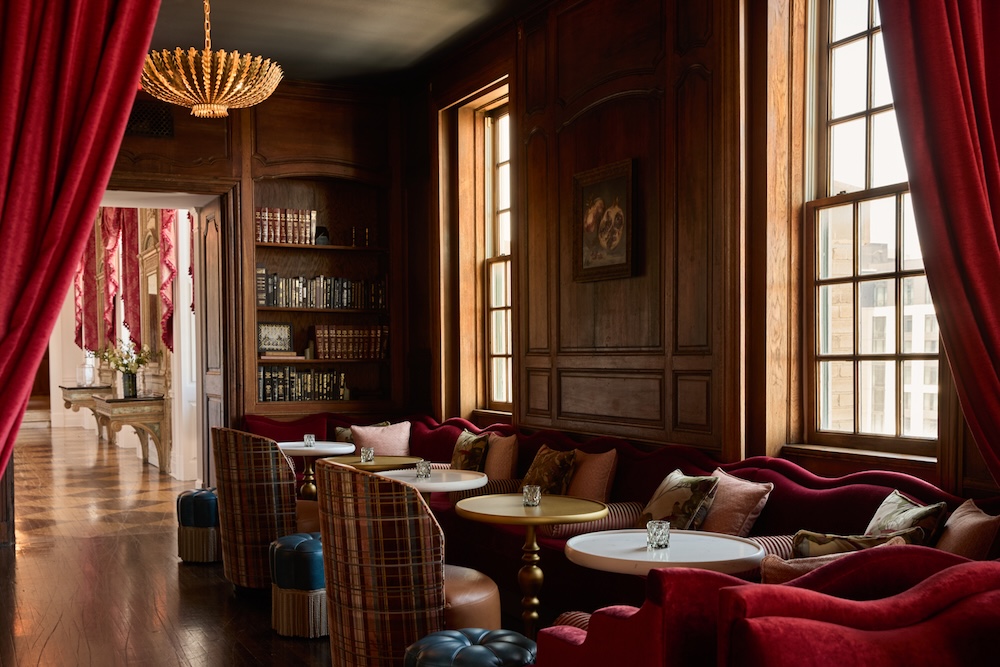
The eleventh floor of The Stoneleigh holds a particularly significant place in its history, having once been the location of the Colonel’s private penthouse apartment, meticulously designed by Dorothy Draper herself. Today, this floor has been thoughtfully repurposed to house elegant meeting spaces, five signature suites, and the original music room, dining room, and library. This strategic repurposing allows guests to experience the grandeur of the hotel’s past within a contemporary context, offering a unique blend of historical preservation and modern functionality.
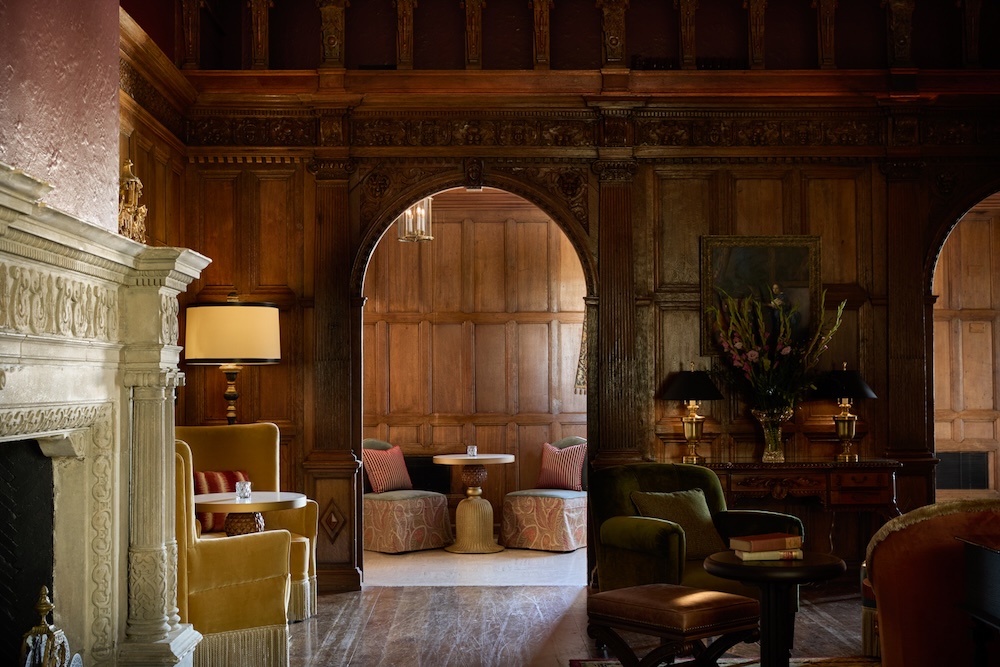
The double-height music room is a breathtaking space, featuring meticulously restored 500-year-old wood paneling that whispers tales of centuries past. A minstrels’ balcony overlooks the room, adding a theatrical element, while a custom chandelier, composed of 210 precisely cut crystal pieces, casts a dazzling spectacle of light. This space is designed to host performances and events, offering an unforgettable backdrop.
Among the new suites, the Draper Suite stands out as a tribute to the legendary decorator. It is centered around a lavish bed canopy, crafted from exquisite Oscar de la Renta fabric, evoking a vision of where the style icon herself might have resided. This suite is a meticulously designed homage to Draper’s influence and the era she so elegantly defined.
Adding to the hotel’s exclusive offerings, the twelfth-floor penthouse suite boasts a storied past, having been a favored retreat for luminaries such as Elvis Presley and Audrey Hepburn. This opulent accommodation draws inspiration from Asian motifs, reinterpreted through the sophisticated lens of the 1930s. Beyond its luxurious interiors, the suite offers one of the most expansive penthouse terraces in Dallas, providing unparalleled views of the city skyline and a private oasis for guests.
Outdoor Elegance: Pool and Patio Revitalization
Fettle’s transformative vision extends to the hotel’s outdoor spaces, most notably the revitalized pool area. This area has been reimagined as a destination that balances relaxed sophistication with undeniable glamour, drawing inspiration from the fashionable Dallas society doyennes of the 1920s and 1930s. Custom Italian parasols provide stylish shade, while a bespoke DJ booth is poised to set the mood for lively gatherings. A carefully selected palette of coral and green hues defines the poolside ambiance, creating a visually appealing and serene environment.
The patio adjacent to the Lion’s Den further enhances the outdoor dining and lounging experience. Overlooking the hotel’s garden, this space is furnished with cheerful outdoor fabrics and whimsical verdigris-finished furnishings, creating an inviting and charming atmosphere. These outdoor enhancements provide guests with opportunities to enjoy the Dallas climate in style and comfort, further extending the hotel’s luxurious embrace beyond its interior walls.
Historical Context and Design Philosophy
The Stoneleigh’s journey from its opening in 1923 to its present-day renovation is a testament to its enduring appeal and adaptability. Initially conceived as a luxurious residential hotel, it quickly became a landmark in Dallas. Its early years were marked by an Art Deco and Beaux-Arts architectural style, embodying the opulence and optimism of the Roaring Twenties. The significant influence of Dorothy Draper in the mid-20th century cemented its reputation for bold, maximalist design, a style that was revolutionary for its time and remains iconic today.
Fettle’s intervention was not a radical departure but a thoughtful evolution. The studio’s portfolio often demonstrates a keen understanding of historical context, seeking to enhance rather than erase the character of existing spaces. For The Stoneleigh, this meant a deep dive into the hotel’s architectural heritage and its celebrated design legacies. The use of high-quality materials, artisanal craftsmanship, and partnerships with renowned design houses like Sogni di Cristallo and the collaborative efforts with artists like Jack Lewis underscore a commitment to excellence that aligns with the hotel’s original vision.
The decision to build upon Dorothy Draper’s aesthetic, rather than overwrite it, is a strategic choice that respects the hotel’s identity. Draper’s influence is characterized by her use of vibrant colors, dramatic patterns, and a sense of playful grandeur. Fettle has incorporated these elements through modern interpretations, such as the geometric wallcoverings and plush velvets in the guestrooms, and the sophisticated use of textures in the Lion’s Den. This approach ensures that the hotel feels both timeless and contemporary.
Data and Implications
The renovation of The Stoneleigh arrives at a time when historic hotels are experiencing a resurgence in popularity. Travelers increasingly seek authentic experiences that offer a connection to the past, combined with modern comforts and amenities. The $XX million investment in The Stoneleigh’s renovation, while not publicly disclosed, is indicative of a broader trend among luxury hotel groups to preserve and enhance landmark properties. Marriott International’s Autograph Collection, under which The Stoneleigh operates, specifically curates independent hotels with distinct personalities and historical significance, making this renovation a strategic enhancement for the brand.
The success of this renovation will likely be measured not only by occupancy rates and revenue but also by its ability to attract a discerning clientele that appreciates both historical charm and contemporary luxury. The inclusion of unique features like the Draper Suite and the historically significant spaces on the eleventh floor positions The Stoneleigh as a destination hotel, capable of drawing guests for its unique story and design. Furthermore, the revitalization of public spaces like Bar Leonessa and Lion’s Den aims to re-establish the hotel as a vibrant social hub within Dallas, appealing to both guests and locals. The hotel’s longevity, spanning nearly a century, suggests a strong foundation, and this renovation is poised to ensure its relevance for decades to come. The careful balance achieved by Fettle between preserving historical integrity and infusing modern sensibilities is a key factor in its potential to set a new benchmark for historic hotel renovations.


 Anjar Salim
 Chandra Hamzah
 Tatiana Tantri Indah Sari
 Budi Mulyono

