
 Dwi Wanna
Madrid, the capital and largest city of Spain, serves as the primary political, economic, and cultural nexus of the Iberian Peninsula. With a municipal population exceeding 3.5 million—growing to over 6.7 million within its metropolitan area—the city functions as a sprawling urban landscape that synthesizes centuries of imperial history with a contemporary, high-density lifestyle. Annually, the city attracts over 10 million international and domestic visitors, cementing its status as one of Europe’s premier tourism destinations. As an administrative and financial hub, Madrid’s evolution from a 9th-century frontier outpost to the seat of the Spanish Empire has left a permanent imprint on its architectural, artistic, and gastronomic landscape.
Historical Context and Urban Development
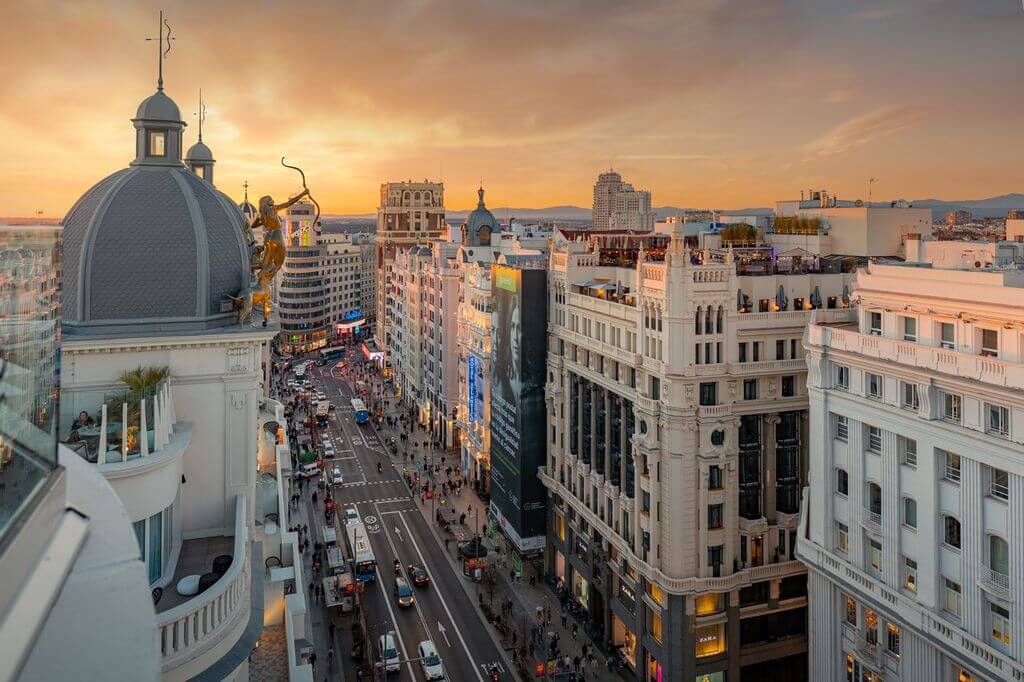
The city’s identity is inextricably linked to the Habsburg dynasty, which designated Madrid as the permanent capital in 1561. This decision transformed a modest town into the center of a global empire. Today, this historical legacy is preserved through the "Madrid de los Austrias" (Habsburg Madrid) district, characterized by its medieval street patterns and Renaissance-style architecture. The city’s urban planning has been defined by a deliberate tension between its preservation of historical monuments and its rapid modernization, particularly evident in the development of the Gran Vía in the early 20th century.
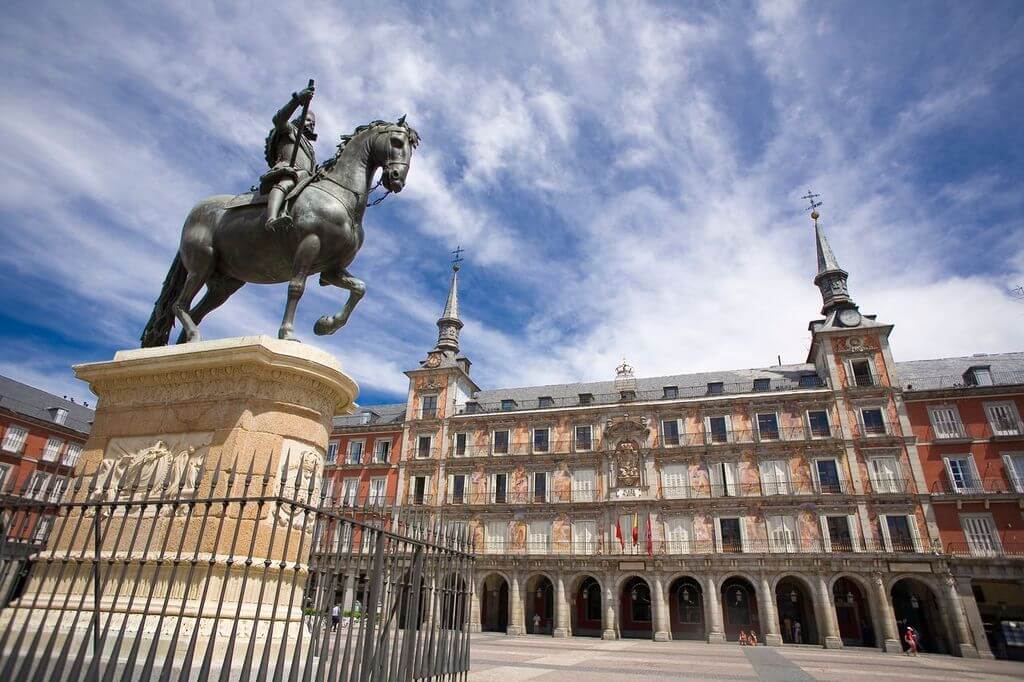
In 2021, UNESCO recognized the "Landscape of Light," a site encompassing the Paseo del Prado and the adjacent El Retiro Park, as a World Heritage site. This designation highlights the city’s unique integration of urban greenery with monumental art and scientific institutions, a project that began under King Philip II and matured during the Enlightenment.
A Five-Day Strategic Itinerary
Day 1: The Golden Triangle of Art
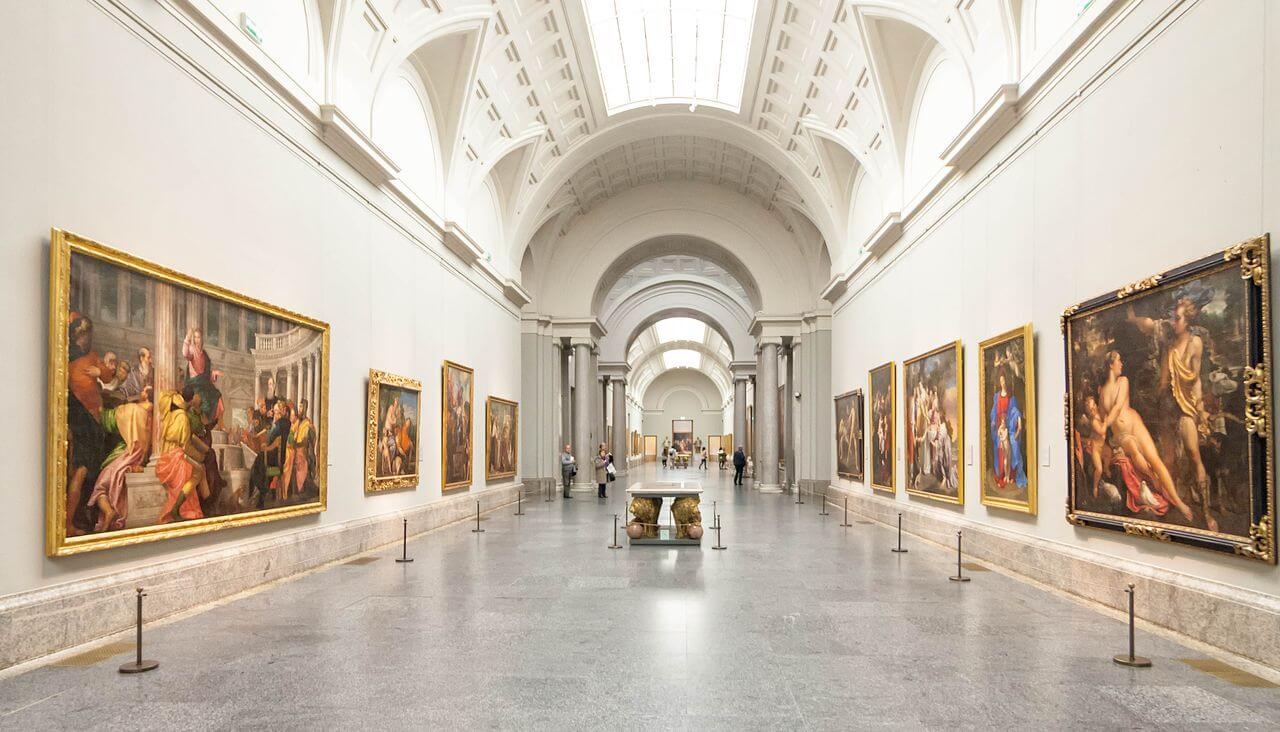
The first day of exploration focuses on the "Golden Triangle of Art," a high-density zone of cultural institutions. The Museo Nacional del Prado, inaugurated in 1819, houses one of the world’s most comprehensive collections of European art, featuring over 7,000 paintings. Notable works by Velázquez, Goya, and El Greco anchor the collection, which serves as a repository for the Spanish monarchy’s historical acquisitions.
The itinerary continues to the Thyssen-Bornemisza Museum, which provides a chronological bridge between the classical works of the Prado and the modernism found at the Reina Sofía National Art Center. The latter’s primary draw is Pablo Picasso’s "Guernica," a monumental 1937 oil painting commissioned by the Spanish Republican government for the Paris International Exposition. The piece remains a critical cultural artifact, symbolizing the humanitarian cost of the Spanish Civil War.
Day 2: The Habsburg Legacy and Royal Infrastructure
Day two shifts to the medieval core of the city. The Puerta del Sol serves as the geographic and logistical center of Spain, marked by "Kilometer Zero," the reference point for the nation’s radial road network. The site also features the "El Oso y el Madroño" (The Bear and the Strawberry Tree) statue, a symbol of the city’s heraldry since the 13th century.
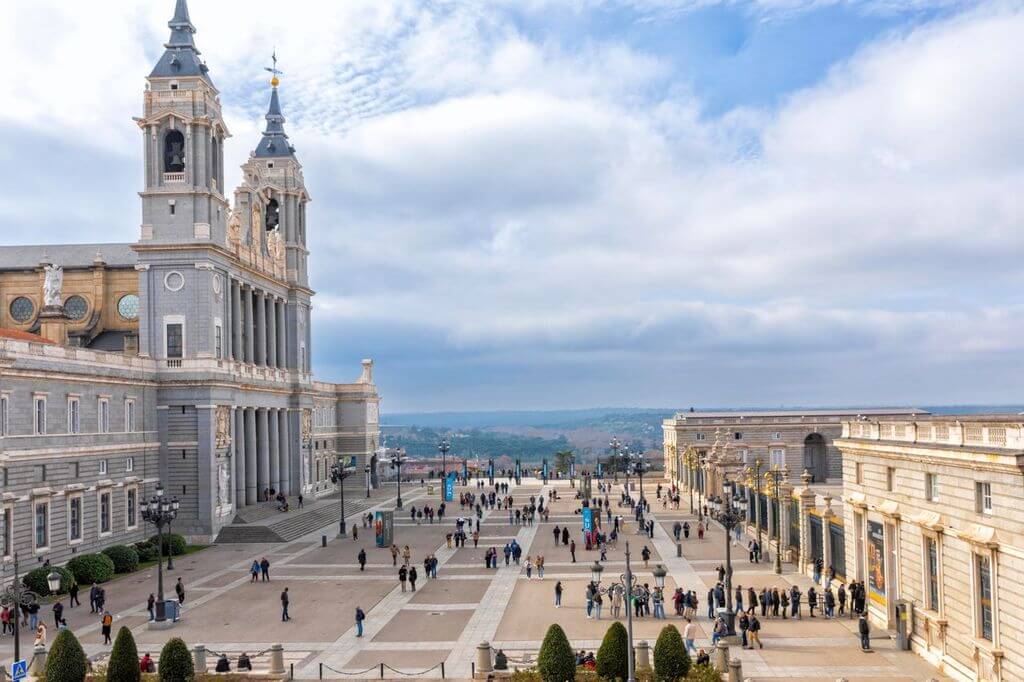
The Royal Palace of Madrid, currently the largest royal palace in Western Europe by floor area, spans 135,000 square meters. While it serves as the official residence of the Spanish monarchy, it is primarily utilized for state ceremonies and diplomatic functions. Adjacent to the palace, the Almudena Cathedral represents a unique architectural anomaly; though its construction began in 1883, it was not consecrated until 1993, resulting in a structural synthesis of Neo-Classical and Neo-Romanesque styles.
Day 3: Gastronomic Evolution and Market Culture
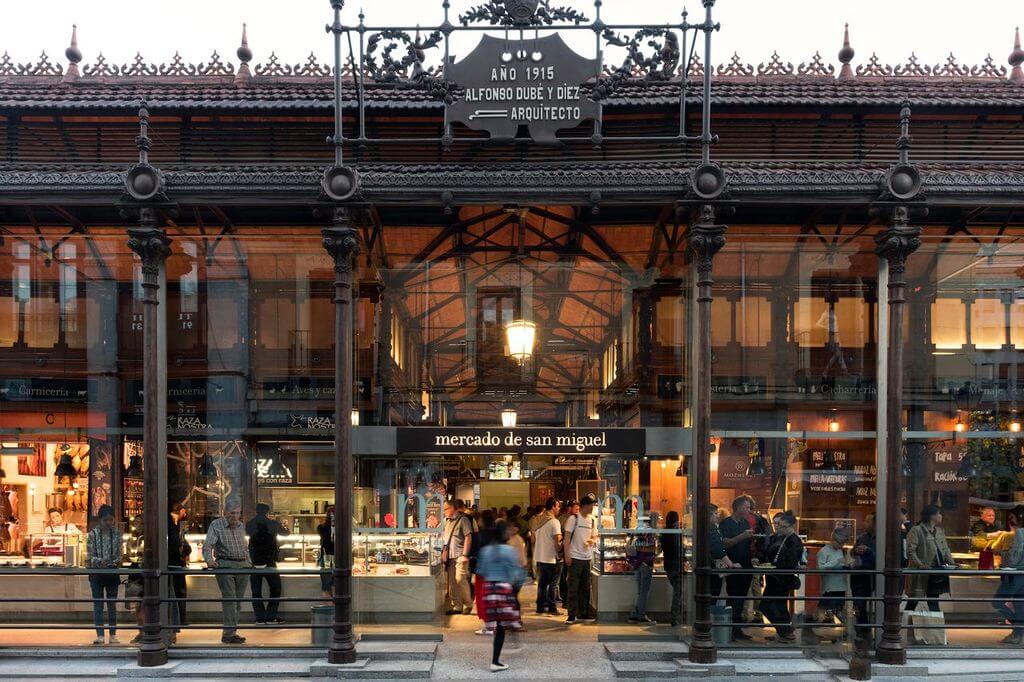
Madrid’s culinary industry is a significant contributor to the city’s service-sector GDP. The Mercado de San Miguel, a 20th-century iron-structured market, has transitioned from a local wholesale food hub to a premium gastronomic venue. This reflects a broader trend in European urban centers: the gentrification of traditional markets into curated "food halls."
Data from the Spanish Ministry of Agriculture, Fisheries and Food indicates that traditional culinary tourism—centered on tapas culture—is a primary driver for repeat visitation. Establishments such as Sobrino de Botín, founded in 1725 and cited by the Guinness World Records as the oldest continuously operating restaurant in the world, highlight the intersection of heritage and commercial hospitality.
Day 4: UNESCO Sites and Regional Connectivity
The fourth day requires travel outside the city center to examine the broader historical influence of the Spanish crown. The Monastery of San Lorenzo de El Escorial, located 45 kilometers northwest of Madrid, is a monumental complex that served as the political center of the Spanish empire under Philip II. Its construction, spanning from 1563 to 1584, utilized granite in a stark, Renaissance style that signaled the austerity and power of the Habsburgs.
Alternative sites, such as the Royal Palace of Aranjuez—a UNESCO site renowned for its extensive gardens—and the historic university town of Alcalá de Henares, provide evidence of the Spanish Golden Age. These locations underscore the regional strategy of decentralizing historical narratives to manage the influx of tourism in the capital.
Day 5: Cloistered Art and Urban Expansion
The final day focuses on lesser-known monastic institutions, such as the Monastery of Las Descalzas Reales and the Royal Monastery of La Encarnación. These sites function as private museums, housing collections of religious art and artifacts that were largely inaccessible to the public for centuries. The transition of these sites from active religious institutions to heritage sites reflects a shift in European cultural management, where the preservation of religious history is now balanced with public education and tourism.
The itinerary concludes at Casa de Campo, a 1,722-hectare public park. Originally a royal hunting ground, the site was opened to the public in 1931. It serves as a vital ecological buffer for the city and provides a critical vantage point for assessing the urban scale of Madrid’s historic center.
Broader Economic and Cultural Implications
The continued prioritization of tourism by the Madrid municipal government has led to a sustained infrastructure investment strategy. Significant efforts have been made to expand the city’s metro network—the second largest in Europe—and to promote pedestrianization in historic districts. However, this growth has also raised questions regarding the sustainability of tourism-dependent economies.
Official responses from the Madrid Tourism Board emphasize that the city is currently focusing on "quality over quantity," shifting marketing efforts toward high-spending visitors and extended-stay travelers. By diversifying the tourism offering beyond the traditional historic center and into the city’s peripheral districts, the municipal government aims to mitigate the effects of overcrowding and ensure that the economic benefits of tourism are distributed more equitably across the metropolitan region.
For the international traveler, the primary challenge remains navigating the city’s late-night social schedule and high-volume seasonal crowds. Planning ahead, particularly regarding museum reservations and peak-hour transit, is essential for an efficient visit. With its extensive inventory of hotels and high-capacity transport infrastructure, Madrid remains well-positioned to maintain its status as a leading global travel destination for the foreseeable future.



 Anjar Salim
 Chandra Hamzah
 Tatiana Tantri Indah Sari
 Budi Mulyono
 Lukman Taruna Persada Ramadan
