
 Anjar Salim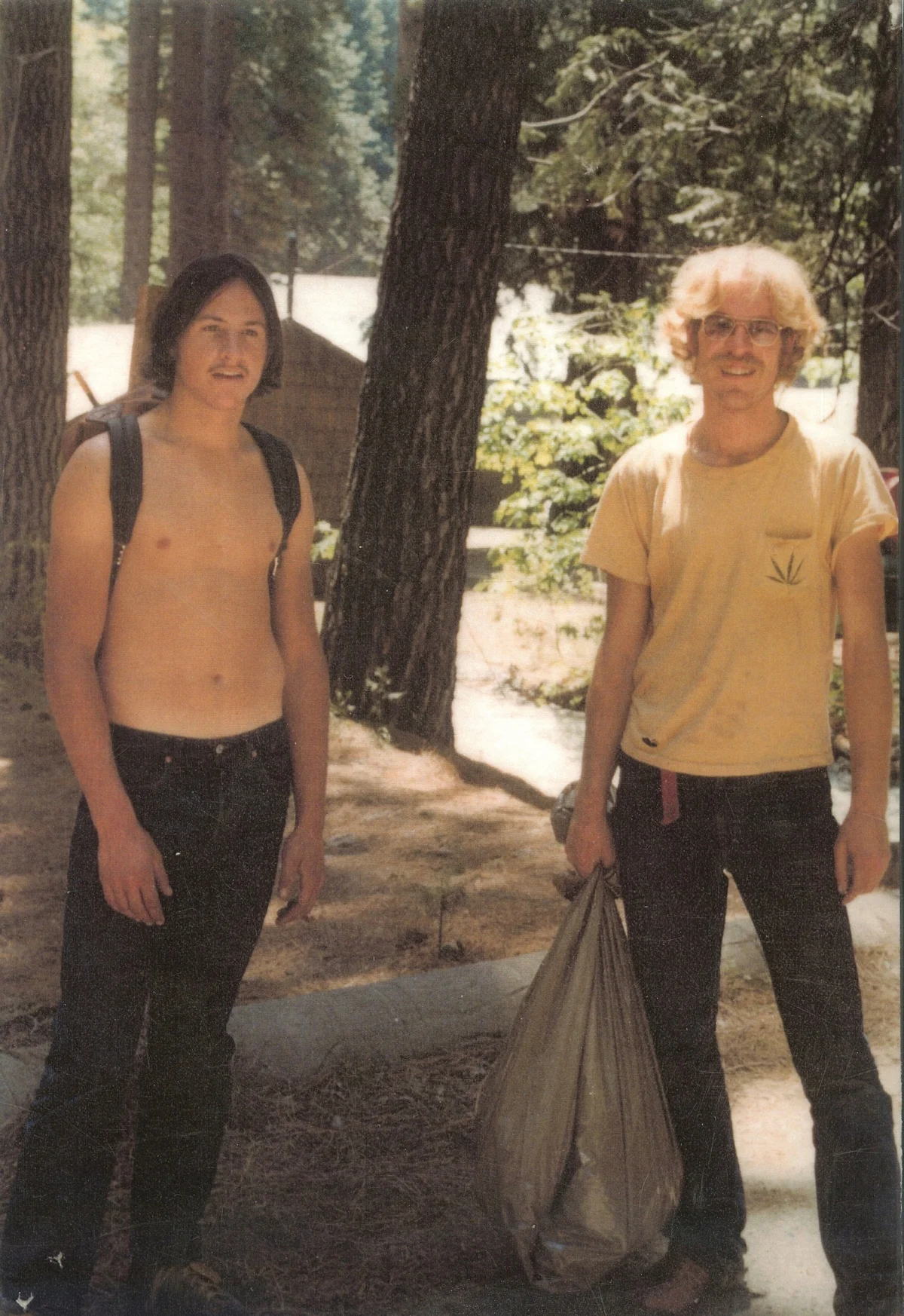
Fifty years after a twin-engine Howard 500 aircraft slammed into Lower Merced Pass Lake carrying three tons of illicit Mexican marijuana, a new full-length documentary titled High Ground brings fresh perspective to one of Yosemite National Park’s most enduring subterranean legends. Produced by British production company Dash Pictures and directed by Daniel Sharp, the 90-minute film examines the December 1976 crash that resulted in two fatalities, a subsequent underground drug rush, and a complex cultural shift within the park’s storied climbing community. Featuring rare archival accounts and newly public confessions from former climbers, park rangers, and federal agents, the documentary illuminates a transformative chapter in Yosemite’s history that has long been shrouded in myth, aliases, and institutional silence.
The Chronology of the 1976 Crash and the Subsequent Recovery
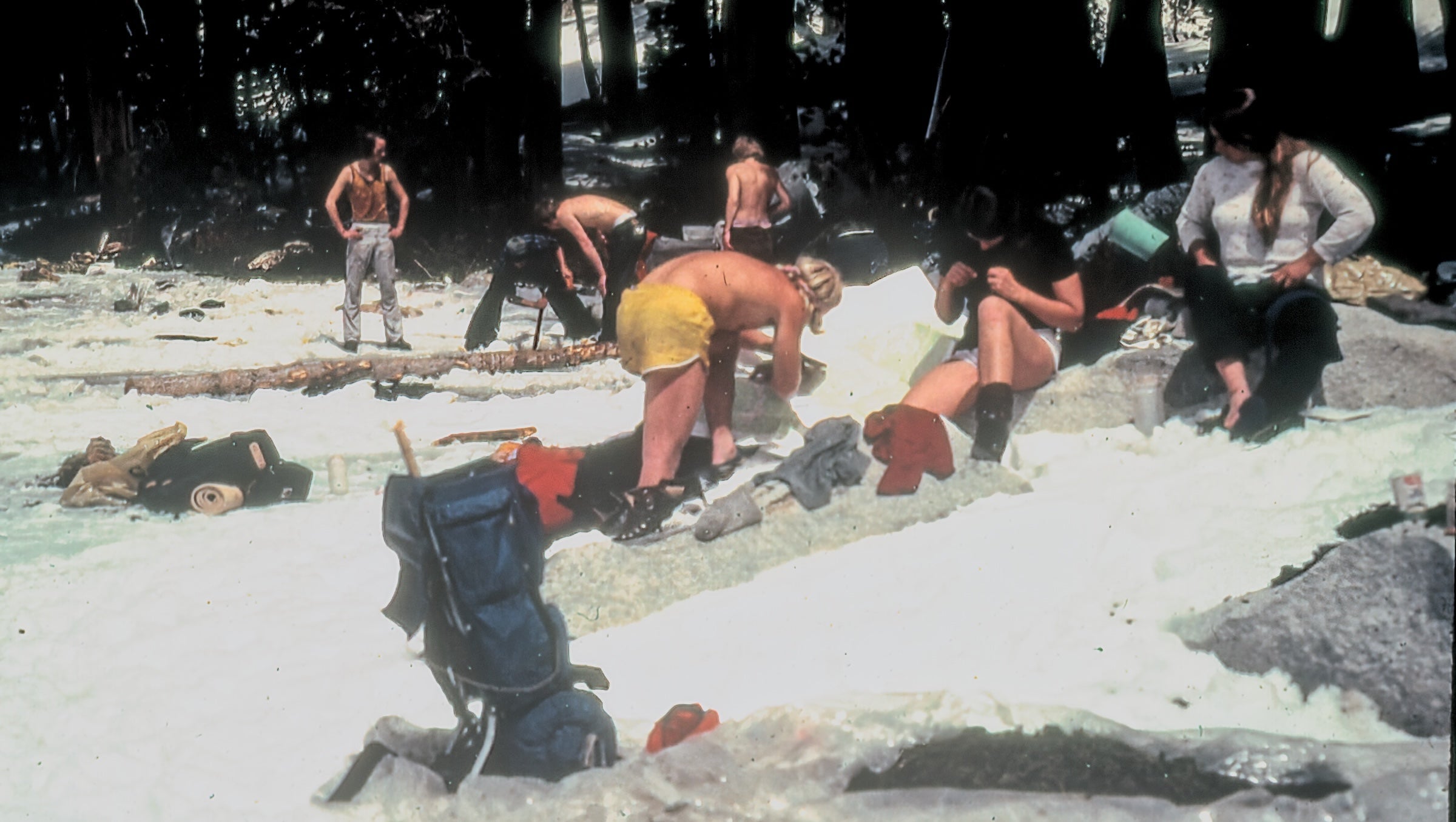
The sequence of events began on December 8, 1976, when the Howard 500 transport plane—loaded with approximately 6,000 pounds of contraband—encountered catastrophic conditions and crashed into the remote, ice-covered Lower Merced Pass Lake at high elevation within Yosemite National Park. The two pilots onboard were killed upon impact. However, the wreckage remained undetected by authorities for nearly two months.
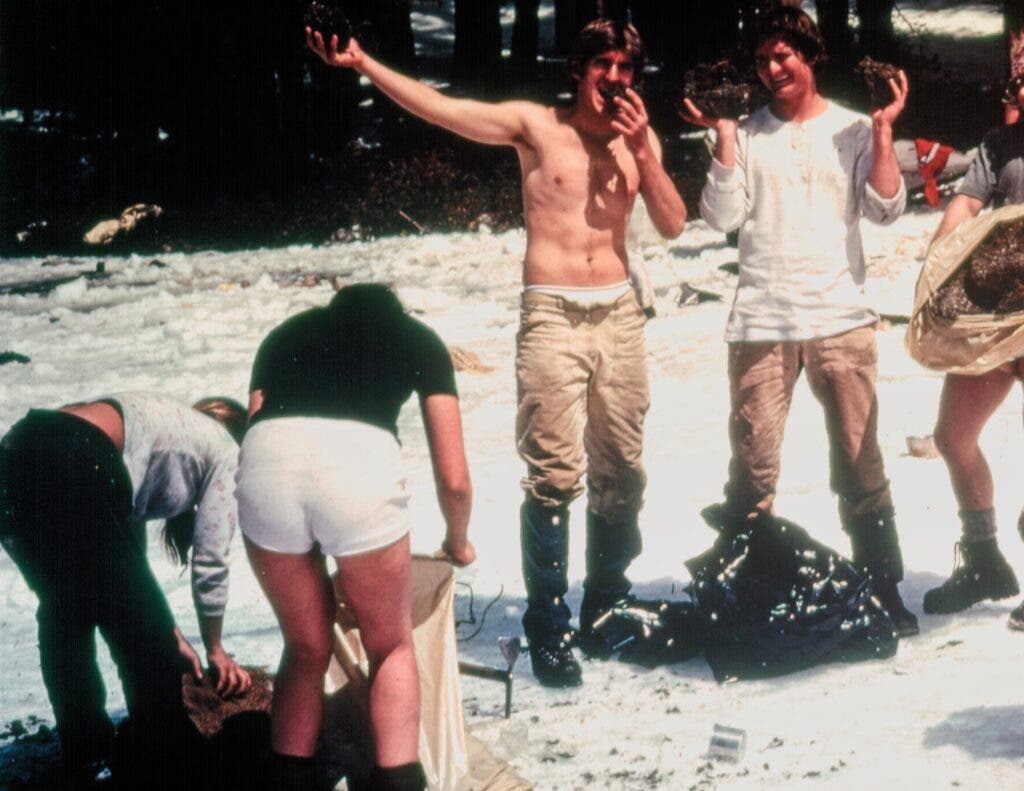
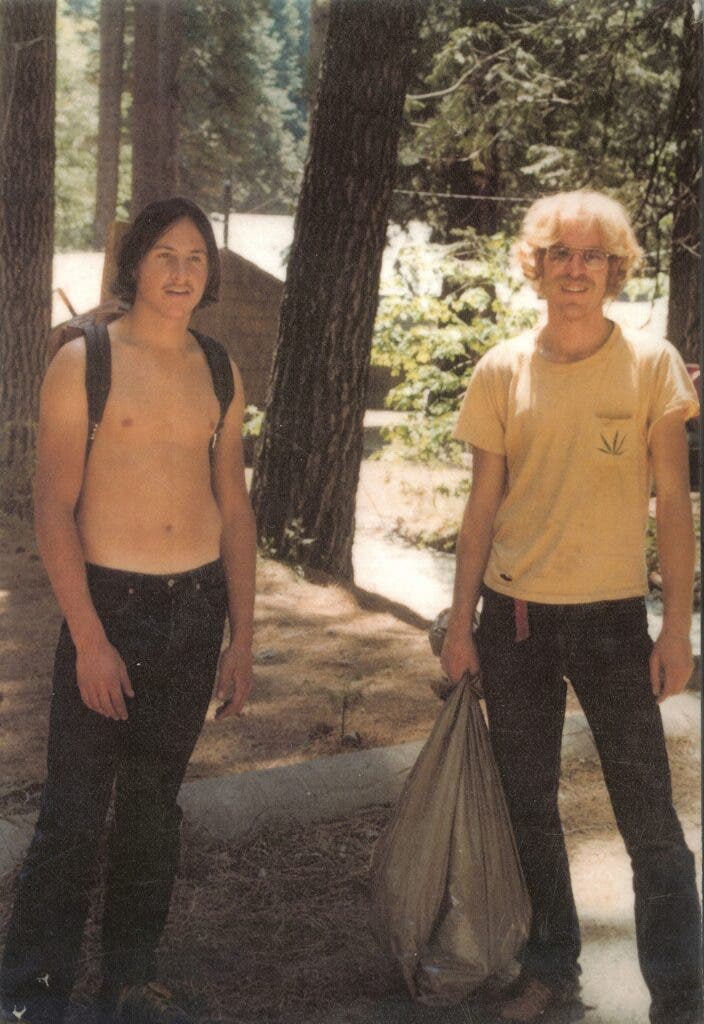
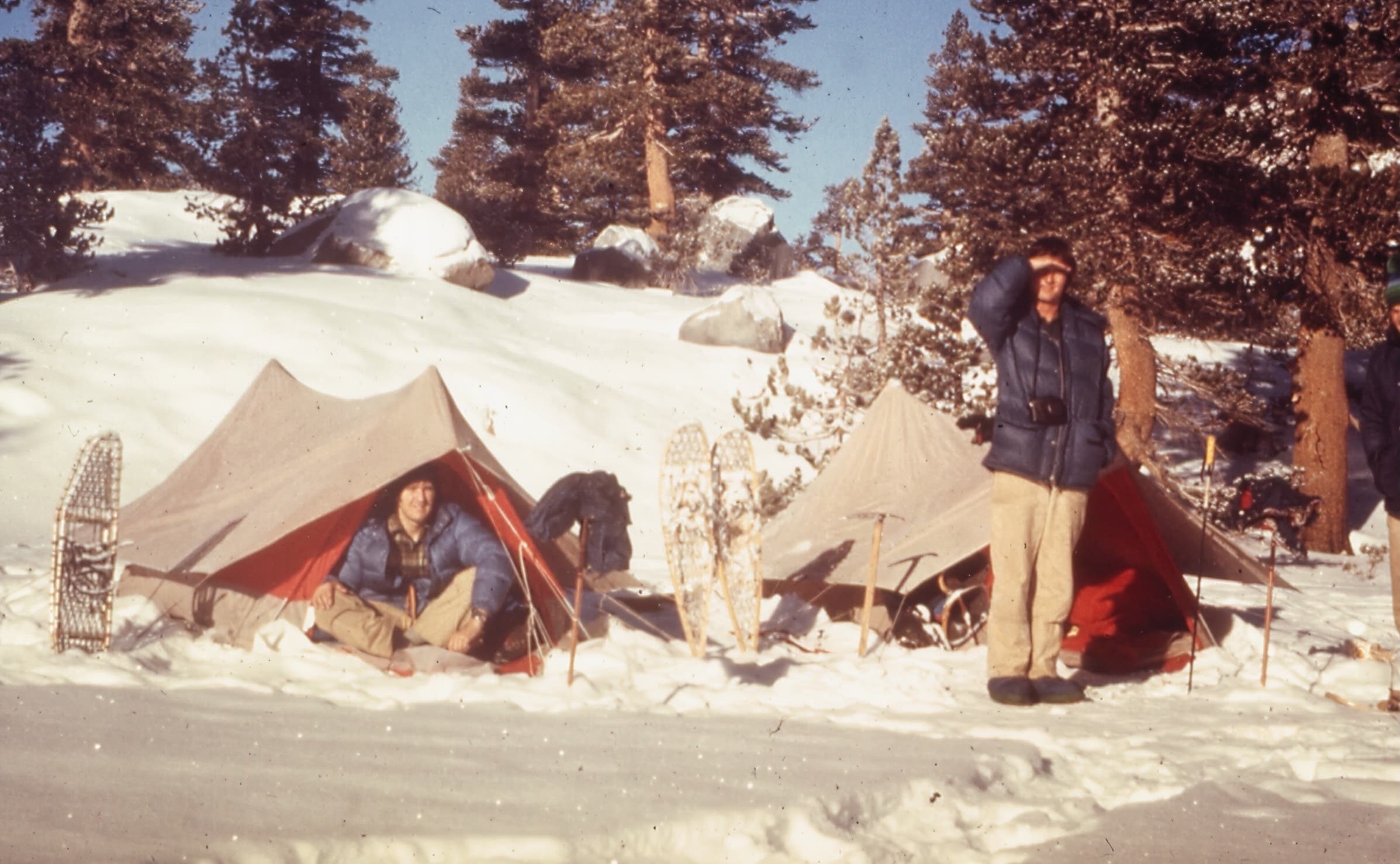
It was not until January 27, 1977, that the downed aircraft was officially discovered by park officials. In the interim, word of the massive cargo spread quickly through the tight-knit, counterculture Yosemite climbing community. What followed was a clandestine winter operation executed by local climbers who braved sub-zero temperatures, treacherous river crossings, and deep snowpacks to retrieve water-logged bales of marijuana from the freezing lake.
For months, participants hauled multi-pound burlap sacks out of the wilderness. While federal authorities and park law enforcement attempted to secure the area and investigate the trafficking ring, a significant portion of the contraband was successfully salvaged, hidden, and integrated into the regional underground economy before the full scope of the operation could be intercepted.
Data, Logistics, and the Reality of Dope Lake
The logistical footprint of the 1976 incident remains staggering by historical standards. The payload consisted of approximately three tons of high-grade Mexican cannabis—categorized by participants at the time as premium south-of-the-border variants, protected by layered burlap and plastic packaging designed to withstand moisture, though ultimately compromised by the aquatic crash site and jet fuel leakage.
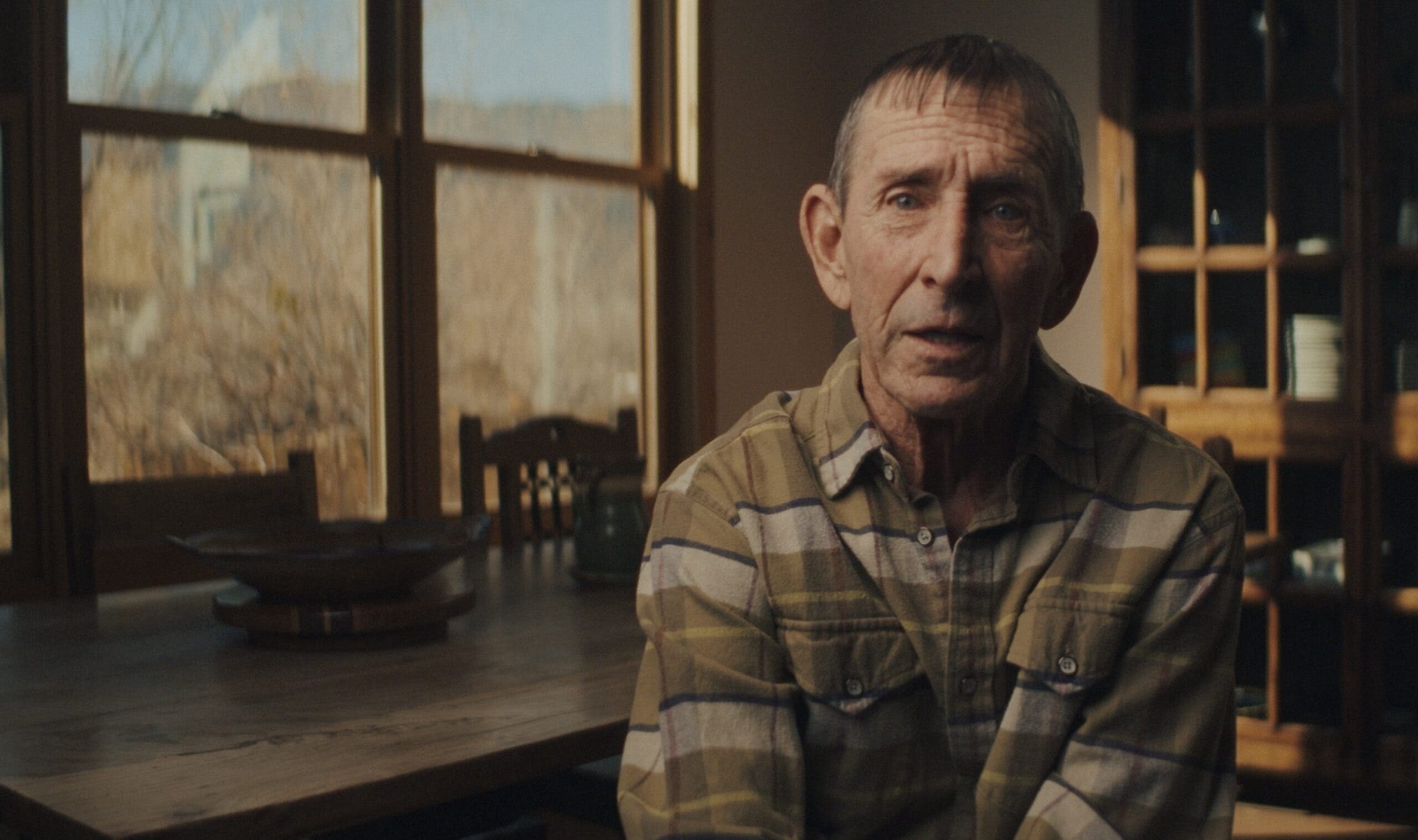
Despite the fuel contamination and prolonged immersion in an alpine lake littered with aircraft debris, portions of the recovered marijuana survived in usable condition. For many young climbers operating on subsistence-level incomes, the salvaged product served as a high-value commodity. Profits from the distribution of the plane weed were frequently converted into essential capital. Climbers notably used the funds to purchase dependable transportation, upgrade climbing hardware, and finance expeditions to prominent alpine ranges across North America and Europe.
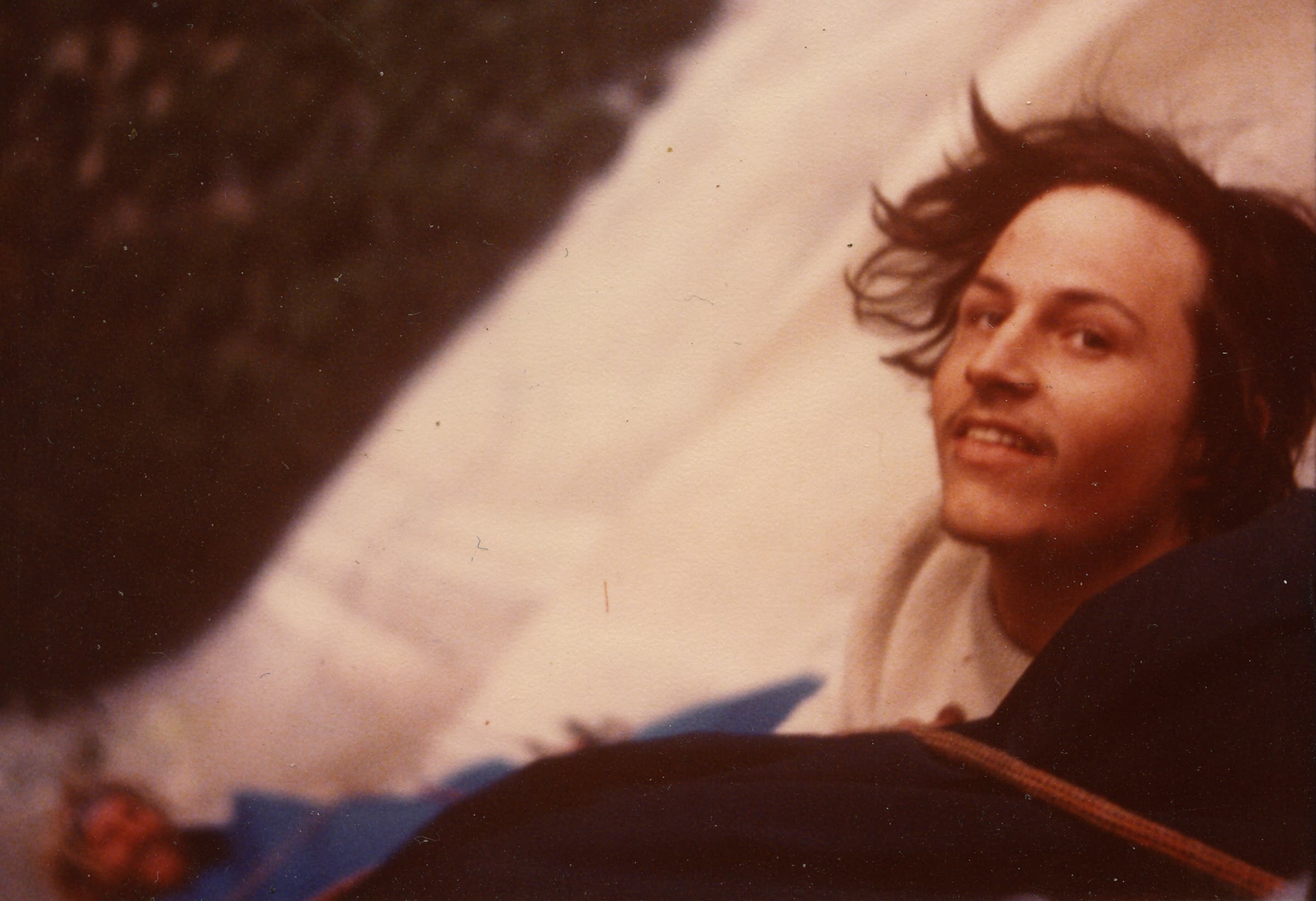
Ken Yager, founder of the Yosemite Climbing Association and a central figure in the documentary, utilized his share of the proceeds to acquire a used Volkswagen vehicle and fund critical gear required to pioneer new routes on El Capitan. Similarly, other contemporary figures, such as photographer Vern Clevenger, reportedly channeled their involvement into purchasing professional camera equipment that launched their careers.
Official Responses, Security Shifts, and the Evolution of Park Relations
The intersection of federal narcotics enforcement and the transient Yosemite climbing subculture during the late 1970s created an adversarial dynamic. In the wake of civil disturbances earlier in the decade, the National Park Service had expanded its law enforcement capabilities, deploying armed officers to patrol park boundaries. Long-haired climbers, living out of vehicles and modest cabins with minimal institutional income, frequently found themselves at odds with park rangers and concessionaire staff.
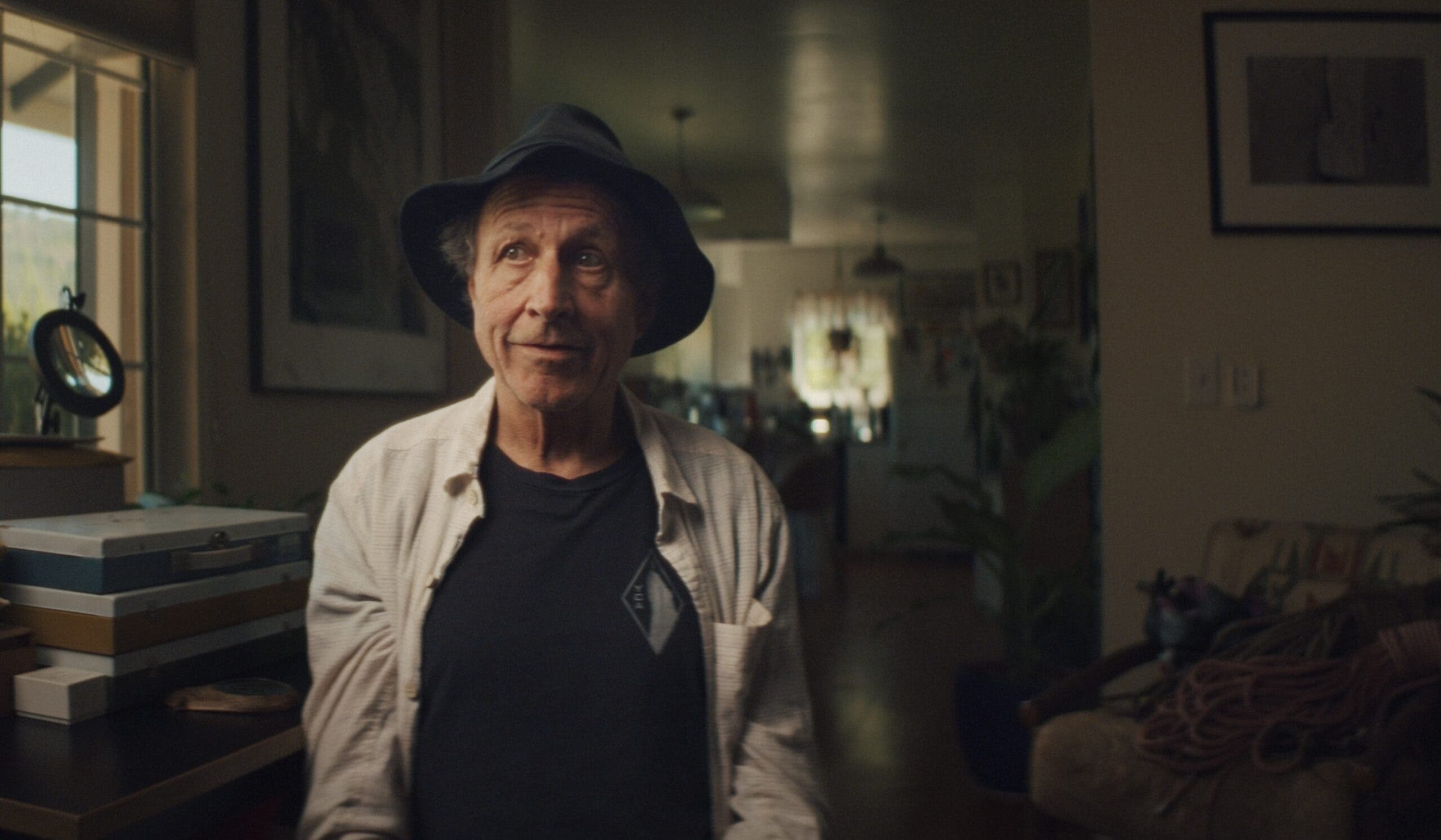
The discovery of the crash compounded these tensions, placing federal investigators in a difficult investigative position as they attempted to track down thousands of pounds of distributed narcotics while managing a recalcitrant local population. According to director Daniel Sharp, extensive outreach was required to secure the participation of key sources for High Ground. By offering reassurances regarding the expiration of federal statutes of limitations and emphasizing historical objectivity over criminal culpability, the production successfully convinced aging climbers and retired park personnel to go on the record for the first time.
The documentary purposefully avoids establishing clear-cut villains, framing the incident instead as a convergence of extraordinary circumstances where law enforcement officers, federal agents, and adventurous athletes navigated an unprecedented operational crisis.
Broader Impact and Legacy on Yosemite Culture
In the decades following the 1976 crash, the relationship between Yosemite’s administration and its climbing community underwent a fundamental evolution. While historical friction was characterized by mutual suspicion and clandestine enforcement tactics, contemporary dynamics have shifted toward institutional cooperation, largely facilitated by organized stewardship efforts such as the annual Yosemite Facelift cleanup event.
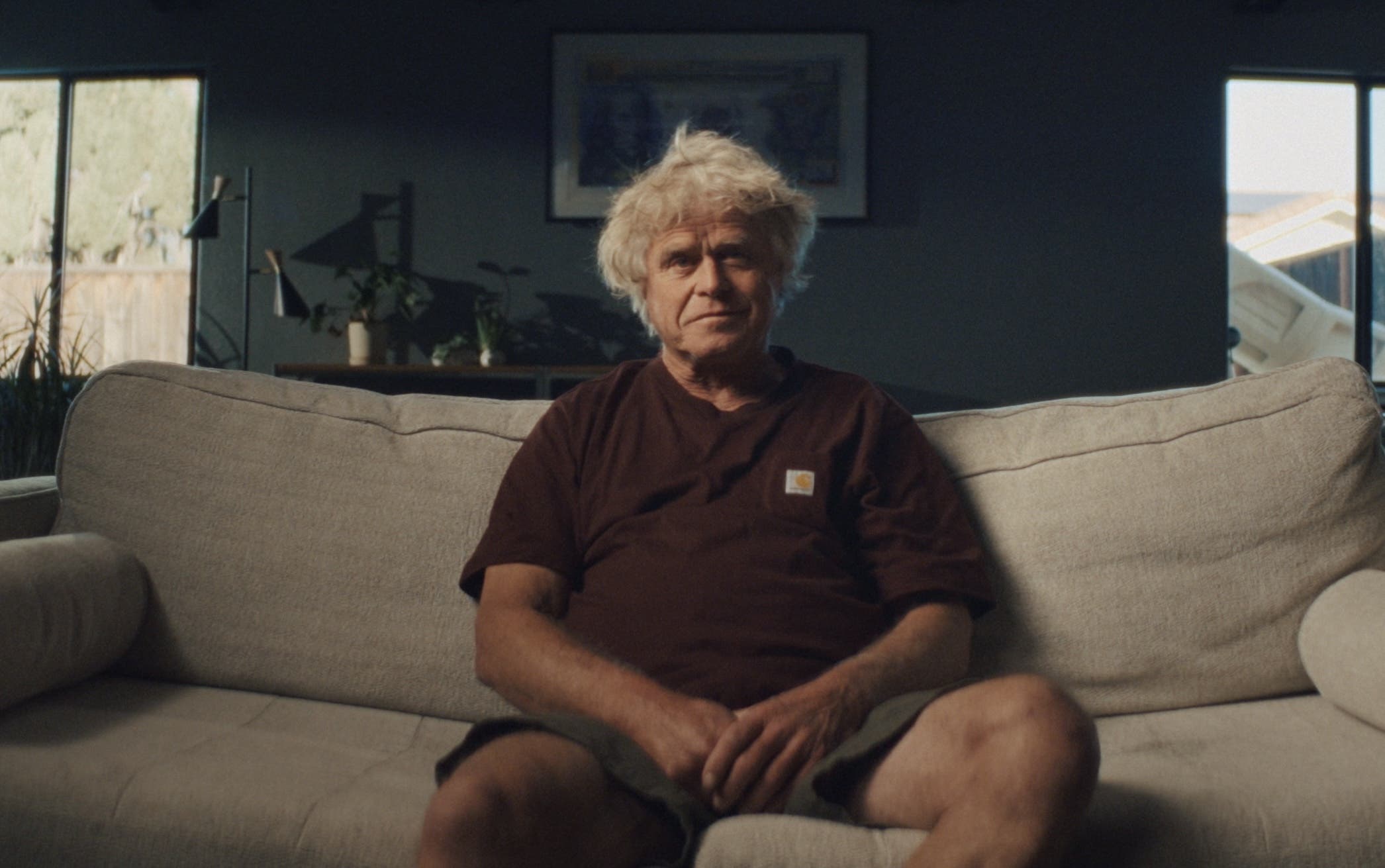
The release of High Ground serves as a historical capstone for a generation of climbers and rangers whose youth coincided with an era of intense counterculture expression and regulatory transition. By capturing firsthand testimonies before the passage of time claimed key witnesses—including the late climber Dale Bard and retired ranger Rick Smith—the documentary preserves a nuanced record of an event that inadvertently shaped the financial independence, exploratory reach, and cultural identity of modern American mountaineering.
The film premiered in September 2026 at the Yosemite Cinema in Oakhurst, California, with subsequent screenings scheduled at the San Diego Film Festival and regional exhibition venues ahead of a broader digital streaming release projected for early 2027.




 Chandra Hamzah
 Tatiana Tantri Indah Sari
 Budi Mulyono
 Lukman Taruna Persada Ramadan