
 Anjar Salim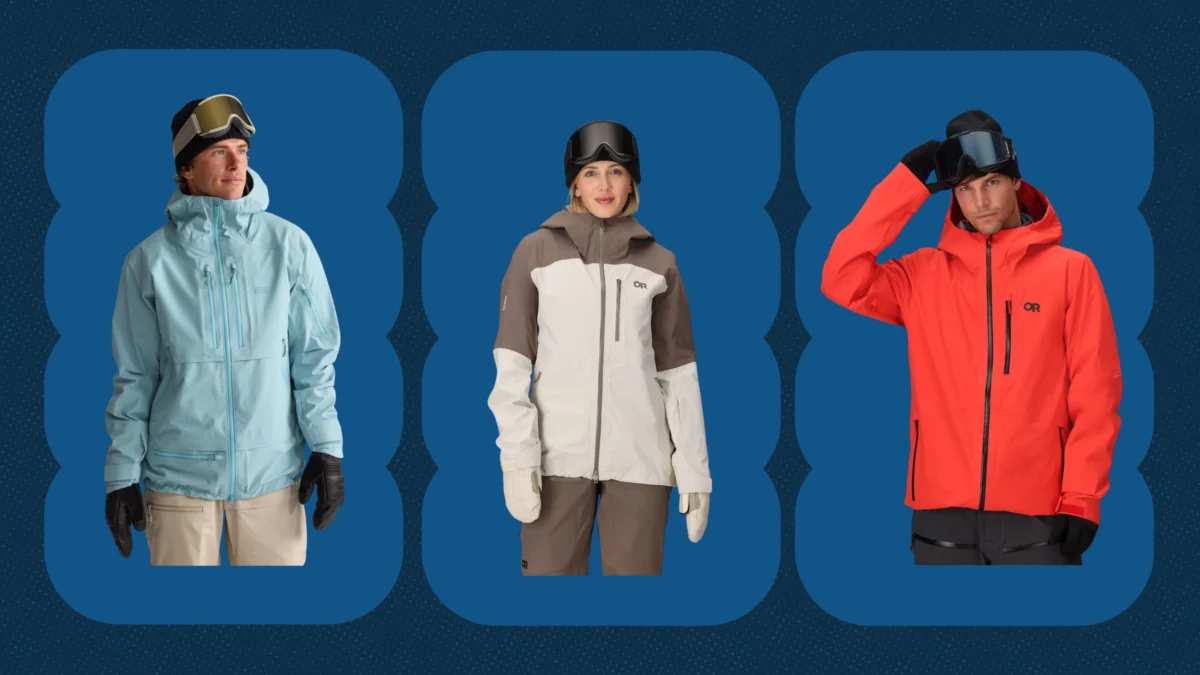
For dedicated winter sports enthusiasts, the transition from late summer to autumn marks the psychological countdown to the opening of chairlifts and the clearing of high-alpine snowpacks. As the daylight hours shorten and temperatures across North America begin their seasonal descent, the winter recreation community shifts into a familiar pre-season ritual. Skiers and snowboarders scour their gear lockers to inspect equipment integrity, engage in high-intensity resistance training to prepare their quadriceps for heavy moguls, and review archived ski cinematography to build anticipation. Beyond physical conditioning and media consumption, this transitional window between September and October presents a strategic financial opportunity: the annual outerwear inventory liquidation.
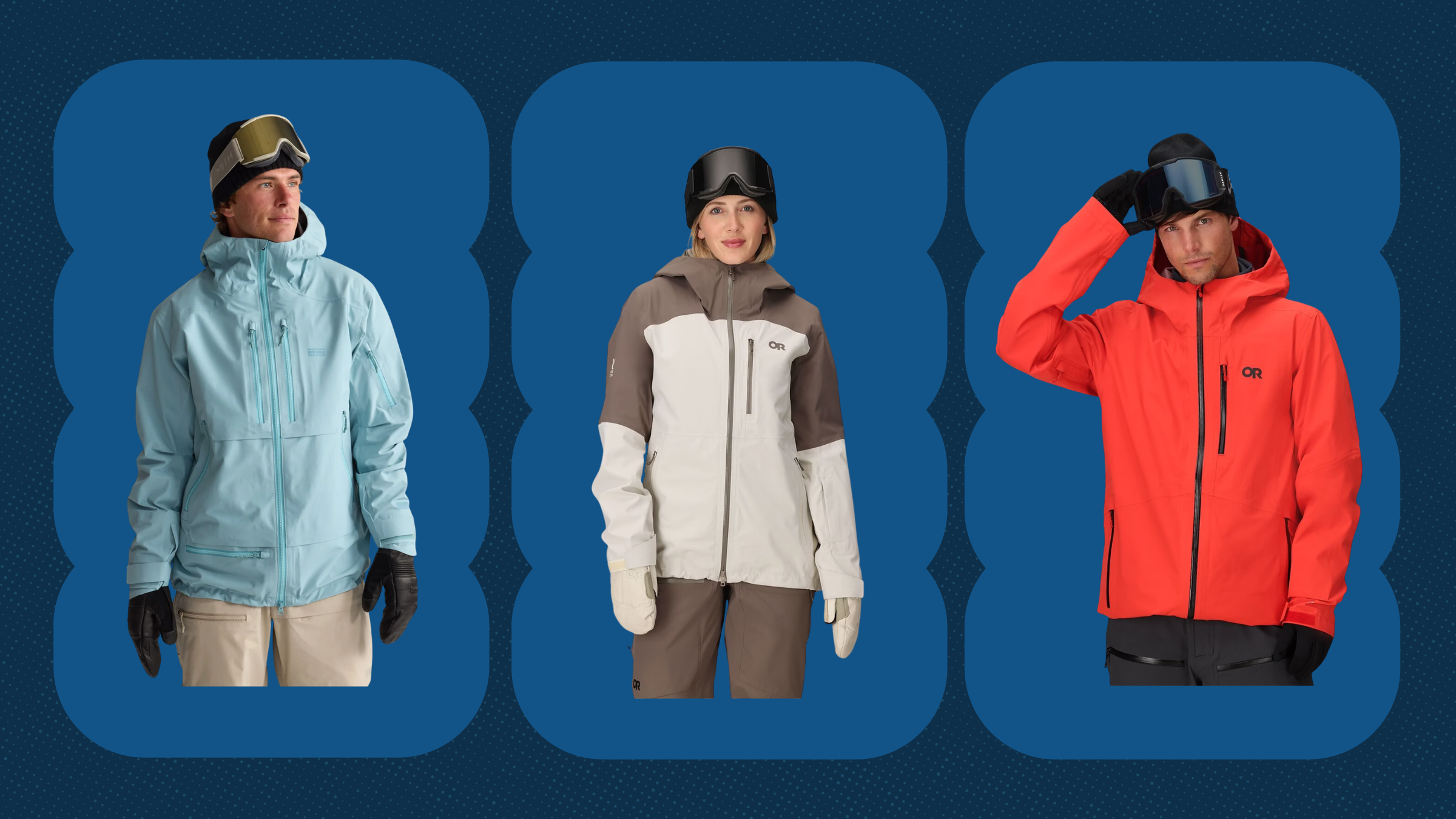
As major outdoor apparel manufacturers and specialized online distributors prepare for the upcoming influx of next-generation cold-weather gear, they initiate aggressive clearance sales to purge remaining stock from previous seasons. Industry analysts and gear testing panels report that late-summer and early-autumn retail cycles consistently yield the most significant price reductions of the entire calendar year for technical outerwear. For consumers willing to purchase previous-season colorways and discontinued models, premium three-layer shells, insulated resort jackets, and backcountry-specific garments can be acquired at fractions of their original manufacturers’ suggested retail prices (MSRP).
Market Dynamics and the Economics of Outerwear Liquidation
The phenomenon of late-season gear discounting is driven by fundamental supply chain pressures within the outdoor retail sector. Warehousing space is at a premium for specialized distributors and multi-brand retailers such as Recreational Equipment, Inc. (REI) and evo. When manufacturers prepare to ship new autumn and winter collections to distribution centers, older inventory must be cleared to maintain logistical efficiency. Consequently, online marketplaces and brick-and-mortar outlets reduce prices on high-end technical shells and insulated jackets by margins ranging from 25 to 60 percent.
Gear testing organizations, including the editorial and evaluation teams at prominent snow sports publications, monitor these inventory shifts closely. By cross-referencing previous winter performance metrics—evaluated across varying conditions from the wet, heavy maritime snowpacks of the Pacific Northwest to the cold, dry powder of the Intermountain West—experts identify which discounted garments offer genuine performance value rather than mere stylistic novelty. The resulting curation of clearance items highlights technical advancements in waterproof-breathable membranes, such as Gore-Tex ePE, Pertex Shield, and proprietary alternatives, making high-end weather protection accessible to budget-conscious consumers.
Tester-Approved Technical Shells at Steep Discounts
Among the most notable liquidations currently active across major online retail platforms are high-performance freeride shells that previously commanded premium price tags due to their advanced construction.
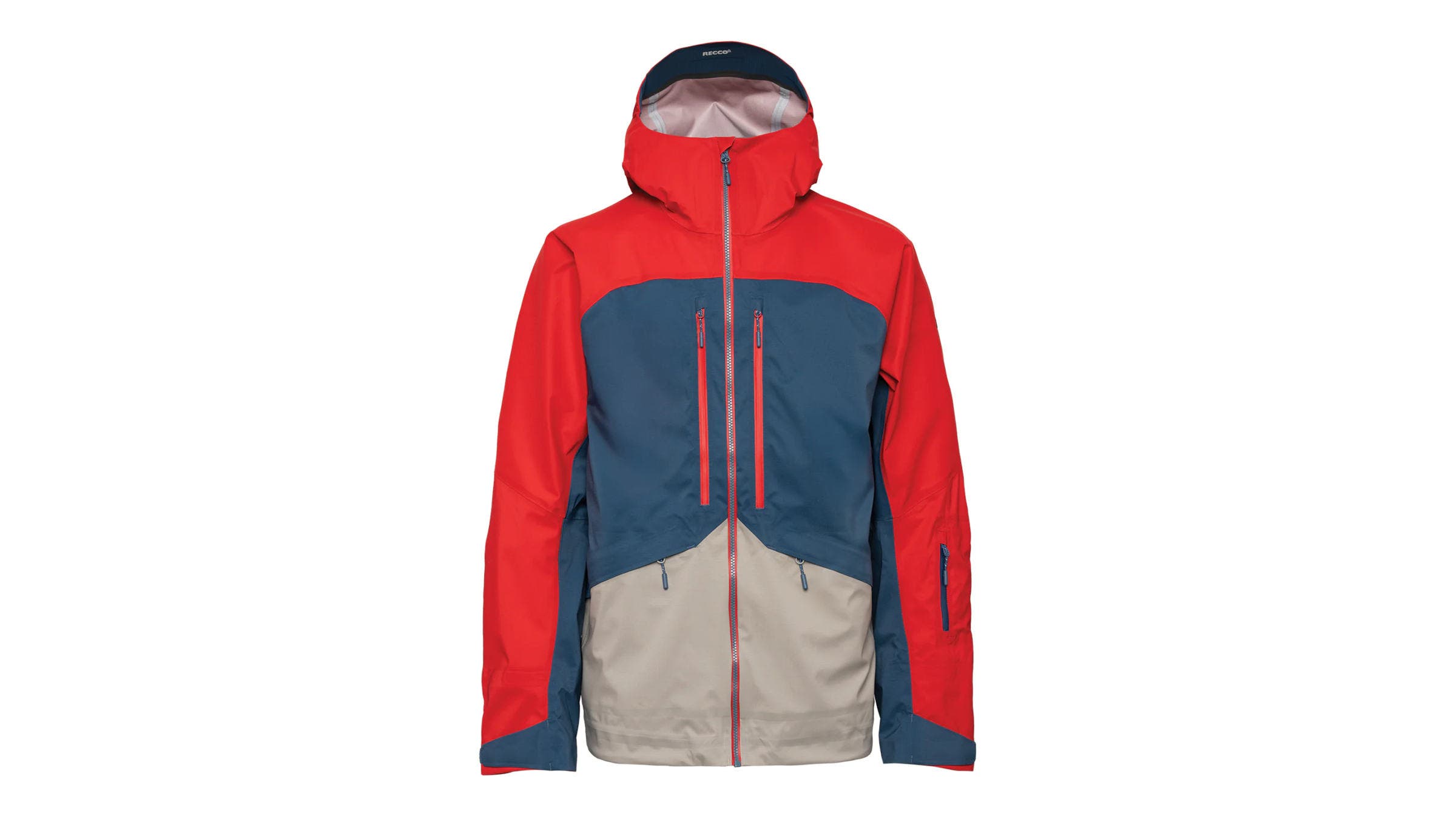
The men’s Strafe Nomad Jacket, originating from the design culture of Aspen, Colorado, has seen a 50 percent price reduction at select retailers. Evaluated by gear specialists as a premier choice for individuals who divide their time evenly between resort boundaries and human-powered backcountry ascents, the Nomad utilizes a three-layer Pertex Shield membrane. This textile provides a high degree of weather resistance while maintaining a lightweight profile. The jacket’s semi-relaxed articulation accommodates multiple insulating layers without restricting dynamic movement during park descents or steep alpine lines.
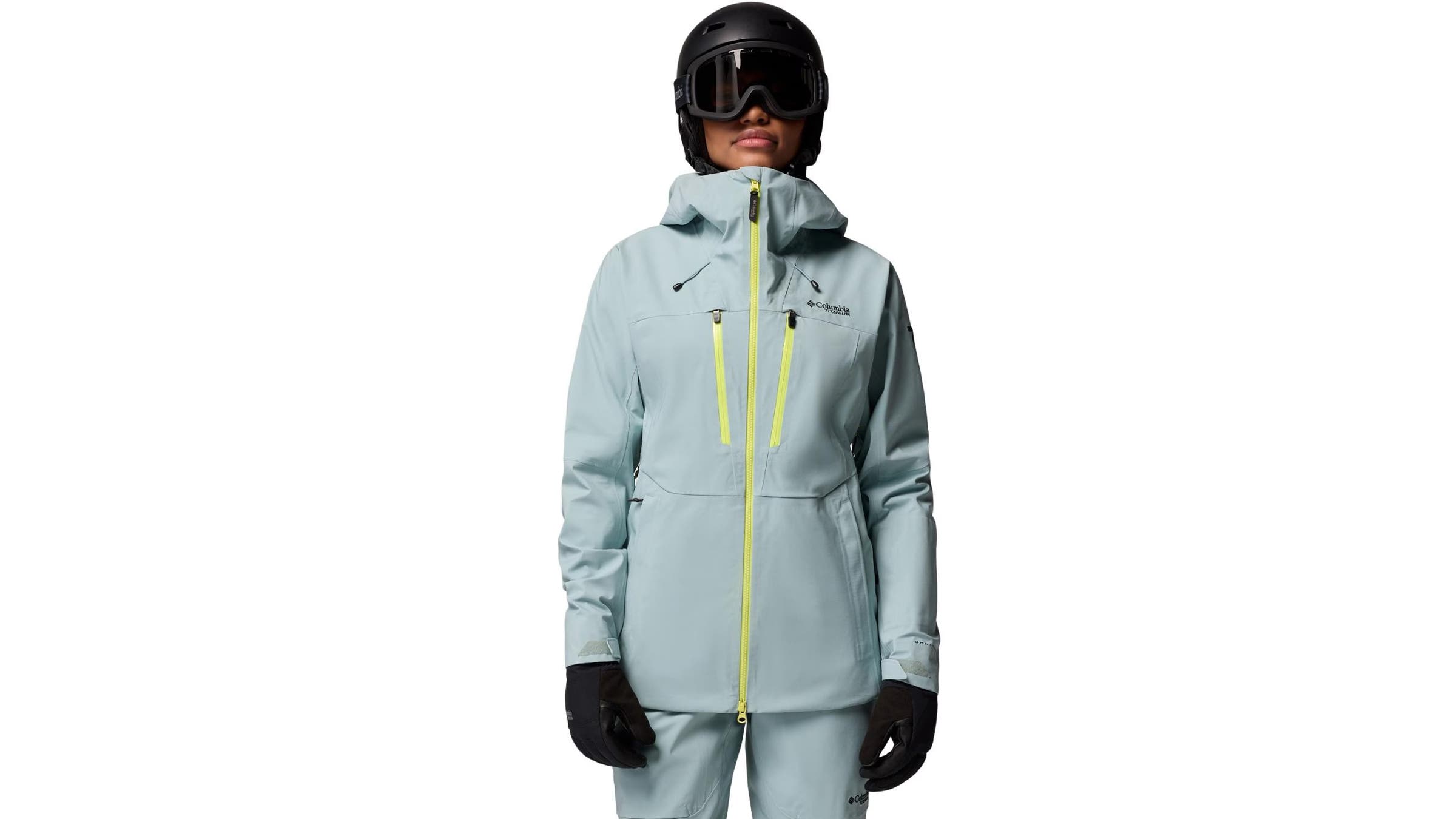
For skiers prioritizing budget efficiency without sacrificing technical specifications, the Columbia Platinum Peak II 3L Shell Jacket has emerged as a prominent option. Constructed with Columbia’s proprietary 20K/20K Omni-Tech waterproof-breathable membrane, the Platinum Peak II provides performance metrics typically associated with significantly more expensive garments. Following recent price adjustments, the jacket falls below the $200 threshold, positioning it as a primary recommendation for value-driven participants entering the sport.
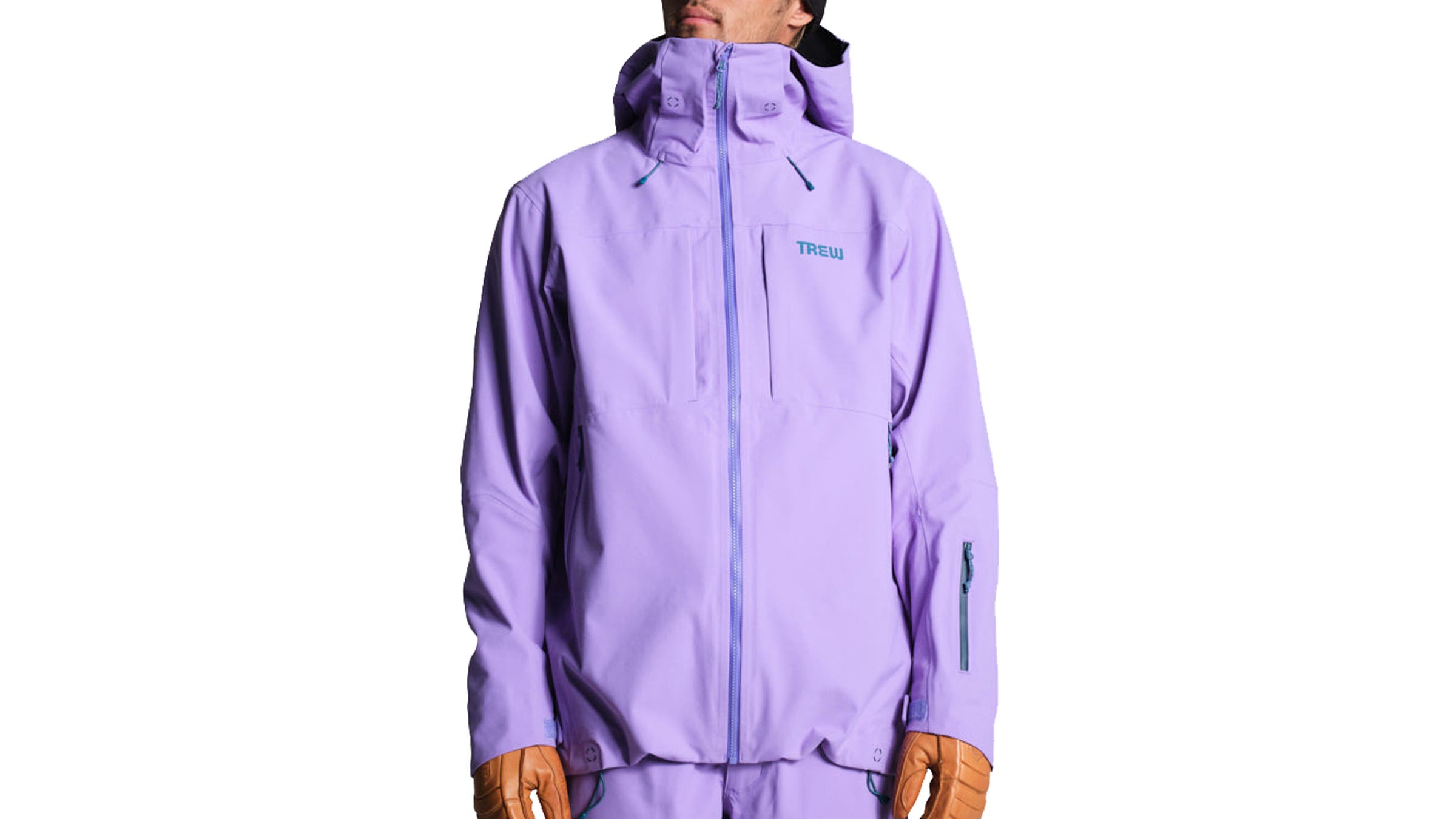
Similarly, the Trew Cosmic Primo addresses the specific demands of storm skiing in regions prone to high moisture content. Built with a heavy-duty, 200-grams-per-square-meter, three-layer construction utilizing Trew’s proprietary Primo membrane, the jacket is engineered to withstand prolonged exposure to wet snow and driving precipitation. Despite its robust durability, testers have noted its favorable breathability ratings during high-output skiing. Previous-season inventories of the Cosmic Primo are currently discounted by approximately 33 percent, maintaining a comprehensive distribution of sizes and colorways.
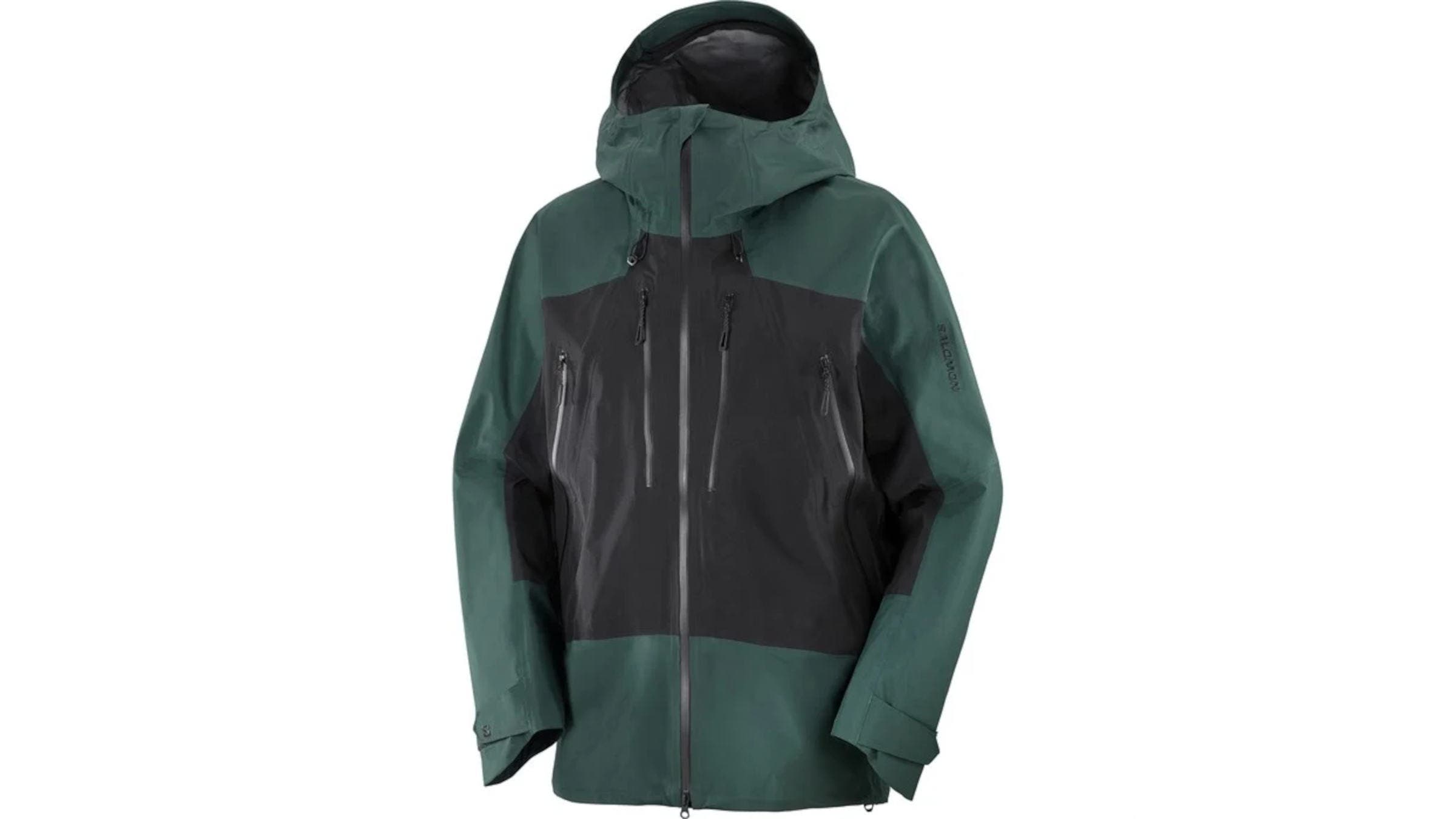
In the backcountry sector, the discontinued Salomon Men’s Scrambler GTX Jacket represents a substantial value proposition, featuring a reduction of over $200. Incorporating a Gore-Tex membrane, helmet-compatible hood, and strategic pocket placement designed to remain accessible while wearing a technical backpack, the Scrambler includes a C-Knit interior backer. This internal layer enhances comfort against bare skin, catering to spring tourers who utilize lightweight base layers.
High-Performance Options for Women and Durability-Focused Designs
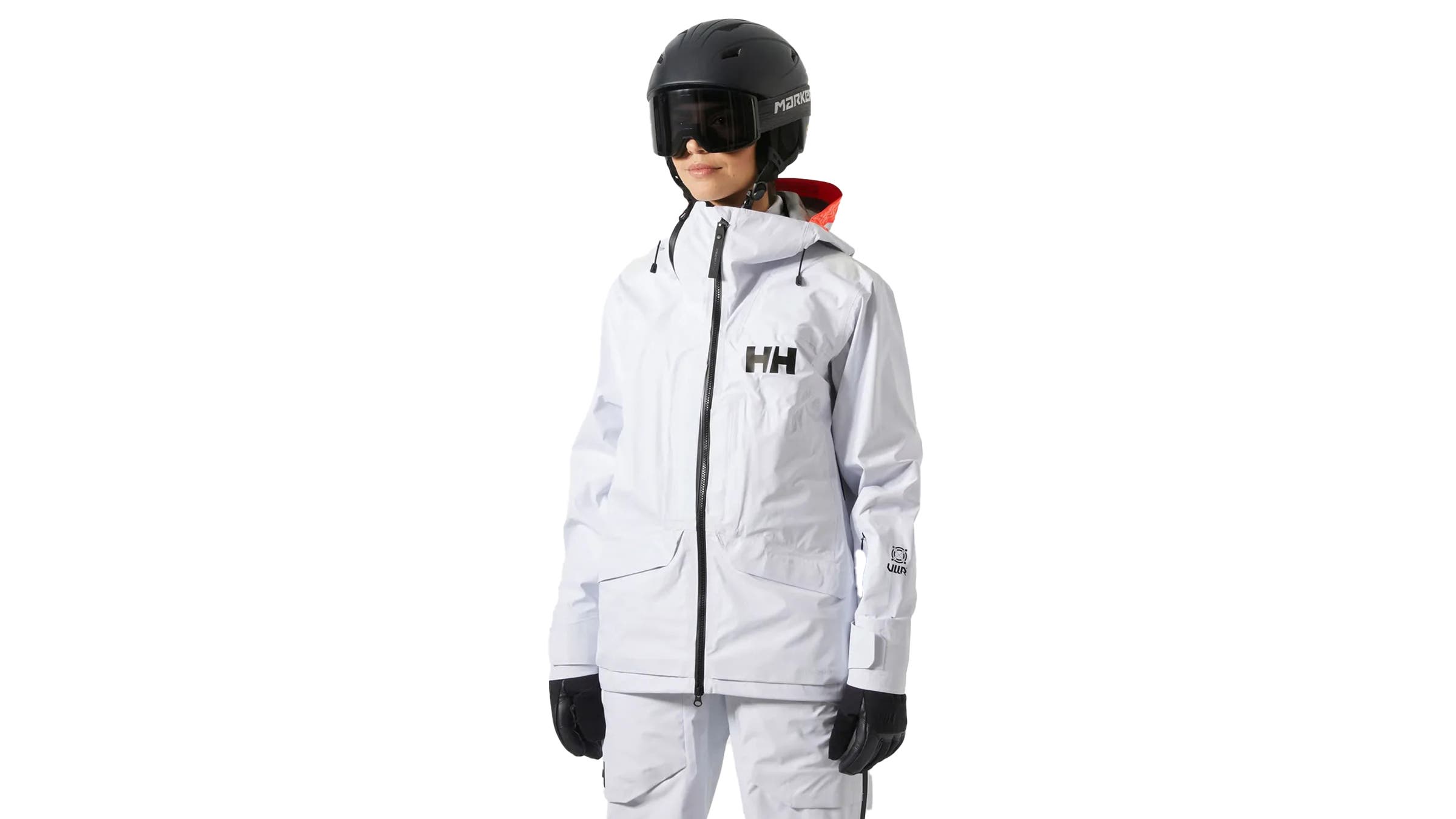
Women’s technical apparel has experienced similarly deep price adjustments across specialized retail channels. The Helly Hansen Ridge Infinity Shell Jacket, widely utilized by professional ski patrollers and technical testers globally, is currently discounted by up to 49 percent at select outlets such as evo. The garment relies on a durable polyester face fabric paired with Helly Hansen’s proprietary Helly Tech Pro waterproof and breathable membrane, engineered to endure the abrasive conditions associated with professional mountain operations and frequent chairlift usage.
Mountain Hardwear’s Mythogen GORE-TEX Jacket—recognized by female gear testing panels as a top-performing overall shell during previous evaluation cycles—is currently offered at a 37 percent discount. Utilizing a three-layer construction centered around a Gore-Tex Pro ePE membrane, the Mythogen minimizes weight while maximizing breathability and weatherproofing. Its technical feature set includes strategically positioned internal and external pockets, alongside pit zippers designed for temperature regulation during sustained ascents.
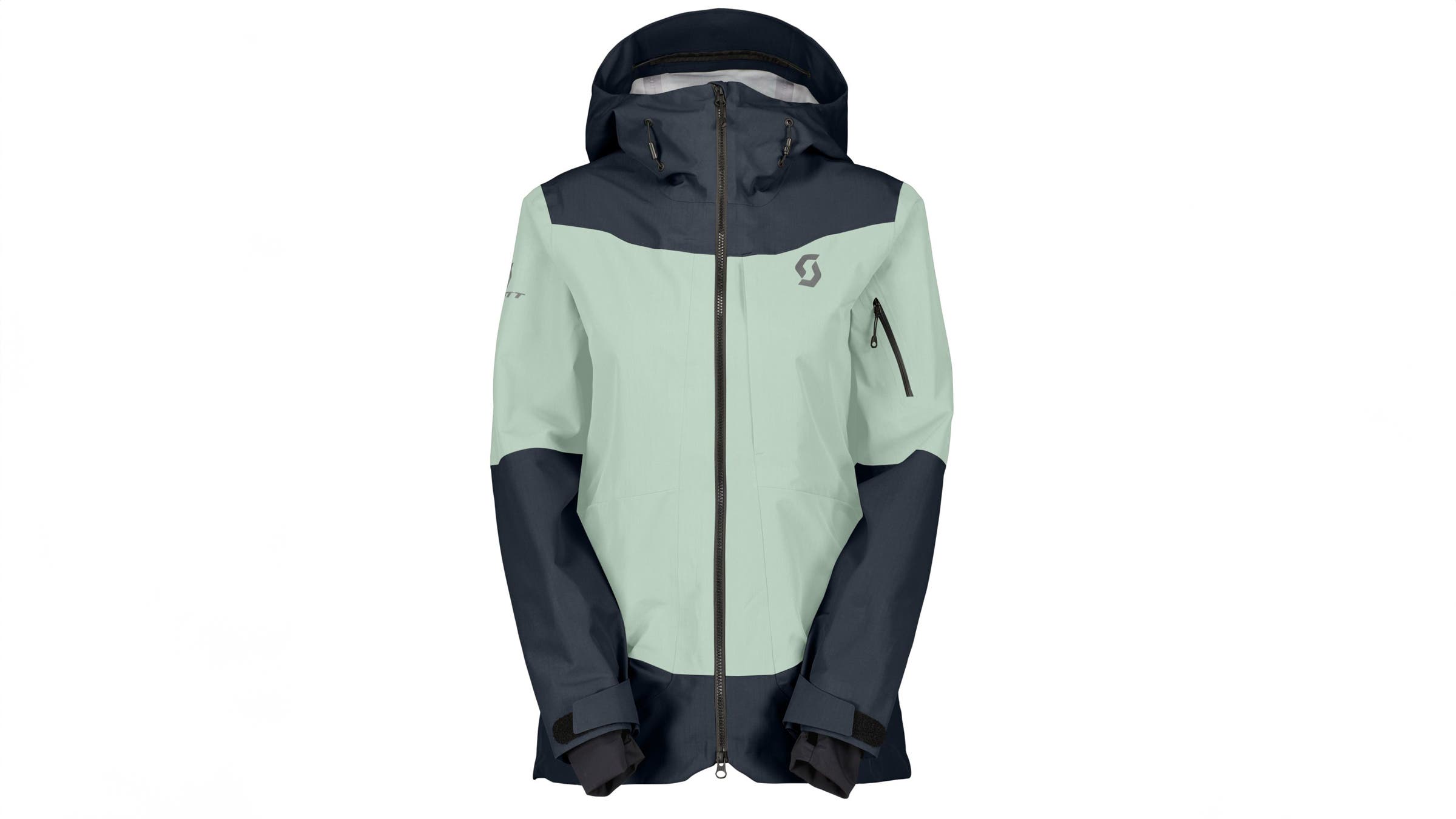
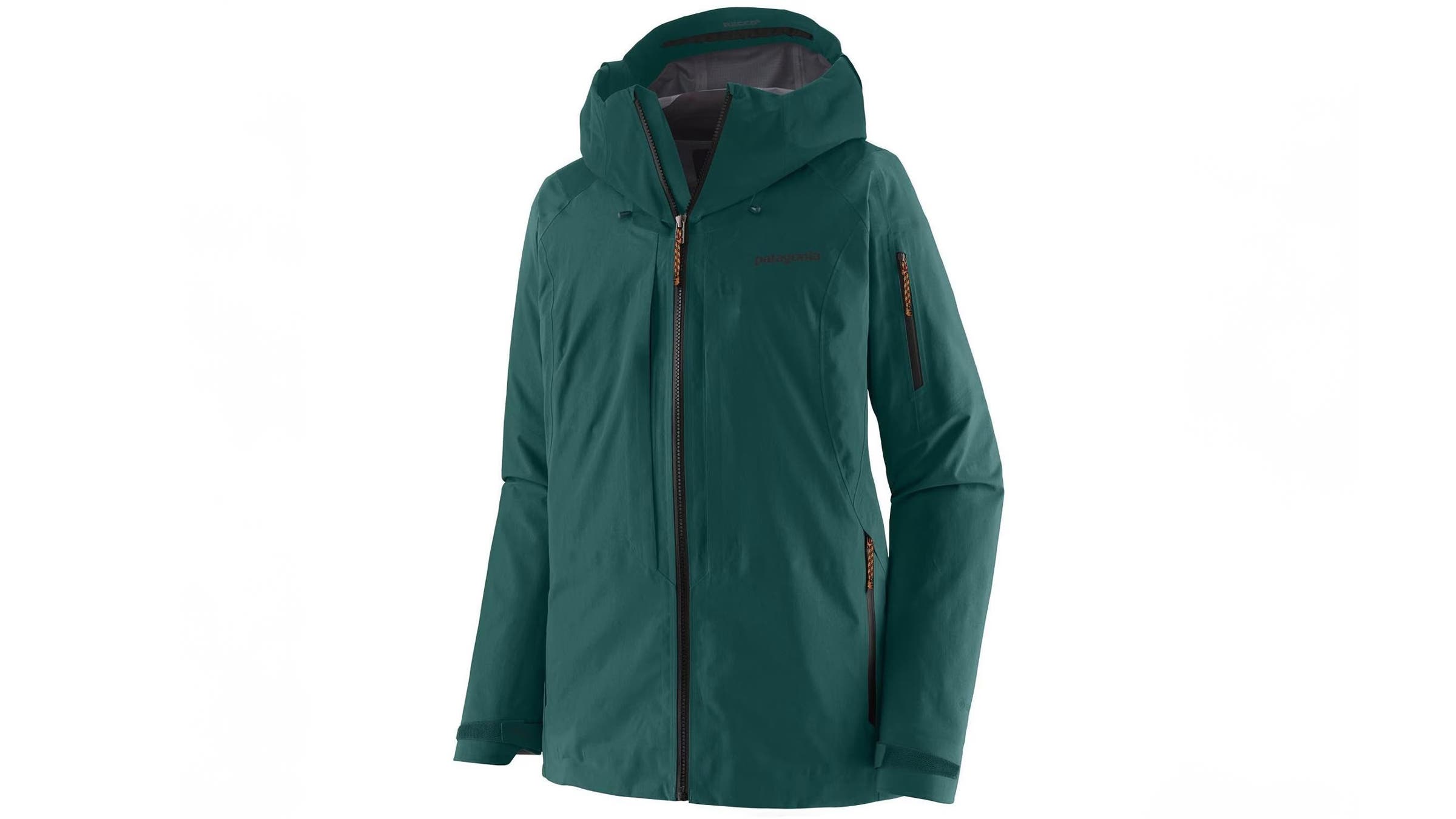
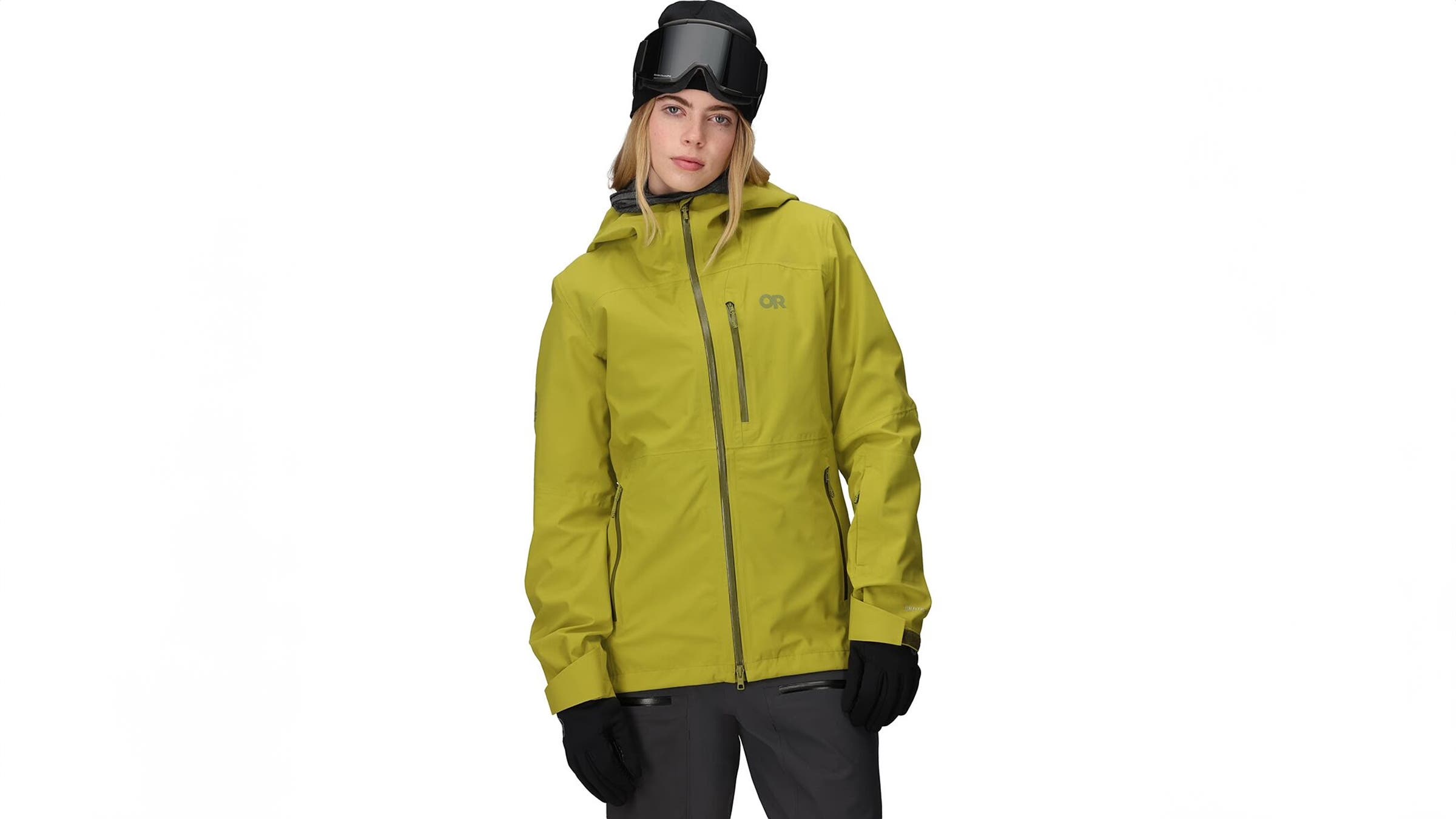
Additional notable reductions include the Scott Vertic Ripstop 3L, which has been marked down by 50 percent. This fully featured shell incorporates durable ripstop face fabrics and comprehensive ventilation systems. Meanwhile, Patagonia’s PowSlayer Jacket, renowned for its minimalist aesthetic and reliable storm protection via a Gore-Tex ePE membrane, is featured in limited-availability clearance inventories at a 50 percent reduction. Outdoor Research has also contributed to the liquidation landscape with its Cloudchaser 3L Jacket, an elasticized backcountry shell featuring a Pertex Shield PET membrane and a 100-denier recycled polyester face fabric, currently available at half its original retail price.
Major Retailer Clearance Inventories: REI and evo
Beyond individual brand markdowns, large-scale outdoor retailers are executing comprehensive clearance events across their broader snow sports categories.
REI Co-op’s direct-to-consumer inventory has introduced substantial price reductions on proprietary and third-party products. The REI Co-op Powderbound Insulated Jacket, which pairs a waterproof-breathable two-layer shell with synthetic insulation (80g in the torso, 60g in the sleeves), is currently discounted by up to 60 percent. This garment targets resort-based skiers seeking thermal retention during low-temperature chairlift operations at an accessible price point.
Additionally, the REI Co-op First Chair GTX Jacket offers an alternative for consumers seeking industry-standard Gore-Tex weather protection without the customary financial premium. Utilizing a two-layer construction with a taffeta lining, the First Chair GTX is tailored primarily for resort environments where heavy insulation and weatherproofing take precedence over minimalist, lightweight backcountry utility. With a 50 percent price reduction, it represents one of the lowest-cost entry points for Gore-Tex equipped resort outerwear in the current market.
Concurrently, evo’s online outlet features extensive reductions spanning multiple technical brands. The Oyuki Goshiki (men’s) and Nimi (women’s) NetPlus 3L jackets are discounted by 40 percent. These garments incorporate three-layer textiles manufactured from recycled fishing nets, aligning with broader industry sustainability initiatives while offering functional features such as adjustable hoods, Velcro cuffs, and internal wrist gaiters.
At the high-performance end of the retail spectrum, the Arc’teryx Beta AR Jacket is currently offered at a 25 percent discount. Known for its durability in severe alpine conditions, the Beta AR utilizes a lightweight, high-strength three-layer fabric paired with a Gore-Tex Pro membrane. Its design focuses on high-collar articulation and weather-resistant sealing, mitigating the impact of high winds and wind-driven snow during intensive resort and backcountry operations.
Industry Implications of Off-Season Purchasing Trends
Market analysts note that the increasing volume of late-summer and early-autumn gear discounting reflects evolving consumer purchasing habits. As macroeconomic pressures influence discretionary spending, outdoor enthusiasts are increasingly utilizing the shoulder seasons to secure high-performance equipment at reduced costs, rather than purchasing newly released items at full retail price during the peak winter months.
This behavioral shift has forced manufacturers and retailers to adapt their inventory management strategies. By accelerating the liquidation of previous-season models through targeted online promotions and partnerships with specialized media outlets, brands can maintain cash flow and clear warehouse capacity efficiently. For the consumer, this dynamic creates a predictable window of opportunity to acquire professional-grade technical outerwear—capable of withstanding extreme alpine environments—at price points comparable to entry-level recreational gear. As the 2026–2027 winter season approaches, industry observers recommend proactive sizing checks and prompt purchasing decisions, given that high-demand colorways and standard sizing metrics in these clearance inventories routinely experience rapid sell-through rates.




 Chandra Hamzah
 Tatiana Tantri Indah Sari
 Budi Mulyono
 Lukman Taruna Persada Ramadan