
 Anjar Salim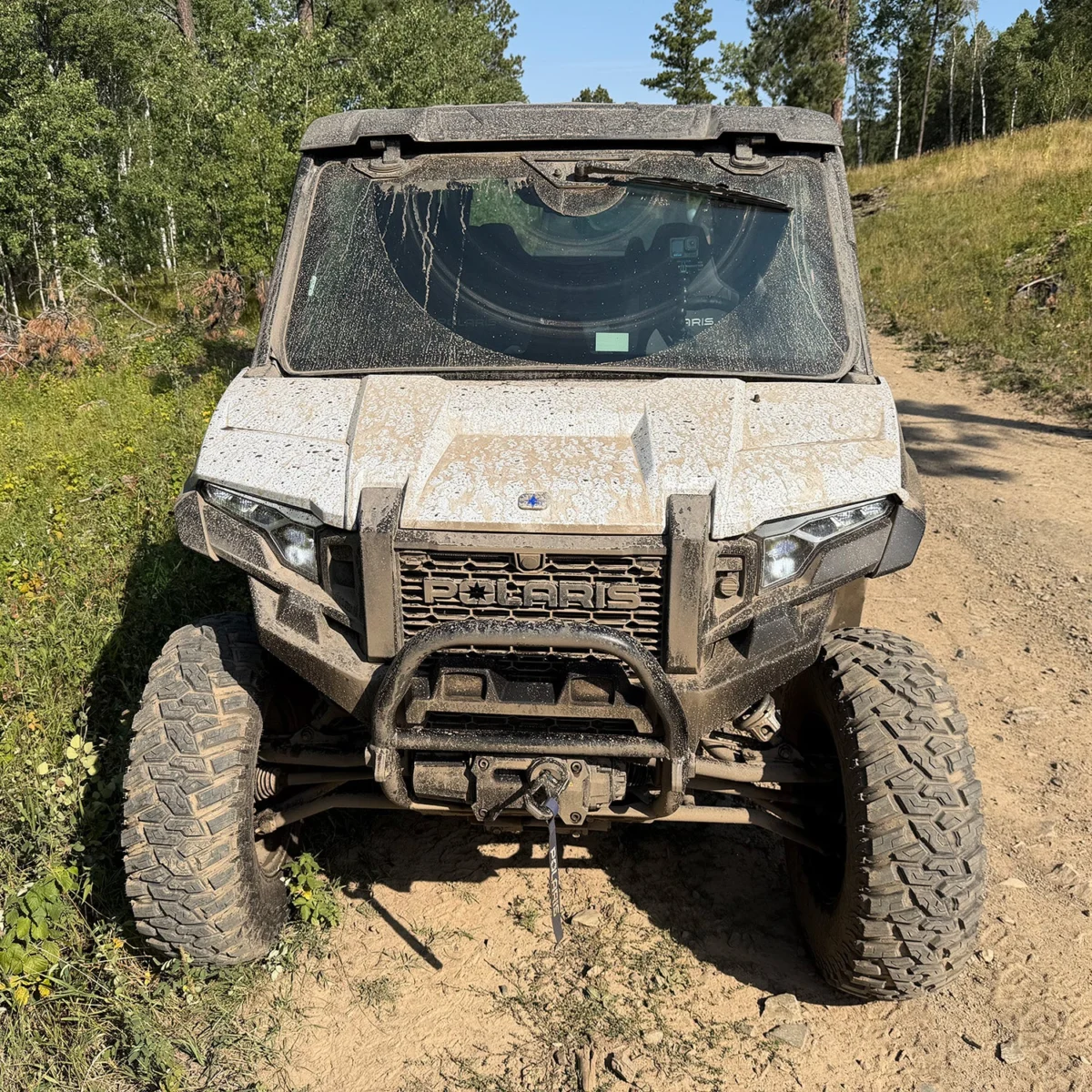
The landscape of all-terrain exploration has undergone a significant transformation following the commercial deployment and rigorous field testing of the Polaris Xpedition side-by-side vehicle. Evaluated across the demanding, unpredictable terrain of South Dakota’s Black Hills National Forest, the platform introduces groundbreaking mechanical advancements designed to resolve long-standing operational complaints within the utility task vehicle (UTV) market. Most notably, the integration of the proprietary NUMATIX Controlled CVT transmission addresses the persistent issue of excessive cabin noise, delivering verified acoustic reductions of up to 40 percent compared to legacy configurations.
This technological leap arrives at a time when the side-by-side market is expanding rapidly, transitioning from utilitarian agricultural implements to sophisticated, enclosed-cabin recreational vehicles capable of competing with traditional four-wheel-drive trucks and specialized overlanding platforms. As consumer demand for backcountry accessibility increases, manufacturers face mounting pressure to balance raw off-road performance with modern automotive-grade comfort, leading to innovations that are reshaping the outdoor recreation and powersports industries.
Main Facts and Mechanical Specifications
The Polaris Xpedition occupies a specialized segment within the broader powersports market, bridging the gap between heavy-duty off-road rock crawlers and utility-focused passenger haulers. At the core of the platform is a robust 999cc ProStar 4-stroke DOHC twin-cylinder engine that generates an impressive 114 horsepower. This power plant is engineered to deliver substantial low-end torque, essential for technical rock crawling, navigating thick mud, and ascending steep inclines in remote environments.
Vehicle geometry plays a critical role in the Xpedition’s trail-clearing capabilities, featuring a generous 14 inches of ground clearance. This elevated stance allows the chassis to clear major obstacles, boulders, and deep ruts without sustaining undercarriage damage. Suspension travel is optimized to absorb high-frequency impacts from uneven terrain while maintaining vehicle composure and passenger isolation.
The model lineup caters to varied consumer requirements, beginning with the two-seat XP configuration, which carries a starting manufacturer’s suggested retail price (MSRP) of $40,499. For larger groups or families, the tested ADV5 variant accommodates up to five passengers and incorporates an expansive, fully enclosed rear cargo area. Measuring 36 inches in length, 47 inches in width, and 13 inches in height, this cargo bay easily accommodates heavy equipment, including large-capacity coolers, camping gear, and emergency supplies. Additional cargo management features include compatibility with standard hitch-mounted bicycle racks and factory-supported roof rack systems, enhancing its viability for multi-day expeditions.
Chronology of Field Testing and Environmental Conditions
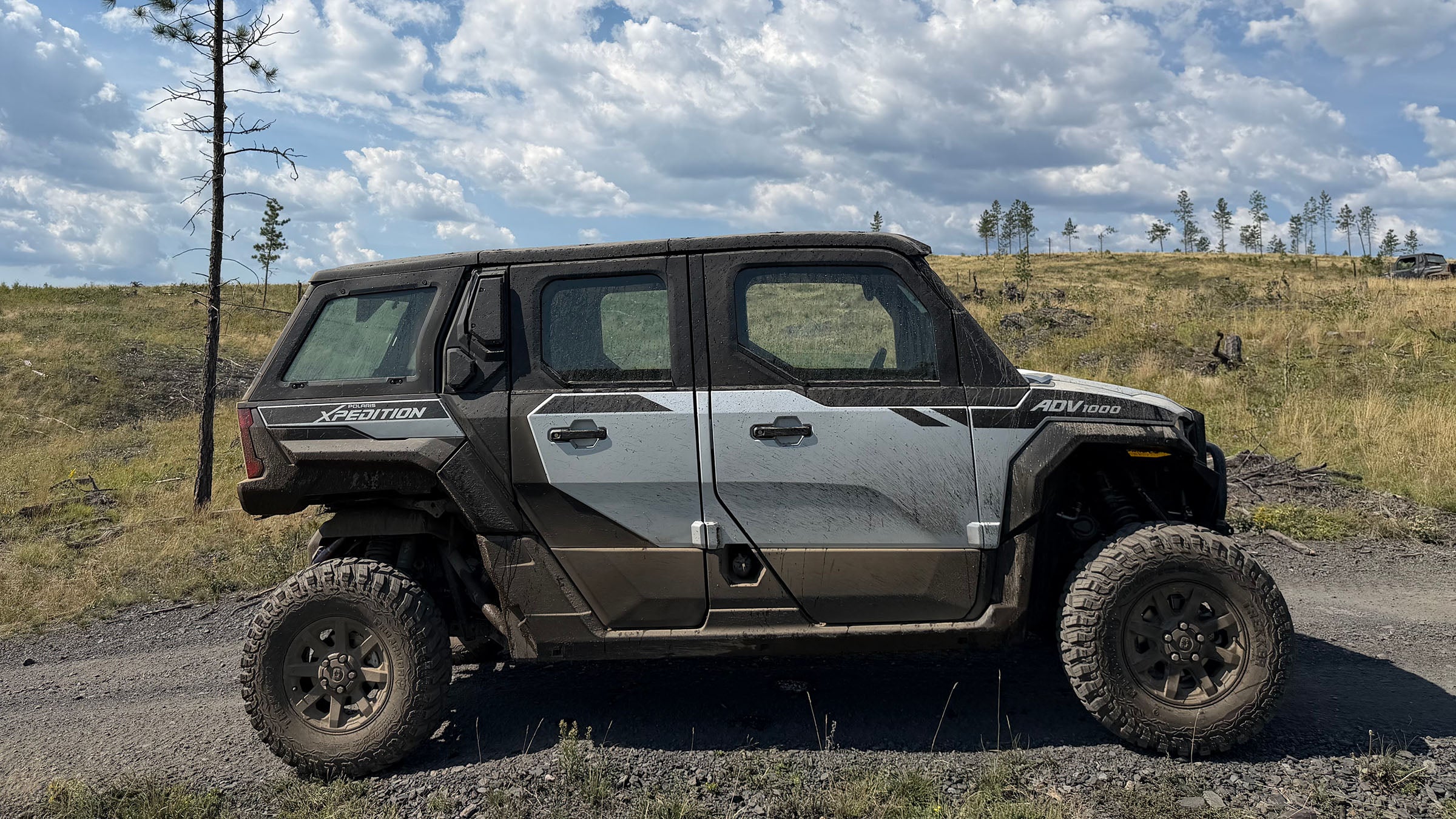
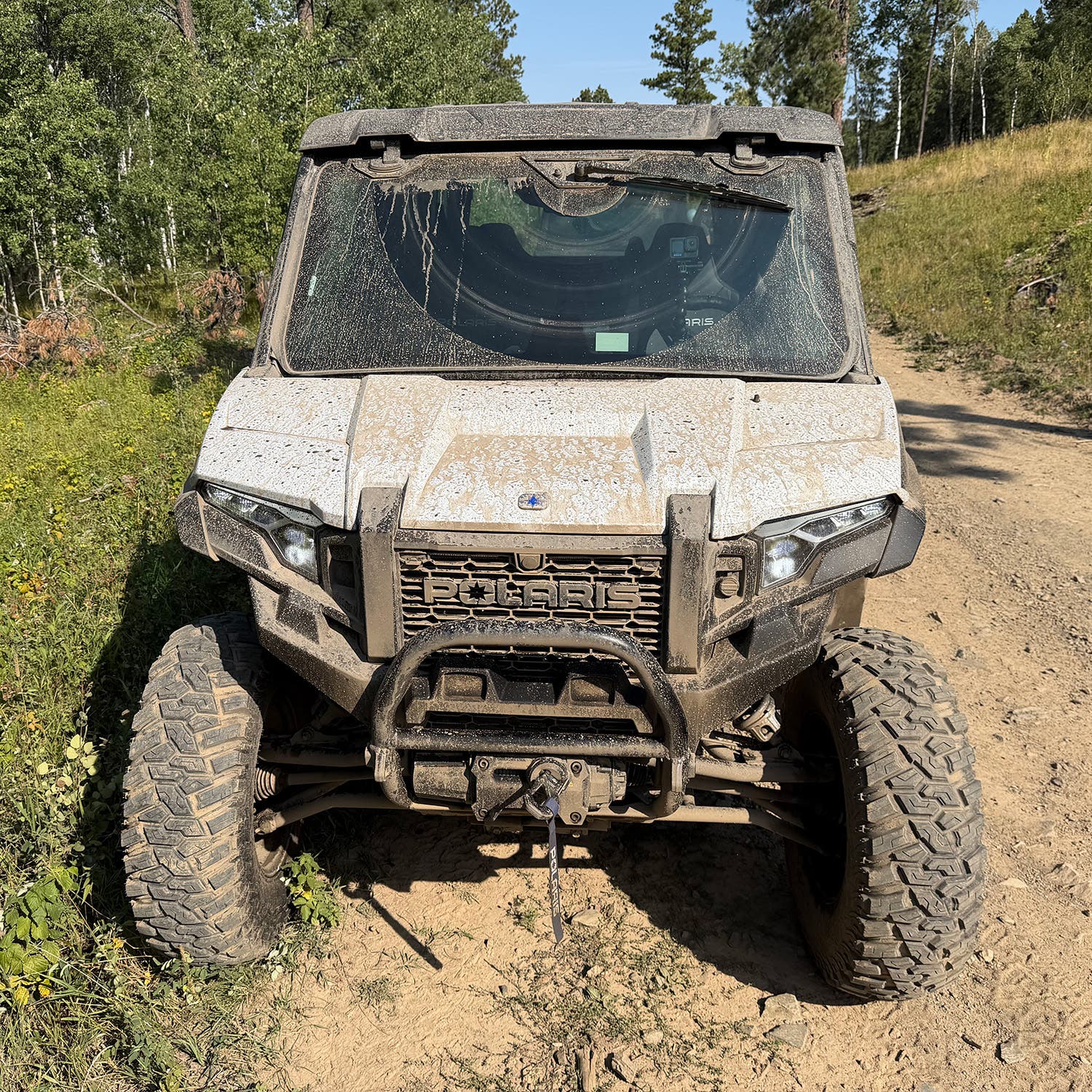
The evaluation of the Polaris Xpedition in the Black Hills National Forest provided an authentic stress test under volatile meteorological conditions. Field trials commenced under standard high-altitude driving protocols on established 4WD service roads. Within the initial phase of operation, a rapid weather transition occurred, shifting from ambient rainfall to an intense hailstorm within minutes.
This sudden meteorological event fundamentally altered trail conditions, converting dry dirt tracks into high-viscosity mud bogs and slick, technical rock gardens. The rapid shift in traction requirements allowed test drivers to systematically evaluate the vehicle’s low-traction stability, torque management, and suspension response in real-time. Throughout the transition from dry gravel to saturated clay, the Xpedition maintained directional stability, demonstrating how modern electronic management systems assist operators of varying experience levels in maintaining control during emergency or deteriorating weather scenarios.
The Evolution of the Side-by-Side Industry
To understand the significance of the Polaris Xpedition, industry analysts examine the trajectory of the side-by-side category over the past two decades. Initially popularized as open-air utility vehicles for farms and construction sites, side-by-sides evolved into recreational platforms designed for high-speed desert racing and weekend trail riding. In recent years, manufacturers introduced fully enclosed cabs equipped with HVAC climate control, power windows, high-end audio systems, and digital infotainment interfaces.
This evolution has blurred the lines between dedicated off-road toys and street-legal neighborhood vehicles. In several western jurisdictions, including municipalities in Utah and Arizona, side-by-sides are legally permitted for standard roadway use, frequently serving as primary local transportation for residents. Similar adoption trends appear in suburban and rural communities across North Carolina and the Midwest, where owners utilize the vehicles for short commutes, recreational property maintenance, and local transit.
Addressing the Acoustic Dilemma: The NUMATIX Transmission
Despite the rapid integration of automotive comforts, enclosed-cab side-by-sides retained a critical drawback: interior cabin noise. Traditional continuously variable transmissions (CVTs), paired with high-revving small-displacement engines operating under heavy loads, generated a persistent, high-pitched mechanical whine. Because this noise was trapped inside sealed structural cabs without adequate acoustic dissipation, occupants frequently experienced high decibel levels comparable to an automobile operating continuously in second gear at highway speeds. Historically, this forced operators to wear earplugs or install aftermarket sound-deadening materials to prevent hearing fatigue during long excursions.
To combat this industry-wide issue, Polaris developed the NUMATIX Controlled CVT system. The technology utilizes automated pneumatic pressure—controlled via precise air management—to dynamically manipulate the transmission clutch system. By actively governing the gear ratios and belt tension through air pressure rather than relying solely on mechanical centrifugal weights and springs, the system optimizes engine RPMs during cruising speeds.
During field evaluations, operators utilized an onboard dashboard toggle to switch dynamically between Comfort mode (engaging the NUMATIX system) and Sport mode (disengaging the system). The acoustic contrast was immediate and measurable. Polaris internal testing and independent field verifications confirmed a reduction in cabin noise of up to 40 percent. This acoustic dampening fundamentally changes the onboard environment, allowing passengers to converse at normal conversational volumes, hear in-cabin audio entertainment systems clearly, and utilize Bluetooth-enabled communication devices without competing against mechanical drone.
Comparative Performance Analysis
While the Xpedition prioritizes cabin comfort and utility, its performance metrics place it in a distinct category when compared to race-bred counterparts within the Polaris portfolio. For instance, the high-performance Polaris RZR Pro R4 shares a similar 114-horsepower output but utilizes a significantly larger 1,997cc engine and provides 16 inches of ground clearance.
The RZR series is engineered explicitly for high-velocity desert racing, competitive short-course events, and extreme dune navigation, such as the rigorous demands of the Baja 1000. Conversely, the Xpedition is designed for overlanding, backcountry exploration, and technical trail traversal where cargo capacity, range, and operational endurance take precedence over maximum velocity. Its powertrain tuning focuses on torque delivery at lower operating frequencies, reducing thermal stress on the engine during prolonged low-speed technical crawling.
Market Implications and Target Demographics
The introduction of the Polaris Xpedition at an entry MSRP exceeding $40,000 defines its target demographic clearly: affluent outdoor enthusiasts, specialized backcountry guides, and overlanding hobbyists with discretionary capital. Rather than competing with budget-friendly entry-level utility vehicles, the Xpedition targets consumers who traditionally outfitted Jeep Wranglers, Toyota 4Runners, or specialized pickup trucks for off-road exploration.
Industry experts note that side-by-sides possess distinct physical advantages over full-sized 4WD trucks and sport utility vehicles when navigating narrow forestry roads, boulder-strewn canyons, and heavily wooded trails. The narrower track width and shorter wheelbase allow vehicles like the Xpedition to access remote geographic coordinates—such as deep backcountry corridors in the Grand Canyon region—that prohibit the passage of standard light trucks.
Furthermore, the integration of advanced acoustic management via the NUMATIX transmission removes a primary barrier to entry for consumers who previously found the sensory fatigue of UTV travel prohibitive. By offering the load-carrying capacity of a light expedition vehicle combined with the maneuverability and terrain articulation of a purpose-built side-by-side, Polaris has established a new benchmark for multi-day backcountry utility. As manufacturing techniques and powertrain technologies continue to evolve, the market impact of quiet, high-capacity utility vehicles is expected to influence broader design standards across the powersports sector.




 Chandra Hamzah
 Tatiana Tantri Indah Sari
 Budi Mulyono
 Lukman Taruna Persada Ramadan