
 Dwi Wanna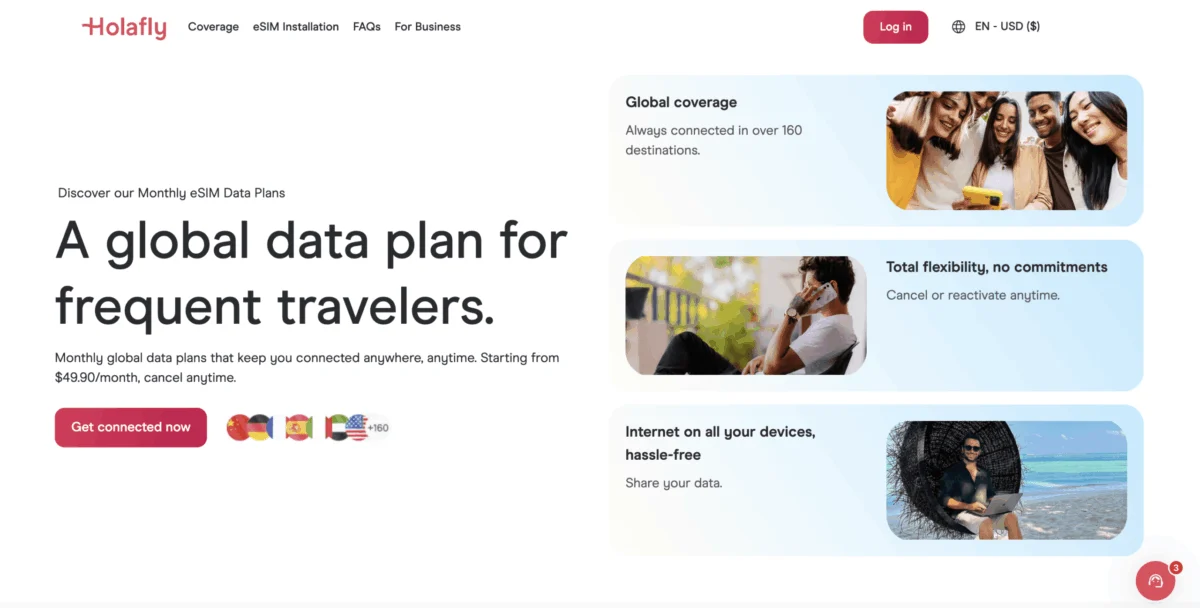
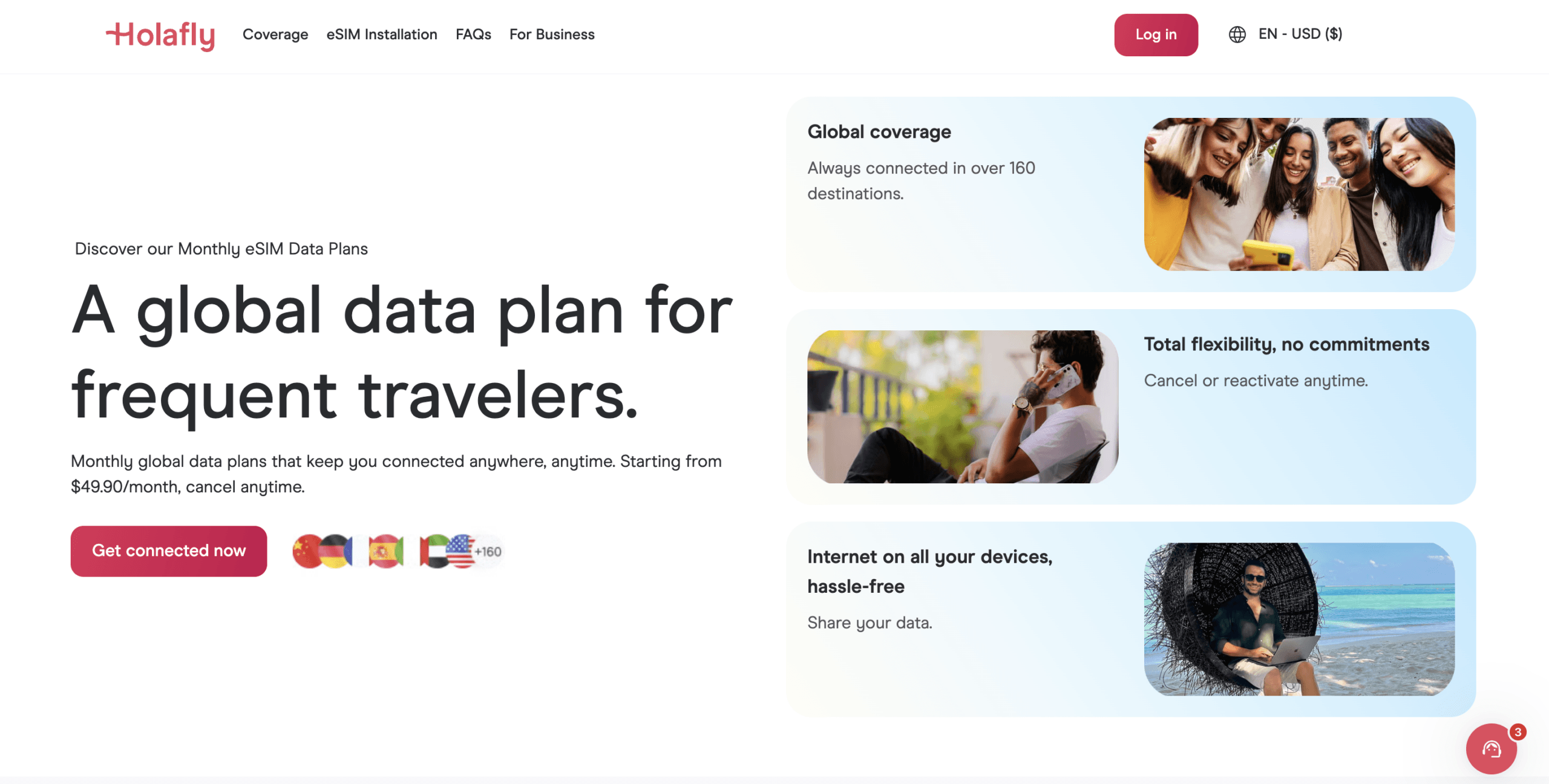
The telecommunications landscape for international travelers has undergone a transformative shift with the introduction of Holafly Plans, a subscription-based global eSIM service designed to provide continuous connectivity across more than 160 countries. This development marks a departure from the traditional model of fragmented, location-specific roaming solutions, reflecting an industry-wide move toward seamless, software-defined network management.
The emergence of eSIM technology—a digital SIM embedded directly into the hardware of modern smartphones—has allowed consumers to bypass physical card swapping. While previously utilized primarily for localized, short-term data needs, the integration of an ongoing, multi-country subscription model addresses a persistent pain point for long-term travelers and digital nomads: the logistical overhead of managing multiple network providers while crossing international borders.
The Evolution of Mobile Connectivity
Historically, international connectivity has been defined by three distinct tiers: expensive roaming passes offered by domestic mobile carriers, the procurement of physical local SIM cards upon arrival in a new destination, and, more recently, the "pay-as-you-go" digital eSIM market.
Major telecommunications carriers have long relied on international roaming add-ons, which often cost upwards of $10 per day. For a traveler visiting multiple countries, these costs can quickly exceed hundreds of dollars monthly. Local physical SIM cards, while more cost-effective, require logistical effort, including finding physical retail outlets, navigating language barriers, and managing hardware swaps that carry a risk of losing original SIM cards.
The transition to a unified subscription model, such as the one launched by Holafly, signals that the market for mobile data is maturing. By leveraging a single QR code installation that remains active across 160+ jurisdictions, the service functions more like a global mobile carrier than a traditional travel product.

Service Architecture and Technical Specifications
The Holafly Plans architecture is predicated on the capabilities of modern smartphone hardware. By utilizing the eSIM partition, users can maintain their domestic number for voice and SMS while offloading data traffic to a secondary, global provider.
The service is structured into two primary tiers:
- The Light Plan: Designed for moderate data users, this tier provides 25GB of monthly data with integrated hotspot functionality.
- The Unlimited Plan: Targeted at digital nomads and heavy data users, this tier removes data caps entirely and includes a dedicated phone number (based in the US, UK, or Canada) capable of receiving SMS authentication codes—a critical feature for travelers accessing banking and secure online services.
A notable feature within the rollout is the "Always On" protocol. Regardless of the subscription tier, users retain 1GB of monthly backup data in perpetuity, even after the cancellation of a paid subscription. This acts as a safety net, ensuring basic connectivity for navigation or messaging apps upon arriving in a new country before a new data package is activated.
Comparative Market Analysis
The financial implications of this shift are best observed through a comparison of current industry standards. Data indicates that for a traveler moving through multiple regions in a single month, the cost-to-data ratio of a subscription-based eSIM is significantly more favorable than that of a standard US-based carrier’s international pass.
| Service Model | Monthly Cost (Estimated) | Data Allowance | Operational Overhead |
|---|---|---|---|
| Global Subscription eSIM | $55 – $65 | Unlimited / High-Tier | Low (One-time setup) |
| Major Carrier Roaming Pass | $100 – $300 | Throttled / Capped | Moderate (Plan activation) |
| Individual Destination eSIMs | $60 – $120 | Varies (5-10GB) | High (Per-country management) |
The analysis suggests that the subscription model reduces the "hassle factor"—defined by the time spent researching local providers and performing manual configuration—to near zero. Furthermore, the ability to maintain a consistent hotspot across multiple devices without throttling is a primary competitive advantage for professional travelers who rely on high-speed internet for remote work.
Implications for the Digital Nomad Economy
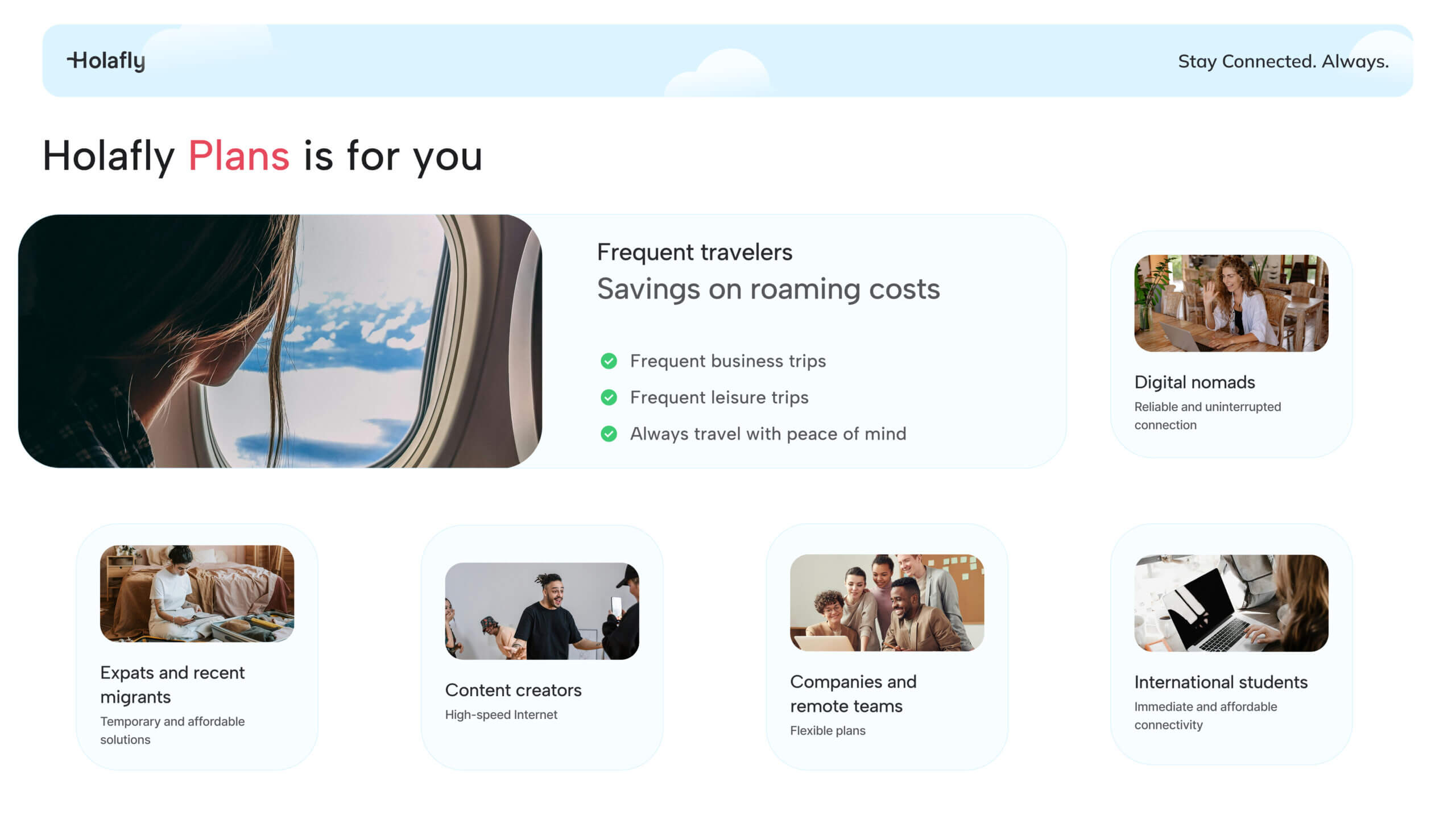
The rise of the "digital nomad" demographic—workers who perform their duties from varied international locations—has created a specialized demand for robust, non-territorial infrastructure. According to data from the International Telecommunication Union (ITU), mobile data consumption among travelers has increased by approximately 20% annually over the last five years.
The introduction of unified, multi-country plans addresses the volatility of internet connectivity in developing nations. By maintaining a single, consistent connection, the user avoids the latency issues often associated with hopping between various local carriers that may have inconsistent coverage or speed.
However, the model is not without limitations. Analysts note that users seeking a "one-size-fits-all" solution should be aware of the geographical nuances of the service. While 160 countries represent the vast majority of common travel destinations, remote or less-traveled regions may still experience varying service quality depending on the underlying roaming agreements established by the provider.
Operational and Support Framework
A critical component of this service model is its 24/7 support infrastructure. Because the technology relies on digital installation, the barrier to entry for non-technical users is the potential for configuration errors. To mitigate this, providers like Holafly have institutionalized around-the-clock technical support, reflecting a move toward the high-service standards expected by enterprise-level clients.
The six-month refund policy introduced alongside the service is also a strategic attempt to build consumer trust in a market segment that has historically been plagued by "burner" services and unreliable, fly-by-night startups. By offering a longer-term guarantee, the company is positioning itself as a long-term utility rather than a temporary travel convenience.
Future Outlook for Mobile Data
The broader impact of this technological shift suggests that the era of the physical SIM card is nearing its obsolescence. As smartphone manufacturers continue to phase out physical SIM trays in favor of purely digital solutions, the demand for flexible, software-based subscription plans is expected to surge.
Market observers predict that the next phase of this development will likely involve deeper integration with local carrier networks, allowing for lower latency and more direct access to 5G infrastructure. For the consumer, the outcome is a more transparent, predictable, and cost-effective mobile environment.
Ultimately, the viability of these global plans will hinge on their ability to maintain service consistency as user bases scale. For now, the move toward a singular, persistent subscription model represents the most significant improvement in travel telecommunications in the past decade, effectively bridging the gap between the domestic mobile experience and the requirements of a globally mobile workforce.
Technical Considerations for Prospective Users
Before transitioning to a subscription-based global eSIM, users must ensure their device is carrier-unlocked. Most smartphones manufactured after 2018 support eSIM technology, but verification through the manufacturer’s settings is essential. Once verified, the setup process involves scanning a QR code, which triggers the automatic installation of the necessary APN (Access Point Name) settings.
This automated process effectively removes the technical barrier to entry that once existed for international travelers, shifting the burden of network management from the user to the software provider. As international travel continues to normalize and the digital nomad population expands, the reliance on such streamlined, subscription-based utilities is expected to become the new standard for the modern traveler.



 Budi Mulyono
 Lukman Taruna Persada Ramadan
 Chandra Hamzah
 Gabriela Annisa
 Tatiana Tantri Indah Sari