
 Walid Sujud Trenggono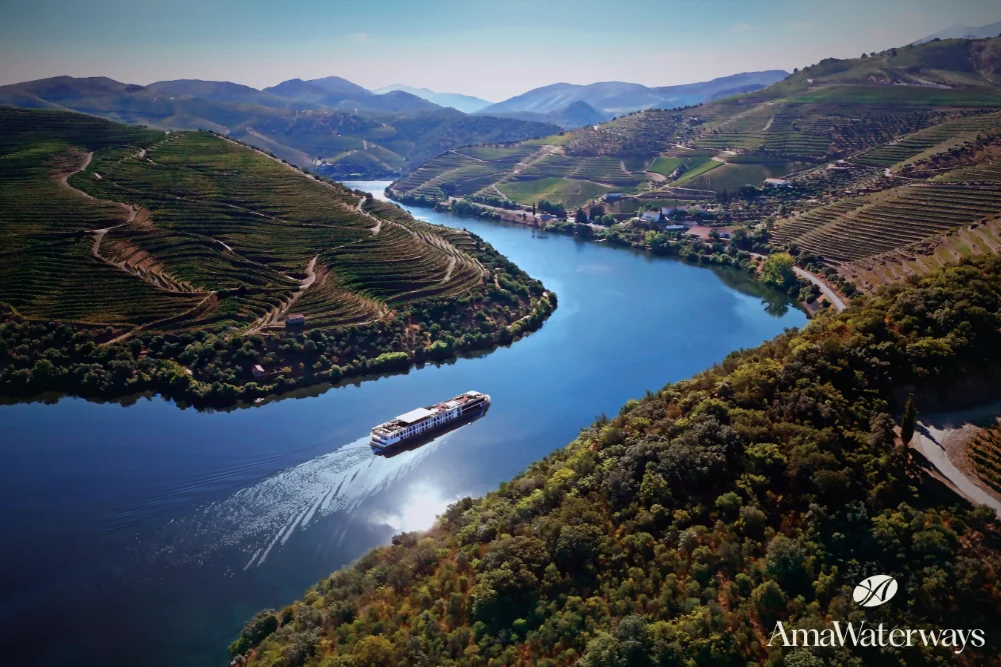
For nearly 25 years, the river cruising sector has undergone a profound structural evolution, moving away from rigid, regimented group tours toward a more flexible, contemporary model of luxury travel. At the forefront of this transformation is AmaWaterways, a pioneer that has systematically challenged traditional cruising conventions by introducing double-width ship designs, onboard wellness integration, and a comprehensive all-inclusive excursion model. As the industry faces shifting consumer demands focused on experiential travel and holistic wellbeing, examining the trajectory of this family-founded line offers critical insight into the future of global waterborne tourism.
Evolution and Chronology of a River Cruise Pioneer
The trajectory of AmaWaterways is rooted in the extensive industry experience of its founders, Rudi Schreiner, Kristin Karst, and the late Jimmy Murphy. Established in 2002, the company entered a mature European river cruise market that was largely defined by standardized itineraries, predictable vessel dimensions dictated by ancient lock systems, and structured group movements.
In its foundational decade, the company focused on establishing operational excellence along Europe’s major waterways—principally the Danube, Rhine, and Main rivers—while quietly innovating vessel layouts to maximize passenger comfort. Unlike maritime ocean liners, river vessels are strictly constrained by the physical dimensions of European locks, bridges, and shallow channels. Recognizing these limitations, Schreiner spearheaded architectural modifications that increased interior public spaces without compromising the ship’s ability to navigate tight passages.
By the 2010s, the company expanded its footprint beyond traditional European corridors, introducing itineraries on the Mekong River in Southeast Asia (2009) and the Chobe River in Africa (2016), operating in partnership with local vessel providers. This strategic diversification set a precedent for pioneering new waterways.
The most significant physical evolution in the company’s history occurred in 2019 with the launch of the AmaMagna. Measuring twice the width of traditional European river ships—approximately 22 meters wide—the vessel shattered industry norms. Rather than squeezing more cabins into the space, the wider hull permitted expansive public areas, multiple dining venues, open-air balconies, and recreational facilities such as a full-sized pickleball court and a dedicated wellness center. Building on this design philosophy, the company announced the upcoming launch of the AmaRudi, slated for 2027, which will continue the trend of offering enhanced spatial dimensions and diversified amenities. Today, the award-winning fleet encompasses 34 ships traversing waterways across Europe, Asia, Africa, and South America.
Structural Innovation: The Inversion of the Cruise Business Model
A defining operational characteristic of the contemporary cruise industry has long been the ancillary revenue model, wherein passengers pay a base fare and subsequently purchase specialized excursions, premium dining experiences, and fitness classes. AmaWaterways structurally inverted this economic framework by bundling comprehensive shore excursions and specialty dining into the base fare.
On a typical European itinerary, travellers are presented with up to six distinct excursion choices daily, spanning active pursuits—such as guided bicycle tours along riverbanks and mountain hikes through terraced vineyards—to cultural explorations, including architectural walking tours, museum visits, and culinary tastings featuring regional producers. This multi-tiered daily menu addresses a persistent logistical challenge in couples or group travel: differing physical abilities and personal interests. By allowing travel partners to diverge in the morning to pursue distinct activities—one cycling alongside the Danube while the other explores a medieval monastery in Melk—and reunite by evening, the model personalizes the travel experience.
Industry analysts note that this inclusive approach reflects broader shifts in consumer psychology. Modern luxury travellers increasingly reject standardized tourism in favour of hyper-personalization and autonomy. By removing the financial friction of daily decision-making, cruise lines can foster higher satisfaction rates and build stronger brand loyalty.
The Integration of Wellness into the Maritime Environment
Physical and mental wellbeing has transitioned from an auxiliary spa offering to a central pillar of the modern hospitality sector. AmaWaterways institutionalized this shift by embedding wellness professionals directly into its operational structure. Dedicated Wellness Hosts conduct daily programming ranging from high-intensity fitness classes and stretching sessions designed to counteract long-haul air travel to dawn yoga sessions on the Sun Deck.
This physical wellness framework is complemented by an intentional culinary philosophy. Recognizing that regional gastronomy is a primary driver of cultural immersion, the company developed a multi-tiered dining program comprising up to four distinct venues per ship. Standard inclusions feature a robust wine list highlighting regional varietals sourced directly from the valleys through which the ships navigate.
Furthermore, specialized venues such as The Chef’s Table offer multi-course degustation menus designed to showcase hyper-local ingredients. The operational integration of food sourcing—often featuring produce and wines from farms and vineyards visible from the ship’s windows—reduces supply chain distances while enhancing the authenticity of the guest experience.
From a physiological perspective, this immersion in slow travel and outdoor physical activity produces tangible neurological and psychological benefits. Travel experts and occupational health specialists observe that sustained exposure to natural landscapes, combined with predictable daily movement and the elimination of urban stressors, facilitates a measurable reduction in cortisol levels and promotes restorative sleep cycles among passengers.
Global Expansion and Economic Impact on Local Communities
The strategic expansion of AmaWaterways into complex international waters underscores a broader trend in river cruising: the opening of developing regions to sustainable, high-yield tourism.
Following its successful operations in Europe and Southeast Asia, the company made history by becoming the first major river cruise line to navigate Colombia’s Magdalena River. Historically, long before modern roadways connected South American interior communities, rivers served as the primary arteries for commerce, culture, and human migration. By reinstating navigable routes along the Magdalena, as well as maintaining established operations along the Douro in Portugal, the Rhine in Western Europe, and the Chobe in Southern Africa, the company re-establishes historical trade and travel routes for the modern recreational market.
This operational expansion carries significant economic implications for local communities. River cruising inherently supports decentralized regional economies. Unlike large ocean liners that dock at massive commercial ports, river ships berth in smaller towns and rural communities, directly channelling tourist expenditure into family-run wineries, local artisanal shops, independent guides, and regional agricultural producers.
Local stakeholder reactions in these emerging destinations emphasize the importance of controlled, low-impact tourism. Communities along the Magdalena River and the Mekong delta have welcomed boutique river cruising as a means of international exposure without the infrastructural strain associated with mass-market tourism.
Corporate Culture and the Human Element of Hospitality
While physical architecture and itinerary design provide the structural framework of a cruise line, the day-to-day operational success relies heavily on workforce management and service culture. Across the fleet, AmaWaterways maintains high retention rates among its multi-national crew members.
Industry observers attribute this stability to rigorous training programs and a corporate culture emphasizing empathetic service. Crew members are trained to recognize individual passenger preferences, dietary requirements, and mobility needs early in the voyage. This personalized attention fosters an environment where informal social interactions among passengers occur organically. In shared communal spaces—such as the panoramic lounge or during communal dining experiences—travellers frequently transition from acquaintances to long-term travelling companions.
Broader Implications for the Future of Waterborne Travel
The operational model pioneered and refined by AmaWaterways over the past quarter-century offers a blueprint for the wider travel and hospitality sector. As consumers increasingly prioritize experiential value, physical wellness, and operational transparency over superficial luxury, travel providers must adapt.
The success of the double-width vessel design proves that physical constraints can be transformed into architectural advantages through creative engineering. Simultaneously, the complete integration of multi-choice excursions demonstrates that removing financial barriers to on-ground exploration elevates the overall quality of the travel experience.
As the company prepares for further fleet expansion with the introduction of the AmaRudi in 2027 and continues to chart new waters in South America, Africa, and Asia, its trajectory reflects the maturation of river cruising from a niche, passive holiday option into one of the most dynamic, health-conscious, and culturally immersive sectors in global tourism.

 Cholid Fahmi Thalib
 Diana Nuri Rohmawati
 Budi Mulyono
 Lukman Taruna Persada Ramadan
 Anjar Salim