
 Budi Mulyono
Qantas Airways has announced a significant shift in its commercial strategy, confirming that international airfares will now undergo formal reviews every two weeks. This transition to a fortnightly pricing cycle marks a departure from traditional aviation industry standards, where fares were typically established months in advance to align with predictable seasonal demand. The decision is a direct response to a confluence of external pressures, including a rapidly destabilizing geopolitical landscape in the Middle East and a volatile energy market that has seen jet fuel prices escalate to levels that challenge long-term financial forecasting.
As the Australian national carrier adapts to these "real-time" market conditions, it is not an isolated actor. Airlines across the Asia-Pacific region and Europe are increasingly abandoning fixed pricing models in favor of dynamic adjustments. This systemic change reflects the difficulty of maintaining profit margins when the primary costs of operation—fuel and route security—can shift dramatically within a single billing cycle.
The Geopolitical Catalyst: Middle Eastern Airspace and Hub Disruption
The primary driver behind the current pricing instability is the ongoing volatility across the Middle East, a region that serves as the critical transit point for the "Kangaroo Route" between Australia and Europe. Major aviation hubs, including Dubai, Doha, and Abu Dhabi, have faced unprecedented operational challenges as regional conflicts necessitate frequent airspace closures.
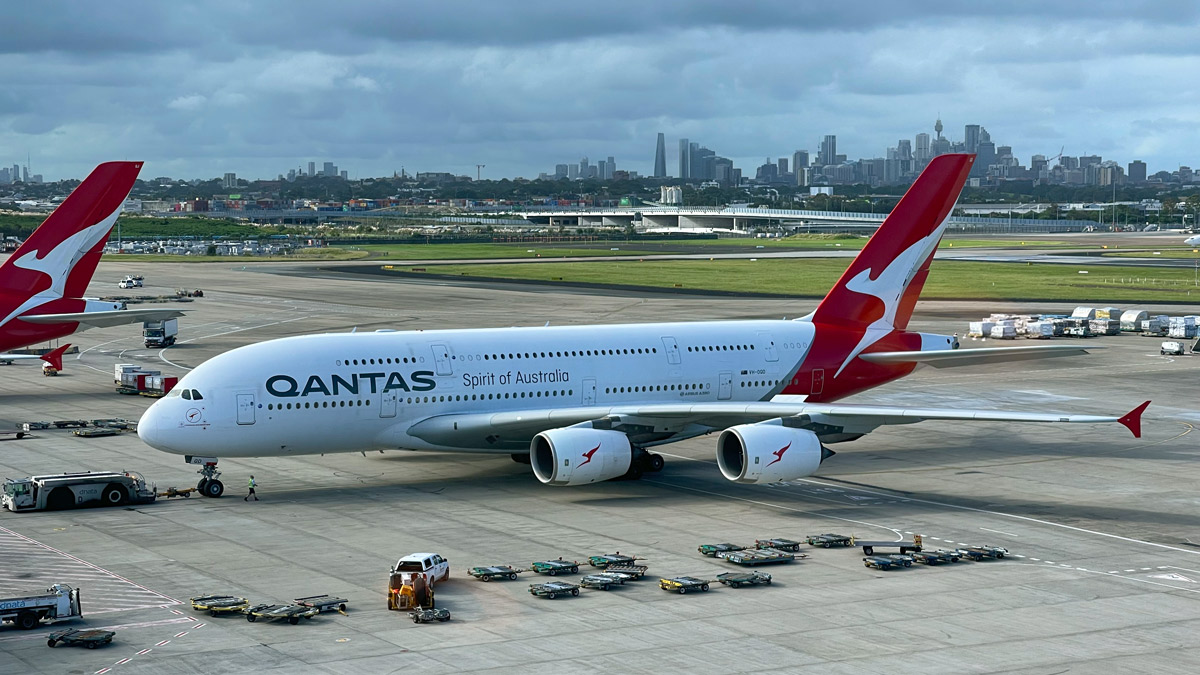
For decades, the efficiency of carriers such as Emirates, Qatar Airways, and Etihad has relied on the ability to fly direct, optimized paths over Western Asia. However, recent security risks and government-mandated "no-fly" zones have forced airlines to reroute flights, often adding hours to journey times and significantly increasing fuel consumption. The Australian Department of Foreign Affairs and Trade (DFAT), through its Smartraveller portal, has issued several advisories regarding transit through the region, prompting a segment of the traveling public to seek alternative, often more expensive, routes.
This disruption has created a bifurcated market for travelers. On one hand, Middle Eastern carriers are offering historically low fares—sometimes as low as AU$899 for return economy flights to London—to maintain load factors despite the increased risk of cancellations. On the other hand, demand has surged for alternative routes via Perth, Singapore, Tokyo, or North America, which avoid the affected airspace entirely. These "safe" routes are now commanding a significant premium, with some economy fares to Europe exceeding AU$5,000 during peak periods.
The Economic Burden of Surging Jet Fuel Costs
Beyond the physical security of flight paths, the aviation industry is grappling with the economic impact of soaring jet fuel prices. Historically, fuel accounts for approximately 25% to 35% of an airline’s total operating expenditure. Under current market conditions, this figure has climbed significantly, with some industry analysts suggesting it now approaches 50% for long-haul operations.
Jet fuel prices have experienced dramatic spikes, in some instances doubling compared to pre-conflict levels. While many airlines utilize "hedging"—a financial strategy involving the advance purchase of fuel at fixed prices—the extreme volatility of the current market has made it difficult for carriers to shield themselves from price shocks. Qantas has indicated that its new fortnightly review process will allow it to "price in" fuel costs more accurately, ensuring that the airline does not absorb the full brunt of sudden market spikes.
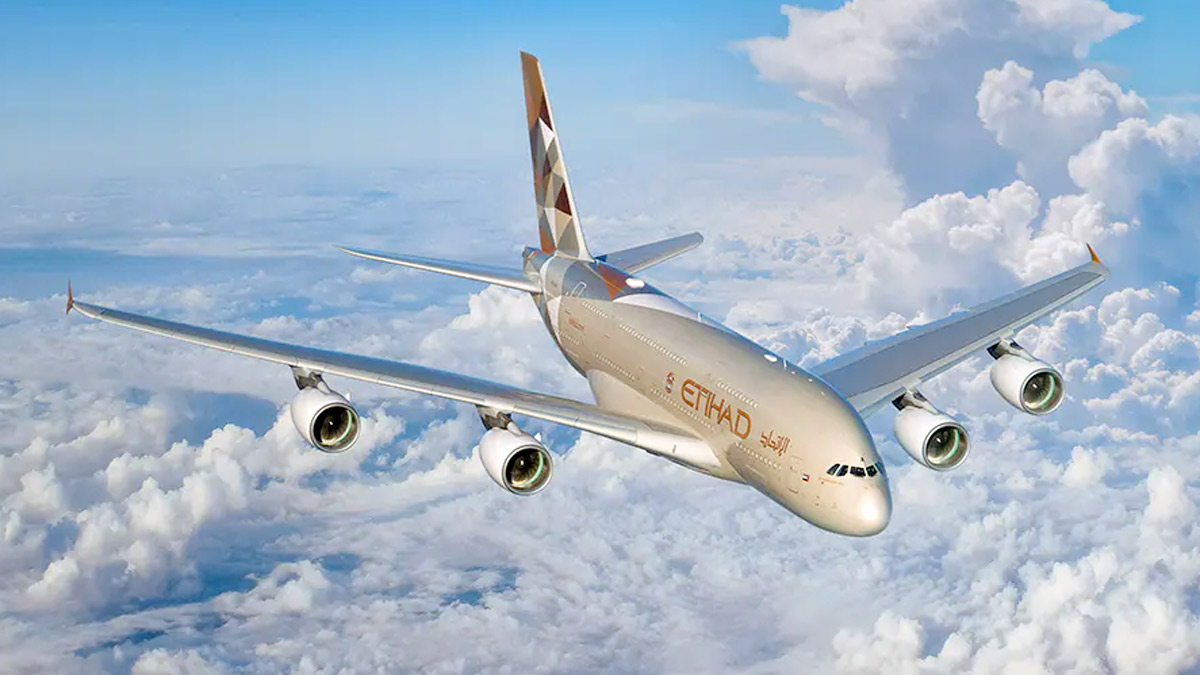
This inflationary pressure is not confined to international travel. Industry experts warn that the rising cost of fuel will inevitably permeate the domestic sector. While domestic routes are less affected by international airspace closures, the base cost of refined petroleum remains a global commodity, meaning Australian travelers should prepare for fare increases on popular routes between Sydney, Melbourne, and Brisbane.
A Comparative Analysis of Current Market Pricing
The shift toward dynamic pricing has led to an inconsistent and often confusing landscape for consumers. A snapshot of the current market reveals the extent of the price fluctuations:
- Middle Eastern Carriers: In an effort to offset the perceived risk of regional transit, airlines like Etihad have occasionally listed return economy fares to London at approximately AU$899. Emirates and Qatar Airways have maintained slightly higher price points, generally ranging between AU$1,500 and AU$1,800.
- South Asian and Southeast Asian Carriers: Airlines such as Malaysia Airlines and Thai Airways, which provide an alternative to the Middle Eastern hubs, are currently pricing return fares to Europe in the AU$2,000 to AU$2,200 bracket.
- Premium North Asian and Direct Carriers: Top-tier airlines based in Singapore, Japan, and Hong Kong are seeing high demand for their "avoidance routes." Fares on these carriers frequently start at AU$2,500 and can escalate quickly.
- Qantas Airways: As the carrier with the most direct routes (including the Perth-London non-stop service), Qantas fares are currently among the highest in the market. Economy return flights to the United Kingdom are ranging from AU$2,700 to as high as AU$8,000, depending on the proximity to the departure date and remaining capacity.
These figures illustrate a market where the "risk premium" and "convenience premium" are being calculated in real-time, leaving little room for the traditional early-bird discounts that travelers have historically relied upon.
Operational Reconfiguration and Fleet Management
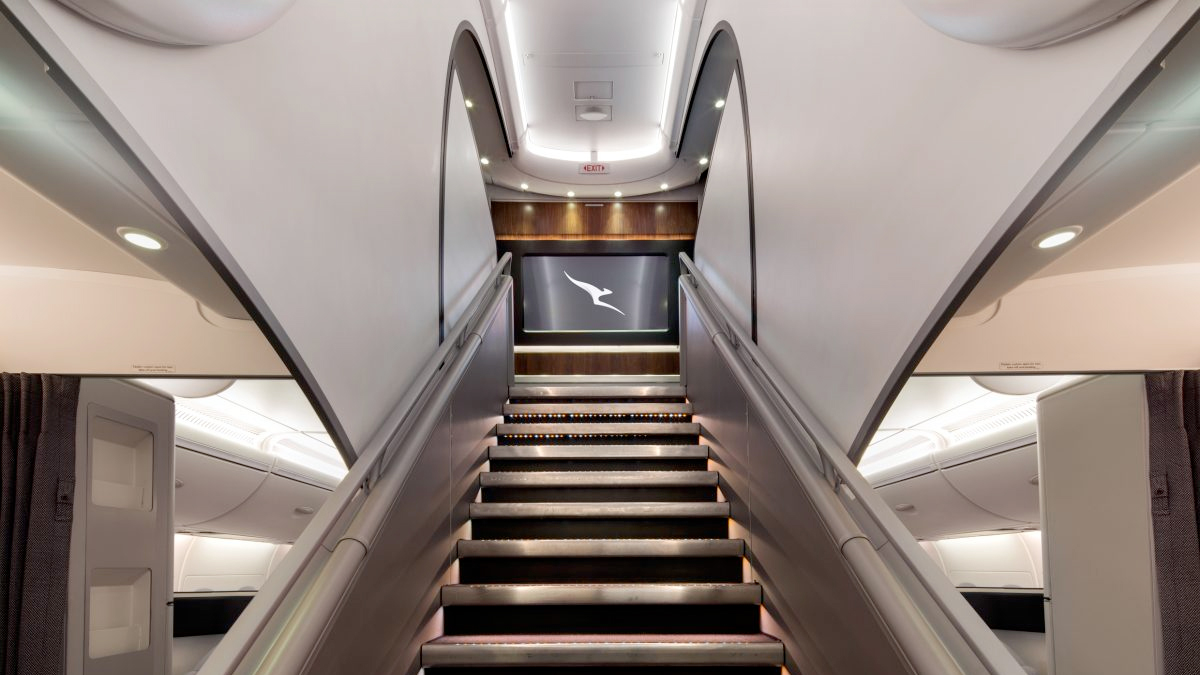
Qantas is not only adjusting its pricing but also its physical network to maximize efficiency. The airline has flagged potential consolidations on routes with softening demand, particularly on some services to the United States. This strategy allows the carrier to redeploy its most capable aircraft—specifically the Airbus A380 superjumbo—to high-demand European routes.
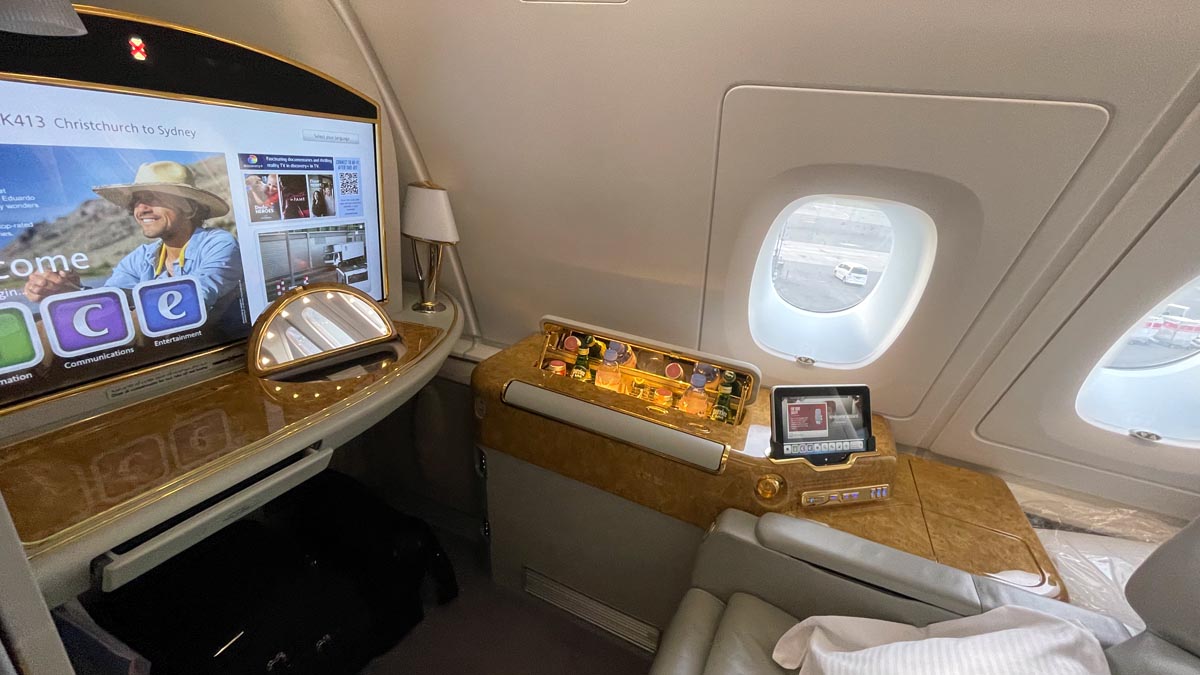
The logic behind this redeployment is grounded in capacity mathematics. Moving an A380 from a US route to a European route can nearly double the available seats per flight compared to smaller wide-body aircraft like the Boeing 787 Dreamliner. By concentrating its largest aircraft on the most profitable and high-demand corridors, Qantas aims to maintain high load factors, which are currently reported to be exceeding 90% on many international sectors.
This flexibility is becoming a hallmark of modern aviation management. Airlines are no longer viewing their schedules as fixed annual commitments but as fluid operational plans that can be modified with only a few weeks’ notice to chase yield and manage overheads.
Industry-Wide Reactions and Global Trends
The trend toward aggressive fare management is being mirrored by Qantas’s competitors. Air New Zealand recently suspended its full-year profit outlook, citing the combined impact of fuel price volatility and regional economic softening. The New Zealand flag carrier has already implemented several fare increases and warned of further schedule rationalization.
In Europe, the Scandinavian carrier SAS has introduced temporary fuel surcharges and fare adjustments to cope with the loss of Russian airspace and the resulting increase in flight times to Asia. Similarly, major groups like Lufthansa and IAG (the parent company of British Airways) are closely monitoring their pricing structures as they navigate the highest operating costs in a decade.

Even Virgin Australia, which focuses primarily on domestic and short-haul international routes, has acknowledged the pressure. While the airline has not yet moved to a fortnightly review model, management has confirmed that it is closely monitoring the impact of fuel costs on its long-term pricing strategy.
Technological Advancements in Dynamic Pricing
The ability of airlines to review and change fares every two weeks is facilitated by advancements in data processing and Artificial Intelligence (AI). Modern revenue management systems can analyze millions of data points—including competitor pricing, historical booking patterns, fuel futures, and even social media sentiment regarding travel safety—to suggest optimal price points.
Industry analysts suggest that the "fortnightly review" may eventually become a "daily review" as AI tools become more integrated into airline operations. For the consumer, this means the end of predictable seasonal sales. The traditional advice of "booking on a Tuesday" or "six months in advance" is becoming obsolete in a market where prices are dictated by immediate global events rather than historical cycles.
Implications for Travelers: The "New Normal" of Uncertainty
For the global traveler, the primary takeaway from Qantas’s announcement is a future defined by uncertainty. The stability that once allowed families to plan European vacations a year in advance has been replaced by a reactive market.
Travel consultants are now advising clients to utilize fare tracking tools and to be prepared to book immediately when a price falls within their budget. The concept of the "insurance fare"—where a traveler books a secondary, refundable flight on an alternative route as a backup against potential cancellations in the Middle East—is also gaining traction among affluent travelers.
Furthermore, the surge in prices is likely to lead to a shift in destination preferences. If fares to Europe remain at the AU$3,000 to AU$5,000 level, a segment of the Australian market may pivot toward more affordable regional destinations in Southeast Asia or the South Pacific, further altering the global aviation map.
Conclusion and Outlook
Qantas’s shift to fortnightly fare reviews is a pragmatic, if stark, admission of the volatility facing the modern world. By prioritizing financial agility over pricing stability, the airline is positioning itself to survive a period of intense geopolitical and economic pressure. However, this move also signals a fundamental change in the relationship between airlines and their passengers.
As fuel costs remain high and the situation in the Middle East continues to fluctuate, the era of cheap, predictable long-haul travel appears to be in a period of extended hiatus. For the foreseeable future, flexibility, rapid decision-making, and a higher travel budget will be the essential requirements for anyone looking to navigate the increasingly complex global skies.



 Anjar Salim
 Chandra Hamzah
 Gabriela Annisa
 Susilo Edi Turonggo
 Tatiana Tantri Indah Sari
 Walid Sujud Trenggono