
 Walid Sujud Trenggono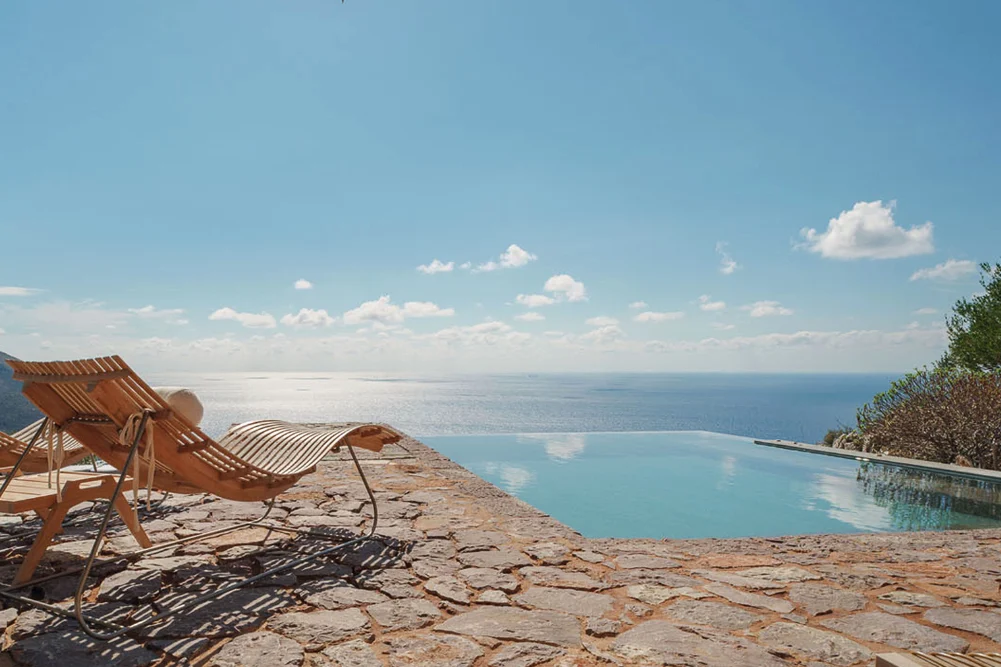
The global travel industry is witnessing a significant pivot toward wellness-centric itineraries, as evidenced by a growing demographic of mothers seeking "transformative" rather than merely "recreational" holidays. This trend, often referred to in industry circles as "wellness tourism," has seen a surge in demand for destinations that offer a combination of physical restoration, mental health support, and cultural immersion. Recent reports from the Mediterranean sector, particularly Greece, highlight a specific increase in travelers from the Southern Hemisphere, including Australia, who are prioritizing long-haul journeys to facilitate deep psychological resets. As the travel landscape evolves post-pandemic, the traditional vacation is being replaced by a more intentional form of "wellness practice," where the primary objective is the reclamation of selfhood amidst the demands of professional and domestic life.
The Strategic Shift Toward Intentional Travel
For many contemporary travelers, the motivation for international transit has shifted from sight-seeing to "self-seeking." Industry analysts observe that the modern traveler, particularly the working parent, is increasingly viewing travel as a necessity for mental health rather than a luxury. This is particularly true for women, who historically shoulder the majority of caretaking responsibilities. Data from the Global Wellness Institute suggests that wellness tourism is projected to grow at an annual rate of 20.9% through 2025, significantly outpacing the general travel industry.
The narrative of "selfish travel"—a term once used pejoratively—is being rebranded as essential self-care. For mothers balancing full-time employment with the rigors of parenting, the decision to embark on a solo or friend-based retreat is often a response to "burnout culture." The journey involves a deliberate shift from managing the needs of others to focusing exclusively on personal well-being. This shift is not merely psychological but physiological, as extended periods of rest and a change in environment are known to lower cortisol levels and improve cognitive function.
Chronology of a Mediterranean Wellness Itinerary
The logistical execution of such a retreat often begins with a significant transit phase, which for Australian travelers involves a 24-hour journey to the European continent. This period of transit serves as a psychological buffer, allowing the traveler to disconnect from their domestic environment.
Phase I: Cultural Immersion and Boutique Hospitality in Crete
The first leg of a comprehensive Greek wellness itinerary often centers on Crete, the largest of the Greek islands. Travelers recently documented a stay in the village of Koutouloufari, located on the northern coast. This region is noted for its preservation of traditional Cretan architecture and its slower pace of life compared to the more commercialized hubs of Heraklion or Chania.
At the center of this experience is the concept of Philoxenia—the ancient Greek value of hospitality toward strangers. Family-owned boutique hotels, such as Villa Ippocampi, have become pivotal in the wellness sector. Unlike large-scale resorts, these establishments focus on personalized care and communal connection. Owned and operated by a local family—Lydia, Sophia, and Nikos—these villas provide an environment that mimics a domestic space but without the associated responsibilities.
The daily schedule in Crete typically emphasizes "slow living." This includes:
- Morning: Minimalist activities such as poolside relaxation or "unstructured time," which psychologists suggest is vital for creative recovery.
- Afternoon: Exploration of local flora, including the omnipresent bougainvillea and olive groves, which provide sensory grounding.
- Evening: Culinary engagement with the "Mediterranean Diet," recognized by UNESCO as an Intangible Cultural Heritage of Humanity.
The Cretan phase of travel is characterized by "grounded freedom," where the focus remains on simple pleasures: fresh produce, local seafood, and the rebuilding of interpersonal connections through uninterrupted conversation.
Phase II: The Remote Southern Frontier of Cape Tainaron
The second phase of the Greek wellness journey often involves a transition to the mainland, specifically the Mani Peninsula in the Peloponnese. This region is home to Cape Tainaron, the southernmost point of mainland Europe. Geographically and historically, this area is known as the "end of the earth," a reputation that makes it an ideal location for "disconnection tourism."
Tainaron Blue Retreat, a prominent establishment in this region, exemplifies the trend of "architectural wellness." The retreat is built into a historic stone tower, blending seamlessly with the rugged, rocky landscape. The architecture is designed to minimize distractions, offering unobstructed views of the Ionian and Aegean Seas.
In this remote setting, the "reset" becomes more profound. The absence of urban noise and the presence of "blue space"—a term used by environmental psychologists to describe the health benefits of being near water—facilitate a state of "silent spaciousness." The culinary experience here is also elevated, often involving multi-course meals that utilize hyper-local ingredients, such as kingfish, prawns, and seasonal vegetables, prepared with a focus on nutritional density and aesthetic presentation.
Supporting Data: The Economic and Psychological Impact of Wellness Travel
The shift toward wellness retreats in Greece is supported by broader economic and social data. According to Chris Kam, President and COO of Omnitrak, a Hawaii-based travel research company, the very definition of a holiday has undergone a transformation. Kam notes that travel has evolved from a simple "reset" into a profound "healing experience" addressing mental, physical, and spiritual stress.
Key statistics reflecting this trend include:
- Post-Pandemic Demand: Following the height of COVID-19 restrictions, there has been a documented "rebound" in travel characterized by a desire for spontaneity and freedom. The loss of the "basic primal desire to wander" during lockdowns has heightened the perceived value of international travel.
- Maternal Mental Health: Studies indicate that mothers who take regular breaks from caretaking duties report higher levels of life satisfaction and lower rates of parental burnout.
- The "Slow Travel" Movement: There is a 30% increase in travelers choosing "slow" destinations over "bucket-list" sightseeing tours, prioritizing depth of experience over the quantity of locations visited.
Expert Analysis: The Intersection of Wellness and Identity
The broader implication of these travel trends is a societal shift in how women, particularly mothers, view their own needs. The historical narrative of the "selfless mother" is being challenged by a new paradigm that views self-care as a prerequisite for effective caretaking. By "putting themselves first," women are reclaiming their autonomy and energy.
Travel serves as an "extension of wellness practice" rather than an escape from reality. For a mother of a toddler or an expectant mother, the space provided by a six-night retreat allows for an exploration of both the "inner and outer world." This is critical for identity maintenance, ensuring that the individual’s sense of self is not entirely consumed by their parental or professional roles.
The Greek environment is uniquely suited for this purpose. The combination of high-quality, simple food (such as the famous Cretan bruschetta and fresh fish), the physical environment of the Mediterranean Sea, and the cultural emphasis on community creates a holistic wellness "ecosystem."
Broader Impact and Industry Implications
The success of boutique wellness retreats in Greece suggests a profitable and sustainable path forward for the Mediterranean tourism industry. By focusing on high-value, low-impact tourism—where guests stay longer and engage more deeply with local culture—regions like Crete and the Mani Peninsula can protect their natural and cultural assets while catering to an affluent, wellness-conscious demographic.
Furthermore, the "momcation" or "wellness retreat" model is likely to expand. As the benefits of these trips become more widely documented, more women are expected to seek out similar experiences. This will likely lead to:
- An increase in specialized wellness packages tailored to mothers and pregnant women.
- Greater demand for "off-the-beaten-path" destinations that offer privacy and tranquility.
- A shift in marketing toward the psychological and emotional benefits of travel, rather than just the physical amenities of a hotel.
Conclusion: The Enduring Value of the Simple Reset
The experiences of travelers in Greece underscore a fundamental truth about modern wellness: it is often found in the simplest elements. The combination of "sparkling sea, flavoursome tomatoes, fresh fish, and friendly locals" provides a blueprint for a life that feels purposeful and balanced.
As the travelers return to their daily lives—in this case, back to the coastal regions of Australia—the impact of the retreat remains. The "vibrant energy" regained during six days in the Mediterranean is carried back into the domestic sphere, ultimately benefiting the very families the travelers sought a break from. The Greek wellness retreat, therefore, is not an act of abandonment, but an act of replenishment, proving that travel remains one of the most effective tools for personal growth and holistic health in the 21st century.


 Anjar Salim
 Chandra Hamzah
 Tatiana Tantri Indah Sari
 Budi Mulyono

