
 Chandra Hamzah
The escalating geopolitical tensions in the Middle East are sending shockwaves across global markets, with a significant increase in oil prices directly impacting the travel industry. As consumers witness rising fuel costs at local petrol stations, the cruise sector is bracing for a similar, if not more pronounced, effect. This surge, driven by the ongoing conflict involving the United States and Iran, is prompting airlines and travel operators to re-evaluate their pricing strategies, with immediate implications for holidaymakers, particularly in Australia.
The Immediate Impact: Airlines Adjusting to Volatility
The ripple effect of the geopolitical instability is already being felt in the aviation sector. Qantas, Australia’s national carrier, has signaled its intent to conduct fortnightly airfare price reviews, a clear indication of how swiftly the consequences of the conflict are being factored into travel costs. This proactive measure underscores the perceived permanence of the current oil price shock and its potential to sustain elevated fuel expenses for an extended period. Experts interviewed by Cruise Passenger magazine suggest that promotional fares and special deals, often the most attractive entry points for consumers, will be among the first casualties of these rising costs. Cruise lines, like other businesses heavily reliant on fuel, are expected to adjust their pricing to safeguard their financial stability.
Fuel Price Shockwaves: A Global Phenomenon
Since the commencement of hostilities, global oil prices have surged by over 35%. While these shifts are still in their nascent stages, the duration and intensity of the conflict in the Middle East will directly correlate with the likelihood of passengers experiencing higher cruise fares. This impact is not confined to the maritime sector; it is poised to reverberate across the entire travel ecosystem. Qantas’s strategic adjustment is merely the harbinger of a broader industry trend, as companies move to mitigate the financial fallout from price volatility. The resulting increase in flight prices will inevitably translate to higher costs for packaged holidays for Australians, which frequently include both air travel and cruise components. The effect on flight prices is more immediate, making these increases readily apparent to consumers.
Cruise Lines’ Mitigation Strategies and Vulnerabilities
In the short term, many cruise lines, including those operating in the Australian market, may be able to maintain current fare levels. This is primarily due to existing contracts that lock in oil prices for a predetermined period. However, these contractual safeguards are not indefinite. As these agreements expire, cruise lines will face increased operational expenses, not only from fuel but also from rising quotes from suppliers and higher shore-based costs.
Analysts have identified Carnival Corporation and its associated cruise lines as potentially being the most susceptible to these price hikes. This vulnerability stems from Carnival’s relatively lower reliance on fuel hedging strategies compared to competitors such as Royal Caribbean Group and Norwegian Cruise Line Holdings. While other major players actively hedge against fuel price fluctuations, Carnival’s approach leaves it more exposed to direct cost increases. Consequently, if oil prices continue their upward trajectory, Carnival may be compelled to pass a significant portion of these additional expenses directly onto consumers.

The initial adjustments are expected to manifest in the phasing out of promotional offers and discounts. Subsequently, packages that bundle airfare and accommodation, including cruises, are likely to see price increases.
Industry Consensus: Book Now to Mitigate Impact
Industry insiders have conveyed a consistent and urgent message to Cruise Passenger: the most effective strategy to navigate the impending price hikes is to book travel arrangements immediately. This advice is particularly pertinent for those planning cruises within the next two years. Securing a booking now will lock in current prices, alleviating concerns about future increases and allowing for uninterrupted holiday planning.
For individuals who are already considering a cruise, acting swiftly offers the dual benefit of financial prudence and peace of mind. Exploring options that require only a modest deposit or consulting with travel agents for available promotions can facilitate the booking process. It is also strongly advised to secure comprehensive travel insurance as soon as any deposits are made. Furthermore, for those planning international cruises, booking flights as early as possible is a prudent step to hedge against rising airfares.
Australia’s Unique Vulnerability in the Cruise Market
Australian cruise passengers face a particularly acute risk from these escalating costs. Carnival, a prominent low-cost cruise operator in Australia, is expected to carry approximately 600,000 Australians on its ships this year. With four ships deployed in the Australian market, any significant price increase would directly impact a substantial segment of Australian holidaymakers who consider cruising a favoured vacation choice. In 2024 alone, an estimated 1.3 million Australians embarked on cruises, with major players like Carnival, Royal Caribbean, Celebrity Cruises, and Princess Cruises dominating the market. The economic benefits derived from cruising often serve as a significant motivator for Australians choosing this form of holiday.
The inherent structure of cruising in Australia makes it exceptionally susceptible to fuel price fluctuations. Several factors contribute to this vulnerability:
-
Extended Repositioning Voyages: Cruise lines that rotate their fleets between North America and Australia undertake exceptionally long voyages. Sailing from a port like Miami to Sydney, for instance, covers nearly twice the nautical miles compared to sailing to European homeports like Italy. This extensive travel requires a considerable expenditure of fuel. Even repositioning to closer North American destinations like Alaska or California is considerably less fuel-intensive and more cost-effective than voyages to Australia.
-
Shorter Distances Between Ports in Other Regions: In regions like the Caribbean or along the Californian coast, the distances between popular ports of call are significantly shorter. From Miami, a voyage to The Bahamas is approximately 50 nautical miles, while from Los Angeles to Ensenada, it’s around 150 nautical miles. These proximity allows for more frequent port calls and less fuel consumption per itinerary.
-
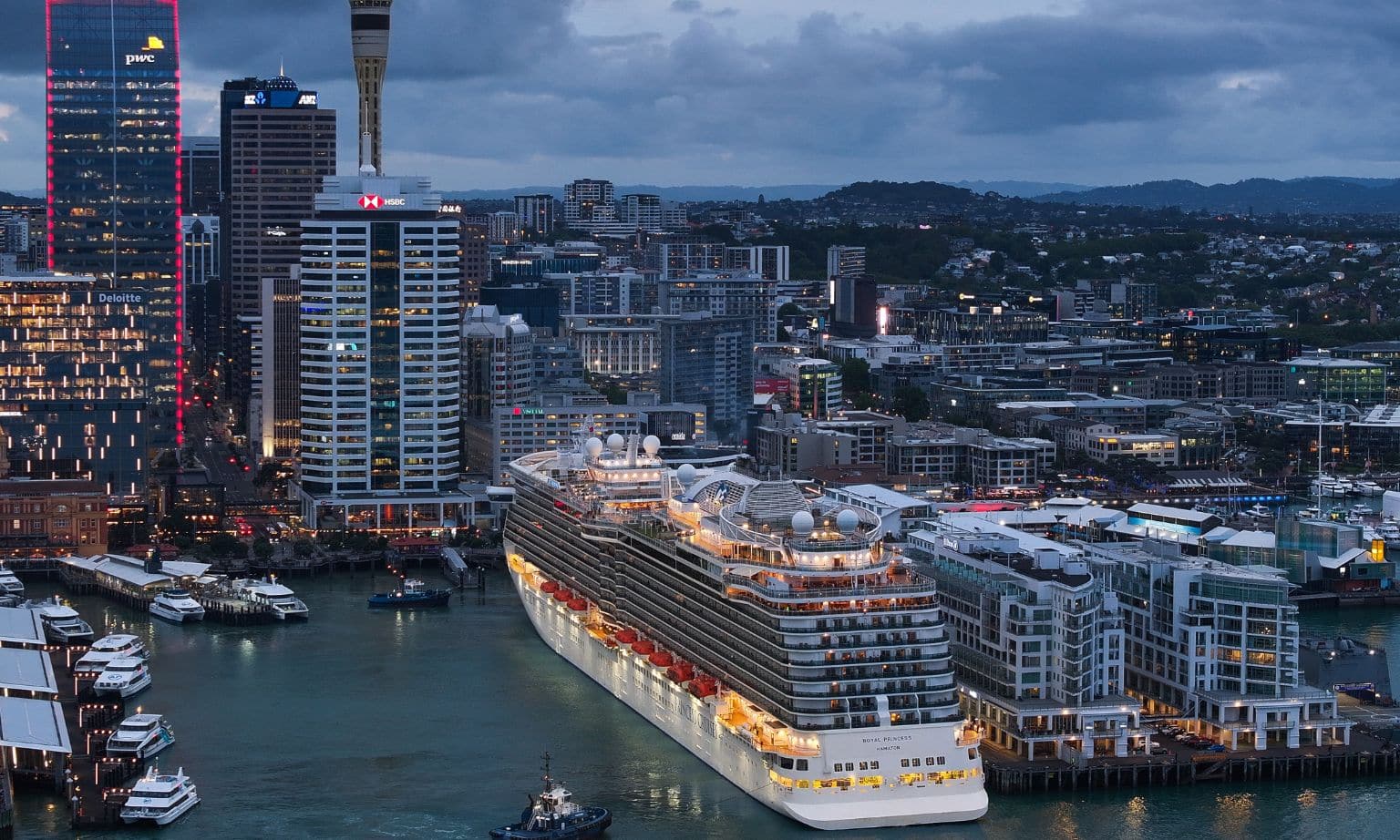
Greater Distances Between Australian Ports: In contrast, Australian cruise itineraries often involve substantial distances between ports. A voyage from Sydney to New Caledonia exceeds 1,000 nautical miles, and a similar journey from Sydney to Auckland also covers over 1,000 nautical miles. This necessitates greater fuel burn for each cruise.
The combination of long repositioning voyages and the larger geographical spread between destinations in Australia means that cruising in this region inherently requires a significantly larger fuel commitment. As oil prices climb, this increased operational cost places Australian cruise itineraries under greater financial strain. The potential consequence is that cruise lines may re-evaluate their deployment strategies, potentially withdrawing services from Australia as they seek to optimize costs in a volatile market.
Forecasting the Future: Potential Disruptions and Collaborative Solutions
Cruise lines typically finalize their deployment schedules at least three years in advance. This means that current itineraries for the next few years are largely committed. However, if fuel prices escalate to unsustainable levels, companies might be forced to reconsider planned trips to Australia to mitigate financial losses.
The current situation remains fluid, but if fuel prices do not stabilize within the next one to two months, a coordinated effort between the Australian cruise industry and government bodies will be crucial. Discussions should focus on identifying and implementing interim solutions to prevent cruise lines from withdrawing their services during the Australian summer seasons. Such collaboration could involve exploring temporary subsidies, navigational efficiencies, or other forms of support to maintain the viability of Australian cruise operations.
The Broader Economic Landscape
The surge in oil prices is not an isolated event but a symptom of broader global economic and geopolitical instability. The conflict in the Middle East has exacerbated existing inflationary pressures, impacting not only the cost of travel but also the price of goods and services worldwide. For consumers, this translates to a reduced disposable income, potentially affecting discretionary spending on non-essential items like holidays. The interconnectedness of the global economy means that disruptions in one sector or region can have far-reaching consequences, underscoring the need for robust economic resilience and proactive risk management strategies across industries.
Concluding Advice for Travellers
For individuals contemplating a cruise, the prevailing advice remains consistent: secure your bookings as soon as possible. This proactive approach will safeguard against potential price increases and provide the certainty needed for vacation planning. By locking in current rates, travellers can enjoy their anticipated voyages with greater financial predictability. Exploring flexible booking options and securing comprehensive travel insurance are essential steps in this process. As the global economic landscape continues to evolve, informed decision-making and timely action are paramount for travellers seeking to navigate the uncertainties ahead.




 Anjar Salim
 Tatiana Tantri Indah Sari
 Budi Mulyono
