
 Budi Mulyono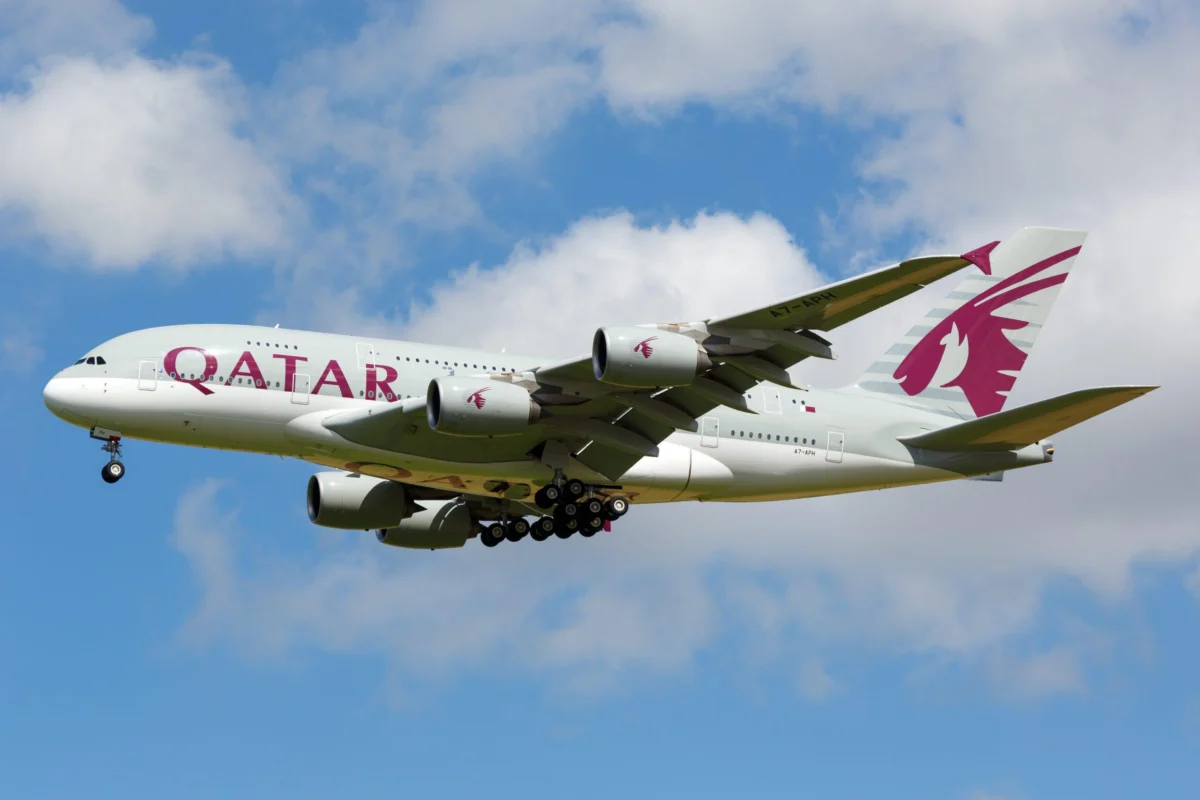
In a significant shift of its operational strategy, Qatar Airways has begun relocating a substantial portion of its widebody fleet to long-term storage in the Aragon Mountains of Eastern Spain. The move comes as the airline’s attempts to resume a normal flight schedule have been thwarted by escalating regional volatility and persistent threats involving missile and drone activity in the Persian Gulf. On Friday, five additional widebody aircraft were tracked en route to Teruel Airport, a specialized facility operated by Tarmac Aerosave, signaling a pivot from immediate recovery to a protracted period of asset preservation.
The decision to move these multi-million-dollar assets follows a turbulent week for the Doha-based carrier. While the airline received regulatory approval to restart scheduled operations on March 18, including vital transit traffic through its Hamad International Airport hub, the operational reality has proven far more challenging. The initial optimism that saw the airline ramp up to 135 daily flights by mid-week has been replaced by a sharp contraction. By Friday, the number of active flights had plummeted to just 43, representing a nearly 70% reduction in capacity within a 48-hour window.
Strategic Relocation to the Aragon Mountains
Teruel Airport, situated in a high-altitude, arid region of Eastern Spain, has become a critical node in Qatar Airways’ contingency planning. The site is managed by Tarmac Aerosave, a joint venture between Airbus, Safran, and Suez, which specializes in the storage, maintenance, and recycling of large commercial aircraft. The facility is uniquely suited for "deep storage"—a process where aircraft are prepared for months or even years of inactivity.
The dry climate of the Aragon Mountains is ideal for preserving the structural integrity of aircraft, as low humidity significantly reduces the risk of corrosion. At Teruel, aircraft undergo a rigorous induction process that includes draining corrosive fluids, sealing engines and sensitive sensors, and frequently rotating landing gear tires to prevent flat-spotting. For a carrier like Qatar Airways, which operates one of the youngest and most technologically advanced fleets in the world, protecting these assets from the elements and from potential regional conflict is a financial imperative.
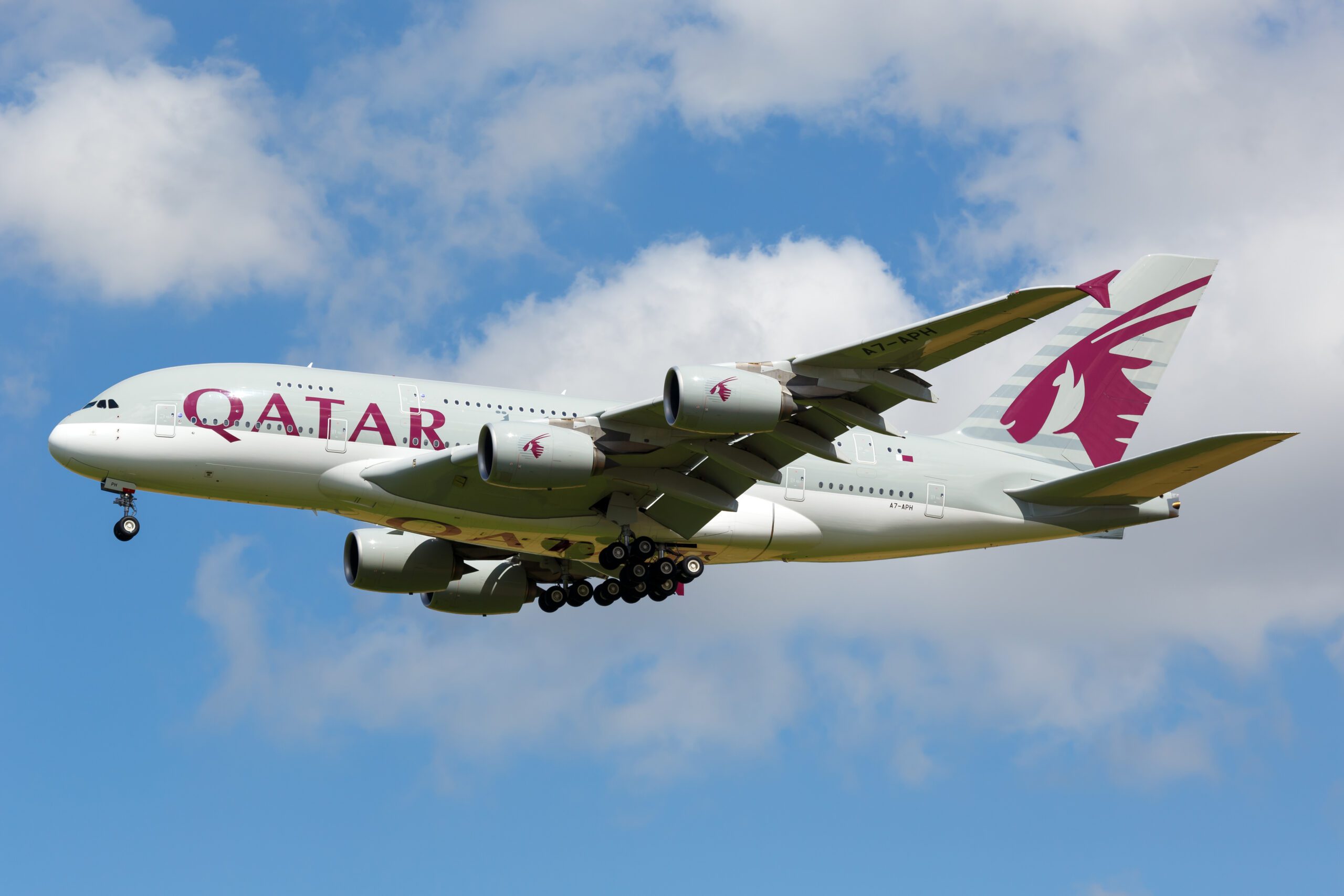
Among the aircraft arriving at Teruel on Friday was a flagship Airbus A380, registered as A7-APC. This specific superjumbo had been grounded at London Heathrow Airport since February 28, the date marking the commencement of the military crisis between the United States, Israel, and Iran. The relocation of the A380, along with several Airbus A350 and A330 models, indicates that Qatar Airways is preparing for a long-term reduction in global long-haul demand.
Chronology of a Stalled Recovery
The timeline of Qatar Airways’ operational struggle provides a clear picture of how quickly geopolitical events can derail the aviation industry.
- February 28, 2026: Military actions involving the US, Israel, and Iran trigger a massive disruption in Persian Gulf airspace. Qatar Airways is forced to ground significant portions of its fleet at outstations, including London Heathrow and various hubs in Asia and Africa, to prevent aircraft from being trapped or targeted in Doha.
- March 18, 2026: Following a period of intense diplomatic negotiations and a perceived stabilization of the security environment, Qatar Airways is granted permission to restart scheduled transit operations.
- March 19, 2026: The airline attempts a rapid scale-up, focusing on reconnecting Europe with Asia via its Doha hub.
- March 20, 2026 (Wednesday): Operations peak at 135 daily flights. Simultaneously, the airline begins "precautionary" ferry flights, sending four Airbus A330s from Doha to Teruel under special flight numbers, indicating no passengers were on board.
- March 22, 2026 (Friday): Following renewed threats of kamikaze drone strikes and missile launches from Iranian territories, the recovery stalls. Flights are cut back to 43. Five more widebody aircraft, including those previously stranded in London and Durban, are diverted to Spain.
Flight tracking data from Flightradar24 confirmed the heavy activity at Teruel on Friday. The arrivals included flight QR106 (the A380 from London), QR7397 (an A350 from Durban), and QR7311 (another A350). The use of specialized ferry flight numbers suggests these movements were coordinated as an evacuation of assets rather than a standard commercial realignment.
Economic Drivers: Parking Fees and Insurance Risk
While safety and security are the primary drivers for the relocation, economic factors play a substantial role in the airline’s decision-making process. Large international hubs like London Heathrow (LHR) are among the most expensive places in the world to park an aircraft. For a grounded Airbus A380, daily parking fees can reach thousands of dollars. When multiplied across several weeks and multiple aircraft, these costs represent a significant drain on liquidity.
By moving these aircraft to Teruel, Qatar Airways significantly reduces its daily "burn rate." Storage fees at specialized facilities like Tarmac Aerosave are a fraction of the cost of commercial gate or remote stand fees at major international airports. Furthermore, the insurance implications of the current conflict cannot be overstated. War-risk insurance premiums for aircraft parked in the Persian Gulf have surged since the end of February. By relocating the fleet to the neutral and geographically distant territory of Spain, the airline can negotiate lower insurance premiums for its inactive assets.
Geopolitical Context and Security Concerns
The ongoing conflict involving Iran has placed the state of Qatar in a precarious position. As a major global transit hub, Hamad International Airport (DOH) is vulnerable to regional instability. The threat of kamikaze drones and ballistic missiles has created a "high-risk" designation for the airspace over the Gulf.
Aviation security analysts suggest that Qatar Airways is adopting a "ultra-cautious" stance to avoid the catastrophic loss of hull and life. The memory of previous incidents where civilian airliners were caught in the crossfire of regional tensions remains a significant factor in current risk assessments. By thinning out the fleet presence at Hamad International, the airline minimizes the potential "target profile" of its home base and ensures that its most valuable assets are safe should the conflict escalate further.
Comparative Strategies: Qatar Airways vs. Emirates
The cautious approach of Qatar Airways stands in stark contrast to its regional rival, Emirates. Based in Dubai, Emirates has been more aggressive in its attempt to restore its pre-war schedule. As of Friday, Emirates was operating more than 350 daily flights through its Dubai hub.
Industry observers note that while both airlines face similar geographical risks, their strategic responses differ based on their respective government mandates and risk tolerances. Emirates appears to be betting on a swift resolution and the maintenance of Dubai’s status as a safe "bridge" between East and West. Qatar Airways, conversely, seems to be bracing for a "war of attrition" scenario, where regional instability becomes a semi-permanent fixture of the 2026 aviation landscape.
The disparity in flight numbers—43 for Qatar versus 350 for Emirates—highlights a diverging view of the security environment. If the threats from Iranian missiles and drones materialize, Qatar’s decision to move its fleet to Spain will be viewed as a masterstroke of asset protection. However, if the region stabilizes quickly, the airline may face a slower path back to profitability compared to its competitors.
Technical Implications of Deep Storage
Relocating aircraft to Teruel is not merely a matter of flying them there and turning off the engines. The "deep storage" process is a complex engineering undertaking. For the Airbus A350s and A380s involved, the maintenance teams must follow strict "Storage and Recovery" manuals provided by the manufacturer.
Key steps include:
- Environmental Sealing: All openings, including pitot tubes, static ports, and engine intakes, are covered with specialized "RBF" (Remove Before Flight) covers to prevent birds, insects, or dust from entering.
- Fluid Management: Fuel tanks are often treated with anti-fungal additives, and hydraulic systems are pressurized or drained and replaced with preservation oils.
- Weight Management: To prevent the tires from deforming, the aircraft are either periodically towed to a different position or placed on jacks to relieve pressure on the landing gear.
- Humidity Control: Desiccant bags are placed inside the cabin and cockpit to absorb any residual moisture, protecting the sensitive avionics and interior materials.
The decision to put these aircraft into such a state suggests that Qatar Airways does not expect to need them for at least 90 to 180 days. Re-activating an aircraft from deep storage can take anywhere from a few days to two weeks, depending on the duration of the storage and the level of maintenance performed during the hiatus.
Broader Impact on Global Aviation
The retreat of Qatar Airways from the global stage, even temporarily, has significant implications for international connectivity. As one of the world’s largest connectors of traffic between Europe, Africa, and the Asia-Pacific region, the reduction in Qatar’s flight schedule is likely to lead to increased airfares on these routes as capacity tightens.
Furthermore, the situation underscores the vulnerability of the "Hub and Spoke" model in the Middle East. For decades, the success of the "ME3" (Emirates, Qatar Airways, and Etihad) has been built on the geographic advantage of the Persian Gulf. However, that same geography now serves as a liability. The current crisis may accelerate a trend toward more direct, long-range "point-to-point" flying, bypassing the Gulf hubs entirely in favor of routes that utilize the ultra-long-range capabilities of aircraft like the Boeing 787 and Airbus A350-1000.
As of late Friday, the skies over Teruel remain busy. With five more widebody jets secured in the Spanish highlands, Qatar Airways has successfully insulated a significant portion of its capital value from the heat of the Persian Gulf crisis. Whether these planes return to Doha in weeks or years remains a question that will be answered not by airline executives, but by the unfolding geopolitical dynamics of the Middle East.


 Chandra Hamzah
 Gabriela Annisa
 Tatiana Tantri Indah Sari
 Hendra Ismail
 Walid Sujud Trenggono