
 Walid Sujud Trenggono
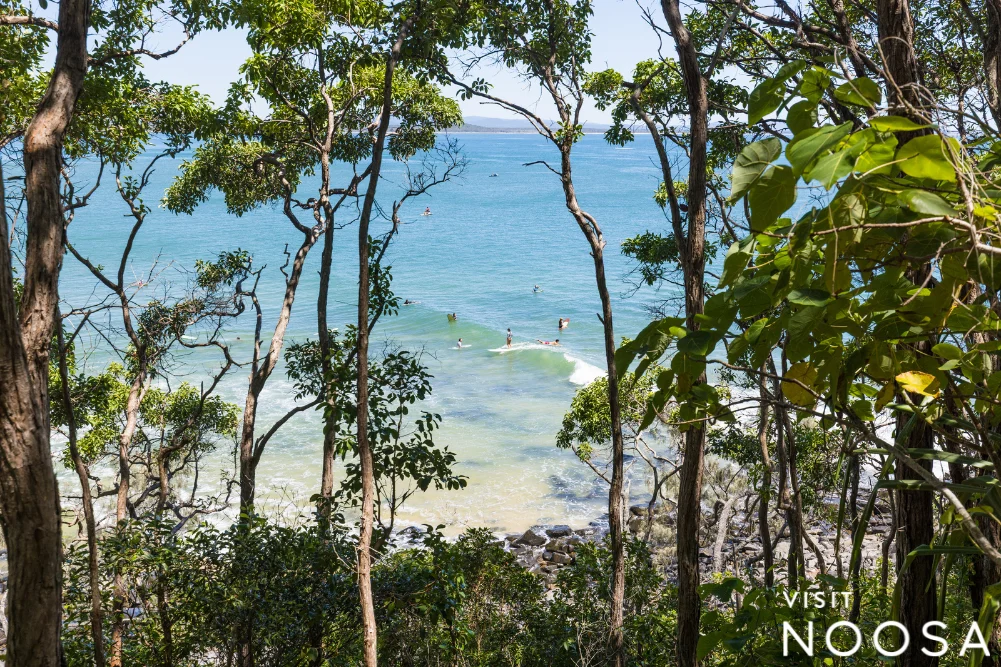
Noosa, situated on the traditional lands of the Kabi Kabi people in Queensland, Australia, has solidified its reputation as a premier destination for "slow tourism" and high-end wellness retreats. As the global travel industry shifts toward more intentional, sustainable, and health-conscious experiences, Noosa’s strategic integration of environmental preservation with luxury hospitality provides a blueprint for regional development. Recent travel data indicates a significant rise in "babymoon" tourism—trips taken by expectant parents—a niche that Noosa has successfully captured through its blend of pristine natural assets and sophisticated service infrastructure.
The Strategic Shift Toward Slow Tourism and Wellness
The concept of "Wunya Ngulum," a Kabi Kabi greeting meaning "welcome everyone," serves as the foundational philosophy for Noosa’s tourism sector. This inclusivity, paired with the region’s status as a UNESCO Biosphere Reserve since 2007, has created a unique market position. Unlike high-density tourist hubs, Noosa emphasizes a low-impact, high-value model. This approach is evident in the growing popularity of the Noosa North Shore, an area accessible via car ferry that acts as a natural buffer between the bustling Hastings Street and the wilderness of the Great Sandy National Park.
Market analysis suggests that modern travelers, particularly those in the "expanding family" demographic, prioritize spaciousness and seclusion. The Beach Road Holiday Homes on the North Shore exemplify this trend, utilizing eco-friendly architecture that blends into the native bushland. By providing three-bedroom configurations that accommodate both toddlers and expectant parents, these establishments cater to a demographic that seeks the comforts of home within a regenerative natural environment.
Chronology of a Five-Day High-Value Itinerary
A standard high-value itinerary in Noosa typically spans five days, a duration that tourism experts suggest is optimal for achieving the "decompression" sought by wellness travelers.
On the first day, travelers typically transition across the Noosa River to the North Shore. This geographical separation serves as a psychological "reset." Accommodations often partner with local culinary experts, such as The Noosa Forager, to provide hyper-local catering. This model reduces the carbon footprint associated with traditional restaurant dining while supporting the regional "paddock-to-plate" economy.
The middle days of the itinerary are generally dedicated to wellness and sensory experiences. Facilities such as the Ikatan Spa, a Balinese-inspired retreat, report a high demand for specialized treatments, including pregnancy-specific massages and organic facials. Simultaneously, family-friendly infrastructure, such as the Dick Caplick Park in Eumundi, allows for a bifurcated experience where parents can seek individual wellness while children engage in high-quality outdoor play.
The final stages of the stay focus on the "Noosa Junction" and "Hastings Street" precincts, where the focus shifts to sustainable gastronomy and artisanal retail. Establishments like Lanai Noosa and Seabourne Distillery represent the new wave of Noosa hospitality, where the narrative of the ingredients—ranging from Mooloolaba prawns to native botanicals—is as important as the service itself.
The Economic Impact of Local Sourcing and Artisanal Production
The Noosa economy is increasingly driven by a "circular" approach to hospitality. Danielle Young of The Noosa Forager exemplifies a growing cohort of entrepreneurs who bridge the gap between local producers and luxury consumers. By curating grazing boards and meal platters featuring local bakery items, homemade dips, and seasonal fruits, these services ensure that tourism dollars remain within the Sunshine Coast ecosystem.
In the restaurant sector, the emphasis has shifted toward sustainable seafood and native ingredients. Lanai Noosa, led by Chef Ryan Fitzpatrick, utilizes a menu that highlights Spencer Gulf kingfish and sustainably harvested seafood. This focus aligns with the preferences of the "conscious consumer," a demographic that accounts for approximately 40% of the luxury travel market according to recent industry reports.
Furthermore, the artisanal beverage industry in Noosa has seen a surge in growth. Seabourne Distillery, headed by distiller Dylan (last name withheld for privacy), showcases how regional botanicals can be used to create a distinct "sense of place" through spirits. Importantly, the distillery’s inclusion of sophisticated non-alcoholic "mocktails" caters to the growing "sober-curious" and expectant parent markets, ensuring inclusivity in the social landscape of the town.
Supporting Data and Tourism Statistics
Tourism Noosa’s recent quarterly reports highlight several key trends that justify the region’s focus on the wellness and family sectors:
- Visitor Spend: While total visitor numbers have stabilized, the average spend per visitor has increased by 12% year-on-year, indicating a successful pivot toward the luxury and "slow travel" markets.
- Wellness Growth: The wellness tourism sector in Australia is projected to grow at an annual rate of 7.5%. Noosa currently captures a disproportionate share of this market within Queensland due to its density of high-end day spas and yoga retreats.
- Eco-Certification: Over 30% of Noosa’s accommodation providers have now sought or achieved eco-certification, a response to the 65% of global travelers who state they prefer to stay in eco-friendly housing.
Environmental and Cultural Implications
The preservation of Noosa’s natural beauty is not merely an aesthetic choice but a core economic strategy. The Kabi Kabi people’s ongoing connection to the land provides a cultural framework that tourism operators are increasingly respecting and integrating. This cultural sensitivity, combined with the UNESCO Biosphere status, mandates a strict adherence to sustainable development goals.
The "babymoon" experience, as analyzed through the lens of professional travel editors, highlights a deeper psychological need for "grounding" and "connection" before major life transitions. Noosa’s landscape—comprising sandy shores, winding rivers, and native bushland—serves as a backdrop for this emotional labor. The "slow travel" movement encourages visitors to move "consciously and with ease," a sentiment that contradicts the high-energy, high-exhaustion models of traditional tourism.
Broader Impact and Future Outlook
The success of Noosa’s wellness and family tourism model has broader implications for regional Australia. As urban centers become more congested, the demand for "escapism" that does not sacrifice modern luxury will continue to grow. Noosa’s ability to offer a "hidden world" experience on the North Shore, while maintaining a world-class culinary scene on Hastings Street, creates a versatile destination capable of weathering economic fluctuations in the travel industry.
Industry analysts suggest that the future of Noosa tourism will depend on its ability to manage the tension between its popularity and its environmental limits. The car ferry to the North Shore, while a charming novelty for families, also serves as a literal gatekeeper that prevents over-saturation of the pristine bushland.
In conclusion, the evolution of Noosa from a simple surf town to a sophisticated hub of wellness and sustainable luxury is a result of deliberate planning and a commitment to localism. For expectant families and high-value travelers, the region offers more than a holiday; it offers a "rare moment to slow down and recharge." This focus on the "human" element of travel—connection, wellness, and sensory indulgence—ensures that Noosa remains at the forefront of the Australian tourism industry. As the region moves forward, the integration of Kabi Kabi heritage, sustainable gastronomy, and eco-friendly infrastructure will remain the pillars of its global appeal.


 Anjar Salim
 Chandra Hamzah
 Gabriela Annisa
 Susilo Edi Turonggo
 Tatiana Tantri Indah Sari