
 Anjar Salim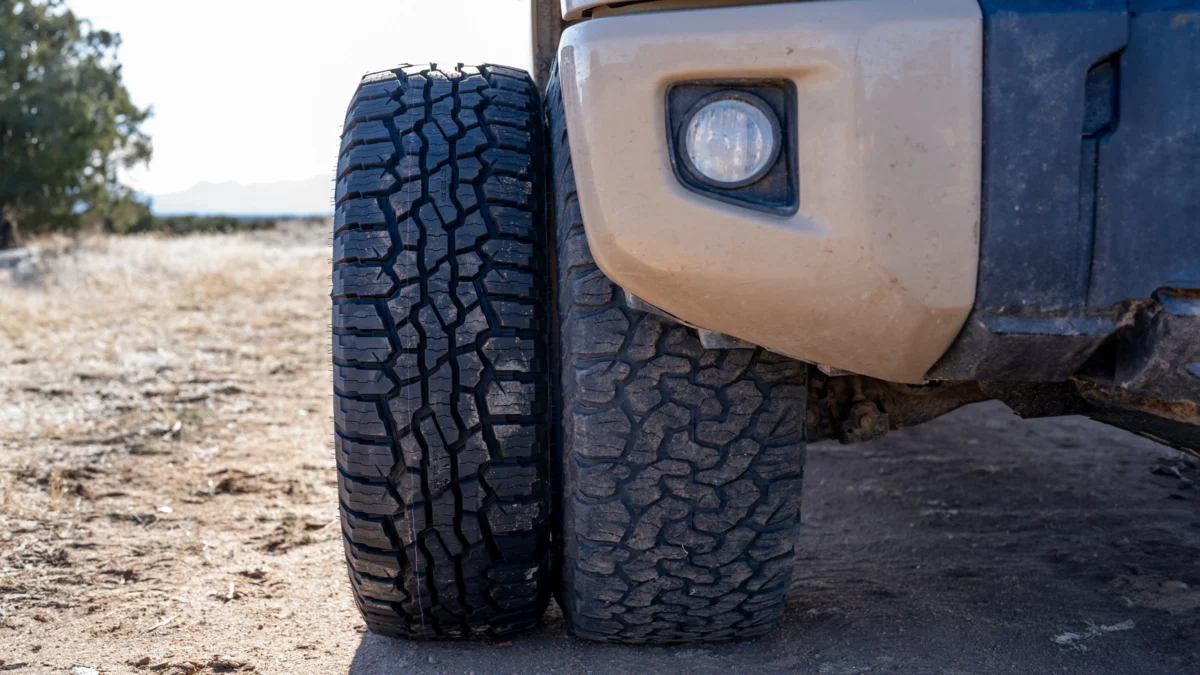
The burgeoning popularity of "overlanding"—a form of self-reliant travel to remote destinations where the journey is the primary goal—has driven a massive surge in the automotive aftermarket industry. Among the most frequent modifications performed by enthusiasts is the installation of oversized tires, often exceeding 33 to 35 inches in diameter. While these upgrades are frequently marketed as essential for off-road capability and aesthetic appeal, recent field testing and mechanical analysis suggest that the transition from stock-sized tires to 35-inch variants introduces significant compromises in vehicle safety, mechanical longevity, and fuel efficiency.
The Scope of the Modification Trend
In the modern automotive landscape, trucks and SUVs are engineered with precise tolerances. Manufacturers spend millions of dollars in research and development to balance fuel economy, braking performance, and handling. However, the overland culture often prioritizes "ground clearance" and "approach angles," leading owners to bypass factory specifications.
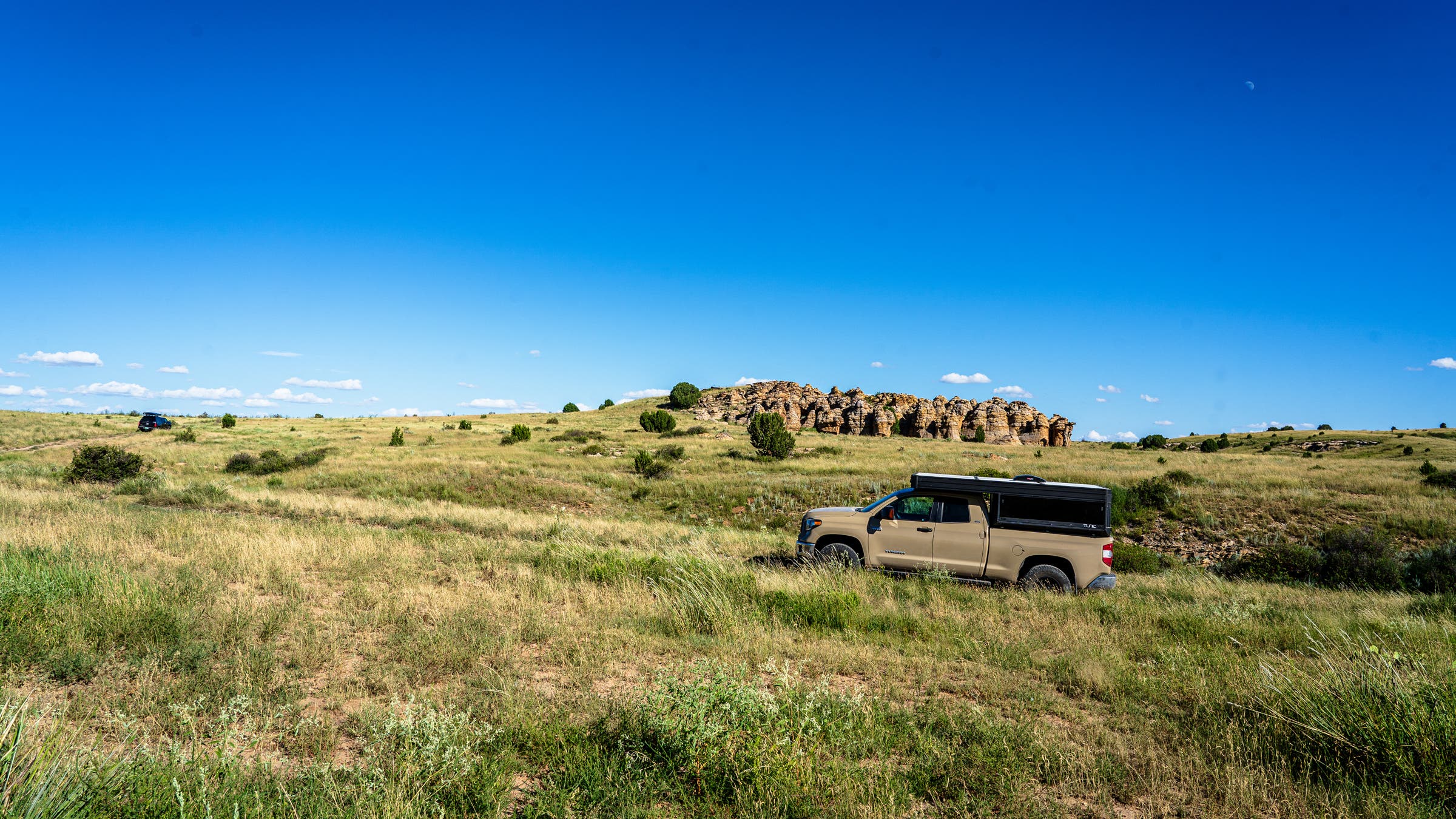
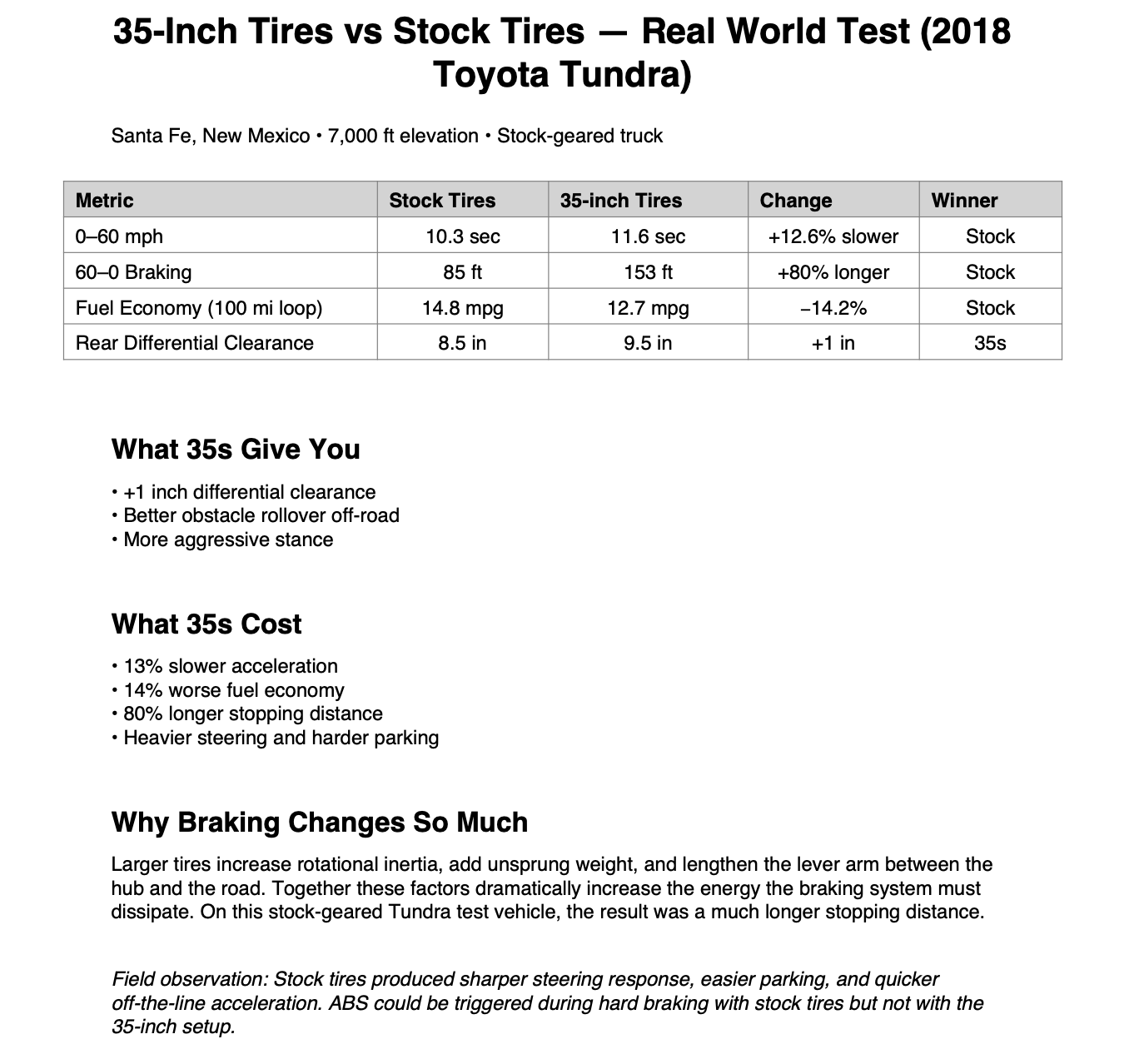
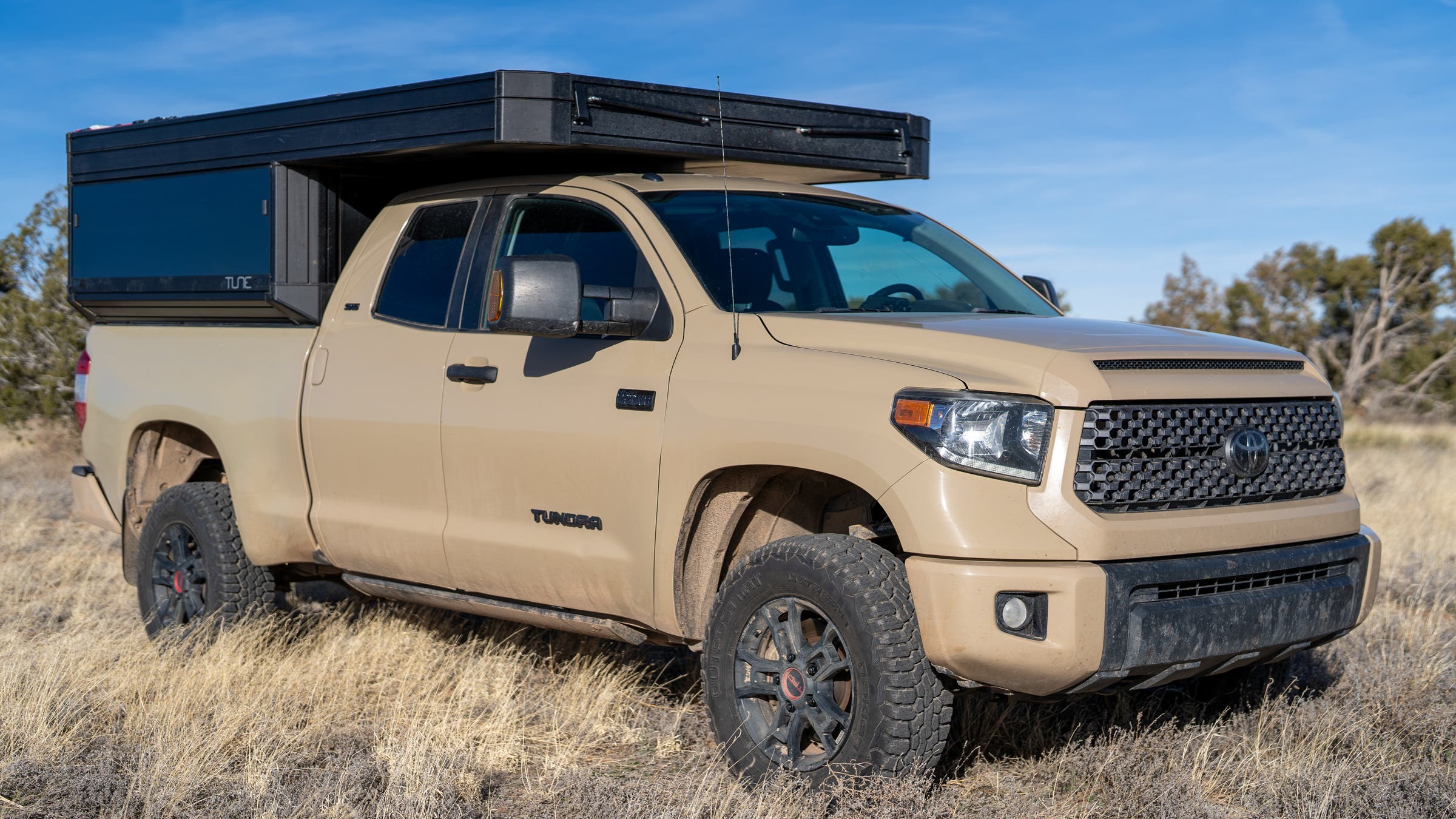
Automotive researcher Bryan Rogala recently conducted a comprehensive long-term evaluation using a 2018 Toyota Tundra equipped with a 5.7-liter V8 engine and a 2.5-inch suspension lift. The testing aimed to quantify the performance gap between the factory-recommended tire size and the popular 35-inch "upsize." The results highlighted a stark contrast between perceived utility and measured performance, particularly regarding the vehicle’s ability to respond in emergency situations.
Comparative Testing Methodology and Data
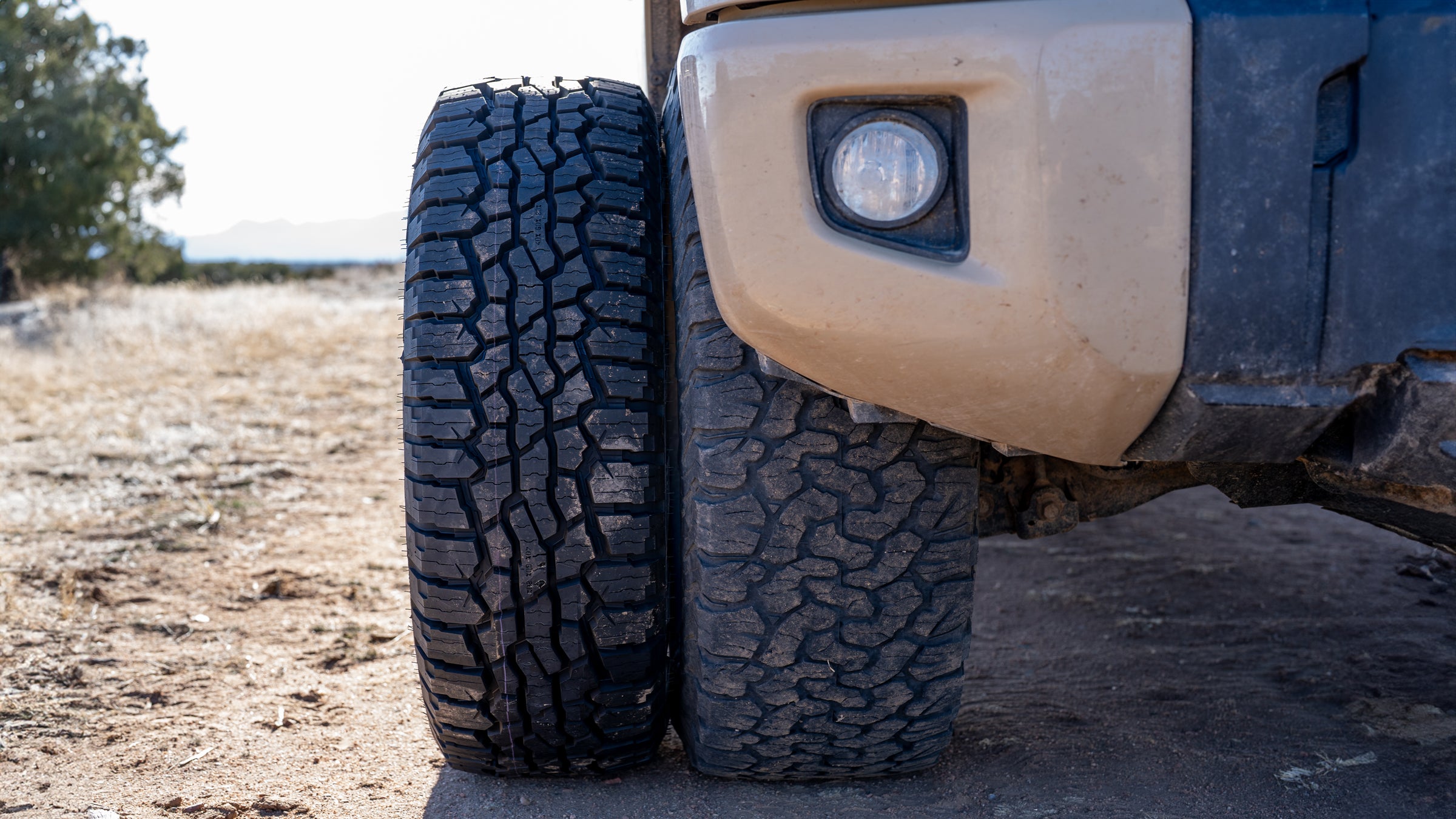
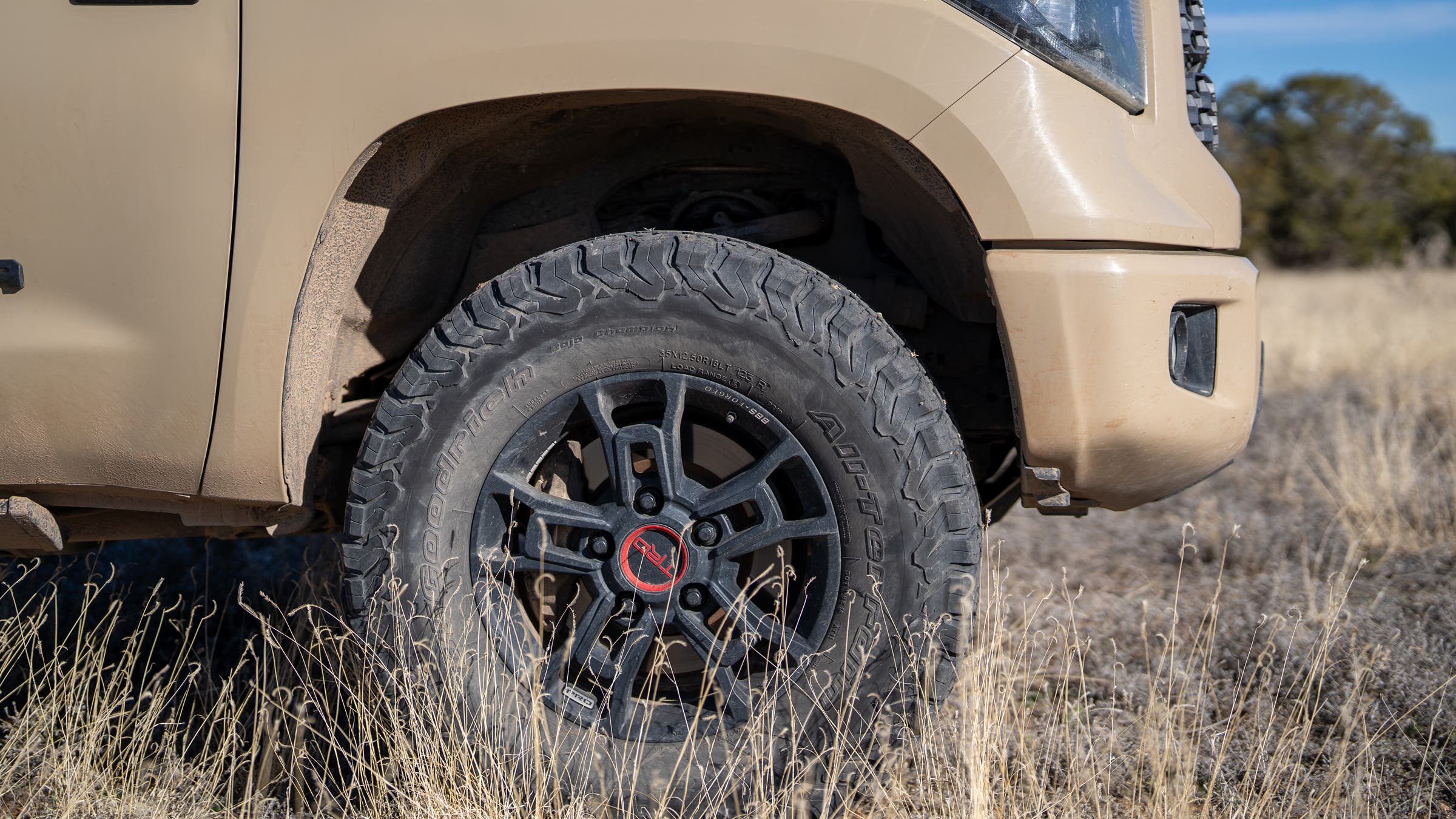
The evaluation compared two distinct tire setups. The "stock-equivalent" setup utilized Nokian Outpost nAT tires in a 275/65/18 configuration (approximately 32 inches tall). The "oversized" setup utilized BFGoodrich All-Terrain T/A KO2 tires in a 35×12.50R18 configuration. Both sets were Load Range E, designed for light trucks, yet the physical differences resulted in vastly different vehicle dynamics.
| Metric | Stock-Size (32") | Oversized (35") | Variance |
|---|---|---|---|
| Tire Weight | 53 lbs | 68 lbs | +28% |
| Total Unsprung Mass | 212 lbs | 272 lbs | +60 lbs |
| Observed Fuel Economy | 14.2 MPG | 11.8 MPG | -17% |
| Max Range (38gal tank) | 539 miles | 448 miles | -91 miles |
| Speedometer Error | 0% (Accurate) | -9% (80mph = 87mph) | Significant |
| Stopping Distance (60-0) | Baseline | +80% Increase | Critical Safety Risk |
The most alarming discovery during the testing phase involved braking performance. During simulated panic stops from 60 miles per hour, the vehicle equipped with 35-inch tires failed to activate its Anti-lock Braking System (ABS). This indicates that the factory braking system lacked the necessary torque to overcome the rotational inertia of the larger, heavier tires. In contrast, the stock-sized tires allowed the ABS to engage immediately, providing a controlled and significantly shorter stopping distance.
The Physics of Rotational Inertia and Leverage
The degradation in performance is not merely a matter of weight but a matter of physics. When a vehicle’s tire diameter increases, several mechanical factors change simultaneously. First is the increase in "unsprung weight"—the mass of the vehicle components not supported by the suspension. Heavier tires make it more difficult for the suspension to dampen movements, leading to a harsher ride and reduced traction on corrugated surfaces.
Second, the larger diameter increases the "lever arm" between the wheel hub and the road surface. This creates a mechanical disadvantage for the braking system. To stop a 35-inch tire, the brake calipers must exert significantly more force than they would for a 32-inch tire. For many midsize and half-ton trucks, the factory rotors and pads are not designed to handle this increased load, leading to "brake fade" and extended stopping distances.
Furthermore, the increased diameter alters the effective gear ratio of the vehicle. A 2018 Toyota Tundra running 35-inch tires experiences a "taller" gearing, which forces the transmission to downshift more frequently to maintain highway speeds—a phenomenon known as "gear hunting." This not only frustrates the driver but also increases wear on the transmission and reduces fuel efficiency.
Economic Implications of Oversized Modifications
For many owners, the initial cost of the tires—typically ranging from $1,200 to $2,000 for a set of four—is only the beginning of the financial investment required to maintain vehicle driveability. To counteract the negative effects of larger tires, professional mechanics often recommend a series of secondary modifications:
- Re-gearing Axles: To restore factory-like acceleration and reduce transmission stress, owners must often replace the ring and pinion gears in both the front and rear differentials. This process typically costs between $3,000 and $5,000.
- Brake Upgrades: To address the 80% increase in stopping distance, high-performance "Big Brake Kits" (BBK) from companies like Alcon or PowerStop are often necessary. These kits can cost anywhere from $1,500 to over $5,000.
- Speedometer Calibration: Modern vehicles rely on accurate wheel speed data for traction control and odometer readings. Aftermarket programmers are required to recalibrate the vehicle’s computer, adding another $200 to $500 to the build cost.
- Driveline Stress: The added weight and leverage of 35-inch tires place immense stress on CV axles, ball joints, and steering racks. Overlanders frequently report premature failure of these components, leading to expensive repairs in remote locations.
Expert Perspectives and Industry Reality
Jonathan Hanson, a renowned overlanding expert and co-founder of Overland Journal, has long advocated for "minimalist" modifications. Hanson argues that many popular upgrades, including oversized tires, are often "better left off" an expedition vehicle. According to Hanson, the primary goal of an overland rig should be reliability and longevity. Modifications that push a vehicle toward its mechanical limits increase the likelihood of catastrophic failure in the field.
Industry data suggests that 99% of off-road obstacles encountered by the average traveler can be navigated using a high-quality all-terrain tire in the factory size, provided the driver utilizes proper technique and adjusts tire pressure (airing down) for the terrain. The additional one inch of ground clearance provided by a 35-inch tire (compared to a 33-inch tire) is rarely the deciding factor in whether a vehicle can clear a trail, yet the performance penalties are constant, affecting every mile driven on pavement.
Safety and Regulatory Concerns
The safety implications of these modifications extend beyond the individual driver. An 80% increase in stopping distance represents a significant hazard to other motorists and pedestrians. In many jurisdictions, insurance companies may scrutinize vehicles involved in accidents if they are equipped with modifications that exceed factory safety parameters. If a vehicle’s braking system is found to be inadequate due to oversized tires, the owner could face liability issues.
In the European market, regulations such as the TUV certification process in Germany strictly limit tire size increases to ensure that braking and handling remain within safe limits. In the United States, however, the aftermarket is largely self-regulated, leaving the responsibility for safety entirely in the hands of the consumer.
Conclusion: The Case for Practicality
The allure of the "aggressive look" provided by 35-inch tires remains a powerful motivator in the truck community. However, the data derived from real-world testing suggests that for the vast majority of users, the trade-off is not mathematically or mechanically sound. A vehicle that is harder to park, more expensive to fuel, slower to accelerate, and—most critically—dangerously slow to stop, represents a net loss in utility.
As the overlanding movement matures, there appears to be a growing "counter-culture" of builders prioritizing efficiency and engineering over aesthetics. By sticking closer to factory specifications, owners ensure that their vehicles remain reliable, safe, and capable of reaching their destinations without the hidden costs of extreme modification. For the modern adventurer, the most valuable "capability" may not be the size of the tire, but the reliability of the machine as a whole.




 Chandra Hamzah
 Tatiana Tantri Indah Sari
 Budi Mulyono
