
 Chandra Hamzah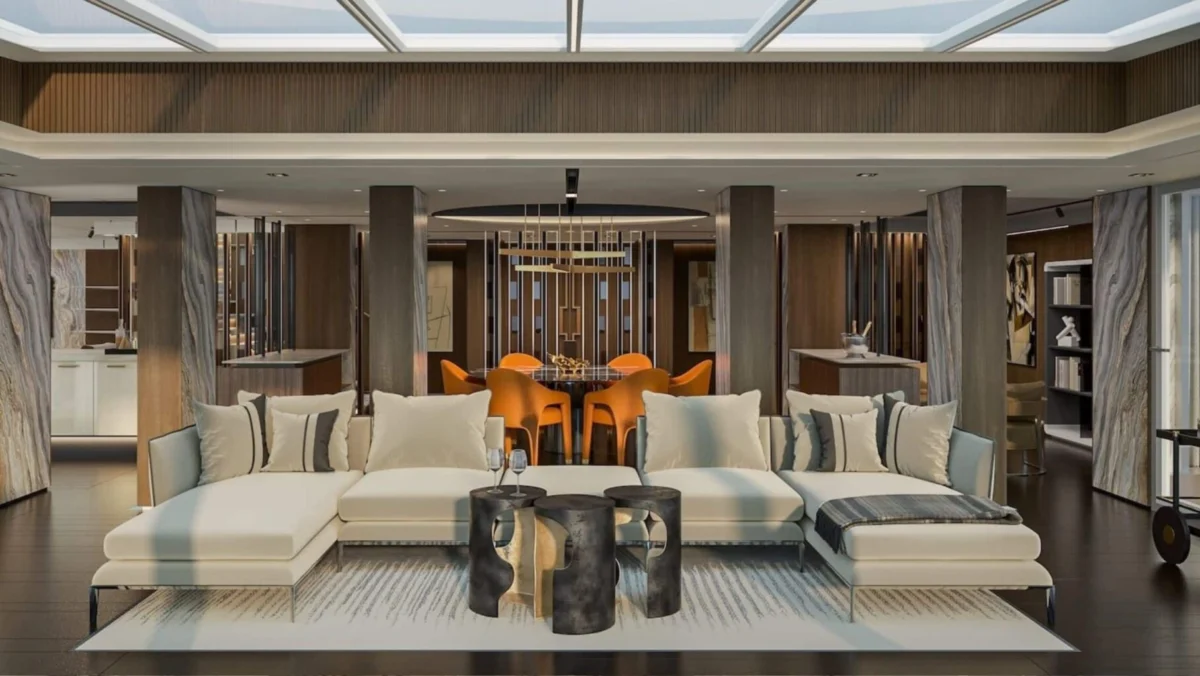
Regent Seven Seas Cruises is actively exploring the possibility of deploying additional ultra-luxury vessels to Australian and Pacific waters during the traditional winter months, according to newly appointed President Wesley D’Silva. This strategic consideration comes as the cruise line experiences unprecedented demand for its upcoming off-season sailings in the region, with bookings for the Seven Seas Navigator in 2027 already nearing capacity.
“Seven Seas Navigator will sail in Australia and the Pacific during the off-season winter months in 2027, and we have already seen an incredible demand – we are close to being almost sold out, with almost half of the suites already sold,” D’Silva stated during an exclusive interview with Cruise Passenger. He further elaborated on the company’s forward-thinking approach, noting, “If there’s good response to the Navigator sailing and we have spare capacity, we will certainly consider sending more ships to Australia during the winter, off-season sailing months.”
This significant announcement was made during a pivotal media lunch held at the iconic Bennelong Restaurant, situated within the Sydney Opera House. This event marked D’Silva’s first official engagement as president in Australia, underscoring the region’s growing importance in Regent Seven Seas Cruises’ global strategy. His arrival in Sydney was aboard the Regent Seven Seas Mariner, having disembarked after a journey from New Zealand, further emphasizing the interconnectedness of the Australasian cruising market.
A Trailblazing Winter Season
Regent Seven Seas Cruises is embarking on a novel three-month ultra-luxury winter season in 2027, featuring the intimate, 496-guest Seven Seas Navigator. The vessel is scheduled to navigate local Australian and Pacific waters from May to July, a period historically considered the off-peak season for cruising in the region. This initiative aligns with a broader trend observed within the luxury cruise sector, which is increasingly looking to extend its presence in Australian waters beyond the conventional summer months.
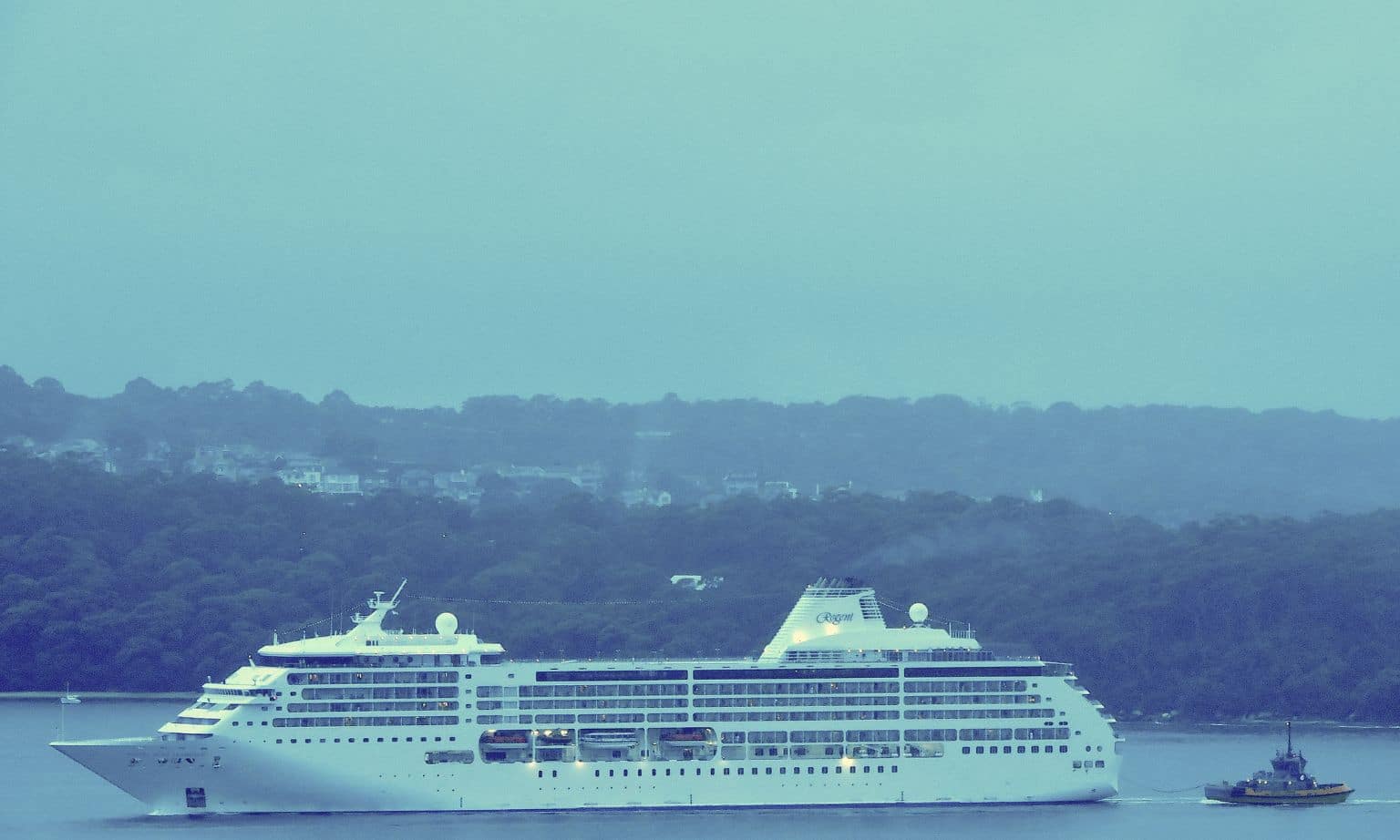
Historically, the primary cruise season in Australia has been synonymous with the warmer summer months, drawing large numbers of domestic and international tourists. However, D’Silva highlighted a perceptible shift in traveller preferences. “But we are seeing this lengthening of that season where there are a lot of travellers, especially travellers in our demographic who are willing to travel during the off-peak months, where you don’t have as many crowds and where the temperatures are a little milder and cooler,” he explained. This observation suggests a growing market segment that prioritizes a more serene and less crowded travel experience, coupled with pleasant, cooler weather, making the winter months an increasingly attractive proposition.
Global Luxury Cruise Market Growth
The burgeoning interest in off-season luxury cruising in Australia is a reflection of a significant global expansion within the entire cruise industry, particularly in the ultra-luxury segment. Industry projections indicate a substantial increase in the number of cruise travellers worldwide, escalating from an estimated 37.7 million in 2024 to nearly 42 million by 2028.
More remarkably, the growth within the luxury cruise segment is outpacing the overall market. D’Silva noted that the number of luxury cruise travellers is projected to surge from 1.1 million to 1.52 million over the same period. "That’s a 40 per cent difference," he stated, emphasizing the rapid and disproportionate expansion of this high-yield market. This robust growth has not gone unnoticed by established luxury hospitality brands, with several prominent players from the land-based sector, such as Ritz Carlton, Four Seasons, and Aman, now venturing into the maritime luxury space. This influx of new, high-end brands signals a maturing and diversifying luxury travel landscape.
The evolving preferences of these affluent travellers are a key driver of this expansion. Modern luxury cruisers are actively seeking enhanced onboard experiences, characterized by greater personal space, highly personalized service, and a desire for more immersive and extended itineraries. Many are opting for longer voyages and are open to undertaking multiple cruise holidays within a single year. Furthermore, there is a discernible willingness to invest in superior accommodations and exclusive experiences. “They are also willing to upgrade and stay in slightly nicer accommodations,” D’Silva remarked, pointing to the demand for premium suites and private spaces that redefine onboard living.
A Glimpse into the Future: The Prestige Class
Regent Seven Seas Cruises is also making significant investments in its fleet, with the highly anticipated launch of its new class of ships, the Regent Seven Seas Prestige, slated for December 2026. This pioneering vessel will be the first in a series, with further Prestige class ships scheduled for delivery in 2030, 2033, and 2036. This ambitious new-build program underscores the company’s profound confidence in the sustained growth and enduring appeal of the ultra-luxury cruise market.

The Prestige class is engineered not merely as an evolution of existing designs but as a revolution in refined elegance and unparalleled luxury. The inaugural vessel promises to set a new benchmark in maritime hospitality, featuring accommodations that are described as "havens of pure indulgence." This commitment to innovation and luxury is exemplified by the bespoke Skyview Regent Suite, a magnificent duplex residence spanning an impressive 836 square meters. This palatial suite boasts a wraparound balcony offering panoramic ocean views, a private Jacuzzi, an in-suite elevator, a personal gym, and unparalleled levels of service. The nightly rate for this exclusive accommodation is set at US$25,000 (approximately A$35,000), reflecting its extraordinary exclusivity and the premium experience it offers.
Lisa Pile, VP Sales and General Manager for Asia Pacific, provided further insights into the Prestige class, noting that these new vessels will be approximately 40% larger than their predecessors. However, in a deliberate move to enhance guest space and exclusivity, they will carry only 10% more passengers, accommodating a maximum of 822 guests across 12 meticulously designed decks. This focus on space-to-guest ratio is a hallmark of ultra-luxury cruising, ensuring an intimate and uncrowded atmosphere for all passengers.
The introduction of the Prestige class and the strategic expansion into off-peak seasons in regions like Australia signify a robust and forward-looking approach by Regent Seven Seas Cruises. As the demand for unique, personalized, and high-end travel experiences continues to grow, the company appears poised to capitalize on these trends, offering discerning travellers new and exciting opportunities to explore the world in unparalleled style and comfort.
For more information on Regent Seven Seas Cruises and their upcoming voyages, interested parties can visit their official website at www.rssc.com. The company’s strategic decisions, particularly regarding the Australian market, will be closely watched by industry observers as a bellwether for the future of luxury cruising in the region. The potential for increased capacity during the winter months could offer Australian travellers more opportunities to experience world-class luxury at sea during a time traditionally overlooked by many in the industry.



 Anjar Salim
 Tatiana Tantri Indah Sari
 Budi Mulyono
 Lukman Taruna Persada Ramadan
