
 Hendra Ismail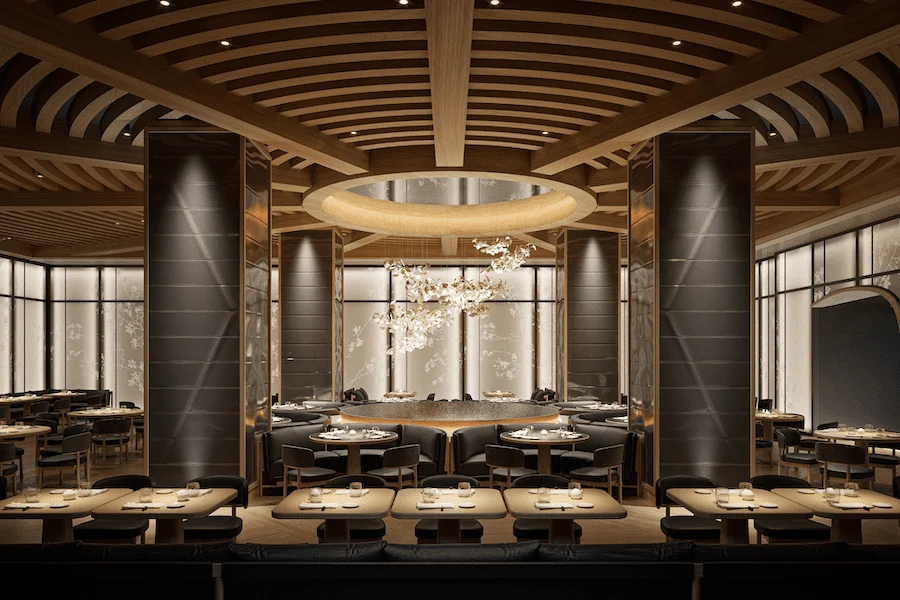
Words by: Stephanie Chen | Photos by Ema Peter + Binyan Studios
The highly anticipated Nobu Hotel Toronto has officially opened its doors, marking a significant milestone as the renowned hospitality brand’s first Canadian property. Situated in the vibrant heart of Toronto, the hotel is ingeniously housed within the former site of a historic Canadian glass manufacturing facility. This strategic location not only anchors the project in the city’s architectural past but also integrates elements of local industrial heritage into its contemporary design. Studio Munge, a leading Toronto-based interior design firm, has masterfully curated an experience that seamlessly blends the serene aesthetic of a Japanese ryokan with the robust craftsmanship inherent in Canadian design and artistry.
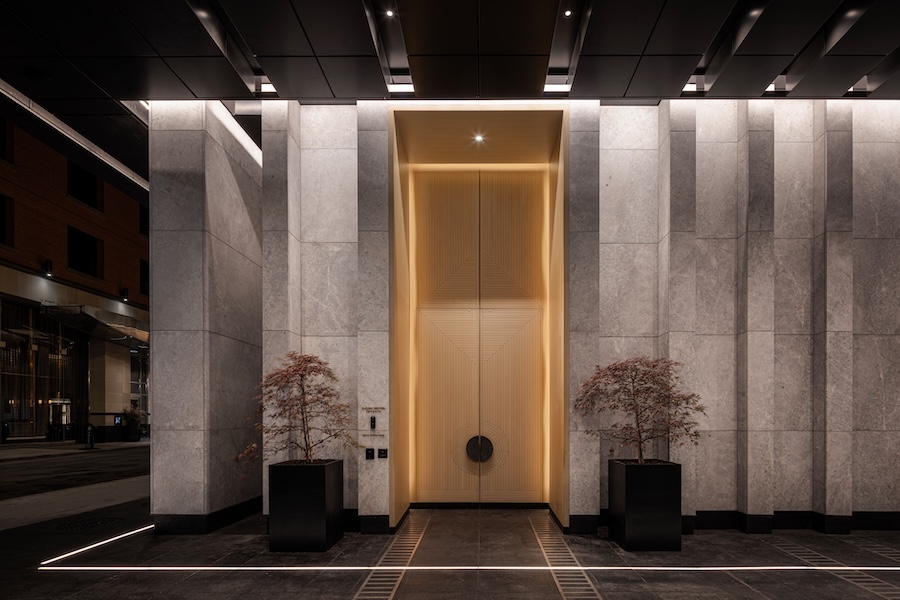
The hotel’s design narrative begins with a respectful nod to its industrial origins. The existing street-level facade has been carefully preserved, acting as a grounding element that acknowledges the site’s history. Within the fitness area, original glass blocks from the former manufacturing facility have been thoughtfully retained, offering a tangible connection to the building’s past. Rising above this historic base are two sleek, slender residential towers, unified by a central podium. A striking architectural feature is the dramatic opening carved between the ninth and tenth floors. This void allows natural daylight to cascade into the interior spaces, creating a dynamic interplay of light and shadow and offering guests within the gym a unique, framed perspective of the changing Toronto sky, whether it be falling rain or snow. This deliberate integration of the exterior environment into interior design underscores the hotel’s commitment to a holistic guest experience.
A Sanctuary of Material Honesty and Cultural Fusion
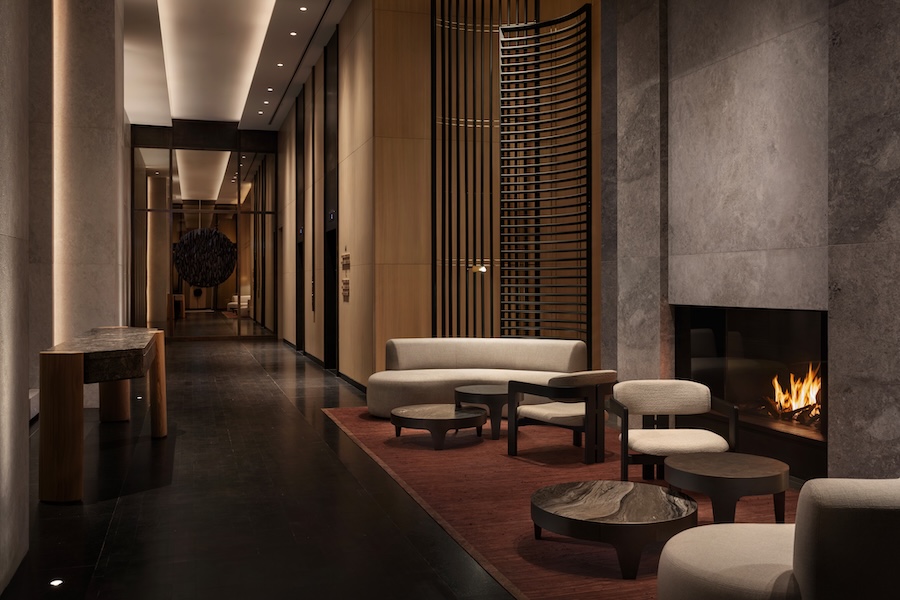
The Nobu Hotel Toronto, encompassing 36 guestrooms spread across five levels, has been meticulously designed by Studio Munge to evoke the tranquil ambiance of an elevated Japanese ryokan. This inspiration is evident from the very moment a guest embarks on their arrival sequence. The journey is thoughtfully orchestrated to pair abstracted representations of Canadian topography with subtle references to traditional Japanese layered forging techniques. This cultural dialogue is anchored by a bespoke art installation, a testament to local talent, created by Toronto-based artist Dennis Lin. The installation serves as a powerful visual metaphor for the confluence of Canadian landscapes and Japanese artisanal traditions.
A cornerstone of the hotel’s design philosophy is an unwavering commitment to material honesty. Studio Munge has opted for an intentionally restrained material palette, ensuring a sense of continuity and calm throughout the public spaces. Key materials include weathered Tundra Grey stone, sourced from Turkey, and rift-cut white oak, celebrated for its natural beauty and durability. These natural elements are further enriched by meticulously carved wood accents and hand-dyed indigo textiles, which introduce depth, texture, and a sophisticated color palette. This deliberate selection of materials not only appeals to the senses but also reinforces the hotel’s connection to nature and traditional craftsmanship, creating an atmosphere of understated luxury and profound tranquility. The synergy between these carefully chosen elements fosters an environment that feels both grounded and aspirational.
Guestrooms: Spaces of Restoration and Urban Contemplation
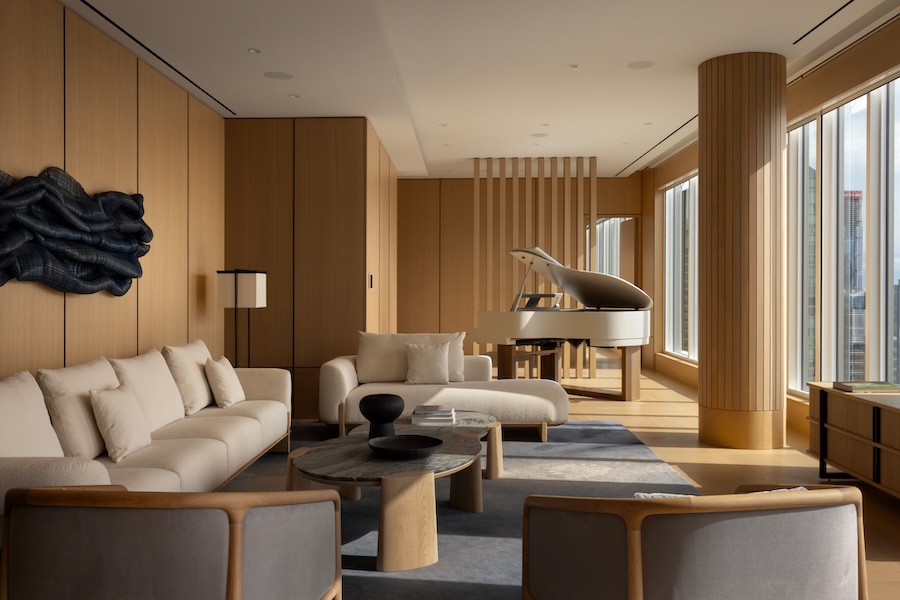
The guestrooms at Nobu Hotel Toronto have been conceived as havens for restoration and rejuvenation. Each space prioritizes expansive city views, allowing guests to remain connected to the vibrant urban tapestry of Toronto while enjoying a serene retreat. The interior design employs a soft spectrum of calming blue tones, subtly referencing the vastness of the sky and the fluidity of water, further enhancing the sense of peace and spaciousness.
The experiential centerpiece of each guestroom is the iconic, custom-designed wooden soaking tub. These tubs are not merely functional elements but are integrated as focal points within generous living areas, complete with spacious walk-in closets. Strategically positioned adjacent to the windows, the soaking tubs invite guests to indulge in traditional Japanese bathing rituals while simultaneously offering unobstructed, cleanly framed vistas of the urban landscape. This thoughtful placement blurs the lines between the private sanctuary of the room and the dynamic city beyond, creating a unique and immersive experience. The juxtaposition of the intimate, restorative act of bathing with the sweeping city panoramas provides a profound sense of place and perspective, embodying the hotel’s ethos of refined urban living. The design encourages a moment of quiet contemplation, allowing guests to unwind and recharge amidst the city’s energy.
A Culinary Journey: The Nobu Experience Elevated
The hospitality journey at Nobu Hotel Toronto culminates in its exceptional culinary offerings, centered around the world-renowned Nobu restaurant and bar. Occupying a commanding two-level, 10,000-square-foot space, the venue is a masterful fusion of Japanese-inspired design principles and the finest Canadian craftsmanship. This gastronomic destination is poised to become a significant draw for both hotel guests and discerning city dwellers.
Upon entering the restaurant, guests are immediately enveloped in an alluring atmosphere, characterized by a sophisticated bar and lounge area. The visual anchor of this space is a dramatic 28-foot bronze chainmail chandelier that descends from the mezzanine level. Its undulating form artfully imitates the graceful drapery of a traditional Japanese kimono, setting a tone of elegant theatricality. Further enhancing the ambiance are hand-crafted Kawara Japanese roof tiles that adorn warmly lit pillars, elevating the two-story dining expanse and imbuing it with an authentic, artisanal quality.
Ascending to the upper level, visitors discover a 20-seat sake bar and a terrace designed to evoke the tranquility of urban Japanese gardens. This area draws direct inspiration from Hokusai Katsushika’s iconic artwork, "The Great Wave off Kanagawa." The bar space is adorned in a striking blue and white color palette, meticulously expressed through a unique plaster finish that curves across the layered ceiling, creating a dynamic visual representation of the famous wave. As guests traverse this immersive "wave," they arrive at a 140-seat courtyard dining room. This expansive area includes a dedicated sushi bar and a private tasting room, finished in contrasting dark cherry wood, offering an intimate and exclusive dining experience.
In the main dining area, circular timber beams, featuring intricate Japanese joinery details, ripple organically around a suspended light and porcelain art installation. This captivating piece is the creation of Canadian ceramic artist Andrea Braescu, further underscoring the hotel’s commitment to celebrating local artistic talent. Tucked discreetly behind the cascading chandelier is an intimate 20-seat private dining room. Enclosed within bronze-tinted glass panels, this exclusive space offers a tantalizing glimpse of the ground-level bar below, providing a sense of connection to the hotel’s vibrant energy while maintaining a private and sophisticated setting. The meticulous attention to detail in every aspect of the restaurant design ensures a dining experience that is as visually stunning as it is gastronomically exquisite, solidifying Nobu Toronto’s position as a premier culinary and hospitality destination.

A Legacy of Design and Craftsmanship
The opening of Nobu Hotel Toronto represents a significant moment in the city’s hospitality landscape. It is not merely the introduction of a new luxury hotel but the realization of a vision that honors both global culinary excellence and local artistic ingenuity. Studio Munge’s design approach, which meticulously weaves together the serene principles of Japanese ryokans with the tangible artistry of Canadian creators, sets a new benchmark for cultural integration in hotel design. The project’s success lies in its ability to create spaces that are both aesthetically captivating and deeply resonant with a sense of place.
The strategic preservation of the former glass manufacturing facility’s facade and interior elements speaks to a growing trend in adaptive reuse, where historical structures are reimagined to serve contemporary needs without erasing their past. This approach not only contributes to sustainable urban development but also imbues the new establishment with a unique character and a compelling narrative. The inclusion of original glass blocks in the fitness area, for instance, provides a direct and tactile link to the site’s industrial heritage, offering guests a tangible connection to Toronto’s manufacturing past.
Furthermore, the emphasis on collaborating with local artists and artisans, such as Dennis Lin and Andrea Braescu, highlights a conscious effort to support and showcase Canadian talent on an international stage. This commitment extends beyond mere decoration; it is woven into the very fabric of the hotel’s design, from custom art installations to the selection of locally sourced materials and finishes. The result is a hotel that feels authentic, personal, and deeply rooted in its environment.

The integration of Japanese design principles, particularly the ryokan aesthetic, offers a counterpoint to the bustling urban setting. Ryokans are traditionally characterized by their minimalist design, natural materials, and emphasis on tranquility and hospitality. Nobu Hotel Toronto translates these principles into a modern context, creating an urban oasis where guests can escape the demands of city life and immerse themselves in an atmosphere of calm and refined luxury. The inclusion of wooden soaking tubs, tatami-inspired elements, and serene color palettes all contribute to this restorative ambiance.
The culinary aspect of the Nobu experience, embodied by its signature restaurant and bar, is intrinsically linked to the hotel’s overall design. The meticulous attention to detail in the restaurant’s layout, from the dramatic chandelier to the "Great Wave" inspired plasterwork, creates an environment that enhances the dining experience. This holistic approach, where design and gastronomy are seamlessly integrated, ensures that guests are treated to a multi-sensory journey that engages all aspects of their visit.
The success of Nobu Hotel Toronto is a testament to the power of thoughtful design and cross-cultural collaboration. It stands as a beacon of modern hospitality, demonstrating how luxury can be achieved through a deep respect for history, a commitment to craftsmanship, and an inspired fusion of global traditions. As the first of its kind in Canada, it sets a precedent for future developments, promising a future where architectural heritage and contemporary design can coexist harmoniously, enriching the urban landscape and offering travelers truly unique and memorable experiences. The hotel’s opening signifies not just a new accommodation option, but a cultural and design landmark that will undoubtedly contribute to Toronto’s evolving identity as a global city.


 Anjar Salim
 Chandra Hamzah
 Tatiana Tantri Indah Sari
 Budi Mulyono
 Lukman Taruna Persada Ramadan
