
 Budi Mulyono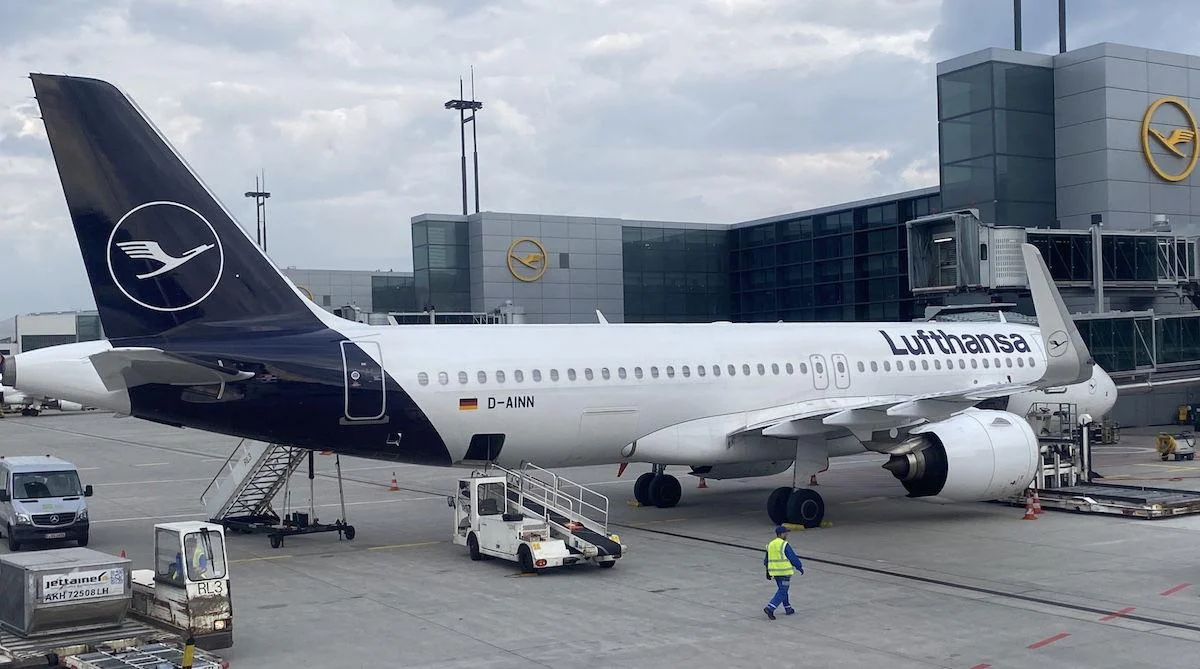
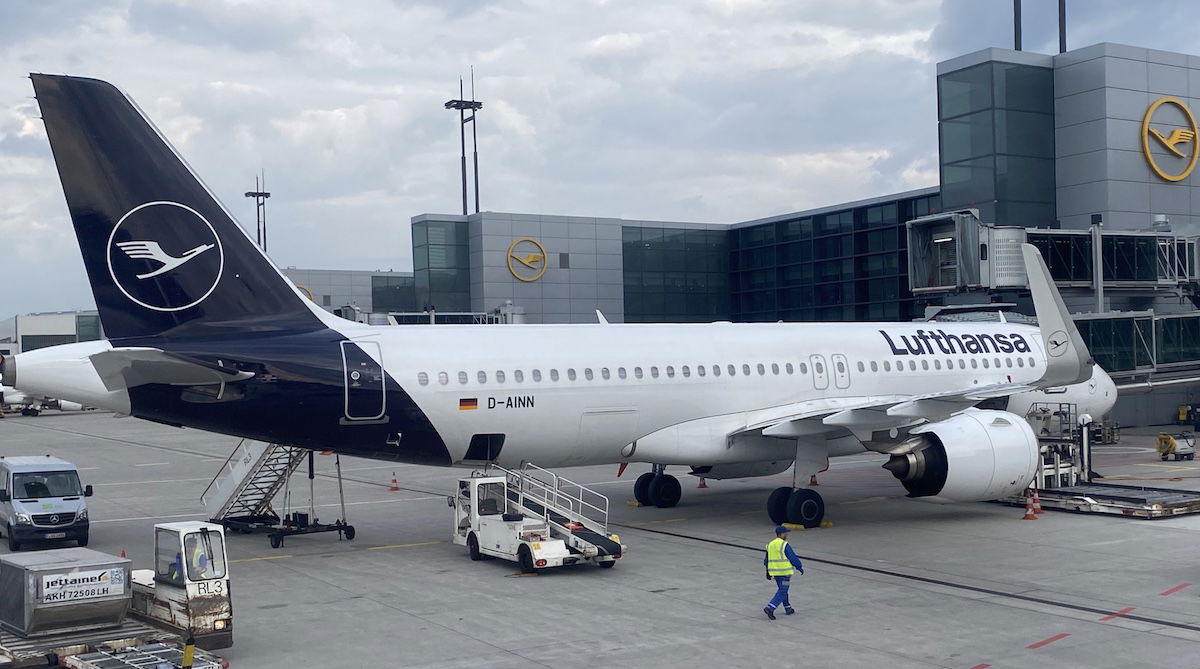
Lufthansa has officially launched a comprehensive trial aimed at evaluating the operational and economic feasibility of reduced cabin cleaning on its short-haul European network. The pilot program, which is scheduled to run from March 16 to March 29, 2026, focuses on approximately 20 specific routes operating from various European outstations. This initiative, described by the carrier as a "light cleaning" concept, seeks to determine whether the airline can optimize turnaround times and reduce ground handling costs without significantly compromising passenger satisfaction or hygiene standards. The trial is notably segmented by cabin class, applying exclusively to the economy section of the aircraft, while maintaining traditional cleaning standards for business class passengers.
The Framework of the Light Cleaning Concept
Under the parameters of this two-week trial, Lufthansa is shifting from a mandatory, comprehensive cleaning schedule between every flight leg to an "as-needed" model for its economy cabins. This approach fundamentally alters the responsibilities of both ground crews and flight attendants. In standard operations, cleaning crews typically perform a thorough sweep of the cabin, including the removal of refuse from seatback pockets, the sanitization of tray tables, and a full cleaning of the lavatories.
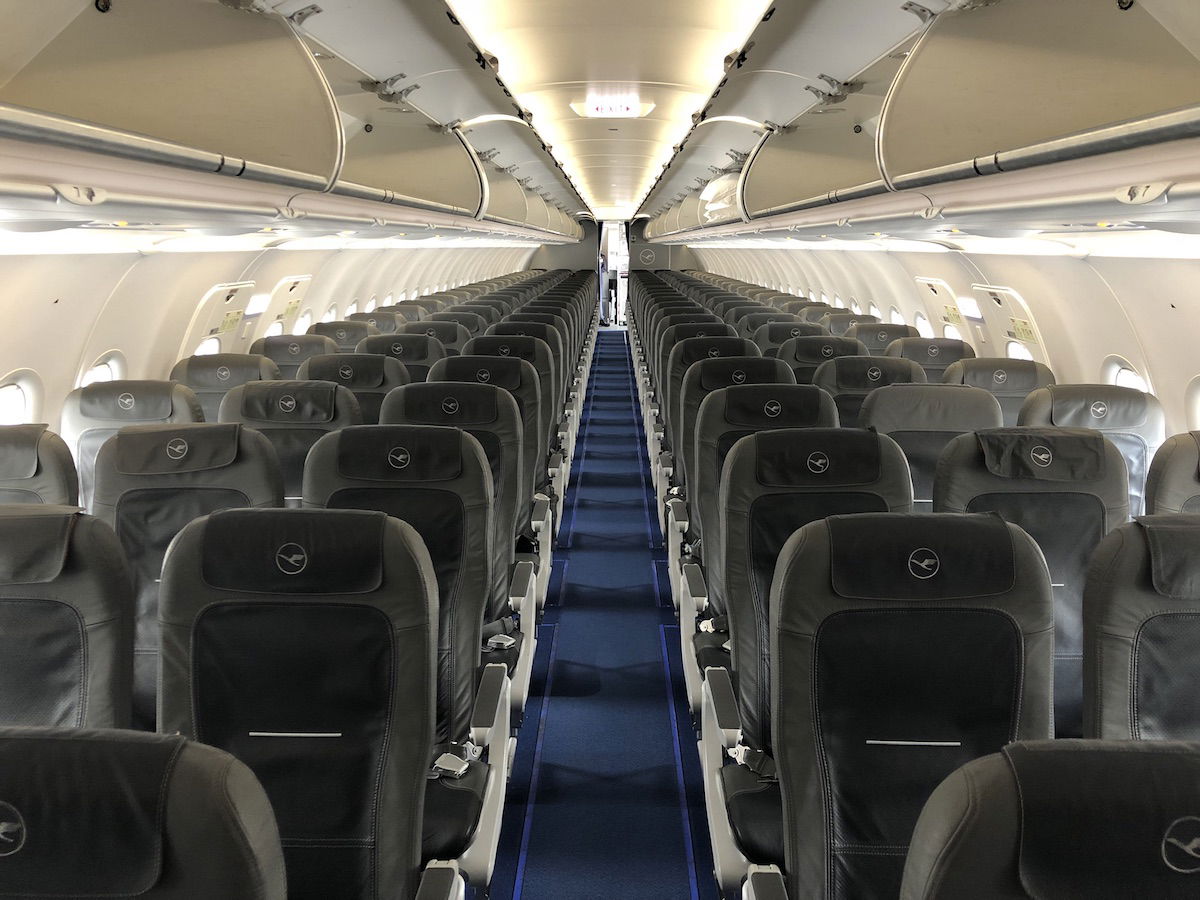
During the trial period, however, these tasks are only performed upon specific request from the flight crew or if a visual inspection identifies a clear necessity for intervention. For instance, seatback pockets—which in Lufthansa’s current fleet often feature a mesh or netted design—will only be emptied if trash is visible and problematic. Similarly, the cleaning of lavatories, often considered the most critical area for passenger hygiene, will no longer be a default procedure between every flight at outstations. Instead, spot checks will be conducted, and full cleaning will be reserved for instances where the facilities are deemed unusable or excessively soiled.
This "on-demand" cleaning strategy is currently restricted to "outstations"—airports other than Lufthansa’s primary hubs in Frankfurt (FRA) and Munich (MUC). The airline continues to maintain its standard deep-cleaning protocols for aircraft that remain at an airport overnight, ensuring that every plane begins its daily rotation in a fully sanitized state.
Economic Rationale and Operational Objectives
The primary driver behind this trial is the ongoing pressure within the aviation industry to maximize "commercial and operational potential." In a sector characterized by thin profit margins and high fixed costs, the efficiency of the "turn"—the period an aircraft spends on the ground between landing and its next takeoff—is paramount. By reducing the scope of cleaning, Lufthansa aims to investigate two primary avenues of cost savings: labor reduction and time efficiency.
Currently, a standard cleaning crew at an outstation typically consists of four personnel. As part of this trial, Lufthansa is experimenting with reducing this headcount to two individuals. While the airline has noted that these two individuals may be given a slightly longer window to perform their tasks, the ultimate goal is to see if a leaner team can manage a "light" version of the cabin preparation more cost-effectively than a full team performing a standard clean.
From a data perspective, ground handling and cleaning services represent a significant portion of an airline’s short-haul operating expenses. Industry estimates suggest that cabin cleaning costs can range from €150 to €500 per turn, depending on the aircraft size and the level of service contracted. For a legacy carrier like Lufthansa, which operates hundreds of short-haul flights daily, even a marginal reduction in these costs could result in millions of euros in annual savings. Furthermore, if the trial demonstrates that "light cleaning" allows for faster turnarounds, the airline could potentially increase aircraft utilization, adding more flights to the schedule without expanding the fleet.
Chronology of the Trial and Immediate Adjustments
The trial has been designed as an iterative process, with Lufthansa monitoring feedback in real-time to adjust protocols. The timeline for the current phase is as follows:
- Pre-Trial Planning (Early 2026): Identification of 20 low-complexity European routes and coordination with ground handling partners at selected outstations.
- March 16, 2026: Official commencement of the "light cleaning" protocols.
- Mid-Trial Assessment (March 20, 2026): Initial review of crew feedback and passenger complaints.
- Operational Pivot: Shortly after the trial began, Lufthansa reinstated the practice of "crossing" seatbelts (arranging them neatly on the seat) after receiving significant negative feedback from cabin crews. The crew argued that uncrossed seatbelts made the cabin appear neglected and complicated the boarding process.
- March 29, 2026: Scheduled conclusion of the trial, followed by a data analysis phase.
The rapid backtracking on the seatbelt policy highlights the delicate balance Lufthansa must strike between cost-cutting and maintaining the "premium" image associated with a legacy flag carrier.
The Tiered Service Model: Cleanliness as a Premium
One of the more controversial aspects of the trial is the decision to maintain full cleaning standards for business class while reducing them for economy. On Lufthansa’s intra-European flights, business class and economy class often use the same physical seats, with the middle seat blocked in the business section to provide more space. By exempting business class from the light cleaning trial, Lufthansa is effectively positioning cabin cleanliness as a tiered service offering.
This move reflects a broader trend in the aviation industry known as "unbundling," where services that were once included in the base fare—such as checked baggage, seat selection, and meals—are now offered as add-ons or reserved for higher fare classes. By ensuring business class cabins are consistently cleaned, Lufthansa is attempting to protect its high-yield revenue stream while testing the limits of what economy passengers are willing to tolerate in exchange for potentially lower fares or the airline’s continued viability on competitive routes.
Industry Context: The "Low-Cost Carrier-ification" of Legacy Airlines
Lufthansa’s trial does not occur in a vacuum. The European short-haul market is dominated by Ultra-Low-Cost Carriers (ULCCs) like Ryanair and EasyJet, which have long utilized minimal cleaning protocols between flights to maintain 25-to-30-minute turnaround times. These airlines typically only perform deep cleans at the end of the day, with cabin crews often tasked with picking up large debris between flights.
For legacy carriers like Lufthansa, Air France-KLM, and International Airlines Group (IAG), the challenge is to compete with the price points of ULCCs while maintaining the service standards that justify their higher brand positioning. Lufthansa has already implemented several LCC-style measures on short-haul routes, such as the introduction of "Buy on Board" catering and the removal of free snacks and alcoholic beverages in economy. Reducing cleaning frequency is a logical, albeit risky, next step in this evolution.
Health, Hygiene, and Passenger Perception
The trial faces significant scrutiny regarding public health and hygiene, particularly in the post-COVID-19 era. During the pandemic, airlines went to great lengths to emphasize their rigorous cleaning protocols, including the use of electrostatic sprayers and hospital-grade disinfectants. While the acute phase of the pandemic has passed, passenger sensitivity to cabin cleanliness remains elevated.
Critics of the trial point out that lavatories and tray tables are high-touch surfaces that can harbor bacteria and viruses. By moving to an "on-demand" cleaning model for lavatories, Lufthansa risks a decline in sanitary conditions, especially on flights with high passenger loads or those carrying families with young children. The reliance on flight attendants to "request" cleaning also adds a layer of subjective judgment to the process, which could lead to inconsistent standards across different flights.
Labor Relations and Crew Workload
The trial also has implications for labor relations. Lufthansa’s flight attendants, represented by unions such as UFO (Unabhängige Flugbegleiter Organisation), are already tasked with a wide range of safety and service duties. Under the "light cleaning" model, the responsibility for monitoring cabin cleanliness falls more heavily on the crew. If the crew is required to perform more frequent visual inspections or "spot cleans" to avoid requesting ground staff, it could lead to increased workload and stress during the already high-pressure turnaround period.
Furthermore, the reduction of ground cleaning staff from four to two people per aircraft may lead to friction with ground handling unions, as it potentially signals a future reduction in workforce requirements if the trial becomes permanent policy.
Broader Implications and Future Outlook
The results of this 20-route trial will likely influence Lufthansa’s long-term strategy for its short-haul fleet, which includes the Airbus A320 family. If the data shows that passenger satisfaction remains stable and operational costs decrease, the "light cleaning" concept could be rolled out across the entire European network.
However, the risk of brand erosion is significant. Lufthansa has long marketed itself as a premium, reliable carrier. If passengers begin to perceive the economy cabin as unhygienic or poorly maintained, they may opt for competitors or decide that if the service is comparable to a low-cost carrier, they might as well pay low-cost carrier prices.
As the trial concludes at the end of March 2026, the aviation industry will be watching closely to see if Lufthansa can successfully redefine the "standard" of short-haul travel or if the push for operational efficiency has finally reached a point of diminishing returns in terms of the passenger experience.



 Anjar Salim
 Chandra Hamzah
 Tatiana Tantri Indah Sari
 Lukman Taruna Persada Ramadan
