
 Anjar Salim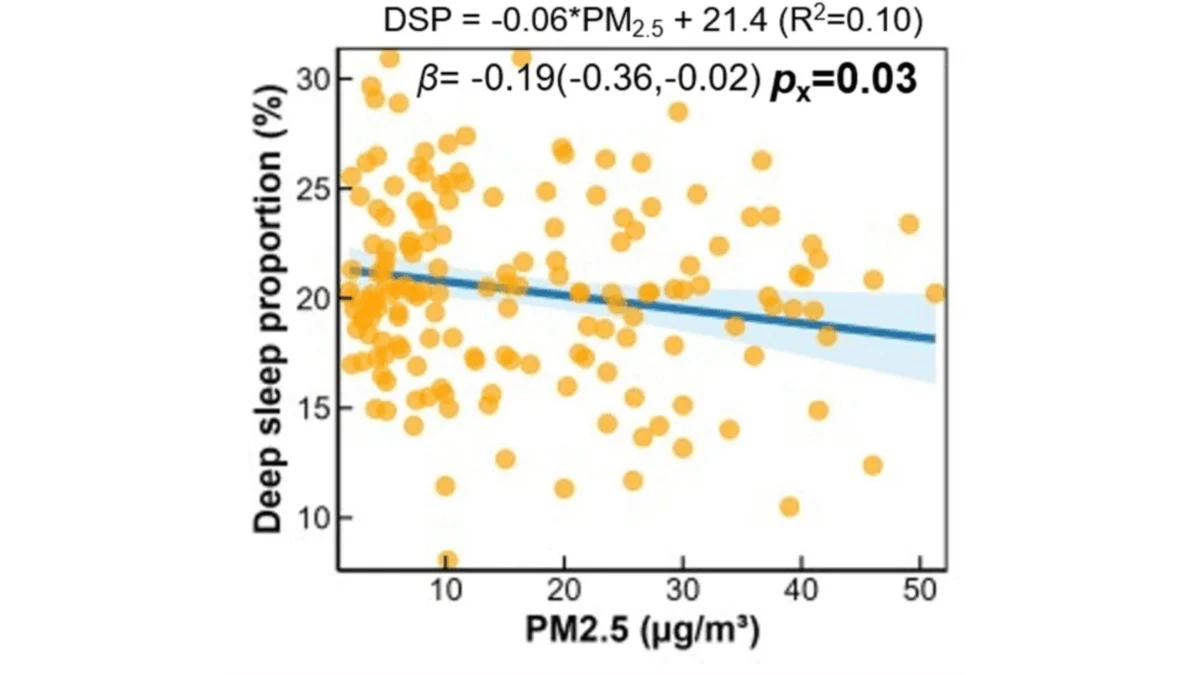
Athletic excellence has traditionally been viewed through the lens of rigorous training, meticulous nutrition, and psychological resilience. However, a growing body of scientific evidence suggests that the environment in which an athlete recovers may be just as critical as the environment in which they compete. While the impact of outdoor air pollution on cardiovascular endurance is well-documented—most notably during the 2008 Beijing Olympics—new research is shifting the focus toward the "micro-environment" of the bedroom. A comprehensive study published in the journal Scientific Reports indicates that poor indoor air quality during sleep can significantly degrade physical performance the following day, potentially costing endurance athletes minutes in competitive races.
The study, spearheaded by researchers from the departments of Architecture and Physical Education at Shanghai Jiao Tong University, highlights a previously overlooked variable in the quest for marginal gains: the air an athlete breathes while unconscious. By monitoring particulate matter, carbon dioxide levels, and temperature within dormitory settings, researchers established a direct correlation between overnight air quality and the ability to perform high-intensity physical tasks.
Methodology and the High Stakes of Student Performance
To investigate the relationship between indoor air quality and physical output, the research team recruited 183 undergraduate students residing in university dormitories. Unlike many laboratory studies that rely on simulated environments, this research utilized the students’ actual living quarters, providing a realistic assessment of everyday exposure. The rooms were equipped with high-precision air-quality monitors, while participants wore Fitbit devices to track sleep metrics, including duration and sleep stages.
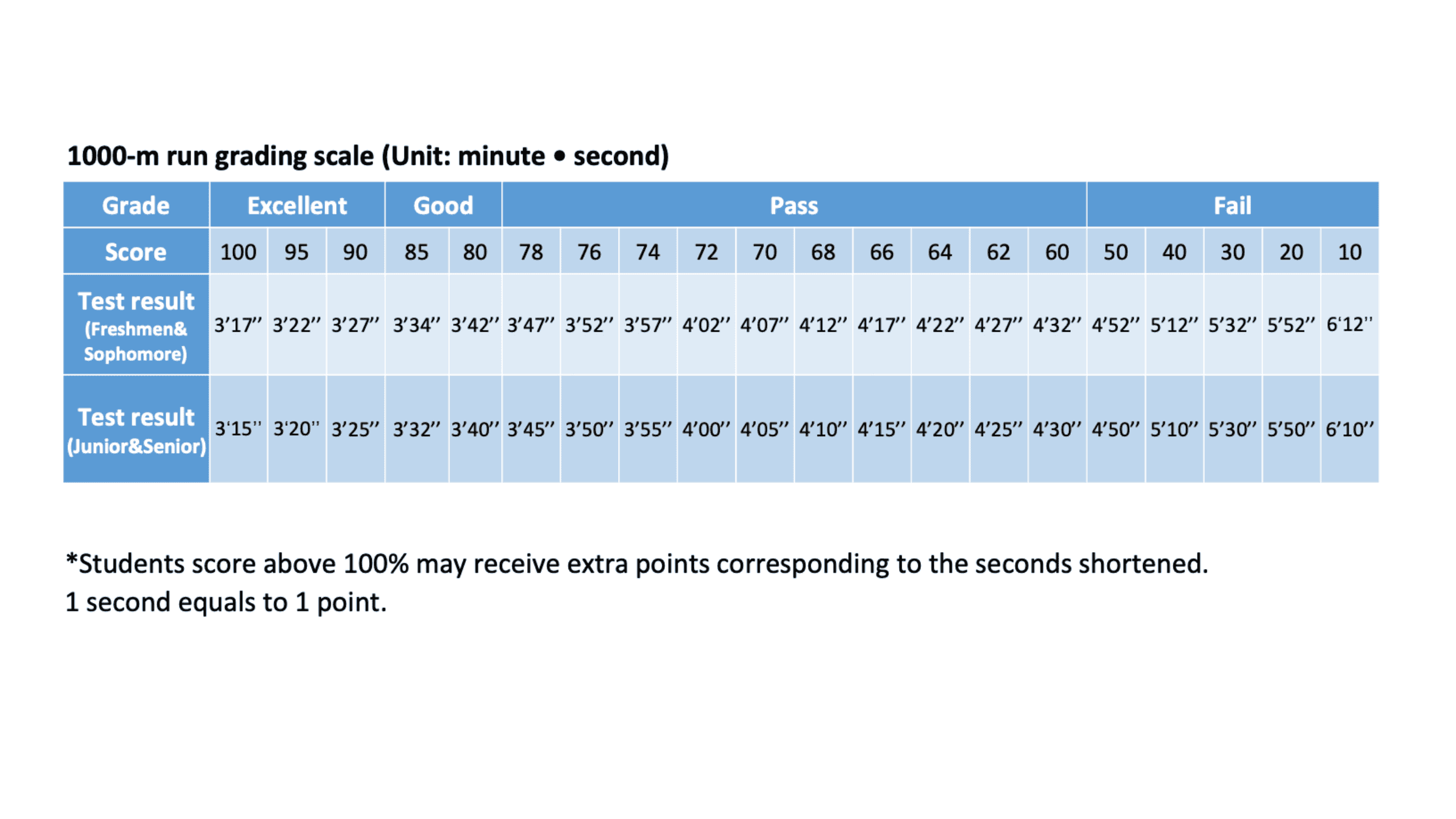
The timing of the study coincided with a mandatory physical fitness assessment, a requirement for graduation at many Chinese universities. This ensured that the participants were highly motivated to perform at their peak. The fitness battery included a 50-meter sprint, a standing long jump, and a high-stakes endurance time trial (1,000 meters for men and 800 meters for women). For the men, the 1,000-meter run is a grueling test of both aerobic and anaerobic capacity, often serving as a benchmark for cardiovascular health.
Performance was measured on a 100-point scale. Historically, students who fail to maintain an average of at least 60 points across these events risk the withholding of their diplomas. This external pressure provided a level of "competitive intensity" rarely seen in academic studies, making the findings particularly relevant to professional and amateur athletes who face similar performance-based pressures.
The Role of PM 2.5: The Microscopic Performance Killer
The most significant finding of the study concerned PM 2.5—particulate matter with a diameter of less than 2.5 microns. These particles are approximately 30 times smaller than a human hair and are capable of bypassing the body’s natural filtration systems in the nose and throat, penetrating deep into the lungs and entering the bloodstream.
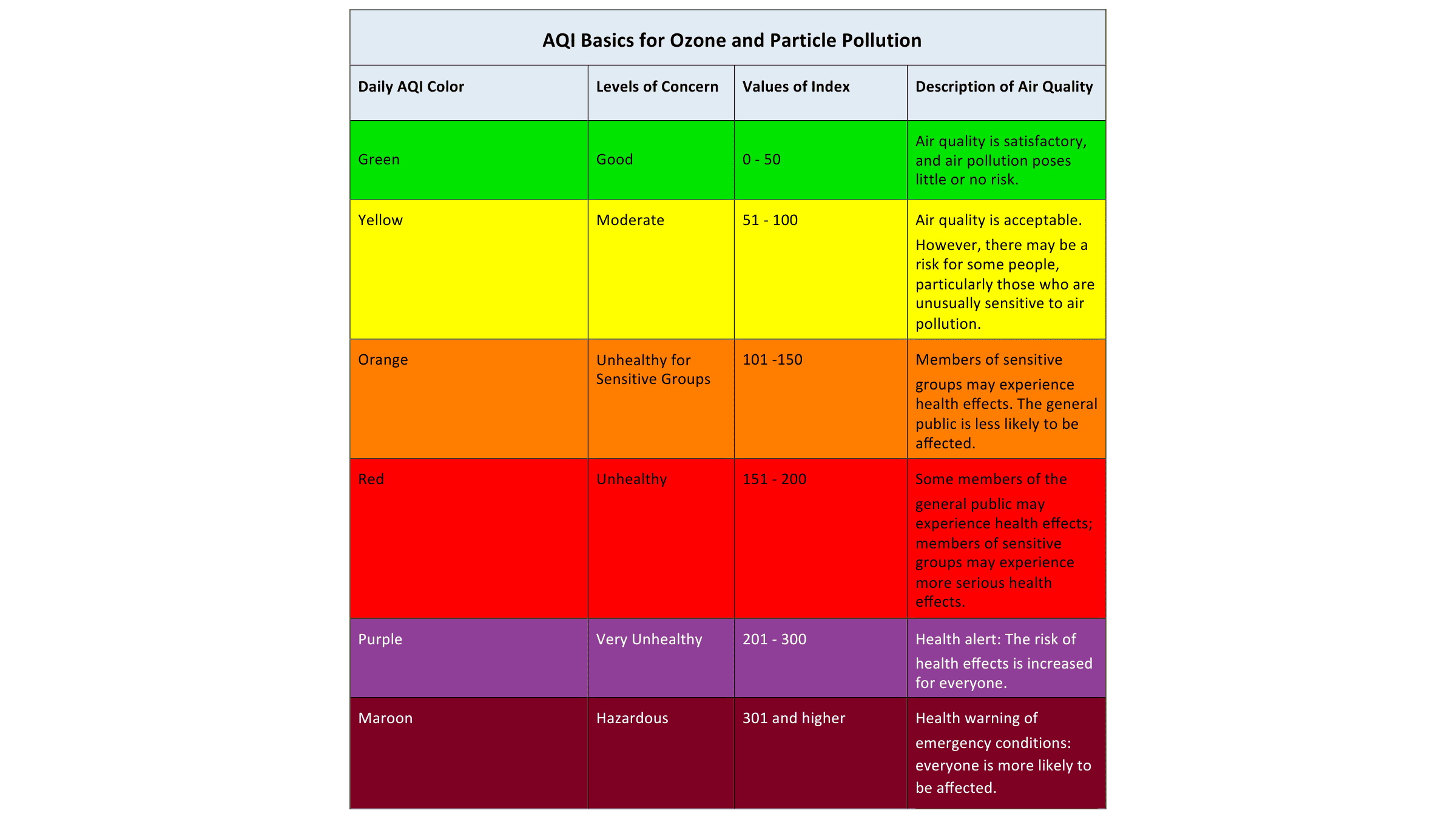
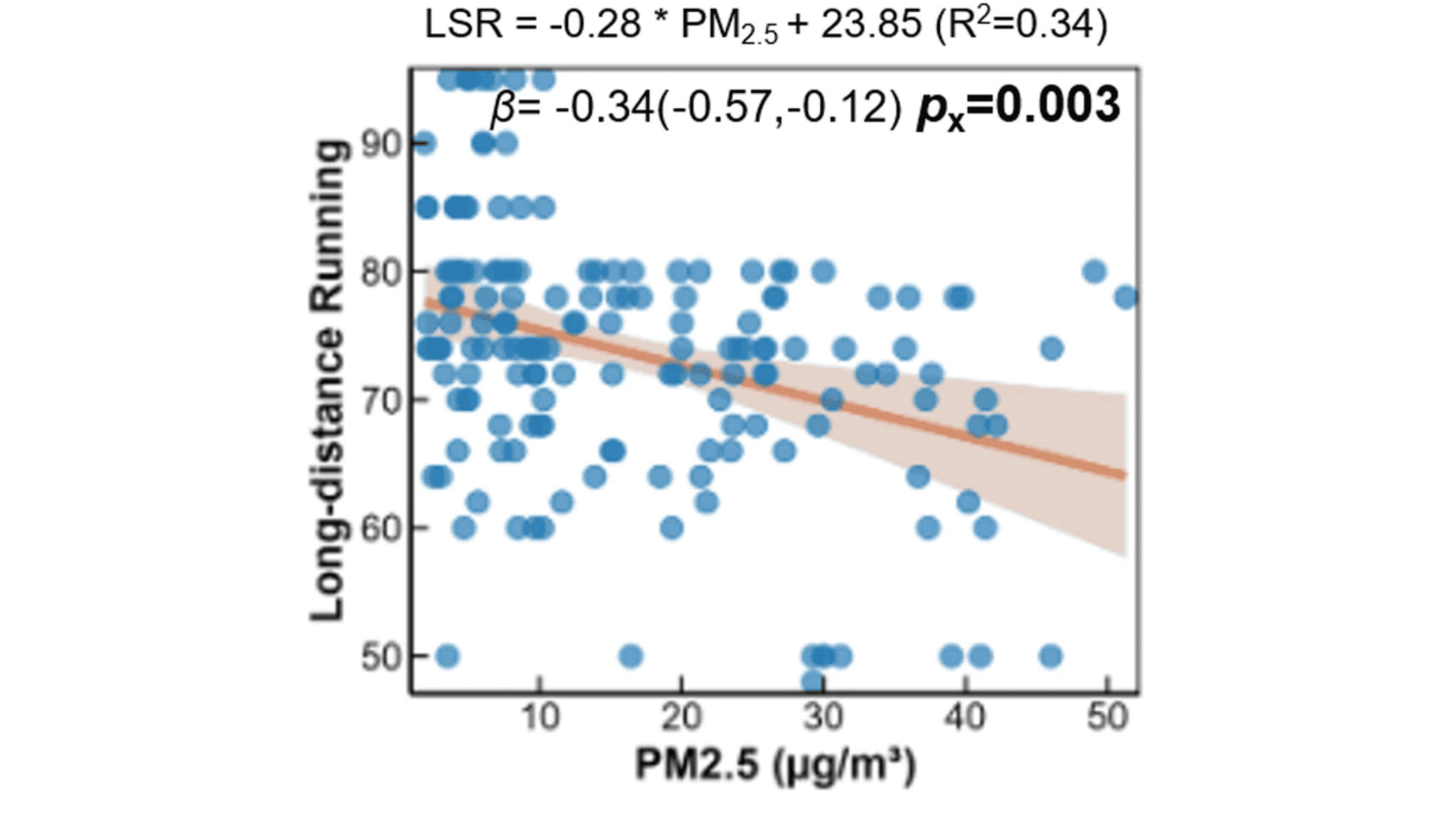
The researchers found that even air quality considered "good" by international standards can have a detrimental effect. When bedroom PM 2.5 levels reached 11 micrograms per cubic meter—equivalent to an Air Quality Index (AQI) of 46—there was a measurable 4% decline in running scores the following day. While an AQI of 46 falls within the U.S. Environmental Protection Agency’s (EPA) "Green" or "Good" category, the data suggests that for peak physical output, even this low level of pollution is sub-optimal.
As the concentration of particulates increased, the performance degradation became more pronounced. At the highest levels examined, which corresponded to an AQI of 136 (categorized as "Unhealthy for Sensitive Groups"), running scores plummeted by 20%. Because the scoring system for these tests is non-linear, a 4% drop in score does not equate to a 4% drop in speed; rather, it represents a significant loss of pace. For a student running at a 7:00 minute-per-mile pace, this translates to a loss of approximately seven seconds per mile.
Extrapolating the Data: Implications for Marathoners
When these findings are applied to long-distance events, the implications are staggering. For a marathon runner targeting a three-hour finish, the "minor" performance dip associated with sleeping in slightly compromised air (AQI 46) could result in a three-minute delay over 26.2 miles. If the athlete were to sleep in a room with an AQI of 136—common in many urban environments or during wildfire seasons—the projected loss in performance could reach 15 minutes.
This data recontextualizes the concept of "home-field advantage" and travel logistics. Athletes traveling to major metropolitan marathons often stay in hotels near busy intersections or in aging buildings with poor filtration. The study suggests that an athlete’s choice of accommodation and the efficiency of the hotel’s HVAC system could be as influential as their taper or their race-day fueling strategy.
Ventilation and the Carbon Dioxide Threshold
Beyond particulate matter, the study identified carbon dioxide (CO2) accumulation as a critical factor. In poorly ventilated bedrooms, CO2 levels ranged from the ambient outdoor average of 425 parts per million (ppm) to as high as 4,000 ppm. High concentrations of CO2 are known to cause grogginess, headaches, and impaired cognitive function, but this study suggests a direct link to physical lethargy.
The researchers noted that high CO2 levels often compounded the negative effects of PM 2.5. When a room is "sealed" to keep out noise or outdoor pollutants, the exhaled CO2 builds up, leading to a "stale" environment that disrupts deep sleep cycles. This lack of ventilation prevents the body from entering the most restorative phases of sleep, which are essential for muscle repair and metabolic regulation.
Temperature, Humidity, and the Physiology of Recovery
The study also touched upon the thermal environment of the bedroom. Interestingly, the researchers found that within the range of 67 to 74 degrees Fahrenheit, slightly warmer temperatures were actually beneficial for performance. This contradicts the common advice that "cooler is always better" for sleep.
The physiological explanation offered by the authors involves vasodilation. A "comfortably warm" environment prevents the skin’s blood vessels from contracting, which is a natural response to cold. By keeping these vessels open, the body can more efficiently shed core heat, facilitating the internal temperature drop required to enter deep sleep. However, this benefit has a ceiling. As seen in the case of professional cyclist Remco Evenepoel during the UAE Tour, extreme heat caused by malfunctioning air conditioning leads to significant dehydration and exhaustion, ruining performance. The key, it appears, is maintaining a precise "thermal neutral" zone that encourages recovery without inducing heat stress.
Historical Context and Professional Reactions
The impact of air quality on sports is not a new concern, but it has historically been focused on the field of play. During the 2008 Beijing Olympics, several endurance athletes, including marathon world-record holder Haile Gebrselassie, expressed deep concerns about the city’s infamous smog. Gebrselassie ultimately withdrew from the marathon event, citing the risk to his long-term health and the potential for an asthma attack.
In more recent years, the professional cycling world has become obsessed with "sleep hygiene." Teams now travel with their own mattresses, blackout curtains, and portable air filtration units. Michael Koehle, a professor of sports medicine at the University of British Columbia, notes that while exercise-induced exposure gets the most attention, the "dose" of pollution received during the other 23 hours of the day—especially during the 8 hours of sleep—is often much higher in total.
"This study reinforces what we’ve suspected," Koehle said in response to the findings. "It is an observational study, which means it looks for associations rather than proving causality in a controlled lab, but the correlation is strong. We know particulate matter causes systemic inflammation, and inflammation is the enemy of recovery."
Chronology of the Modern Athlete’s Environmental Awareness
The evolution of environmental awareness in sports can be traced through several key phases:
- The Outdoor Era (Pre-2000s): Focus was almost exclusively on altitude and humidity. Air pollution was considered a nuisance but not a primary performance metric.
- The Beijing Catalyst (2008): The global spotlight on Beijing’s air quality forced athletic federations to study the acute effects of PM 2.5 on lung function during competition.
- The Wildfire Shift (2017–Present): Increased frequency of forest fires in North America and Europe forced amateur runners to use AQI apps to decide whether to train outdoors, bringing PM 2.5 into the common lexicon.
- The Recovery Revolution (2024–Future): As highlighted by the Shanghai Jiao Tong study, the focus is now moving indoors. The "marginal gains" philosophy now includes HEPA filtration and CO2 monitoring in the bedroom.
Practical Applications and Recommendations
For athletes looking to optimize their recovery environment based on this data, several lifestyle adjustments are recommended:
- Air Filtration: Investing in a HEPA-rated air purifier can significantly reduce PM 2.5 levels. This is particularly crucial for those living in urban centers or areas prone to seasonal smoke.
- Strategic Ventilation: If outdoor air quality is good, sleeping with a window slightly open can prevent CO2 buildup. If outdoor air is poor, utilizing an air purifier in a sealed room is the better trade-off.
- Thermal Monitoring: Finding a personal "sweet spot" for temperature—likely between 68 and 72 degrees—can help facilitate the core temperature drop necessary for deep sleep.
- Humidity Control: Maintaining humidity between 30% and 50% helps keep respiratory passages moist, reducing the irritation caused by any remaining airborne particulates.
Conclusion and Broader Implications
The study from Shanghai Jiao Tong University serves as a critical reminder that the body does not stop interacting with its environment once the eyes close. For the modern athlete, the bedroom is not just a place of rest; it is a recovery lab. The data suggests that "invisible" factors like a few micrograms of dust or a slight rise in CO2 can be the difference between a personal best and a disappointing finish.
As urban environments continue to grapple with pollution and as climate change increases the prevalence of airborne irritants, the ability to control one’s indoor "micro-climate" may become a standard component of athletic training. In the world of high-performance sports, where championships are decided by fractions of a second, the air you breathe while you sleep is no longer a minor detail—it is a fundamental pillar of performance.




 Chandra Hamzah
 Tatiana Tantri Indah Sari
 Budi Mulyono
