
 Hendra Ismail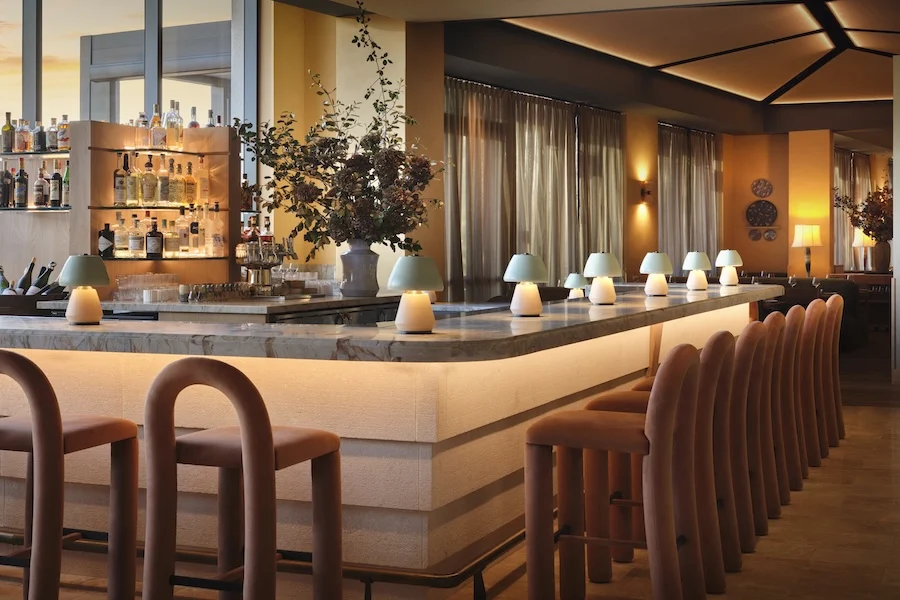
The Bay Area restaurant draws on Tuscan craft and the spirit of ancient Roman roadways. Words by: Stephanie Chen. Photos by Douglas Friedman.
Back Home Hospitality, the acclaimed culinary group behind the celebrated Che Fico, has unveiled its latest venture, Via Aurelia, a new gastronomic destination situated in San Francisco’s vibrant Mission Rock neighborhood. This ambitious undertaking, named in homage to the ancient Roman road that historically linked the eternal city of Rome to the port of Pisa, draws significant design inspiration from the rustic elegance and enduring traditions of Tuscany, aiming to transport diners to the sun-drenched coasts of Italy.
The restaurant’s genesis can be traced to Back Home Hospitality’s ongoing commitment to delivering authentic and immersive dining experiences. Following the success of Che Fico, known for its innovative approach to Italian cuisine, the team sought to create a space that resonated with a different facet of Italian culture. Via Aurelia represents a deliberate exploration of Italy’s coastal charm and its deep historical roots, a concept that has been meticulously translated into both its culinary offerings and its meticulously crafted ambiance.
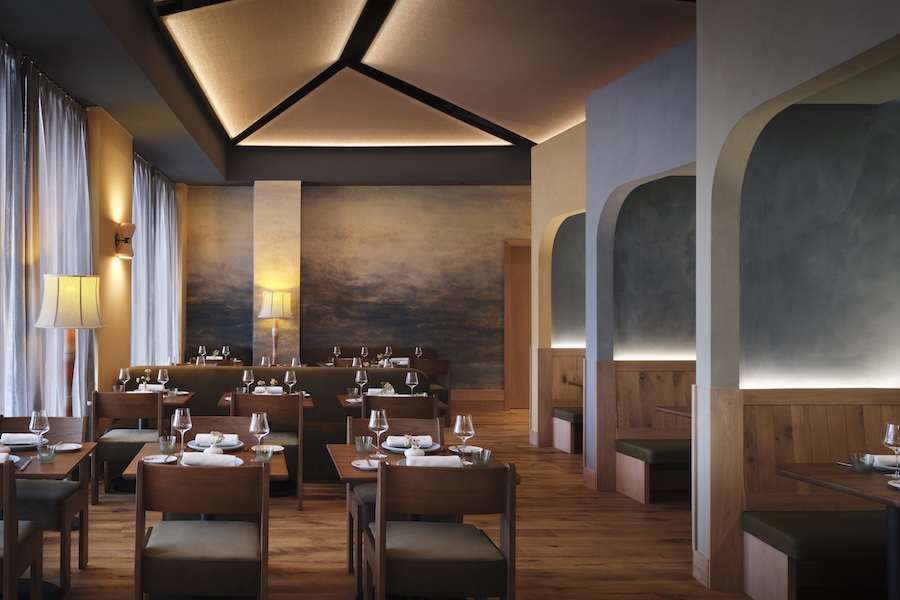
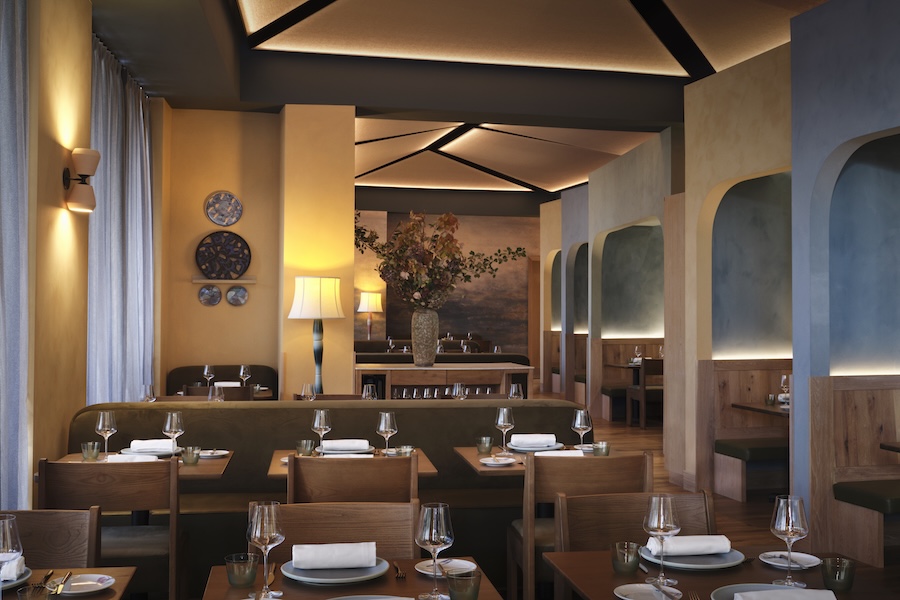
The architectural and interior design of Via Aurelia is a testament to the collaborative vision of de la Cruz Interior Design (DLC-ID), led by founder Jon de la Cruz, and Color Atelier. Their collective expertise has resulted in a space that feels both timeless and contemporary, deeply rooted in Italian artisanal practices. Key design elements include soaring vaulted ceilings that create an immediate sense of grandeur, complemented by the warm, earthy tones of Florentine sandstone and terracotta. The walls are finished with a delicate limewash, imbued with frescoed plaster patinas that evoke the gentle weathering of time, a deliberate choice to treat every surface as a "living material" rather than a mere backdrop. This tactile approach to design fosters a sense of authenticity and artisanal craftsmanship.
"My aim was to channel the ubiquitous touchstones of Italian style—pared back to their purest forms and hues—and then layer them with a soft, modern hand," explains Jon de la Cruz. "Vaulted ceilings, frescoed plaster patinas, and burnished, time-worn tones—olive, terracotta, ochre, blue juniper—create a palette rooted in antiquity yet entirely of today." This philosophy is evident in the subtle yet impactful use of color. A custom palette of muted blues, greens, and yellows is artfully employed to introduce tonal depth and a gentle visual movement throughout the dining area, preventing any single hue from dominating and instead creating a harmonious and nuanced environment.
A focal point within the restaurant is a striking mural, strategically positioned at the far end of the space. This artwork is dramatically framed by deeply pigmented, limewashed walls that evoke a darkened, clouded sky. This deliberate design choice serves to anchor the room with a quiet, yet palpable, sense of drama, drawing the eye and creating an intimate atmosphere that contrasts with the open expanse of the ceilings. The integration of such artistic elements underscores the restaurant’s commitment to a holistic sensory experience, where visual artistry complements the culinary journey.
Beyond its Italian-inspired aesthetic, Via Aurelia is intrinsically connected to its Bay Area locale. The restaurant occupies the ground floor of the prominent Visa headquarters, a location that offers expansive and dramatic views of the San Francisco Bay and the iconic ballpark of the San Francisco Giants. This striking panorama has been thoughtfully integrated into the restaurant’s broader atmosphere, providing a distinct sense of place that grounds the Italian influences within the dynamic urban landscape of San Francisco.
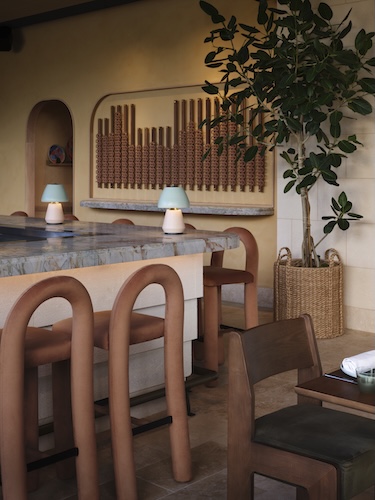
"It’s fine dining, but I wanted it to feel as if you’ve stepped into a casual coastal town—tranquil, sun-washed, and timeless," de la Cruz further elaborates on his design intent. This duality of elevated cuisine within a relaxed, evocative setting is a core tenet of Via Aurelia’s identity. The restaurant aims to offer a sophisticated dining experience without pretense, mirroring the effortless charm of a Mediterranean seaside escape.
The culinary program at Via Aurelia is helmed by a team dedicated to showcasing the vibrant flavors and time-honored techniques of Italian coastal cuisine. While specific menu details may evolve, the restaurant’s conceptual framework suggests a focus on fresh, seasonal ingredients, prepared with a respect for tradition and an eye for contemporary refinement. Patrons can anticipate dishes that celebrate the bounty of the sea, the richness of Italian produce, and the convivial spirit of shared dining.
The opening of Via Aurelia is part of a broader trend within the hospitality industry to create immersive environments that go beyond mere sustenance. Restaurants are increasingly designed to offer a complete sensory experience, where architecture, art, music, and cuisine coalesce to transport guests to another time or place. In this regard, Via Aurelia stands out as a significant addition to San Francisco’s already competitive dining scene, offering a unique blend of historical homage and modern sophistication.
The choice of Mission Rock as the restaurant’s location is also noteworthy. This burgeoning waterfront district is undergoing significant development, attracting a mix of residential, commercial, and recreational spaces. Via Aurelia’s presence here signifies its role in shaping the cultural and culinary landscape of this evolving urban hub, aiming to become a destination for both local residents and visiting patrons. The proximity to public transit and other attractions further positions it as an accessible and desirable dining option.
The success of Back Home Hospitality with Che Fico has set a high benchmark for their subsequent projects. This precedent likely informed the meticulous planning and execution of Via Aurelia, ensuring that the new establishment would uphold the group’s reputation for excellence. The investment in high-quality design, evident in the use of materials and the detailed finishes, suggests a long-term vision for Via Aurelia as a lasting fixture in the San Francisco culinary scene.
The integration of "living walls" within the design, as suggested by some visual elements, further enhances the restaurant’s connection to nature and its coastal theme. These vertical gardens not only contribute to the aesthetic appeal but can also play a role in air quality and creating a more biophilic dining experience, aligning with contemporary design trends that prioritize well-being and sustainability.
The name "Via Aurelia" itself carries historical weight. The original Via Aurelia was a crucial Roman road, a symbol of connection, commerce, and expansion. By adopting this name, the restaurant subtly suggests a journey—a passage to an authentic Italian experience, facilitated by the culinary and design elements presented within its walls. This nomenclature adds a layer of narrative depth to the dining experience, inviting patrons to embark on their own sensory exploration.
In the broader context of San Francisco’s dining landscape, Via Aurelia arrives at a time when the industry is continuing to recover and innovate post-pandemic. Restaurants that offer unique concepts, exceptional design, and high-quality food are poised to thrive. Via Aurelia’s emphasis on a transportive atmosphere, coupled with its connection to established culinary expertise, positions it favorably within this dynamic market. The restaurant’s ability to merge the rustic charm of the Italian countryside with the sophisticated urban environment of San Francisco will be a key factor in its enduring appeal.
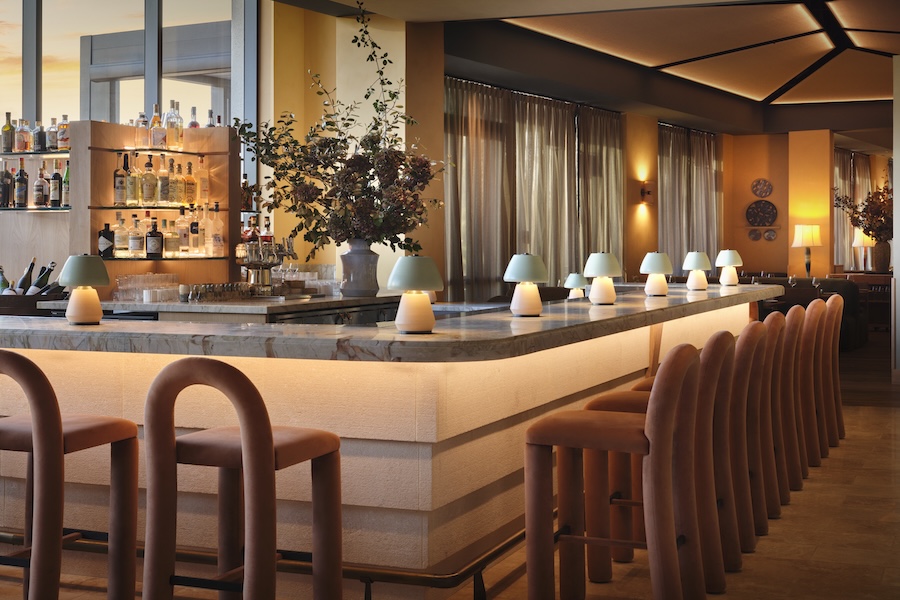
The collaboration with Color Atelier suggests a deep understanding of how color influences perception and mood. The nuanced application of their palette aims to create a psychological effect, fostering relaxation and enhancing the dining experience. This attention to detail, from the grand architectural gestures to the subtle hues on the walls, speaks to a comprehensive design strategy that prioritizes the guest’s comfort and immersion.
The presence of Douglas Friedman as the photographer further underscores the project’s commitment to high-caliber presentation. Friedman’s work is known for its ability to capture the essence of spaces and experiences, and his photographs of Via Aurelia are expected to convey the restaurant’s intended ambiance and aesthetic appeal, serving as a vital tool for marketing and public relations.
As Via Aurelia embarks on its journey, it carries the weight of expectation built by its predecessors and the promise of a unique culinary and atmospheric offering. Its success will likely hinge on its ability to consistently deliver on the promise of transporting guests to the Italian coast, providing an experience that is both grounding and aspirational, a true testament to the enduring allure of Italian culture and craft, artfully reimagined for the San Francisco palate.


 Anjar Salim
 Chandra Hamzah
 Tatiana Tantri Indah Sari
 Budi Mulyono

