
 Chandra Hamzah
The ongoing geopolitical tensions in the Middle East, stemming from the United States’ military actions in Iran, have cast a significant shadow over the planned European summer holidays for thousands of Australians. The escalating conflict has triggered a cascade of disruptions, including widespread flight cancellations, the closure of airspace by several nations, and stringent travel advisories issued by the Australian government, effectively throwing well-laid travel plans into disarray. For many Australian travellers, a flight route through the Middle East, typically involving layovers in major hubs like Dubai or Doha, represents the most direct and preferred pathway to Europe. The current climate of uncertainty, with indications suggesting the conflict is likely to persist, leaves many Australians who believed their travel arrangements were secured facing the stark reality of being unable to reach their European destinations.
The Middle East Airspace Crisis: A Direct Impact on Transcontinental Travel
The traditional flight paths from Australia to Europe have long relied on the strategic positioning of Middle Eastern aviation hubs. Airlines such as Qantas, Virgin Australia, British Airways, Emirates, and Etihad Airways routinely incorporate stops in cities like Dubai and Doha into their long-haul itineraries. These transit points offer convenient and often more cost-effective routes compared to circumnavigating the globe via other continents. However, the heightened security concerns and airspace restrictions implemented in response to the conflict have rendered these routes untenable for many carriers.
The immediate consequence has been a dramatic surge in flight cancellations and significant delays. Passengers booked on affected flights have found themselves scrambling for alternatives, facing limited availability and escalating fares. The Australian Department of Foreign Affairs and Trade (DFAT) has updated its travel advice for the region, urging citizens to exercise a high degree of caution and, in some cases, to reconsider their travel plans altogether. This governmental advisory further amplifies the uncertainty and discourages travel through the most directly impacted areas.
Navigating the Disruption: Exploring Alternative Travel Routes
In response to the widespread travel disruptions, resources have emerged to assist affected travellers. An article published by Cruise Passenger offers a comprehensive guide to alternative flight options for reaching Europe from Australia without transiting through the Middle East. These alternatives may involve longer flight times, multiple layovers in different regions, or potentially higher costs, but they provide a crucial pathway for those determined to proceed with their European travel aspirations.
However, for a growing number of travellers, the disruption has also presented an opportunity to reconsider their holiday plans entirely. The prospect of navigating complex flight changes, facing potential further cancellations, or simply the anxiety associated with travelling through a volatile region has led many to seek more stable and accessible vacation options. This has prompted a renewed interest in cruise holidays, which offer a more predictable and self-contained travel experience, bypassing the uncertainties of air travel disruptions.
Rethinking Summer Holidays: Cruise Destinations Beyond Europe
While a classic European cruise remains a highly sought-after experience, the current global travel landscape is encouraging travellers to explore a wider array of destinations. For Australians seeking peace of mind and a guaranteed escape from the disruptions plaguing traditional air routes, several compelling cruise alternatives offer unique experiences both locally and internationally. These options not only provide a viable holiday solution but also introduce travellers to diverse cultures, breathtaking landscapes, and unparalleled wildlife encounters, all while maintaining a sense of security and predictability in their travel arrangements.
Alaska: A Wilderness Cruise Experience
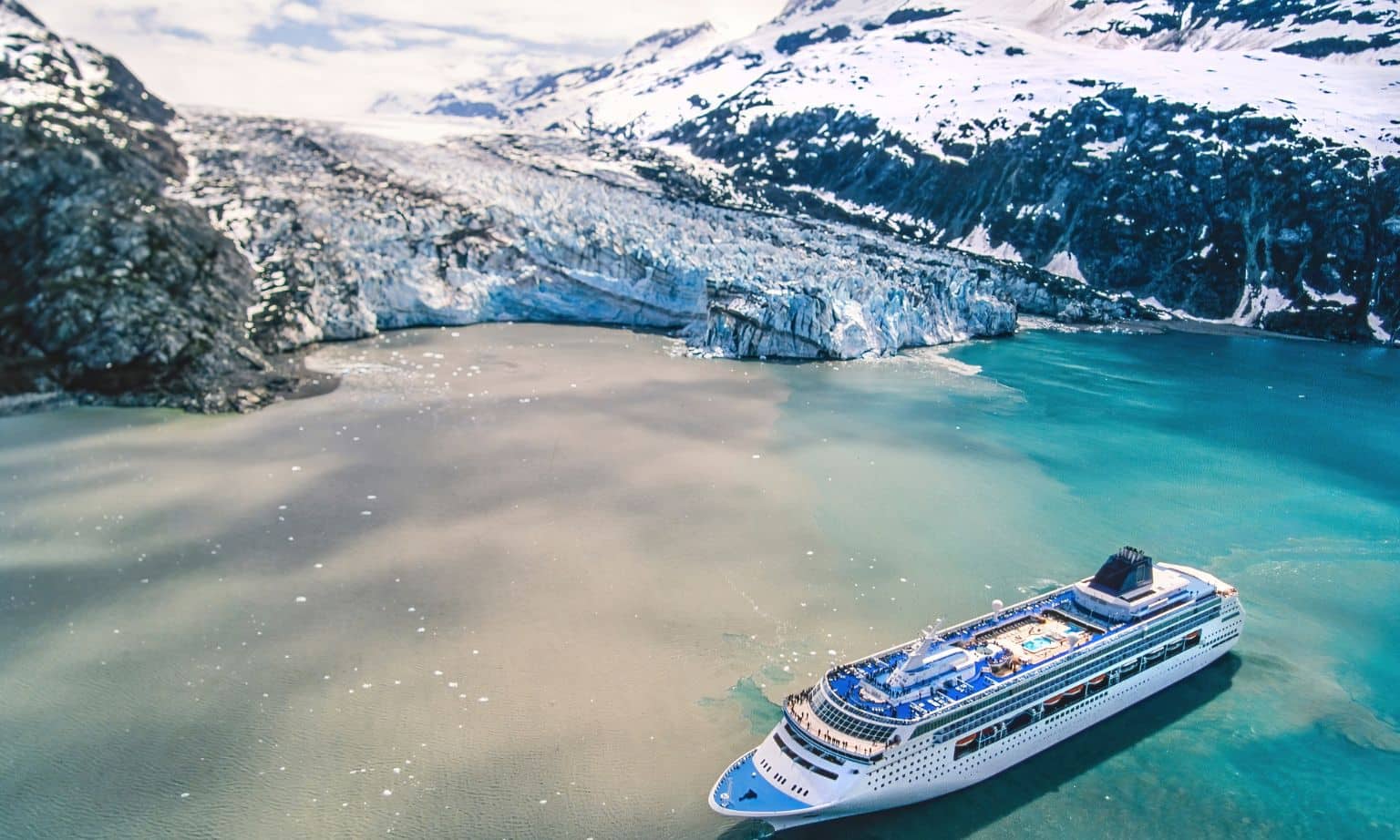
For those looking for an international adventure that avoids the complexities of Middle Eastern travel, Alaska presents a compelling and accessible option. Cruises departing from Seattle or Vancouver, both relatively easy for Australians to reach via flights through the United States or Canada, offer an immersive journey into one of the world’s most spectacular natural environments. Major airlines such as Qantas, United Airlines, Delta, and Air Canada provide regular services to these gateway cities.
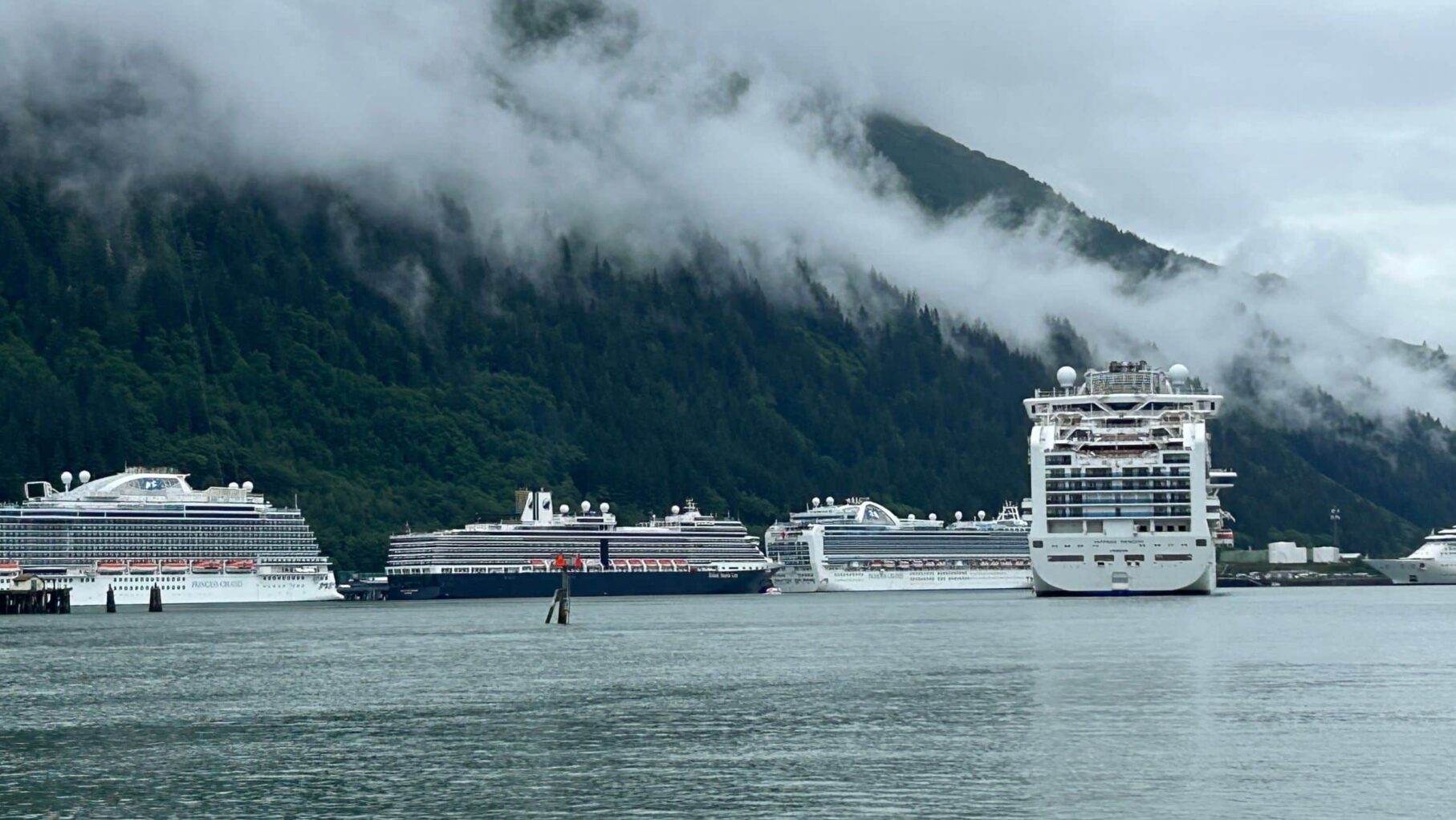
Alaska’s cruise season, running concurrently with the European summer from May to September, provides ample opportunity to witness the region’s dramatic scenery. Passengers can expect to be mesmerized by breaching whales, foraging grizzly bears, and the pristine wilderness that defines this unique part of the world. The sheer abundance of cruise lines offering Alaskan itineraries ensures a wide range of choices to suit different preferences and budgets. From popular lines like Carnival and Royal Caribbean, where a seven-night cruise might start around AUD $1,200, to more premium options including Norwegian Cruise Line, Celebrity Cruises, Disney Cruise Line, Holland America Line, Princess Cruises, Seabourn, and Regent Seven Seas, the Alaskan cruise market is robust and varied.
The Kimberley: Australia’s Rugged Northern Frontier
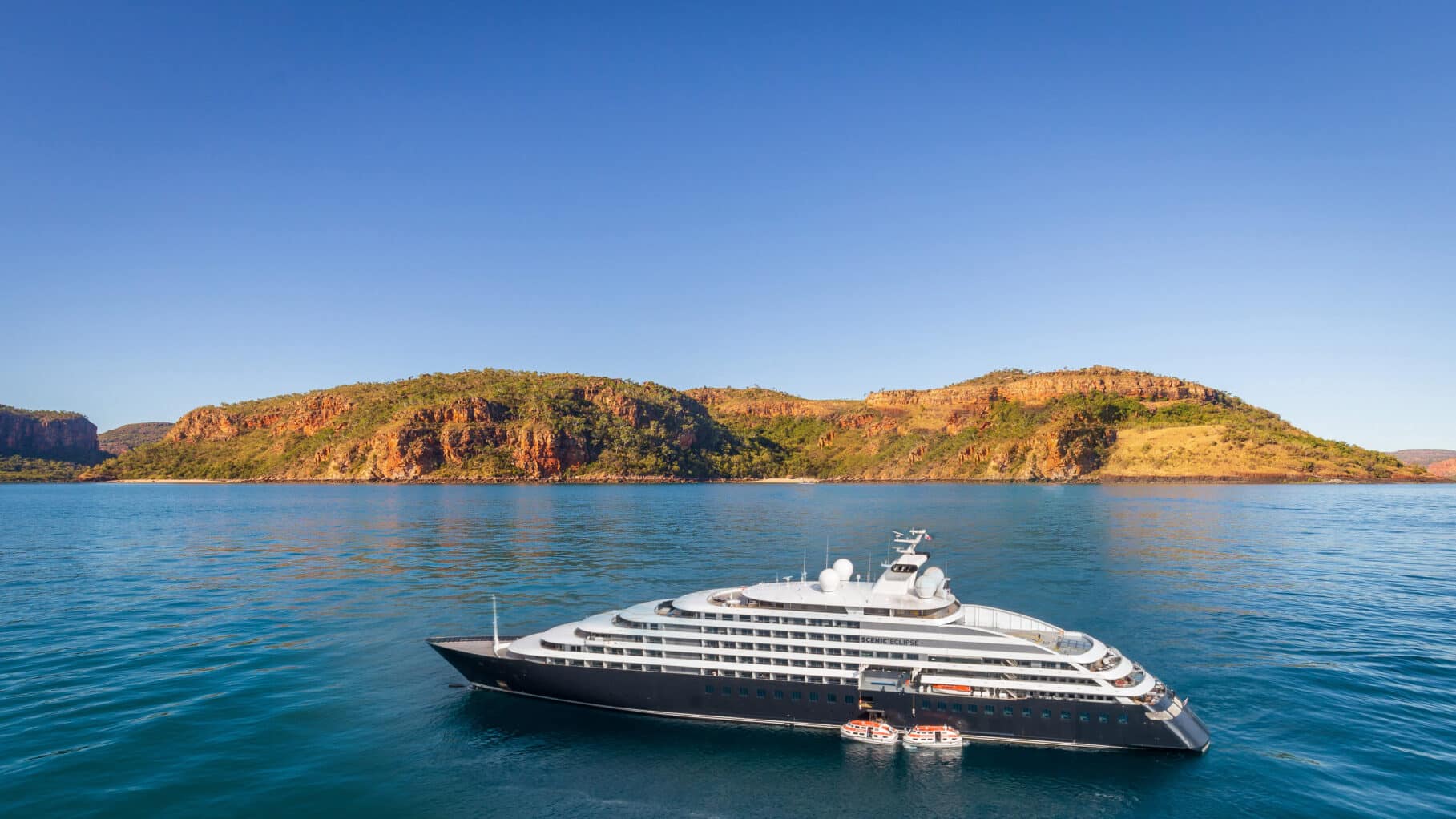
Closer to home, the Kimberley region of Western Australia offers an unparalleled opportunity to experience some of the world’s most rugged and untouched landscapes without leaving Australian shores. The cruising season here typically aligns with the Northern Hemisphere’s shoulder seasons, running from approximately April to September, making it an ideal choice for those who might have been planning a European summer trip.
It is important to note that Kimberley cruises are generally positioned as an expeditionary or luxury travel experience, attracting discerning travellers seeking exclusivity and unique access to remote areas. Cruise lines operating in this pristine environment include high-end operators such as Seabourn, Ponant, Silversea, Scenic, and Coral Expeditions. Consequently, these voyages often come with a higher price tag, with 10-day or longer itineraries frequently exceeding AUD $10,000 per person. However, diligent research can uncover opportunities for shorter voyages or off-peak deals, with some options available around AUD $6,000 per person. The reward for this investment is an unforgettable encounter with dramatic red-rock gorges, cascading waterfalls, and vibrant coral reefs, set against a backdrop of ancient Aboriginal culture and a profound sense of wilderness. Access to the Kimberley is typically via internal flights to departure ports like Broome or Darwin, or by embarking on a cruise that originates from another Australian city.
The South Pacific: Tropical Escapes and Value
For Australians seeking to escape the winter chill and embrace warmer climes, the South Pacific offers a convenient and often economical cruise alternative. While the peak season for many South Pacific destinations aligns with the Australian summer, lines like Carnival Cruises consistently offer year-round sailings, providing a steady stream of tropical getaways. These cruises often start at highly competitive rates, sometimes as low as AUD $100-$115 per day, making them an attractive option for budget-conscious travellers.
Departing from Sydney or Brisbane, Carnival’s itineraries frequently include popular destinations such as New Caledonia and Vanuatu. Choosing to cruise the South Pacific during the Australian winter months presents a dual benefit: escaping the colder weather and experiencing a lower likelihood of encountering cyclones or adverse weather conditions compared to the summer months. For those desiring a longer holiday, the possibility of booking back-to-back cruises can extend the tropical experience, or a shorter cruise can be combined with an extended stay in Queensland. While Carnival is the dominant operator consistently sailing during these months, offering limited flexibility in terms of cruise line choice, its accessibility and affordability make it a standout option for a relaxed and sun-drenched holiday. Travel to the departure ports is easily facilitated by domestic flights.
Japan: Cultural Immersion and Seasonal Beauty
Japan continues to be a perennial favourite for Australian travellers, offering a rich tapestry of cultural experiences, historical sites, and modern marvels. The appeal of Japan is further amplified by the availability of numerous cruise options, making it an attractive alternative for those reconsidering European travel. Major cruise lines such as Princess Cruises, Celebrity Cruises, Royal Caribbean, and Norwegian Cruise Line all offer extensive itineraries in and around Japan.
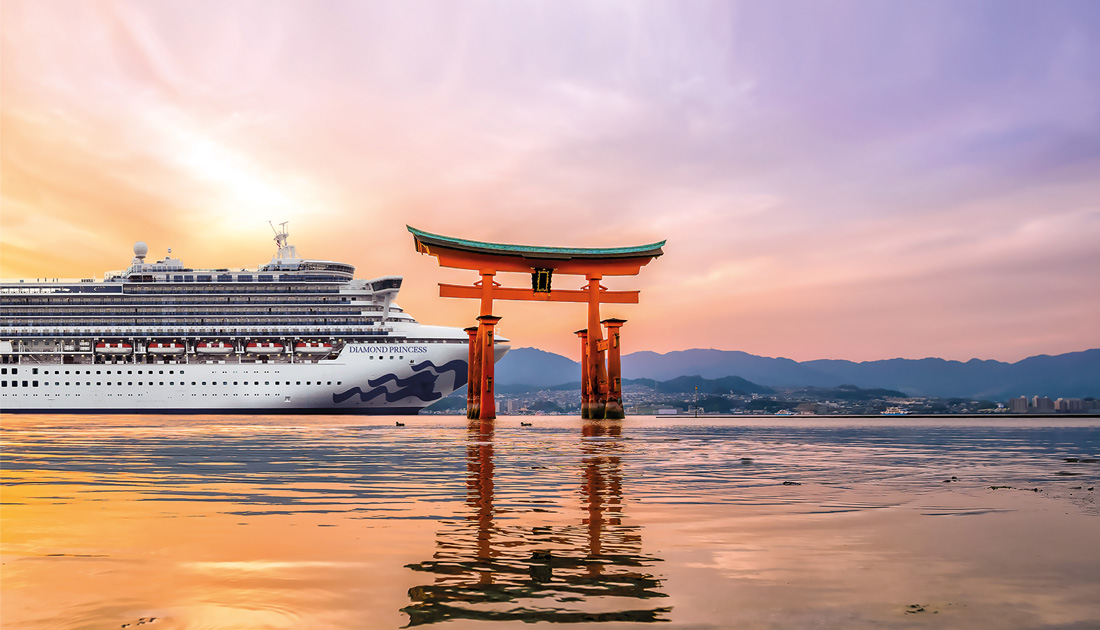
Princess Cruises, in particular, has established a strong presence in the Asian market, with a significant number of ships based in the region and operating throughout the Japanese cruising season. This allows for itineraries that can coincide with significant cultural events, such as the iconic cherry blossom season (March to May), the warmer summer months (June to August), or the visually stunning autumn foliage (October and November). These seasonal variations offer distinct experiences, catering to a wide range of traveller preferences. Cruise fares for Japan voyages, particularly with lines like Princess or Royal Caribbean, typically range around AUD $200 per night, offering excellent value for a comprehensive cultural and scenic exploration of this fascinating country. Access to Japan is generally achieved through direct flights from Australia or by embarking on a cruise originating from an Asian port.
China: An Emerging Cruise Frontier
While not traditionally considered a primary cruise destination for Australians, China is rapidly emerging as a significant player in the global tourism landscape, and its cruise industry is following suit. The recent introduction of visa-free travel for Australians has seen a surge in interest and travel to China, a trend that is expected to continue and expand into the cruise sector.
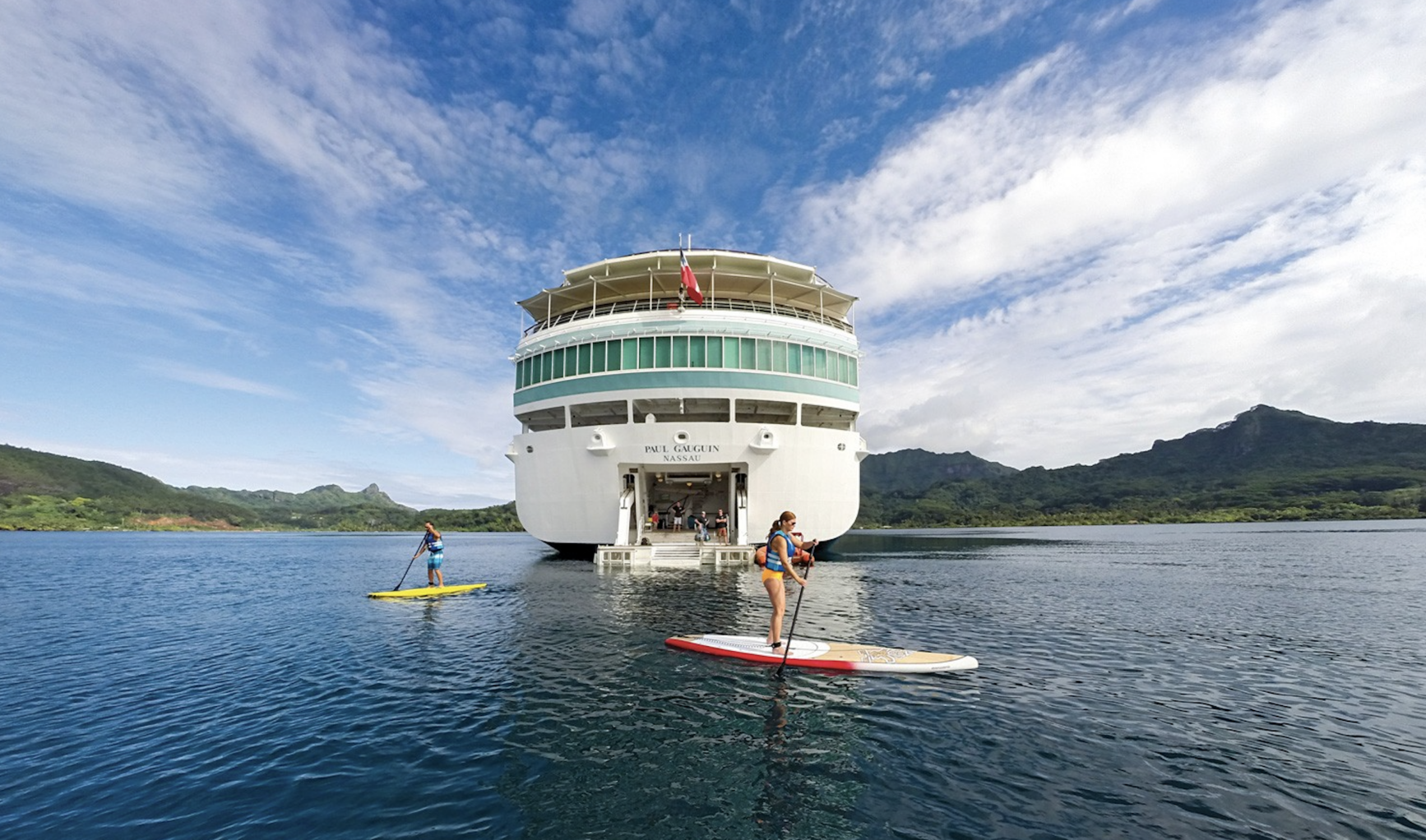
Cruise lines, including major players like Royal Caribbean and MSC Cruises, are increasingly focusing on the Chinese market, with Royal Caribbean already offering year-round sailings. The accessibility of China is further enhanced by the competitive pricing offered by Chinese low-cost carriers such as China Eastern and China Southern, with return flights from Australia often available in the AUD $750-$850 range. Cruises departing from Chinese ports typically explore destinations such as Japan or South Korea, providing travellers with a multi-faceted Asian experience that encompasses diverse cuisines, distinct cultures, and rich histories. While a cruise originating from China might be considered a more unconventional choice for some, its growing popularity, coupled with the ease of travel and the opportunity to experience a dynamic and evolving region, makes it a worthy consideration for those looking to divert from their European travel plans.
Background Context: A Shifting Global Travel Landscape
The disruptions to European travel are not isolated incidents but rather symptomatic of a broader shift in the global travel landscape, influenced by geopolitical events, economic factors, and evolving passenger preferences. The Middle East, once a vital transit point, is now viewed with caution by many international travellers due to the volatility in the region. This has created a ripple effect across the aviation industry, impacting not only flight availability and pricing but also the overall confidence of travellers planning long-haul journeys.
The Australian government’s role in issuing travel advisories underscores the seriousness of the situation. These advisories are based on detailed assessments of risks to Australian citizens abroad and aim to provide guidance to help individuals make informed decisions about their travel. The impact of such advisories extends beyond immediate travel plans, potentially influencing long-term travel trends and investment decisions within the tourism sector.
Broader Implications and Future Outlook
The current travel challenges highlight the interconnectedness of global supply chains, including the aviation industry, and their susceptibility to geopolitical events. The need for diversification in travel planning has become more apparent than ever. Travellers are increasingly seeking destinations and modes of transport that offer greater resilience against unforeseen global disruptions.
For the cruise industry, this situation presents a significant opportunity. As air travel becomes more unpredictable for certain routes, cruises offer a stable and attractive alternative. The ability to explore multiple destinations without the constant need to re-book flights or navigate complex transit procedures appeals to a growing segment of the travelling public. The cruise lines that can effectively adapt their offerings to meet this demand, by providing diverse itineraries, competitive pricing, and a high level of service, are likely to see a surge in bookings.
Looking ahead, the geopolitical situation in the Middle East will undoubtedly continue to shape travel patterns. While the desire to explore Europe remains strong, the immediate future may see a sustained shift towards destinations that are more easily accessible and perceived as less prone to disruption. The rise of cruise tourism as a viable and appealing alternative to traditional air travel is a trend that is likely to persist, offering a new paradigm for how Australians approach their international holidays. The industry, both airline and cruise, will need to remain agile and responsive to these evolving global dynamics to cater to the needs and desires of travellers in an increasingly complex world.



 Anjar Salim
 Tatiana Tantri Indah Sari
 Budi Mulyono
 Lukman Taruna Persada Ramadan
