Chandra Hamzah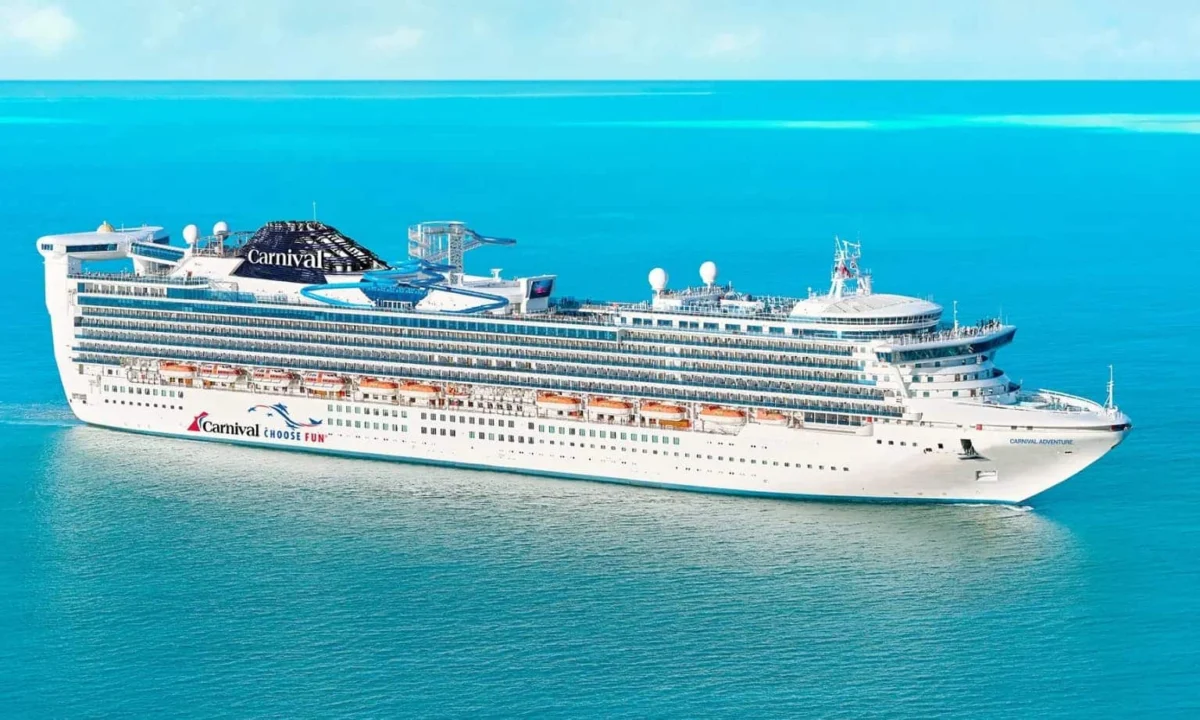
The Australian cruise community is abuzz with passionate debate, particularly following recent commentary on the P&O ships that have been converted for Carnival Cruise Line operations in the region. While reader feedback often highlights diverse perspectives on the local cruising scene, a significant portion of the current discourse centers on the perceived quality and value of these newly branded vessels. This ongoing discussion underscores broader anxieties about the trajectory of the Australian cruise market and its ability to attract and retain world-class offerings.
The Carnival Adventure Controversy: A Tale of Two Perspectives
At the heart of the recent uproar lies a review of the Carnival Adventure by British cruise bloggers Ben and David. Their critical assessment, which reportedly highlighted numerous shortcomings, has ignited a firestorm of opinions among Australian cruisers. The feedback received by Cruise Passenger reveals a stark division: one camp vehemently defends the ship, dismissing the criticisms as exaggerated and asserting that the vessel offers a perfectly enjoyable holiday experience, especially considering its price point. Conversely, a vocal contingent agrees with the bloggers’ assessment, arguing that the ships are indeed showing their age and failing to meet acceptable standards for a modern cruise experience.
Voices of Dissatisfaction
Those who align with the critical review often point to a perceived decline in the overall Carnival experience in Australia compared to its North American counterpart. A common sentiment is that Australian cruisers are being offered a "second-class" experience, one that passengers in the United States would likely not tolerate.
Stephen Tode articulated this viewpoint with directness: "The ship is tired, the usual Carnival extras were not there (soft serve, free pizza, larger choice of food outlets), and generally not as much fun, overworked crew. Needs to be either scrapped or given an extreme makeover." This sentiment suggests a longing for the familiar hallmarks of the Carnival brand that appear to be absent in the Australian context.
Natalie Harmse echoed these concerns, expressing a strong conviction that the negative review was likely accurate without even needing to see it: "I don’t need to watch it to know whatever they’ve said is probably right. If I was in the US getting on Adventure, I’d feel ripped off and I would be pissed. You don’t get the same free food options, you don’t get the same food quality, it’s still P&O poop wrapped in Carnival and that’s the truth." This harsh analogy underscores a feeling of dissatisfaction and a belief that the ship’s core identity remains rooted in its previous P&O branding, with only superficial Carnival touches applied.
Tracy Burnett provided further weight to the critical perspective, emphasizing that the review was not an overreaction but a truthful account: "It’s not a harsh review. It’s an honest and truthful review. I’ve been on this ship quite a few times. And every time I fill out my post cruise survey with all the issues that ship has. It needs a major renovation if it’s going to continue which I’m sure will happen as its going back to the US in 2028." Burnett’s repeated feedback through official channels suggests a systemic issue rather than isolated incidents, and her mention of the ship’s eventual return to the US implies a potential for a different standard of operation elsewhere.
The Counter-Argument: Value and Enjoyment
On the other side of the debate, many Australian cruisers have shared positive experiences aboard the Carnival Adventure, asserting that the ship provides a highly enjoyable and value-for-money holiday. These individuals often emphasize the importance of managing expectations and appreciating the offerings within the context of the Australian market.
Peter Jamieson, currently aboard the Carnival Adventure, stated, "On the ship now. It is fine. Have been on the Luminosa and Encounter and all have their good and bad features. Let face it, Australia will never get new cruise ships so accept it and enjoy your cruise." Jamieson’s comment encapsulates a pragmatic approach, acknowledging that Australia primarily receives older, repurposed ships and advocating for acceptance and enjoyment rather than perpetual comparison to potentially unattainable new builds.
Paul Buhagiar, who was on the same cruise as the bloggers, offered a similar perspective, having had a positive, uninfluenced experience: "We were on the same cruise (we’re fans of Ben and David, and hoped to meet them), we had zero issues. To put it into context, we hadn’t previously sailed with P&O or Carnival, so had nothing to compare it to. We went in fresh, and open minded (and a bit apprehensive), but Adventure surprised us, and we enjoyed it immensely." Buhagiar’s account highlights the value of an unbiased perspective and suggests that preconceived notions or comparisons can significantly color a traveler’s experience.
Leonie Marks reported a recent five-day cruise on the Adventure where she "could not fault the food or the service. Food was great. Ample choices and the staff were excellent." This testimonial points to strong performance in key areas of guest satisfaction. Kate Smith, having enjoyed a nine-day voyage, added, "I loved my 9 days on Adventure. We had an aft facing suite. Yes you have a higher guest to space ratio but Adventure is a lovely ship." Smith’s comment implicitly acknowledges the reality of higher passenger density on some vessels but still concludes with a positive overall assessment of the ship’s appeal.
Shifting Sands: Carnival Adventure’s Reduced Australian Presence and Industry Concerns
Beyond the debate over the ship’s condition, significant discussion has been generated by the news that Carnival Adventure will no longer be a year-round fixture in Australia. The vessel is slated to split its time between Australian waters and the United States, a move that has elicited mixed reactions and fueled anxieties about the future of cruising in Australia.
Disappointment Over a Shrinking Market
Many Australian cruisers expressed disappointment not necessarily with the ship’s departure, but with what they perceive as a continued struggle within the broader Australian cruise industry, especially when contrasted with the thriving market elsewhere. This sentiment fuels speculation about the underlying reasons for such decisions by major cruise lines.
Peter Jamieson’s comment, "I bet they will get free icecream, burgers and pizza when sailing out of the USA," refers to the perception that Carnival Adventure and Carnival Encounter do not receive the same complimentary perks when operating in Australia as they do in the US. This suggests a belief that the Australian market is less lucrative or prioritized, leading to a reduction in onboard amenities and offerings.
Phillip McNeill-Young articulated a broader frustration regarding the scarcity of winter cruising options in Australia: "Can’t understand cruise lines. If there were more options in Australian winter there would be more passengers going to tropical islands. I wouldn’t think of going to the tropical islands in summer as it is cyclone season." This highlights a missed opportunity for the Australian market to capitalize on its favorable winter climate for tropical destinations, a gap that cruise lines have yet to fully exploit.
Hope for New Entrants and Fears of Price Hikes
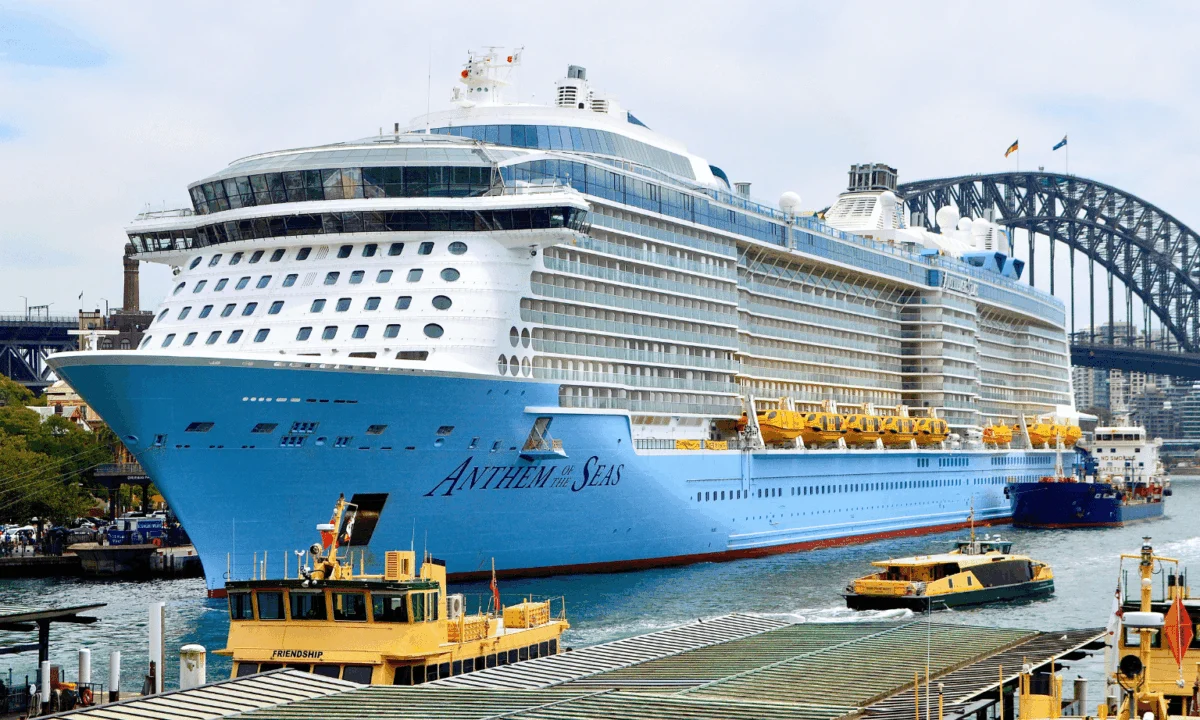
In the face of these developments, some cruisers are pinning their hopes on other major cruise lines to fill the void and potentially bring year-round cruising back to Australia. Royal Caribbean is frequently mentioned in this context. Shirlene Keen expressed this optimism: "Hoping Royal Caribbean will bring out a ship that will stay all year round." Kirsty Jevons added, "Not all is lost. There’s talks of Royal doing year round ships in the future." These comments reflect a desire for increased competition and a commitment from cruise lines to the Australian market.
However, the prospect of reduced capacity also raises concerns about economic consequences for consumers. Aaron Jarvis voiced a common fear: "So less cruises and more demand means prices are going to go up. Well played Carnival. I think my cruising days are nearly over." This sentiment underscores the worry that a shrinking market, coupled with sustained or increased demand, could lead to inflated prices, making cruising less accessible for many Australians.
Broader Implications for the Australian Cruise Industry
The ongoing discussions surrounding Carnival Adventure and its reduced Australian presence are symptomatic of a larger challenge facing the local cruise industry. The reliance on older, refurbished ships and the perception of a lesser experience compared to international markets raise questions about investment and long-term strategy.
Key Factors Contributing to the Debate:
- Ship Age and Refurbishment: The core of the disagreement often boils down to the perceived age and condition of the ships. While some passengers find them perfectly adequate, others believe they are past their prime and lacking modern amenities.
- Onboard Experience Discrepancies: Comparisons with Carnival’s offerings in other regions, particularly the USA, highlight perceived differences in food, entertainment, and included amenities.
- Market Economics: The decision by Carnival to reduce Carnival Adventure‘s Australian deployment suggests a strategic re-evaluation of market profitability and operational efficiency.
- Consumer Expectations: Australian cruisers, increasingly well-traveled and informed, have growing expectations for the quality and value of their holiday experiences.
The departure of Carnival Adventure as a year-round fixture is a significant event for Australian cruising. It prompts a critical examination of what the market can offer and what cruise lines are willing to invest. The industry’s ability to attract diverse and modern tonnage, coupled with a consistent and high-quality onboard experience, will be crucial for its sustained growth and appeal to a discerning Australian passenger base. The coming months and years will likely reveal whether other cruise lines will step in to fill the perceived gaps and whether the Australian market can secure a more robust and competitive future.
Cruise Passenger values its readers’ insights and encourages continued engagement on these vital issues shaping the Australian cruise landscape.


 Budi Mulyono
 Lukman Taruna Persada Ramadan
 Gabriela Annisa
 Tatiana Tantri Indah Sari