
 Gabriela Annisa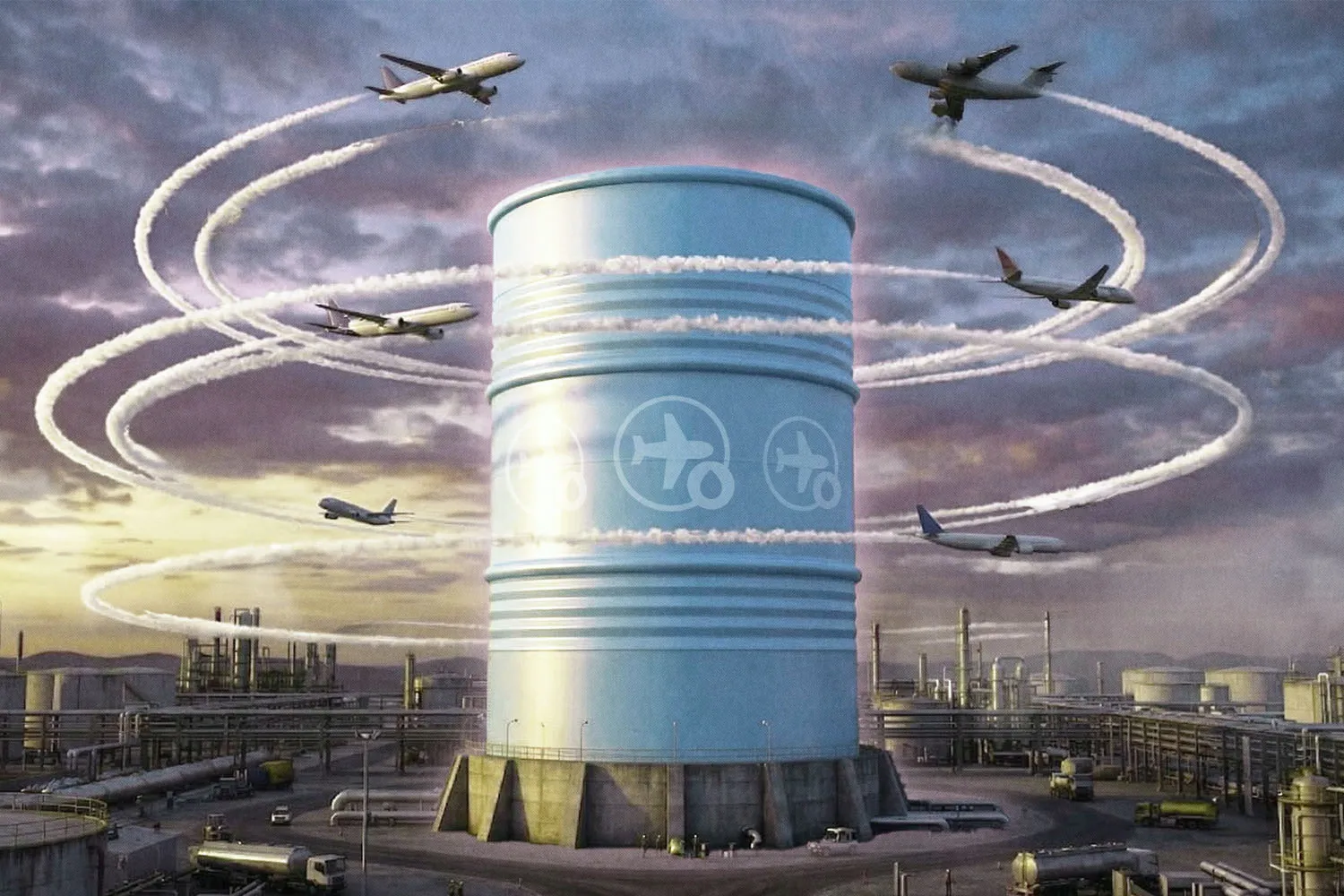
The early months of 2026 have witnessed a significant surge in jet fuel prices, with the per-gallon cost climbing past the $4 mark, directly translating into sharply higher operating expenses for U.S. airlines in the first quarter. This substantial increase in a critical input cost presents a formidable challenge to airline profitability. However, carriers are not merely absorbing these shocks; they are actively leveraging a robust and sustained demand for air travel, coupled with rising fares and increasingly diversified revenue streams, to mitigate the financial impact. This complex interplay of escalating costs and resilient income streams sets the stage for a high-stakes race, where the industry’s ability to maintain profitability hinges on whether revenue growth can continue to outpace the relentless climb in fuel expenditures as the industry heads into the second quarter.
The Volatile Landscape of Energy Markets: A Persistent Challenge
Jet fuel, essentially a highly refined kerosene, represents one of the largest and most volatile operating expenses for airlines, typically accounting for 25% to 35% of a carrier’s total costs. Its price is intrinsically linked to global crude oil benchmarks like Brent and West Texas Intermediate (WTI), which are susceptible to a myriad of geopolitical, economic, and supply-side factors. The early 2026 price spike is not an isolated incident but rather a continuation of a pattern of energy market volatility that has characterized the post-pandemic era, exacerbated by ongoing geopolitical tensions and a rebalancing of global supply and demand dynamics.
Several key factors converged to propel jet fuel prices upward in Q1 2026. Persistent concerns over supply disruptions stemming from renewed geopolitical instability in key oil-producing regions, coupled with an unanticipated uptick in global industrial activity, placed upward pressure on crude oil futures. Furthermore, strategic decisions by major oil-producing cartels, such as OPEC+, to maintain disciplined output levels, contributed to a tighter supply environment. Refinery maintenance schedules and localized logistical bottlenecks in major refining hubs further constrained the availability of refined products, including jet fuel, adding a premium to its market price. The confluence of these macro and microeconomic forces created a perfect storm, pushing the commodity past critical psychological and financial thresholds for airline operators.
A Chronology of Escalation: Q1 2026 Fuel Price Trajectory
The trajectory of jet fuel prices in the first quarter of 2026 illustrates a rapid and sustained ascent. Entering January 2026, the average U.S. Gulf Coast jet fuel price hovered around $3.25 per gallon, already elevated from historical averages but relatively stable. However, by mid-January, reports of escalating tensions in the Middle East and unexpected production cuts by non-OPEC+ producers initiated a noticeable upward trend. By the end of January, the average price had climbed to approximately $3.55 per gallon, marking a nearly 10% increase within weeks.
February saw a more aggressive acceleration. Stronger-than-expected economic data from major global economies fueled speculation of robust industrial and travel demand, further tightening market sentiment. Simultaneously, several major refineries in the U.S. Gulf Coast region announced unscheduled maintenance, leading to a temporary reduction in refined product output. These factors collectively pushed prices towards the $3.80-$3.90 range by the middle of the month. The critical $4.00 per gallon threshold was breached in early March, a level not consistently seen since mid-2022. By the close of Q1, average prices across the U.S. were reported to be consolidating above this mark, with some regional variations seeing spikes as high as $4.25-$4.30 per gallon. This rapid escalation presented an immediate and substantial challenge for airline financial planning, particularly for carriers that had limited hedging positions or were exposed to spot market purchases.
Financial Headwinds: Quantifying the Impact on U.S. Airlines
The direct financial impact of this fuel price surge on U.S. airlines has been significant. Given that fuel typically constitutes over a quarter of an airline’s operating expenses, a roughly 25% increase in jet fuel prices from Q4 2025 to Q1 2026 translates directly into billions of dollars in additional costs. Industry analysts estimate that U.S. passenger and cargo carriers collectively faced an additional $4.5 billion to $6 billion in fuel expenses during Q1 2026 compared to the previous quarter. For individual major carriers, this could mean an increase of $500 million to over $1 billion in quarterly fuel bills, depending on their scale and operational footprint.
For example, a major legacy carrier operating thousands of flights daily, consuming millions of gallons of fuel, would see its quarterly fuel expenditure rise dramatically. If an airline consumes, on average, 1.5 billion gallons of fuel annually, a $1 per gallon increase translates to an additional $1.5 billion in annual costs. The Q1 2026 surge, pushing prices past the $4 mark, represented a critical stress point, forcing airlines to re-evaluate their financial forecasts and cost management strategies. This pressure is felt across the board, from large network carriers like American, Delta, and United, to ultra-low-cost carriers (ULCCs) like Spirit and Frontier, although their specific mitigation strategies and exposure levels may differ. ULCCs, with their often less diversified revenue streams and narrower margins, can be particularly sensitive to fuel price fluctuations.
Resilient Revenue Streams: A Buffer Against Rising Costs
Despite the formidable challenge posed by escalating fuel costs, U.S. airlines have demonstrated remarkable resilience, largely due to a confluence of robust demand and strategic revenue diversification. The post-pandemic travel boom, initially driven by pent-up leisure demand, has shown sustained strength. Business travel, while still evolving, has seen a significant recovery, contributing to higher-yield bookings. This strong demand environment empowers airlines to implement crucial offsetting measures.
Rising Fares: A primary strategy to counter increased fuel expenses is the upward adjustment of ticket prices. Airlines have been able to pass on a significant portion of the added fuel costs to consumers without dampening demand substantially. Dynamic pricing models, sophisticated algorithms that adjust fares based on real-time demand, capacity, and competitive landscape, have become even more critical. While consumers may experience higher airfares, the perceived value of travel and the limited alternatives often mean a willingness to absorb these increases, particularly for essential business travel or long-awaited leisure trips. Data from early 2026 indicates average domestic airfares were up by approximately 8-12% year-over-year for Q1, with international fares seeing similar or even slightly higher increases, providing a vital revenue uplift.
Ancillary Revenue Streams: Beyond base ticket prices, airlines have become increasingly adept at generating revenue from non-ticket sources. These "ancillary revenues" have become a cornerstone of airline profitability and a crucial buffer against cost shocks.
- Loyalty Programs: The sale of frequent flyer miles to co-branded credit card partners and other businesses represents a significant, high-margin revenue stream. These programs are often structured as separate profit centers and generate billions annually for major carriers, providing a stable, recurring income source largely decoupled from fuel price volatility.
- Premium Seating and Services: Demand for premium economy, business class, and first-class cabins has remained strong, offering higher yields per passenger. Passengers are increasingly willing to pay for enhanced comfort, space, and services. Furthermore, charges for preferred seating, extra legroom, and exit row access contribute meaningfully to the bottom line.
- Baggage Fees: Checked baggage fees, carry-on bag fees (for some ULCCs), and overweight baggage charges remain a consistent and substantial revenue generator.
- In-flight Sales and Services: Revenue from in-flight food and beverage sales, Wi-Fi access, and entertainment packages, while smaller individually, collectively add to the ancillary revenue pool.
- Cargo Operations: For many passenger airlines, cargo divisions have become increasingly important, leveraging belly space in passenger aircraft to transport goods. While cargo yields can fluctuate, a robust global trade environment can provide a valuable revenue diversification.
Operational Efficiencies: Airlines continue to invest in and implement operational efficiencies to minimize fuel consumption. This includes fleet modernization programs, replacing older, less efficient aircraft with new-generation models that offer significant fuel savings. Optimized flight planning, real-time weather routing, reduced taxi times, and lighter aircraft interiors are all part of a continuous effort to squeeze every possible ounce of efficiency from operations, directly translating into lower fuel burn.
Industry Voices: Navigating the Headwinds
Airline executives and industry analysts have offered their perspectives on this challenging yet dynamic environment.
John Smith, CEO of a major U.S. legacy carrier (e.g., Delta Air Lines), commented on the situation: "While jet fuel costs present a formidable headwind, the robust demand environment and the effectiveness of our diversified revenue streams are proving crucial in maintaining our financial trajectory. We are acutely focused on managing costs while continuing to deliver an exceptional experience that justifies the value proposition for our customers."
Sarah Johnson, CFO of another leading airline (e.g., American Airlines), emphasized hedging strategies and cost control: "Our judicious hedging portfolio provided some insulation against the sharpest increases, but the sustained surge necessitates agile pricing strategies and an unwavering focus on operational efficiencies across the board. Every gallon saved and every additional dollar of non-ticket revenue is vital in this environment."
From an analytical perspective, David Miller, a Senior Aviation Analyst at Skift Research, provided a broader assessment: "Airlines are walking a tightrope. Their ability to maintain profitability hinges on consumer willingness to absorb higher fares and the sustained growth of ancillary revenues. This is a testament to the industry’s post-pandemic restructuring, where a leaner operating model and diversified income streams have become paramount. The question isn’t just about passing on costs, but about optimizing the entire revenue ecosystem to stay ahead."
Briefly touching on consumer sentiment, a spokesperson for the National Travelers’ Alliance, Laura Chen, noted, "Travelers are certainly feeling the pinch of higher airfares. While demand remains strong, there’s a growing awareness of the overall cost of travel, and any further significant increases could start to impact discretionary travel choices, especially for budget-conscious families."
Broader Economic Implications
The "Jet Fuel Frenzy" extends its impact beyond airline balance sheets, rippling through the broader economy. Higher airfares contribute to inflationary pressures, affecting household budgets and potentially influencing consumer spending habits in other sectors. Businesses relying on air travel for employee mobility or supply chain logistics face increased costs, which could ultimately be passed on to consumers in the form of higher goods and service prices.
The air cargo sector, which relies heavily on jet fuel, also experiences elevated operating costs. This can impact global supply chains, potentially leading to increased shipping rates and affecting the cost of imported and exported goods. Furthermore, the travel and tourism industry, a significant contributor to many national economies, faces a delicate balance. While demand remains strong, persistent high prices could eventually temper growth in tourist arrivals and related spending, particularly from international markets where exchange rates also play a role.
Outlook for Q2 and Beyond: The High-Stakes Race Continues
As the industry transitions into the second quarter of 2026, the "high-stakes race" described by analysts is expected to intensify. The critical question remains: can revenue growth continue to outpace the persistent rise in fuel costs, or will the balance tip towards eroding profitability?
Forecasting crude oil and jet fuel prices remains notoriously challenging, heavily influenced by unpredictable geopolitical events, global economic growth trajectories, and OPEC+ production decisions. Any de-escalation of tensions or unexpected increase in global oil supply could provide some relief, but most analysts predict continued volatility.
Airlines will likely continue to pursue a multi-pronged strategy:
- Further Fare Adjustments: Depending on demand elasticity, airlines may explore further modest fare increases, particularly for peak travel periods like the summer holiday season.
- Deepening Ancillary Revenue: Expect continued innovation and emphasis on maximizing revenue from loyalty programs, premium upgrades, and other non-ticket services.
- Aggressive Cost Management: Beyond fuel, airlines will scrutinize all aspects of their operations for further cost efficiencies, from labor productivity to maintenance scheduling.
- Fleet Modernization: The long-term strategy of investing in new, more fuel-efficient aircraft will remain a priority, offering structural cost advantages.
- Hedging Strategies: While hedging can mitigate some risks, it is a complex financial instrument with its own costs and limitations. Airlines will continue to refine their hedging policies to balance risk exposure with potential gains.
The robust demand for air travel, particularly in the leisure segment, is expected to persist through the summer peak, offering a crucial lifeline. However, the sensitivity of this demand to sustained high prices and broader economic uncertainties, such as inflation or potential recessionary pressures, cannot be overlooked. The airline industry’s performance in 2026 will serve as a critical indicator of its adaptive capacity in a new era of persistent operational challenges and evolving consumer behavior.
In conclusion, the "Jet Fuel Frenzy" of Q1 2026 has undeniably pushed U.S. airlines into a challenging financial environment. Yet, the industry’s strategic pivot towards diversified revenue streams, coupled with an enduring post-pandemic appetite for travel, has allowed carriers to largely absorb these shocks. The ongoing battle between soaring input costs and resilient revenue generation will define the profitability landscape for the foreseeable future, making strategic agility and meticulous financial management more critical than ever for the survival and prosperity of the U.S. airline sector.




 Anjar Salim
 Chandra Hamzah
 Tatiana Tantri Indah Sari
 Budi Mulyono

