Tatiana Tantri Indah Sari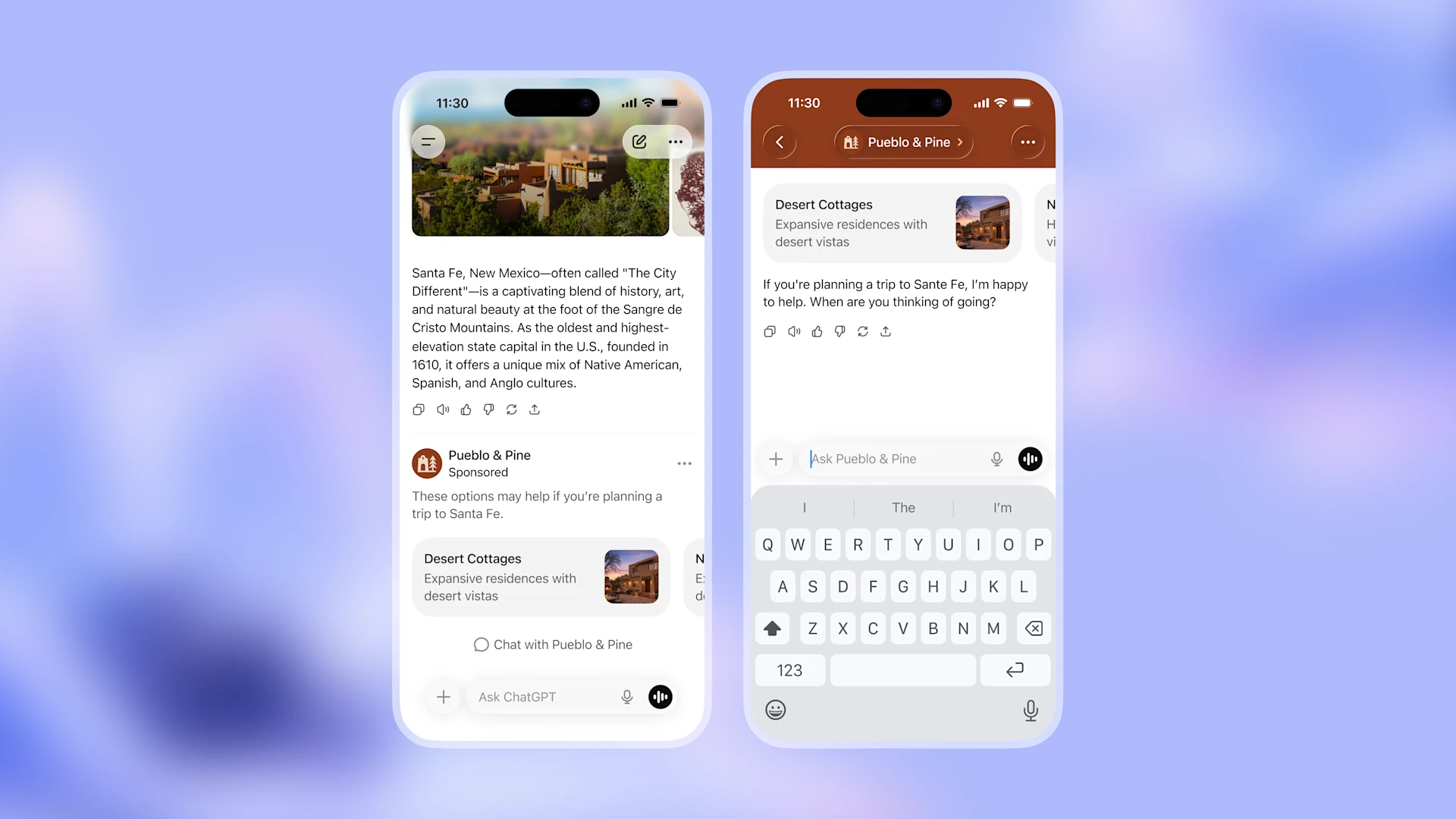
In a significant strategic move, OpenAI, the artificial intelligence research and deployment company behind the widely popular ChatGPT, has announced the appointment of Dave Dugan, former Vice President of Global Clients and Agencies at Meta, to spearhead its global ad solutions division. This high-profile hire signals a clear and aggressive intent by OpenAI to transition its AI models, particularly ChatGPT, from experimental features into robust, commercially viable advertising platforms. Dugan, a seasoned veteran in the digital advertising landscape with extensive experience managing relationships with some of the world’s largest advertisers, will be tasked with transforming nascent advertising tests within ChatGPT into a full-fledged commercial product, with a critical emphasis on preserving the user experience.
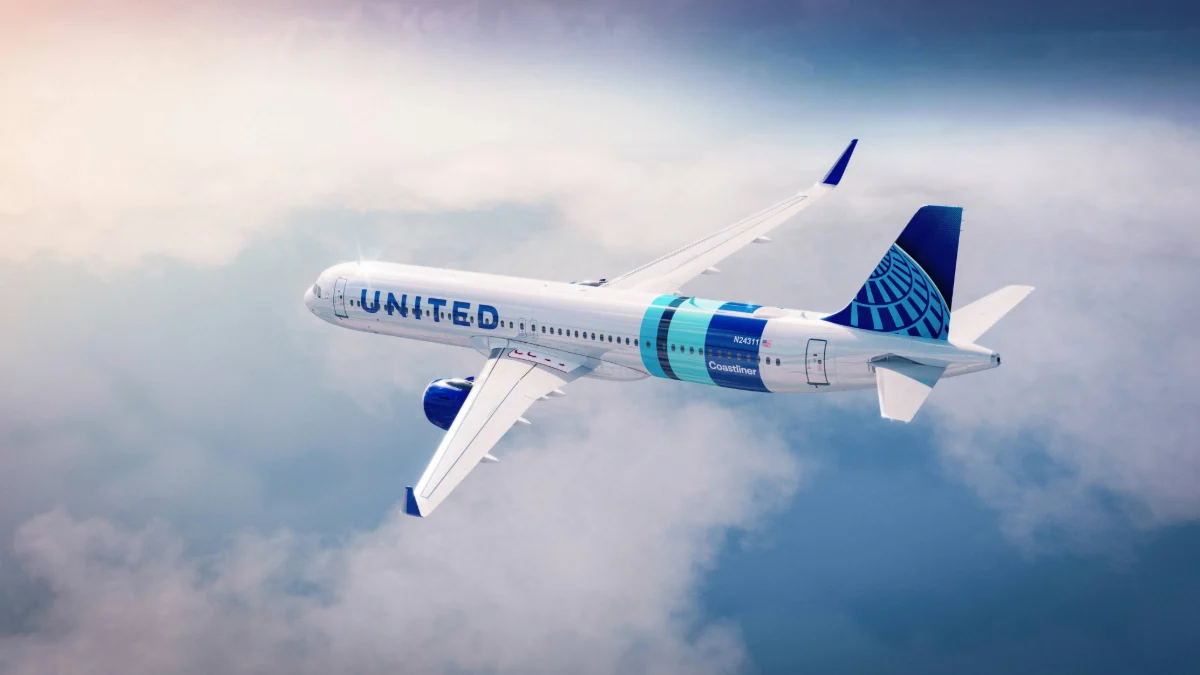
Dugan’s arrival marks a pivotal moment for OpenAI’s commercial trajectory. His appointment is notably the first instance where OpenAI has brought on a senior, agency-facing ad-sales executive into a named leadership position. This mirrors the organizational structures at tech giants like Meta and Google, where such roles are central to engaging with major advertising spenders, including colossal online travel agencies (OTAs) and leading airlines – sectors where Dugan’s expertise from his Meta tenure is particularly relevant. On his LinkedIn profile, Dugan articulated his primary objective: to scale ChatGPT advertisements from a test phase into a mature, market-ready offering without compromising the intuitive and seamless interaction users have come to expect from the AI chatbot. This delicate balance between monetization and user satisfaction will be central to his mandate.
The Strategic Imperative: OpenAI’s Path to Profitability
OpenAI’s decision to aggressively pursue an advertising-based monetization model is not surprising when viewed against the backdrop of its rapid growth, monumental operational costs, and the increasing expectations from its investors. The development and deployment of advanced AI models like GPT-4, DALL-E 3, and the underlying infrastructure for ChatGPT require immense computational power, extensive research and development, and a continuous investment in top-tier talent. Running these models at scale, especially for millions of users worldwide, incurs significant expenses in terms of GPUs, data centers, and energy consumption.
While OpenAI has already established several revenue streams, including its API services, enterprise solutions, and premium subscriptions like ChatGPT Plus, these alone may not be sufficient to offset the escalating costs and fuel future innovation at the required pace. The API, launched in March 2023, allows developers to integrate OpenAI’s models into their own applications, while ChatGPT Plus, introduced in February 2023, offers subscribers faster response times, priority access, and early access to new features. However, an advertising model, if executed successfully, has the potential to unlock a far larger and more scalable revenue stream, tapping into the multi-trillion-dollar global digital advertising market.
Dugan’s Background: A Strategic Fit from Meta’s Advertising Powerhouse
Dave Dugan’s extensive background at Meta provides him with a unique and highly relevant skillset for his new role at OpenAI. During his tenure as Vice President of Global Clients and Agencies, Dugan was at the forefront of Meta’s advertising operations, managing relationships with some of the world’s largest advertisers and their agencies. Meta’s advertising business is a colossal enterprise, generating tens of billions of dollars annually, predominantly through targeted ads across its family of apps, including Facebook, Instagram, Messenger, and WhatsApp. In 2023, Meta reported over $134 billion in advertising revenue, underscoring the scale and sophistication of the ad ecosystem Dugan was instrumental in managing.
Crucially, the travel industry has historically been one of the major categories within Meta’s ad business. Travel companies, ranging from global airlines and hotel chains to online travel agencies (OTAs) like Booking.com, Expedia, and Airbnb, invest heavily in digital advertising to reach potential customers at various stages of their travel planning journey. Dugan’s intimate understanding of the needs, challenges, and spending patterns of these major travel advertisers positions him perfectly to develop ad solutions that resonate with this lucrative sector. His expertise extends beyond just sales; it encompasses an understanding of ad product development, measurement, and the delicate balance of ad load and user experience, all of which will be critical for OpenAI.
The Evolving Landscape of AI-Powered Advertising
The integration of AI into advertising is not a novel concept, but OpenAI’s entry into this space represents a significant shift. For years, AI has been used by advertising platforms for audience targeting, campaign optimization, content recommendation, and fraud detection. Google’s ad platform, for instance, heavily leverages AI to match ads with user queries and content, while Meta uses AI to personalize ad experiences based on user behavior and interests. However, OpenAI’s approach could be different, potentially leveraging its generative AI capabilities to create more interactive, conversational, and contextually relevant ad experiences directly within the chatbot interface.
Imagine a user asking ChatGPT for recommendations for a weekend getaway. Instead of merely providing generic suggestions, the AI could, with proper ad integration, seamlessly weave in sponsored links or direct booking options from relevant travel brands, presented in a natural, conversational manner. This could move beyond traditional banner ads or search results, offering a more integrated and potentially less intrusive form of advertising, provided the user experience remains paramount. The challenge, and Dugan’s core mandate, will be to ensure these integrations feel helpful and additive, rather than disruptive or overly commercial.
Chronology of OpenAI’s Commercial Evolution:
- 2015: Founded as a non-profit research organization by Elon Musk, Sam Altman, and others, with a mission to ensure AGI benefits all of humanity.
- 2019: Transitioned to a "capped-profit" model, allowing it to raise significant capital from investors, including a $1 billion investment from Microsoft.
- 2020: Released GPT-3, a powerful language model, and began offering access via an API, marking its first significant step towards commercialization.
- 2021: Launched DALL-E, a groundbreaking AI image generator, further showcasing its generative AI capabilities.
- November 2022: Unveiled ChatGPT to the public, rapidly becoming the fastest-growing consumer application in history, reaching 100 million users in two months. This event fundamentally shifted public perception of AI and accelerated OpenAI’s commercial ambitions.
- February 2023: Introduced ChatGPT Plus, a paid subscription service offering enhanced features and priority access.
- March 2023: Released the GPT-4 model, demonstrating significant advancements in reasoning and language understanding, further fueling API adoption.
- Late 2023/Early 2024: Rumors and limited tests of advertising features within ChatGPT begin to surface, indicating a future monetization strategy.
- Mid-2024: Dave Dugan appointed to lead Global Ad Solutions, solidifying OpenAI’s commitment to building a robust advertising business.
Challenges and Opportunities: Balancing Monetization with User Experience
The primary challenge for Dugan and OpenAI will be to introduce advertising without alienating ChatGPT’s vast user base. The platform’s appeal lies in its utility, neutrality, and conversational ease. Any advertising model that significantly degrades these core attributes could lead to user churn. This necessitates a thoughtful approach to ad formats, targeting, and disclosure.
- Native and Contextual Ads: The most likely path involves highly contextual and native advertising. For example, if a user is planning a trip to Paris, an ad for a flight booking site, a specific hotel, or a tour operator could be integrated directly into the conversational flow, perhaps as a helpful suggestion rather than an intrusive pop-up.
- Ethical Considerations and Transparency: OpenAI will need to navigate complex ethical considerations related to data privacy, algorithmic bias, and the clear differentiation between AI-generated content and sponsored content. Transparency about ad placements and data usage will be paramount to maintaining user trust.
- Measurement and Attribution: Advertisers will demand robust measurement and attribution models to justify their spending. OpenAI will need to develop sophisticated analytics to demonstrate the effectiveness of its ad solutions, a task Dugan’s experience at Meta will be invaluable for.
- Competition: The AI advertising space is becoming increasingly crowded. Google, with its dominant search advertising business and growing AI capabilities, is a direct competitor. Microsoft, a major investor in OpenAI, also has its own advertising network and AI integrations within Bing Chat. Amazon is expanding its advertising presence, and various ad tech companies are exploring generative AI for ad creation and optimization. OpenAI will need to differentiate its offering significantly.
Implications for the Travel Industry and Beyond
For the travel industry, Dugan’s appointment signals a potentially transformative shift in how travel brands can reach consumers. Given his deep ties to this sector from Meta, it is highly probable that travel will be an early and significant focus for ChatGPT’s ad solutions.
- New Ad Channels for OTAs and Airlines: Major OTAs and airlines, which already allocate substantial budgets to Meta and Google, will likely be eager to explore new avenues on ChatGPT. The conversational nature of the platform could enable more personalized and dynamic engagement with potential travelers than traditional search or social ads.
- Enhanced Discovery: ChatGPT could become a powerful discovery platform for travel, moving beyond simple search queries to more exploratory and interactive planning. This could benefit niche travel providers or less obvious destinations that might struggle to gain visibility through conventional channels.
- Content Generation and Personalization: Travel brands could leverage generative AI not only for ad placement but also for dynamically generating personalized travel itineraries, recommendations, and even ad copy tailored to individual user preferences and conversational context within ChatGPT.
- Impact on Other Verticals: While travel is an obvious fit due to Dugan’s background, the implications extend to numerous other industries. E-commerce, finance, education, and entertainment brands could all find unique opportunities to engage with users through conversational AI advertising.
Industry Reactions and Future Outlook
Industry analysts and advertising agencies are watching OpenAI’s moves closely. The consensus is that while monetization is a necessity for AI companies, the execution of an advertising model will be crucial. "OpenAI’s foray into advertising is a natural evolution, but it comes with immense challenges," commented a senior analyst at a leading tech research firm, who preferred to remain anonymous due to client relationships. "The key will be innovation in ad formats that feel native to a conversational interface, not just shoehorning existing ad models into a new platform. Dugan’s experience with large clients and agencies will be invaluable in building trust and demonstrating ROI."
Agencies are likely to welcome a new, high-reach advertising channel, provided it offers effective targeting and measurable results. However, there will also be questions regarding data privacy, brand safety within AI-generated conversations, and the overall cost-effectiveness compared to established platforms. The success of OpenAI’s ad solutions will ultimately hinge on its ability to offer unique value propositions to advertisers while rigorously protecting the integrity of the user experience.
In conclusion, Dave Dugan’s appointment is more than just a personnel change; it represents a clear declaration of intent from OpenAI to aggressively commercialize its groundbreaking AI technology through advertising. This strategic pivot, driven by the immense costs of AI development and the promise of a vast new revenue stream, could reshape not only OpenAI’s future but also the broader landscape of digital advertising and how brands interact with consumers in the age of generative AI. The delicate tightrope walk between monetization and user experience will define the success or failure of this ambitious undertaking, with the travel industry likely serving as an early proving ground for this new frontier in advertising.


 Chandra Hamzah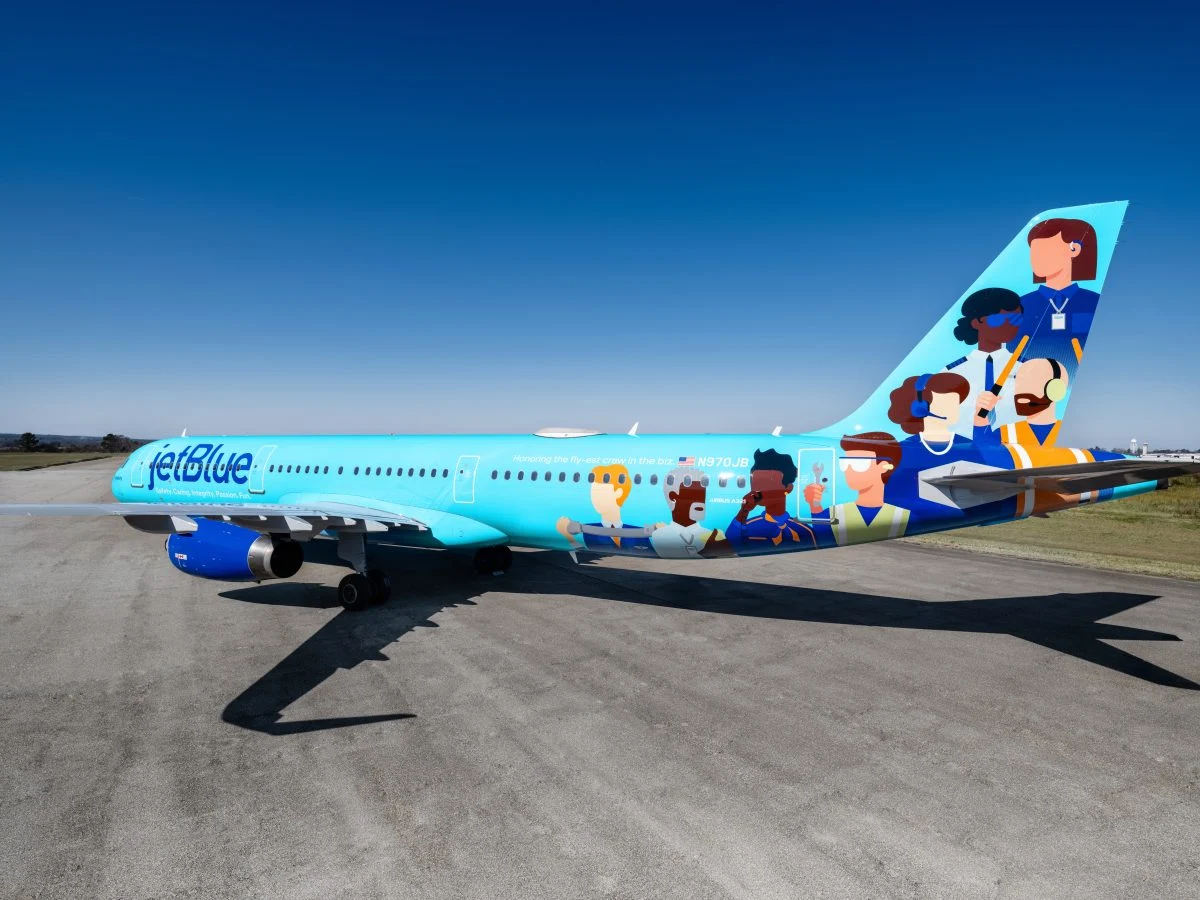
 Gabriela Annisa
 Budi Mulyono
 Anjar Salim