
 Anjar Salim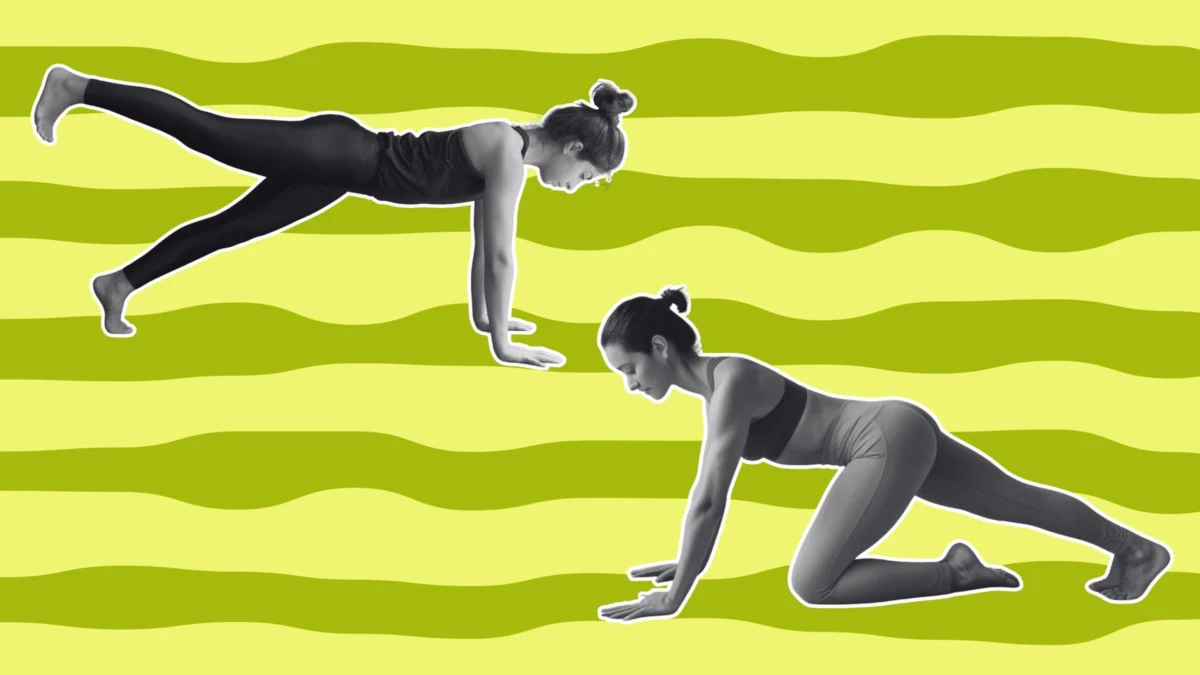
The concept of core engagement has become a ubiquitous directive in modern fitness, yet the physiological reality of how these muscles function often diverges from popular perception. While fitness instructors frequently urge participants to engage their core, biomechanical research indicates that core activation is a largely autonomous process. In a healthy functioning body, the trunk muscles naturally fire to stabilize the spine the moment the limbs begin to move. However, according to Susie Reiner, a certified strength and conditioning specialist and assistant professor of exercise science at Seton Hall University, the transition from automatic stabilization to deliberate strengthening is a critical component of long-term musculoskeletal health.
The shift in focus from traditional abdominal exercises, such as crunches and sit-ups, toward isometric stability movements like the plank represents a significant evolution in sports science. This transition is rooted in a deeper understanding of how the human body manages force and protects the central nervous system’s primary structural support: the spinal column. By examining the mechanics of the plank and its variations, health professionals are uncovering a multifaceted tool that not only builds muscular endurance but also offers surprising cardiovascular benefits and injury prevention capabilities.
The Biomechanical Shift: From Flexion to Stability
For decades, the standard for abdominal training was defined by spinal flexion—the act of bending the torso forward, as seen in the traditional sit-up. While these movements target the rectus abdominis, the superficial muscle responsible for the "six-pack" aesthetic, they often neglect the deeper architecture of the trunk. Furthermore, repetitive flexion under load can, in some populations, contribute to intervertebral disc strain.
The plank, by contrast, is an isometric exercise. In this context, "isometric" refers to a muscle contraction where the length of the muscle and the angle of the joint do not change. Rather than asking the core to move the body, the plank asks the core to resist movement. This "anti-extension" and "anti-rotation" function is precisely what the core is designed to do during real-world activities. Whether an individual is carrying heavy groceries, maintaining posture during a long run, or lifting a child, the core’s primary job is to act as a rigid bridge between the upper and lower body, preventing the spine from excessive arching, twisting, or collapsing.
Susie Reiner notes that the plank is a "complete" exercise because it recruits a synergy of muscles. Beyond the rectus abdominis, a proper plank fires the transverse abdominis (the deepest layer of core muscle), the internal and external obliques, the glutes, the shoulder girdle, and the posterior chain muscles like the erector spinae and multifidus. This holistic recruitment pattern ensures that the entire "cylinder" of the torso is reinforced, rather than just the front wall.
Scientific Data: Cardiovascular Benefits of Isometric Training
Recent clinical data has expanded the argument for planking beyond mere core strength. A landmark 2023 systematic review and meta-analysis published in the British Journal of Sports Medicine examined the effects of various exercise modalities on resting blood pressure. The study, which analyzed data from 270 randomized controlled trials involving nearly 16,000 participants, found that isometric exercise training was the most effective intervention for reducing both systolic and diastolic blood pressure.
The data revealed that isometric holds, such as planks and wall sits, outperformed aerobic high-intensity interval training (HIIT) and traditional resistance training in blood pressure management. The physiological mechanism behind this is believed to involve "reactive hyperemia." When a muscle is held in a static contraction, blood flow to that muscle is temporarily restricted. Upon release, a significant surge of blood flow returns to the tissue, triggering biochemical signals that help relax and dilate the blood vessels over time. This finding positions the 5-minute plank routine not just as a tool for athletic performance, but as a potential clinical intervention for cardiovascular health.
The Five-Minute Plank Protocol: A Chronological Breakdown
To translate these scientific principles into a practical application, a structured 5-minute routine has been developed to maximize muscle fiber recruitment while minimizing the mental fatigue often associated with long, static holds. This routine utilizes 30-second intervals of various plank iterations, shifting the primary load across different planes of the body to ensure comprehensive development.
0:00–0:30: The Foundation – High Plank Hold
The routine begins with a traditional high plank (push-up position). The objective is to establish a neutral spine. The hands are placed directly under the shoulders, and the body forms a straight line from the heels to the crown of the head. This initial phase serves as a baseline for stability, activating the serratus anterior and the stabilizing muscles of the wrists and shoulders.
0:30–1:00: Dynamic Integration – High Plank Knee-to-Elbow
Introducing movement to the legs while the upper body remains static forces the core to work harder to maintain its "anti-rotation" function. As the knee moves toward the elbow, the obliques are engaged to prevent the hips from swaying. This move bridges the gap between static stability and functional movement.
1:00–1:30: Lateral Stability – Side Plank Hip Raise (Right)
Shifting to the side targets the internal and external obliques and the gluteus medius. The hip raise adds a dynamic element to the side plank, strengthening the lateral chain which is often weak in individuals who primarily perform forward-facing exercises.
1:30–2:00: Deep Core Activation – Forearm Plank Knee Drop
Returning to a center-facing position but moving to the forearms changes the leverage. By lightly tapping the knees to the floor and lifting them back up, the trainee must engage the lower fibers of the transverse abdominis to prevent the lower back from arching toward the floor.
2:00–2:30: Balanced Lateral Stability – Side Plank Hip Raise (Left)
Symmetry is vital in core training to prevent postural imbalances. Repeating the hip raise on the left side ensures that both sides of the trunk provide equal support to the spine, reducing the risk of unilateral back pain.
2:30–3:00: Longitudinal Stress – Forearm Plank Body Saw
In this variation, the individual shifts their weight forward and backward by pivoting on the toes. This change in the center of gravity significantly increases the demand on the core to prevent the hips from sagging, mimicking the stresses placed on the body during heavy lifting or pushing.
3:00–3:30: Rotational Control – Side Plank Thread the Needle (Right)
Rotation is one of the most complex movements for the human spine. By rotating the torso inward and reaching under the body while in a side plank, the trainee develops the ability to control rotation under tension, a key factor in preventing "tweaks" or acute injuries during sudden movements.
3:30–4:00: Pelvic Control – Forearm Plank Hip Sway
By gently dipping the hips from side to side in a forearm plank, the trainee targets the deep rotators of the hip and the lower obliques. This move emphasizes the connection between the pelvis and the lower spine.
4:00–4:30: Advanced Rotational Control – Side Plank Thread the Needle (Left)
Completing the rotational work on the opposite side ensures total-body coordination and reinforces the neural pathways responsible for complex trunk movements.
4:30–5:00: The Final Burn – High Plank Hold
The routine concludes where it began. At this stage, the muscles are fatigued, making the simple act of holding a straight line significantly more difficult. This final 30 seconds focuses on mental fortitude and the endurance of the slow-twitch muscle fibers.
Implementation Strategies and Safety Considerations
While the 5-minute challenge is designed for efficiency, experts emphasize that form must always take precedence over duration. Professor Reiner suggests that if an individual’s form falters—evidenced by the hips sagging toward the floor or the lower back beginning to arch—they should immediately drop to their knees or take a brief rest.
"The goal is quality over quantity," Reiner explains. "Performing a plank with poor form can actually exacerbate lower back issues rather than solving them." For beginners or those with existing joint concerns, performing the plank on an elevated surface, such as a bench or a sturdy table, can reduce the percentage of body weight being supported, making the sequence more accessible while still providing the benefits of isometric tension.
Broader Impact on Long-term Health and Aging
The implications of consistent core stability training extend far beyond the gym. As the global population ages, the prevalence of lower back pain and balance-related falls has become a major public health concern. A strong, stable core is the primary defense against these issues. By training the trunk muscles to maintain spinal integrity, individuals can improve their proprioception—the body’s ability to sense its position in space.
Furthermore, the integration of the glutes and shoulder girdle into planking routines addresses the "sedentary posture" common in the modern workforce. Long hours spent sitting at desks often lead to "gluteal amnesia" and rounded shoulders. The plank forces these dormant muscles to fire, helping to reverse the postural degradation associated with office work.
In conclusion, the 5-minute plank challenge is more than a fitness trend; it is a scientifically backed approach to holistic health. By moving away from the narrow goal of abdominal aesthetics and toward the broader objective of functional stability, individuals can build a body that is not only stronger but more resilient to the stresses of daily life and the inevitable process of aging. As research continues to validate the benefits of isometric exercise for cardiovascular health, the humble plank is likely to remain a cornerstone of both athletic and clinical wellness programs for years to come.



 Susilo Edi Turonggo
 Walid Sujud Trenggono
 Cholid Fahmi Thalib
 Budi Mulyono
 Lukman Taruna Persada Ramadan