
 Chandra Hamzah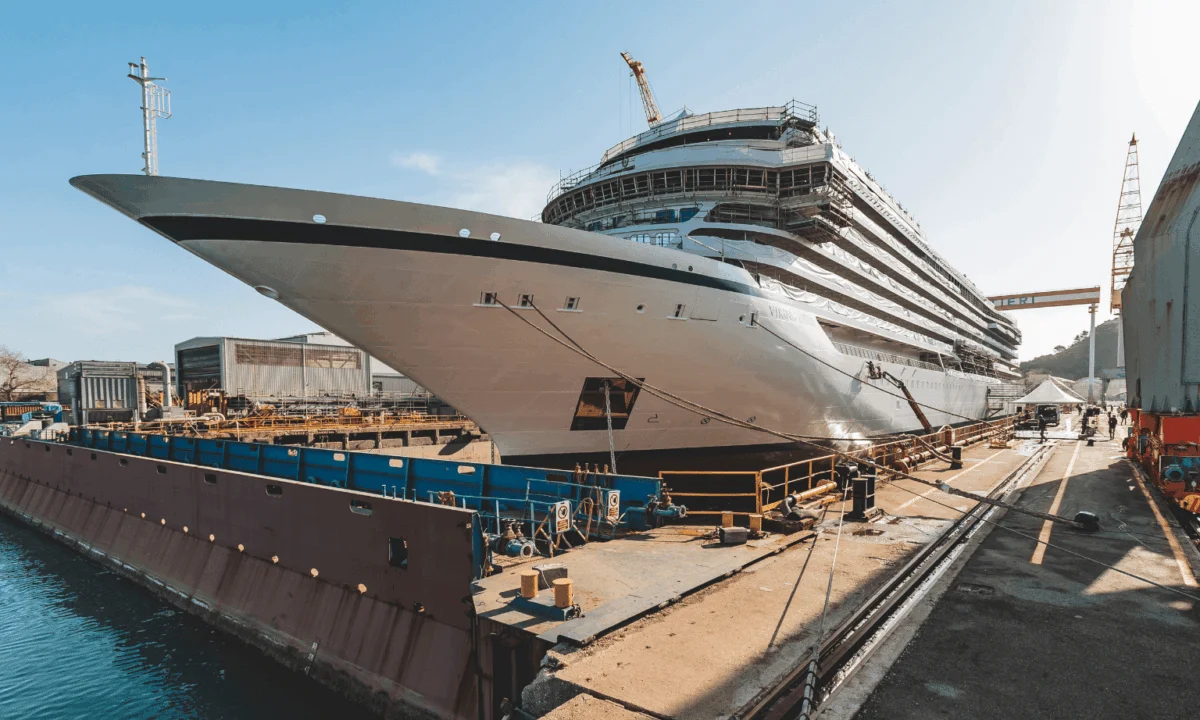
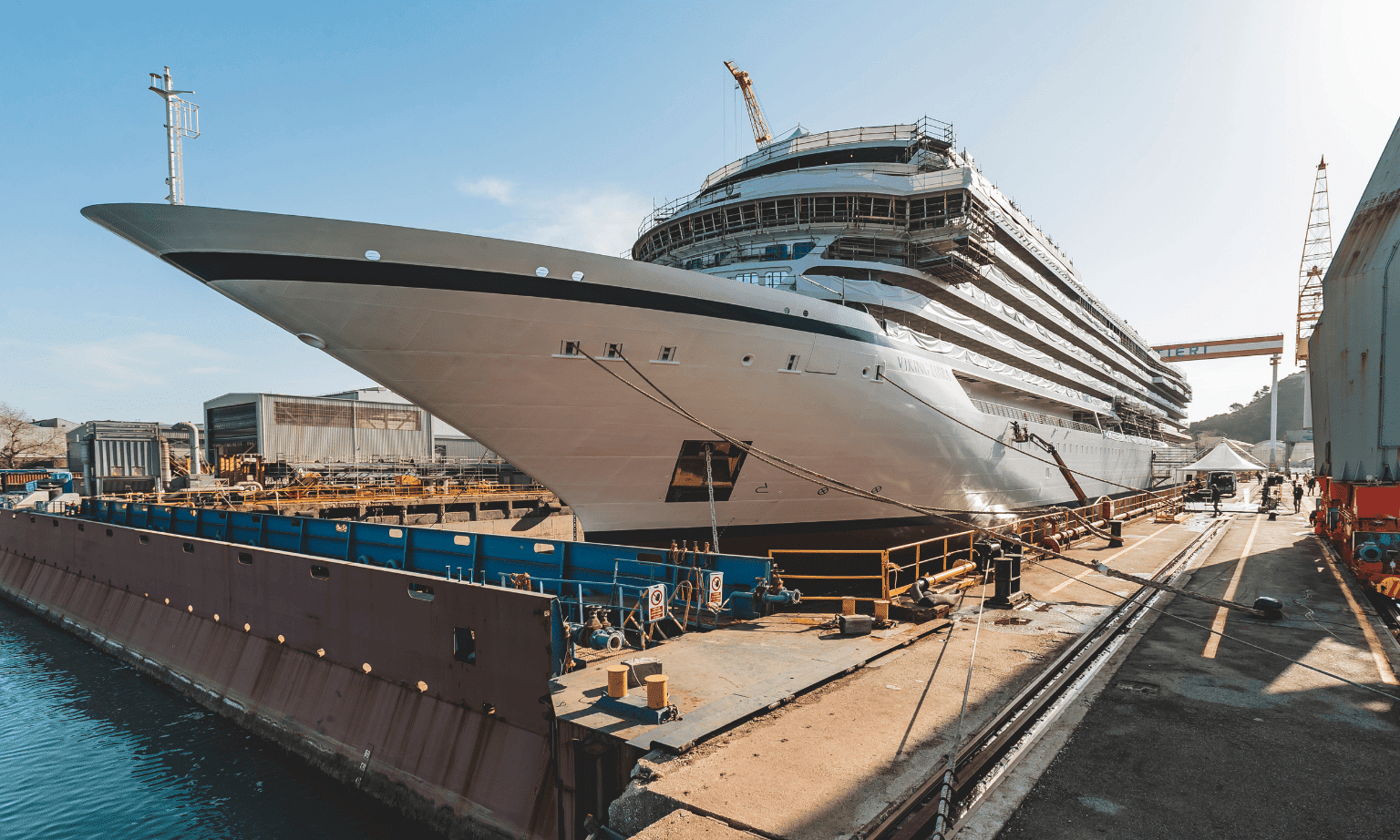
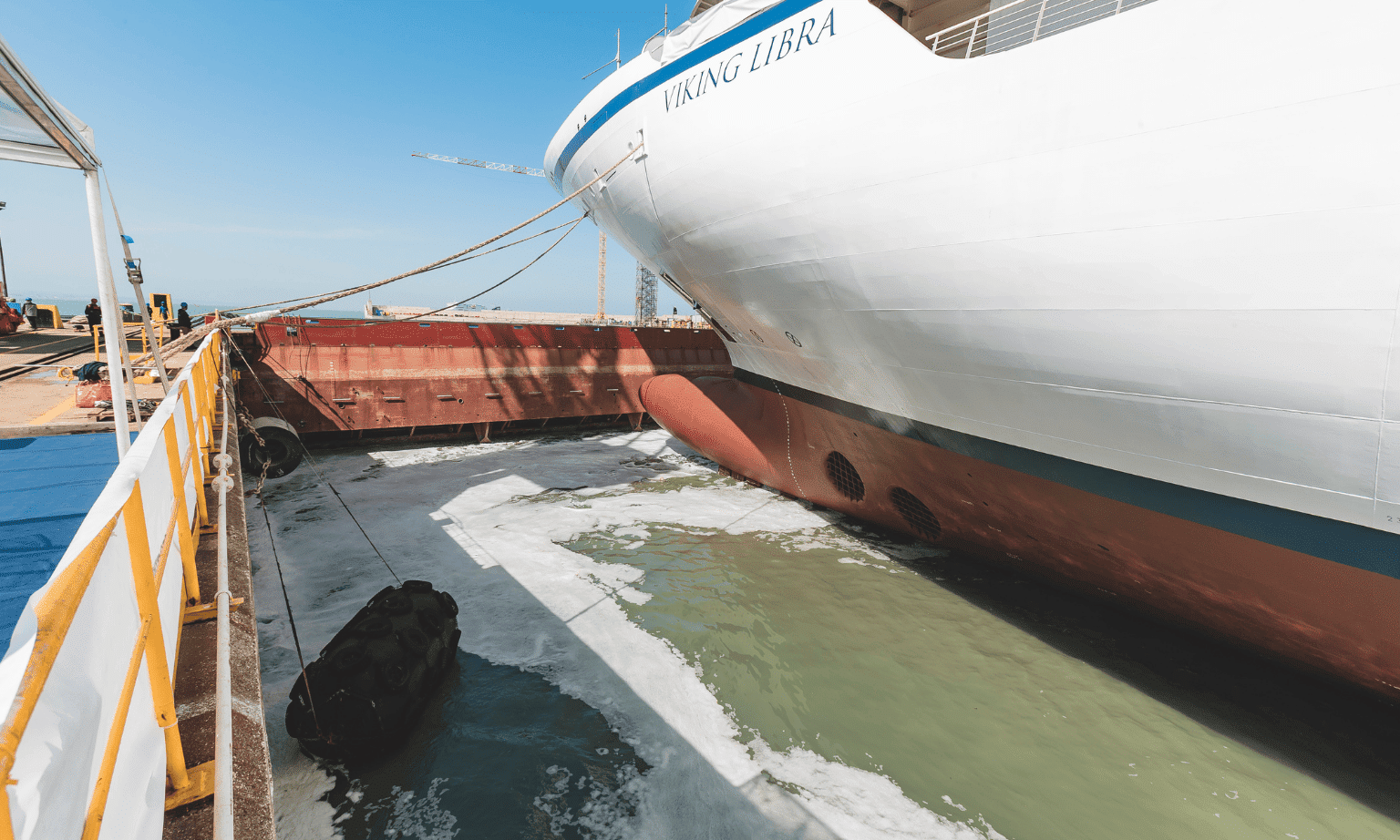
The maritime industry is at a pivotal moment, with a growing imperative to embrace sustainable practices. In a significant stride towards this goal, Viking Cruises has celebrated a major milestone with the "float out" of the Viking Libra, its groundbreaking hydrogen-powered cruise ship. This event, which occurred on March 20, 2026, at Fincantieri’s Ancona Shipyard in Italy, marks the first time the vessel has touched water. The Viking Libra is poised to become the world’s first cruise ship capable of operating with zero emissions, setting a new benchmark for environmental responsibility in the luxury travel sector.
A Historic Milestone in Sustainable Maritime Technology
The float out ceremony is a crucial step in shipbuilding, signifying the completion of the ship’s hull and its readiness to enter the water for the first time. For the Viking Libra, this moment is imbued with even greater significance as it represents a tangible realization of Viking’s commitment to pioneering greener cruising solutions. The ship, designed to accommodate 998 guests in 499 staterooms, is now set to enter the final stages of construction. Its inaugural season, scheduled to commence in November 2026, will feature itineraries across the Mediterranean and Northern Europe, destinations that increasingly prioritize environmental preservation.
Torstein Hagen, Chairman and CEO of Viking, expressed his pride and vision at the ceremony. "From the beginning, our approach to ship design has focused on reducing fuel consumption, and the Viking Libra is our most environmentally friendly vessel yet," Hagen stated. "Investing in hydrogen was a principled choice for Viking, offering a true zero-emission solution, and we look forward to welcoming the world’s first hydrogen-powered cruise ship to our fleet." This statement underscores Viking’s strategic decision to invest heavily in hydrogen technology, recognizing its potential to revolutionize the cruise industry’s environmental footprint.
The Technology Behind Zero Emissions
The Viking Libra‘s advanced propulsion system is the heart of its environmental credentials. Partially based on liquefied hydrogen and fuel cells, this innovative technology enables the ship to navigate and operate with zero emissions. This capability is not merely an environmental statement; it is a practical advantage that could allow Viking Libra to access ecologically sensitive areas that might otherwise be restricted to conventional cruise ships. The absence of harmful emissions, such as sulfur oxides (SOx), nitrogen oxides (NOx), and particulate matter, significantly reduces the ship’s impact on air and water quality, contributing to the preservation of marine ecosystems and the well-being of coastal communities.
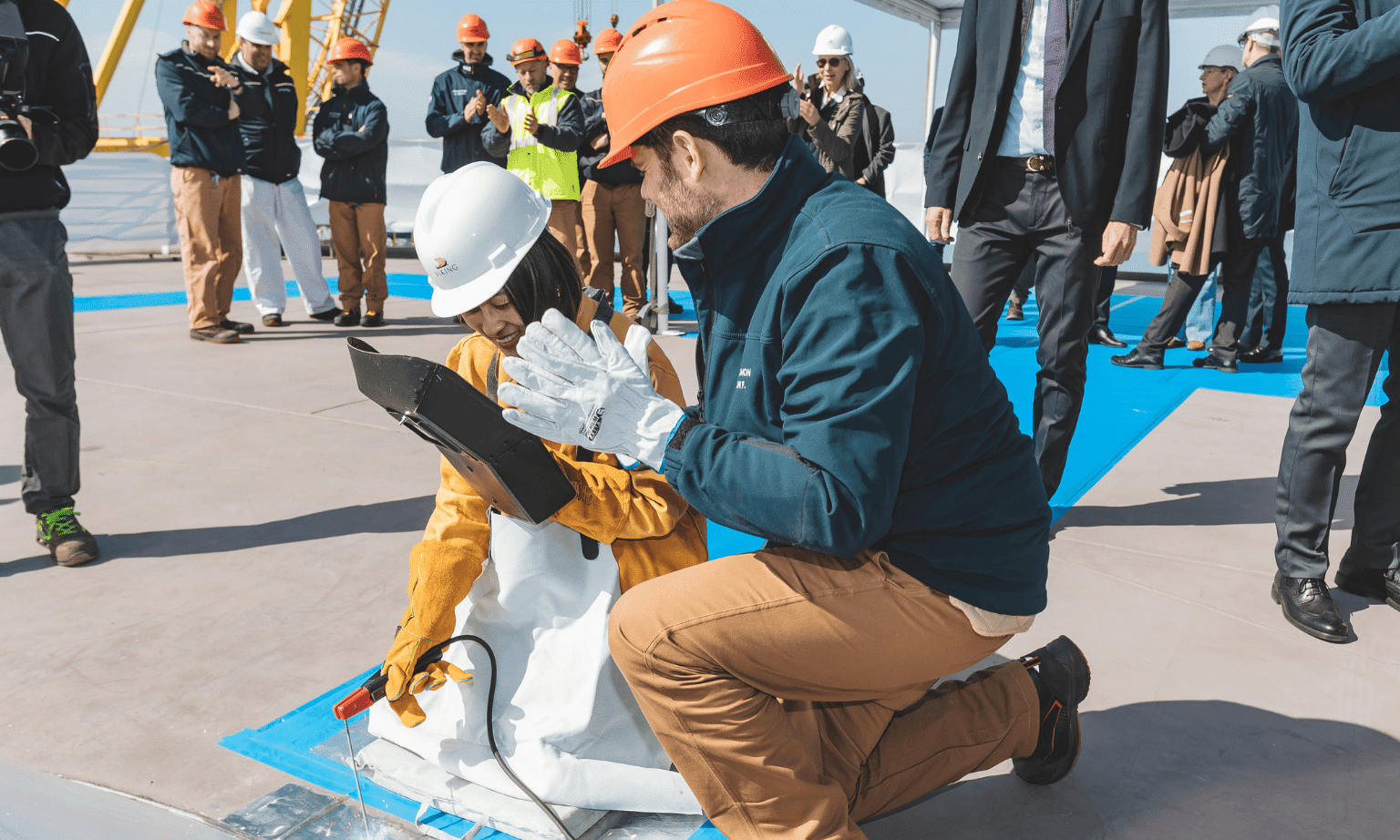
The float out process itself was a meticulously managed two-day event. It commenced with the ceremonial cutting of a cord, followed by the controlled flooding of the ship’s building dock. This gradual immersion allows the vessel to gracefully enter the water, a symbolic transition from a land-based construction environment to its maritime destiny. Following the float out, the Viking Libra will be moved to a nearby outfitting dock, where the intricate process of final construction, interior fit-out, and system integration will be completed. This phase is critical for ensuring that all onboard systems, from guest amenities to the advanced propulsion technology, function seamlessly.
A Future Powered by Hydrogen: Viking’s Ambitious Expansion
The Viking Libra is not an isolated initiative but the vanguard of a broader strategy for Viking Cruises. The company has demonstrated a clear and unwavering commitment to hydrogen-powered vessels, with further ships already under construction. The Viking Astrea, Viking’s next ocean-class ship, will also be hydrogen-powered and designed for zero-emission operation. Scheduled for delivery in 2027, the Viking Astrea will continue the momentum established by the Viking Libra, solidifying Viking’s position as a leader in sustainable maritime innovation.
The company’s long-term vision extends even further. Two additional hydrogen-powered ocean ships are slated for delivery in 2031, with an option for another two vessels in 2033. This ambitious expansion plan signals a profound shift in Viking’s fleet development, prioritizing environmentally advanced technologies over conventional propulsion. This forward-thinking approach not only addresses the growing demand for sustainable travel options but also positions Viking to meet and exceed future environmental regulations.
Industry Context and Implications
The cruise industry, historically a significant contributor to carbon emissions, is under increasing pressure from regulators, environmental organizations, and consumers to adopt more sustainable practices. The development of hydrogen-powered ships like the Viking Libra represents a potential paradigm shift. Hydrogen, when produced through renewable energy sources (green hydrogen), offers a clean fuel alternative with water as its primary byproduct. This technology holds the promise of decarbonizing the shipping sector, a notoriously challenging industry to make environmentally friendly due to its reliance on heavy fuel oil.
However, the widespread adoption of hydrogen as a marine fuel faces several hurdles. The infrastructure for producing, storing, and bunkering large quantities of hydrogen at ports worldwide is still in its nascent stages. The cost of green hydrogen production also remains a significant factor. Furthermore, the safety protocols and technical expertise required to handle hydrogen onboard large vessels are critical considerations that need continuous development and rigorous implementation.
Despite these challenges, the Viking Libra‘s launch is a powerful signal of intent. It demonstrates that the technological feasibility of zero-emission cruising is becoming a reality. The success of this initiative could catalyze further investment and innovation across the maritime sector, encouraging other cruise lines and shipping companies to explore similar sustainable solutions. The implications extend beyond environmental benefits, potentially leading to enhanced operational efficiency, improved brand reputation, and access to new markets and customer segments who prioritize eco-conscious travel.
Broader Economic and Environmental Impact
The investment in advanced technologies like hydrogen propulsion has ripple effects throughout the economy. It stimulates research and development in renewable energy, fuel cell technology, and advanced materials. It also creates new job opportunities in shipbuilding, engineering, and the renewable energy sector. For the shipbuilding industry, it represents an opportunity to pivot towards future-proof technologies and maintain competitiveness in a rapidly evolving global market.
From an environmental perspective, the potential reduction in greenhouse gas emissions from the cruise sector is substantial. If hydrogen technology becomes a widespread standard, it could significantly contribute to achieving global climate targets. The reduction in air and water pollution would also lead to healthier marine environments and improved air quality in port cities, benefiting both ecosystems and human populations.
The journey from concept to reality for the Viking Libra is a testament to Viking’s commitment to innovation and sustainability. As the ship embarks on its maiden voyages, it will serve not only as a luxurious travel experience for its guests but also as a beacon of progress, illuminating the path towards a cleaner, more sustainable future for the entire maritime industry. The successful integration and operation of this pioneering vessel will be closely watched, with its performance likely to shape the trajectory of sustainable cruising for years to come. The float out of the Viking Libra is more than just a maritime event; it is a significant marker in the global transition towards a greener economy.




 Anjar Salim
 Tatiana Tantri Indah Sari
 Budi Mulyono
