
 Anjar Salim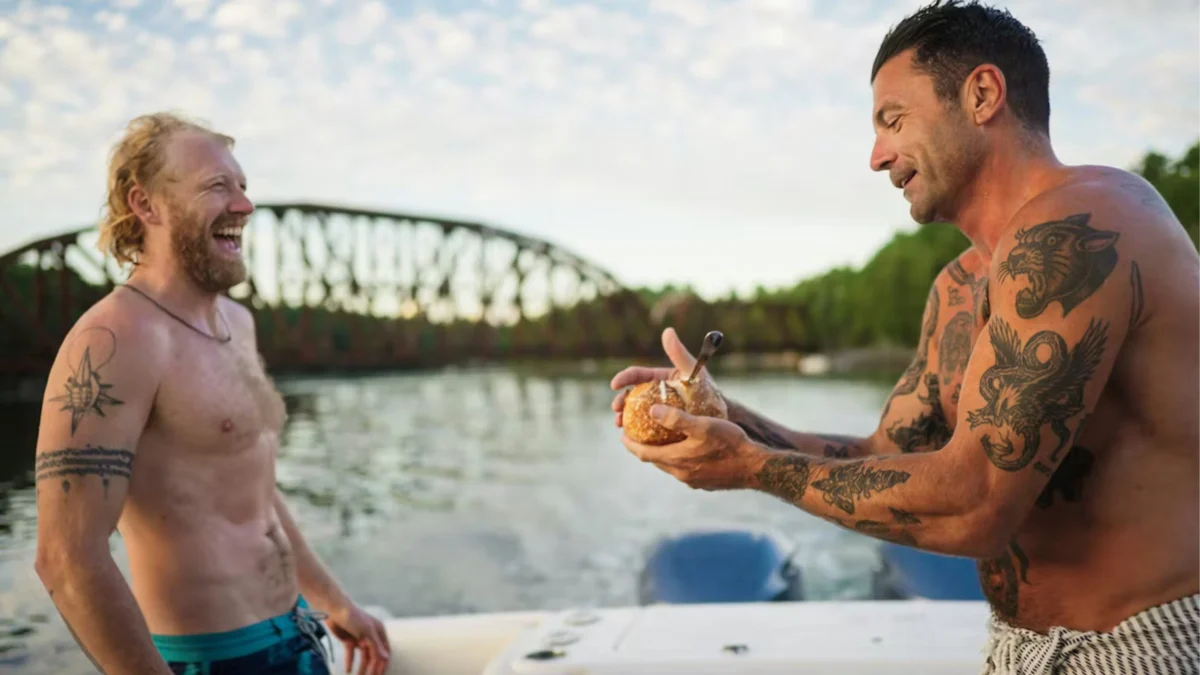
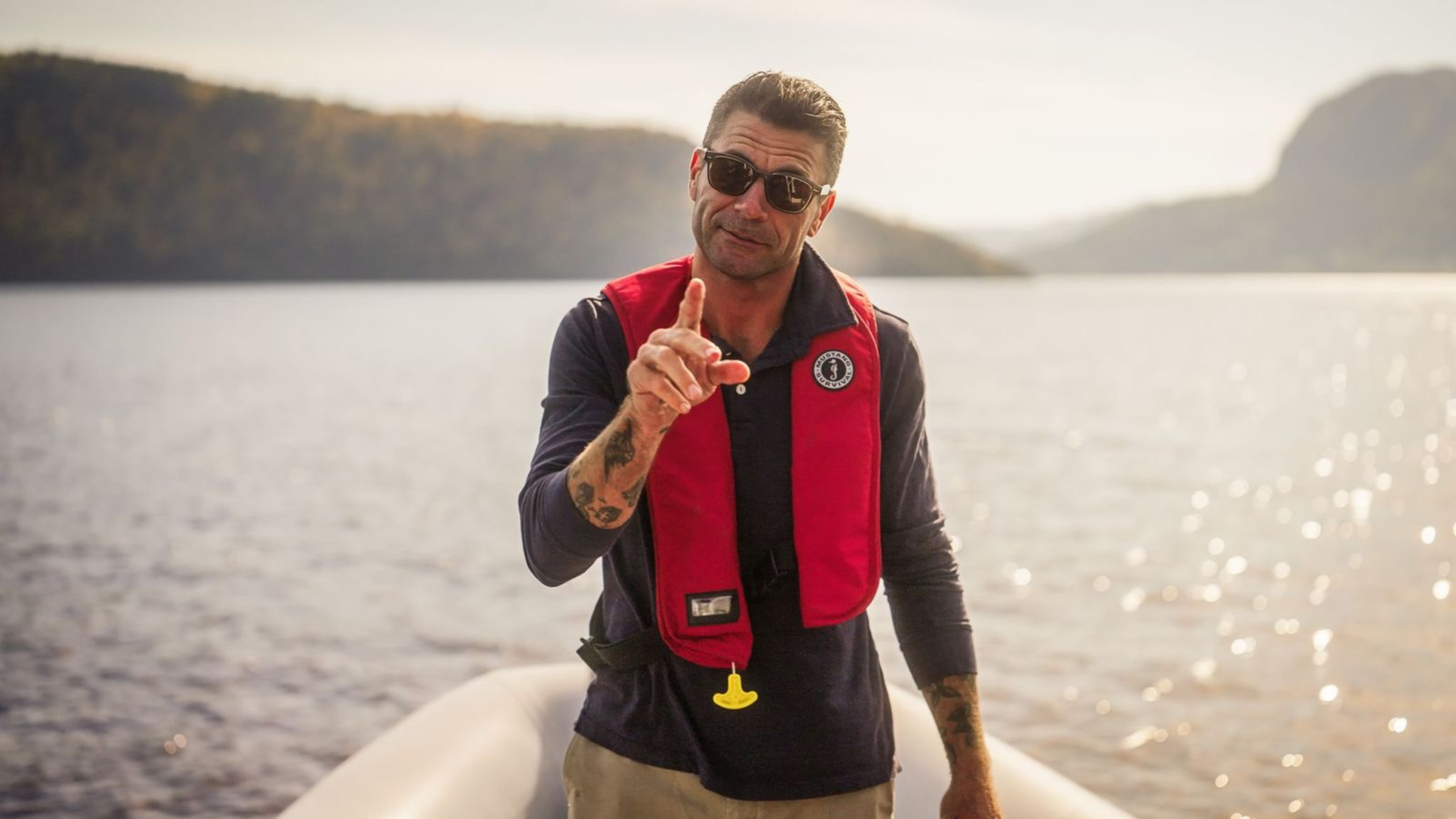
Josh Rosen, a former professional snowboarder turned entrepreneur and media personality, has undergone a significant career evolution that culminates in his current role as the host of Dirt, a travel and adventure series produced by the outdoor lifestyle brand Huckberry. Since its inception, the series has moved beyond the traditional boundaries of travel television, focusing on the intersection of food cultures, regenerative agriculture, and the raw human experiences found in remote corners of the globe. As of March 2026, the production team has logged nearly 200 days on the road, immersing themselves in 16 distinct cultures to document the stories of local farmers, chefs, and artisans.
The series is characterized by its unscripted nature and its emphasis on "true reality," a departure from the highly produced formats common in contemporary lifestyle media. Rosen, alongside director and producer Kate West, has cultivated a narrative style that prioritizes spontaneous connection over planned segments. This approach has not only defined the show’s aesthetic but has also served as a transformative vehicle for Rosen himself, who describes the project as a pivotal shift in his personal and professional trajectory.
The Professional Evolution of Josh Rosen
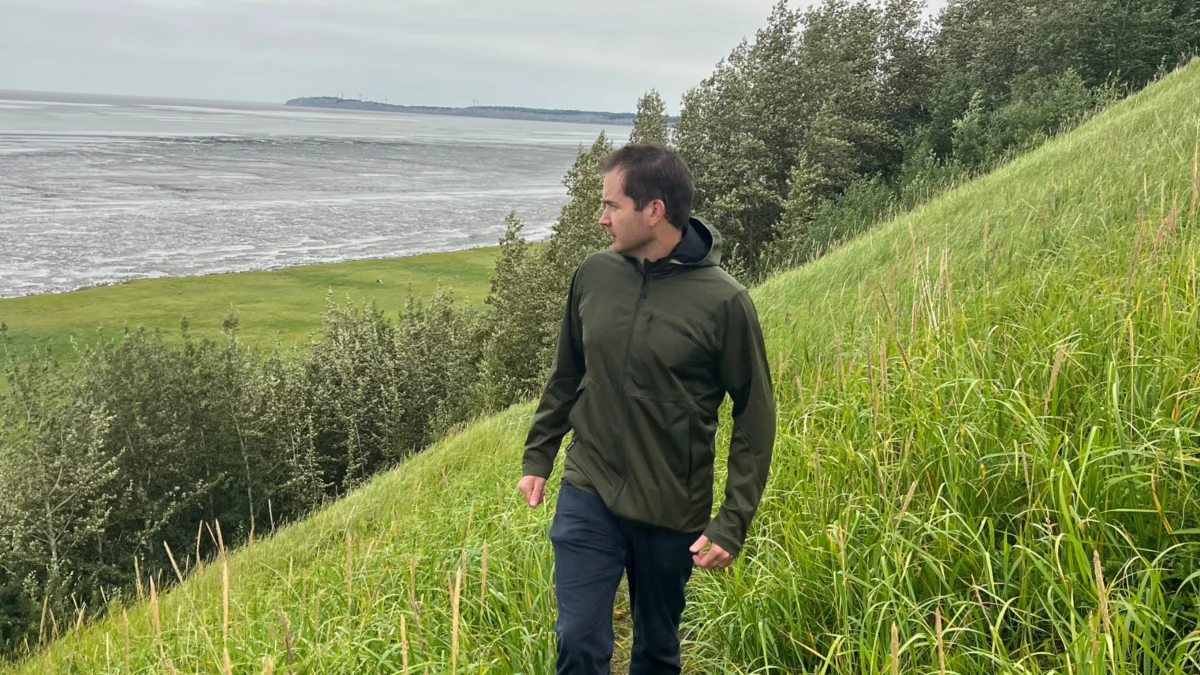
To understand the impact of Dirt, it is essential to examine the professional background of its host. Rosen’s career began in the high-stakes world of professional snowboarding, a field he entered in his late teens. During his tenure as an athlete, Rosen established himself as a prominent figure in the action sports community, a passion he continues to pursue. Even as his professional focus has shifted toward media and apparel, Rosen remains active in the sport, recently conducting interviews from remote locations such as the Alaskan backcountry.
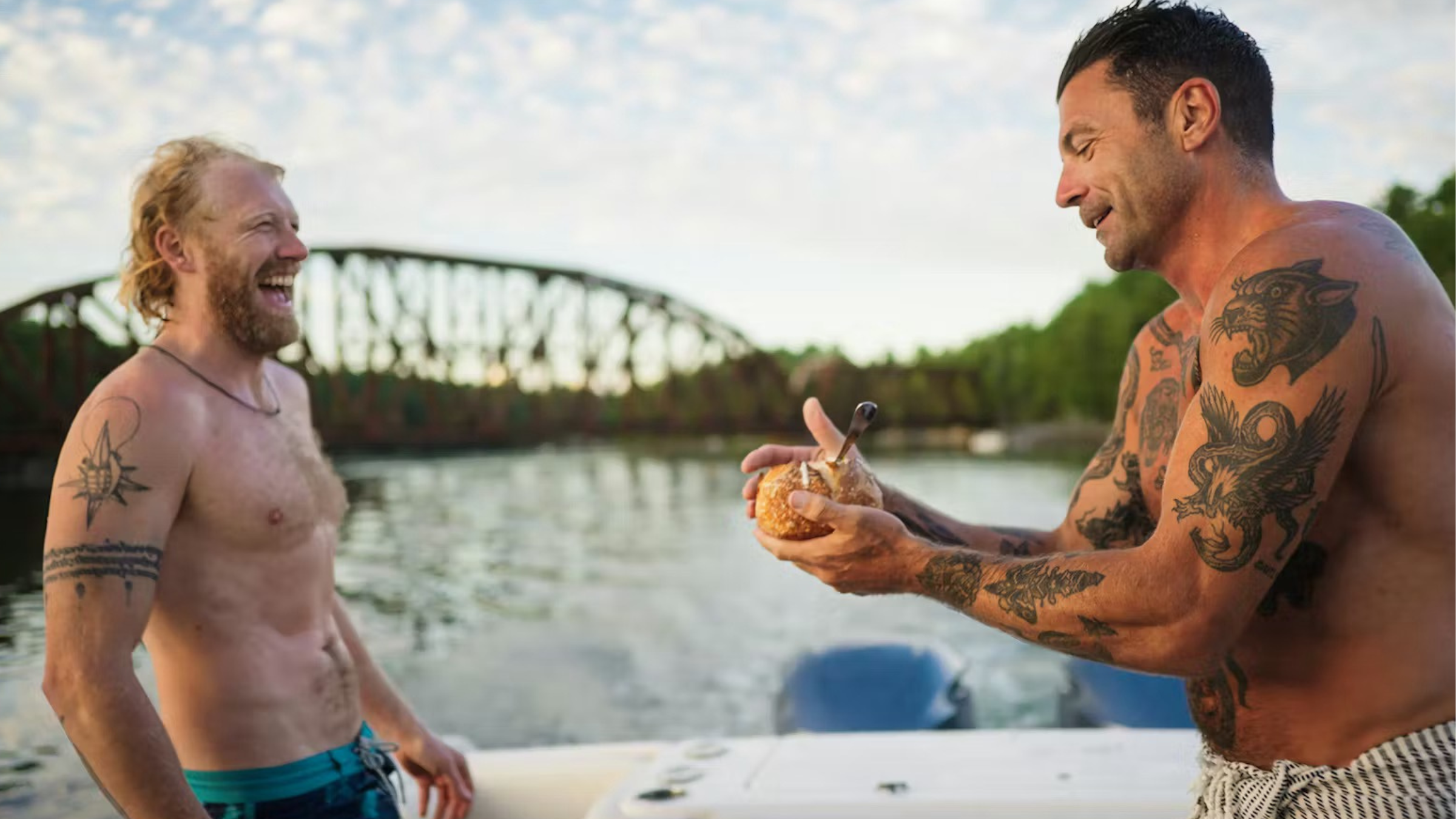
Following his retirement from full-time professional snowboarding, Rosen transitioned into the fashion and apparel industry. He was a co-founder of Saturdays Surf NYC (now known as Saturdays NYC), a brand that gained international acclaim for blending coastal surf culture with the minimalist, urban aesthetic of New York City. The brand’s success in the 2010s marked Rosen’s transition from an athlete to a sophisticated curator of lifestyle and design. However, by 2018, Rosen sought a new direction that would allow for more direct engagement with global travel and storytelling.
The genesis of Dirt can be traced back to a serendipitous meeting in New York City. Kate West, then the director of Stoked Mentoring—a nonprofit organization dedicated to empowering underserved youth through action sports—rented space in Rosen’s retail storefront for a community event. This initial interaction established a creative rapport that would remain dormant until both parties independently relocated to the American West—Rosen to Seattle and West to Jackson Hole, Wyoming.
The Conception and Production of Dirt
In 2021, the partnership between Rosen and West formalized under the auspices of Huckberry. The vision for the series was a synthesis of their respective backgrounds: Rosen provided the appetite for adventure and the "on-camera" charisma, while West brought the disciplined eye of an independent filmmaker and a desire to explore deep-seated cultural narratives.
The production of Dirt is notably rigorous. The crew operates with a "no-script" mandate, allowing the environment and the people they encounter to dictate the flow of each episode. This methodology has led to unique cultural exchanges, such as an impromptu cliff-jumping excursion with a Māori guide in New Zealand or unplanned visits to family-run farms in rural landscapes. West describes the production philosophy as following a "trail of curiosity," where the primary goal is to find the "hunt that pays off"—a narrative arc that begins with a question and ends with a communal meal.
Culinary Philosophy and the "Final Meal"
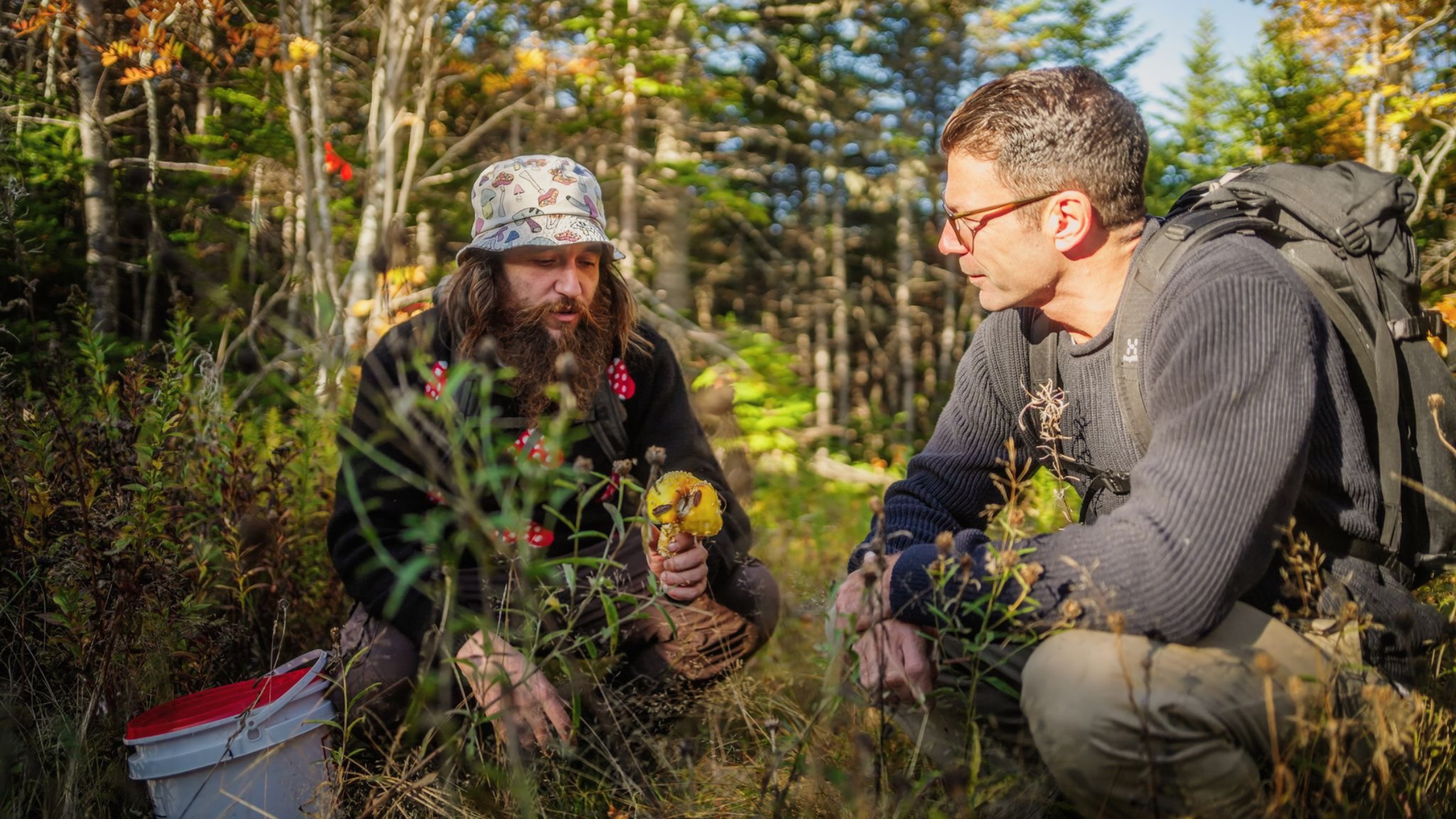
At the heart of every Dirt episode is a focus on food as a medium for cultural understanding. The show follows a consistent structural element known as the "final meal." In this segment, Rosen assists in harvesting local ingredients—often through traditional or labor-intensive methods—and brings them to a featured chef. This process highlights the concept of "farm-to-table" in its most literal sense, emphasizing the relationship between the land, the health of the ecosystem, and the quality of the resulting cuisine.
Rosen’s observations during filming have led to a broader analysis of global food systems. He notes a stark contrast between the commercial "organic" industry in the United States and the subsistence-based or traditional farming practices found in the regions he visits. A recurring theme in the series is the biological principle that "you are what the thing you’re eating ate." This focus on nutrient density and animal husbandry explores how wild pastures, rich in clover and native grasses, produce superior dairy and meat products compared to industrial alternatives.
Case Study: The Cultural Isolation of Newfoundland
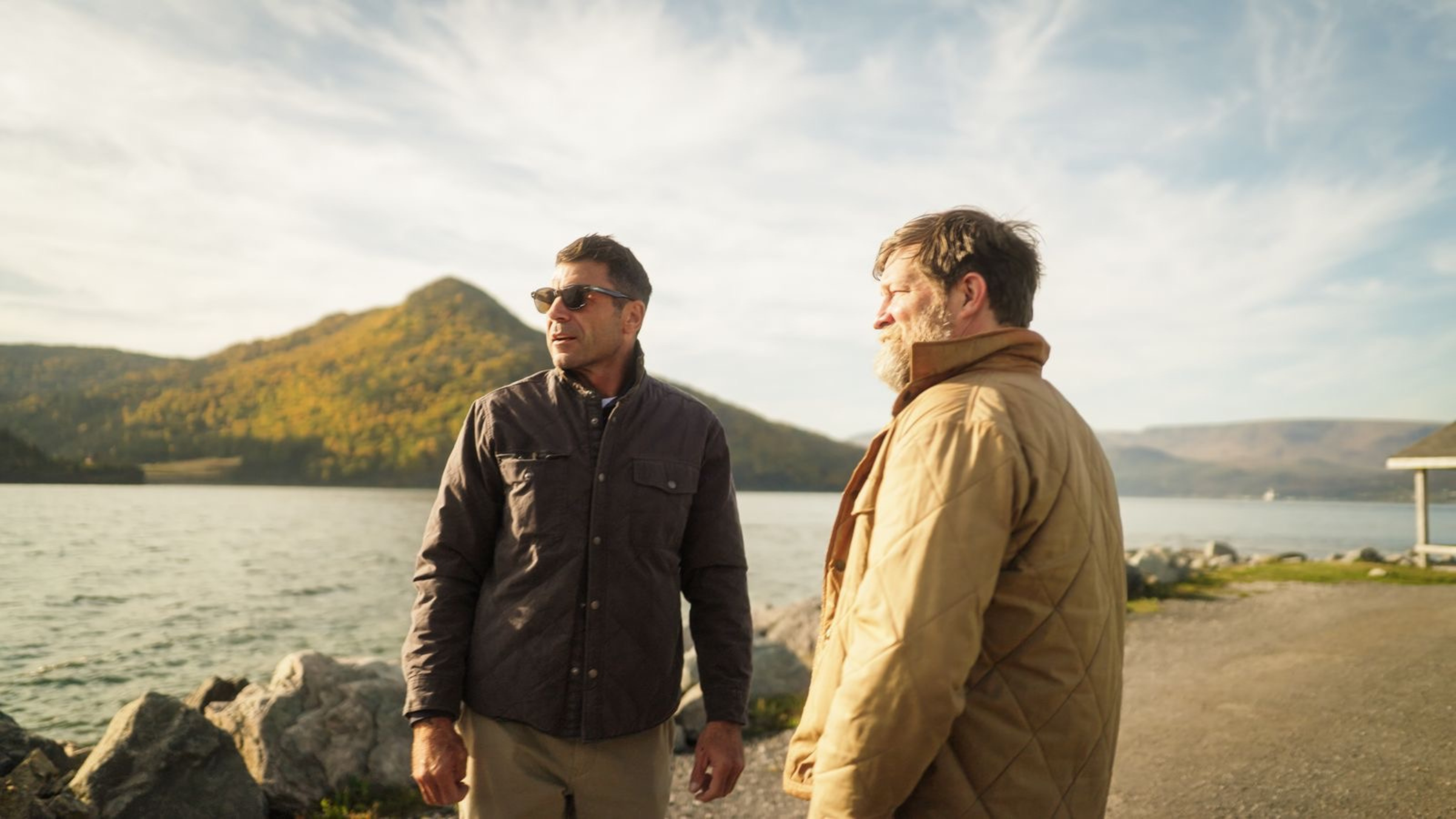
The most recent installment of the series, filmed in Newfoundland, Canada, serves as a primary example of the show’s mission to uncover "isolated" cultures. Despite its proximity to the North American mainland, Newfoundland remains a logistically challenging destination, requiring extensive travel time and offering little in the way of traditional tourism infrastructure.
Rosen identifies Newfoundland as one of the most culturally distinct locations the team has visited. The province’s history is deeply rooted in the fishing and beekeeping industries, with a population that has maintained a resilient, self-sufficient lifestyle for generations. Because the region experiences long, harsh winters, the local culinary tradition relies heavily on preservation techniques, such as root cellars and salt-curing.
A focal point of the Newfoundland episode is the history of the salt cod trade. The dish, a local staple, is the result of a centuries-old trade route between Newfoundland and the Caribbean. Newfoundlanders traded salt-cured cod for Caribbean rum and sugar, creating a unique culinary fusion that persists today. The process of reconstituting salt cod and mixing it with potatoes and butter is described by Rosen as a "romantic" testament to the historical necessity of global trade routes.
Supporting Data: The Rise of Adventure and "Authenticity" Media
The success of Dirt reflects a broader trend in media consumption and brand marketing. In the mid-2020s, there has been a documented shift away from polished, high-gloss travel programming in favor of "grit-and-grain" content that emphasizes authenticity and environmental consciousness.
Data from media analytics firms suggests that audiences in the 25-45 demographic are increasingly seeking content that combines "soft skills" (storytelling, empathy, cultural awareness) with "hard skills" (foraging, outdoor survival, traditional cooking). Huckberry’s investment in Dirt aligns with a "content-plus-commerce" strategy, where the brand provides high-quality entertainment that reinforces its identity as a purveyor of durable goods and adventurous lifestyles. By allowing viewers to "shop the gear" seen in each episode, the brand closes the loop between inspiration and consumption without sacrificing the integrity of the storytelling.
Official Responses and Human Impact
The impact of the series extends beyond viewership metrics. For Kate West, the production of Dirt is a mission-driven endeavor. As a mother, West has stated that her motivation is to provide a perspective on the world that encourages wonder and reduces the fear of the "other." She views the human connections made on set as a spiritual pursuit, arguing that the meaning of life is found in recognizing things larger than the individual.
Rosen’s reaction to the project is equally profound. He credits the show with helping him "shed ego" and broaden his horizons. The transition from the self-centric world of professional athletics to the community-centric world of global storytelling has, according to Rosen, provided him with a permanent vocational home. "I’ve found it," Rosen told reporters, referring to the "heart" of his life’s work.
Broader Implications and Future Outlook
The continued production of Dirt suggests a healthy appetite for long-form, thoughtful travel media in an era often dominated by short-form social media clips. The show’s ability to bridge the gap between action sports, high fashion, and traditional agriculture speaks to a growing intersectionality in modern lifestyle branding.
New episodes of Dirt are scheduled to be released in mid-April 2026. The series will continue to be available on Outside TV, as well as via the Outside channel on major streaming platforms including Samsung TV Plus and Roku. As the team prepares for future expeditions, the focus remains on uncovering the "vibrant cultures" that exist away from the beaten path, proving that the most compelling stories are often found in the dirt.
By focusing on the "unfiltered" experiences of those who live close to the land, Rosen and West are not merely producing a travel show; they are documenting a disappearing world of traditional knowledge and local resilience. In a globalized economy, the "romantic" trade routes and root cellars of places like Newfoundland represent a vital link to a more connected and sustainable human history. For Josh Rosen, the journey from the podiums of snowboarding to the kitchens of global farmers is complete, marking a new chapter in the narrative of the modern adventurer.


 Chandra Hamzah
 Tatiana Tantri Indah Sari
 Budi Mulyono
