
 Lukman Taruna Persada Ramadan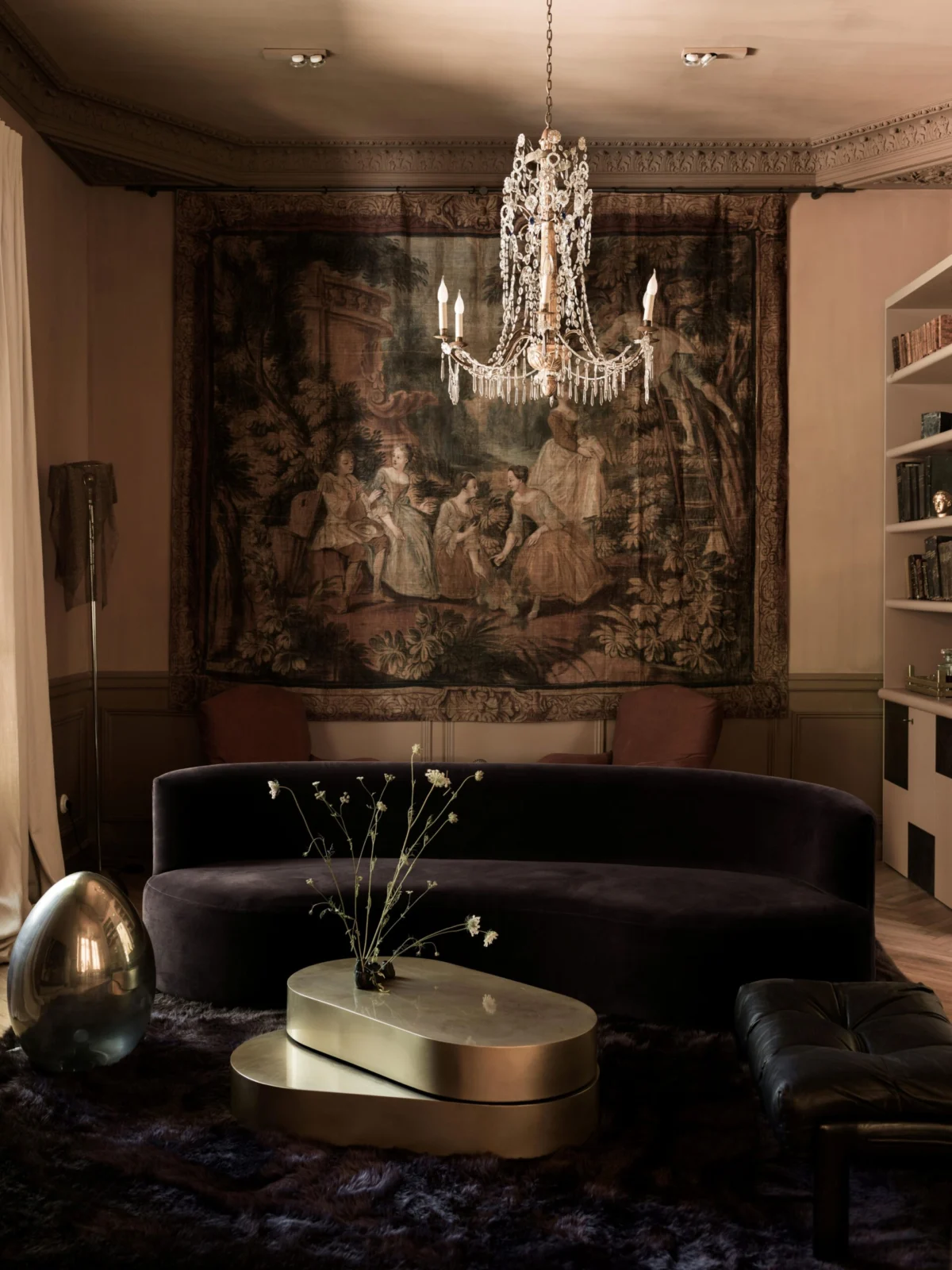
In a significant stride towards redefining luxury hospitality, Marianne Tiegen Interiors has unveiled the meticulously reimagined Château La Banquière, nestled amidst the tranquil beauty of a sprawling park, framed by ancient vineyards and venerable oak trees near the historic city of Montpellier, France. This ambitious transformation, which commenced in 2023, culminates in April with the opening of the château rooms, followed by the full unveiling of the entire domaine in June, promising a hospitality experience where architectural grandeur, landscape serenity, and textile artistry converge in a quiet, contemporary expression of sustainable opulence.
Château La Banquière: A Legacy Reimagined
Château La Banquière, a name that evokes a rich, storied past, stands as a testament to centuries of French heritage. While specific historical records detail its origins vary, many châteaux in the Occitanie region trace their lineage back to medieval strongholds or Renaissance estates, often evolving through generations of aristocratic families or wealthy merchants. These estates were typically self-sustaining, encompassing vast agricultural lands, including vineyards that have defined the region’s economic and cultural identity for millennia. The transformation of such a venerable property into a modern hospitality destination requires a delicate balance between preserving its historical integrity and infusing it with contemporary relevance. Situated within the sun-drenched landscapes of Occitanie, a region renowned for its vibrant history, rich winemaking traditions, and proximity to the Mediterranean coast, the château benefits from a strategic location. Montpellier itself is a dynamic urban center with a thousand years of history, boasting a prestigious university, a thriving cultural scene, and a picturesque old town. The surrounding area is a mosaic of rolling vineyards, charming villages, and natural parks, making it an increasingly desirable destination for discerning travelers seeking both cultural immersion and tranquil escapes. The decision to convert Château La Banquière into a luxury hotel taps into a growing market for experiential travel, where guests seek authentic encounters rooted in local culture and history, combined with unparalleled comfort and service. The project is not merely a renovation but a revitalization, ensuring the château’s legacy continues to flourish in a new, accessible form.
Marianne Tiegen: Visionary of Sustainable Luxury
At the helm of this transformative project is Marianne Tiegen Interiors, a design studio celebrated for its distinctive approach that marries sophisticated aesthetics with a deep commitment to sustainable practices. Tiegen’s philosophy centers on creating spaces that resonate with authenticity, timelessness, and a profound respect for their environment and heritage. Her work often emphasizes natural materials, artisanal craftsmanship, and a narrative-driven design process, distinguishing her in a world often dominated by fleeting trends. For Tiegen, luxury is not about ostentation but about quality, provenance, and the enduring beauty of things made with care and intention. This ethos is particularly evident in her approach to Château La Banquière, where every design choice reflects a commitment to minimizing environmental impact while maximizing sensory richness. Her team, including dedicated assistants, has been immersed in the project since 2023, meticulously overseeing every detail from structural renovations to the selection of the finest textiles. Tiegen views this project as a manifesto, challenging conventional notions of luxury and proposing an alternative path where sustainability is not a compromise but the very foundation of true elegance. She posits that in an era of mass production and rapid consumption, the true value lies in craftsmanship, authenticity, and rarity—qualities that are inherently sustainable and provide a more profound, lasting experience.

The Art of Textile Integration: Beyond Decoration
The core of Château La Banquière’s design narrative lies in the strategic and innovative use of textiles. Unlike traditional interior design where fabrics often serve a purely decorative role, Tiegen’s vision elevates textiles to "spatial anchors." In each of the 25 guestrooms, textiles are not mere adornments but fundamental elements that engage in a constant dialogue with natural light and the surrounding landscape. This interplay of stone, wood, and fabric animates the spaces throughout the day, transforming their character with the shifting sun. The design brief for the guestrooms focused on creating environments that exude intimacy and comfort, mirroring the warmth typically found only in private homes, without overwhelming the château’s classical architecture. This was achieved by strategically deploying textiles in key applications:
- Canopies: Offering a sense of enclosure and grandeur, traditional bed canopies are reinterpreted with contemporary lightness.
- Screens: Fabric screens are used to define zones within rooms, offering privacy while maintaining an open, airy feel.
- Bed Throws: Luxuriously textured throws add tactile warmth and visual depth, inviting relaxation.
- Wall Panels: Softening acoustics and adding layers of texture, fabric wall panels contribute to the serene ambiance.
These elements collectively contribute to an immersive experience, where the tactile qualities of the fabrics invite guests to connect more deeply with their surroundings. The careful consideration of how textiles absorb and reflect light, how they drape and fall, and how they contribute to the overall acoustic environment demonstrates a sophisticated understanding of interior space and human comfort.
A Palette Rooted in the Land: Natural Dyes and Local Sourcing
The textile palette at Château La Banquière is a direct homage to its Mediterranean context, a deliberate choice that underscores the project’s commitment to local sourcing and natural sustainability. Working closely with botanical dyers and local specialists, Tiegen’s team developed a unique range of shades derived directly from the region’s flora. This process is not only environmentally responsible, eschewing synthetic chemicals, but also imbues the fabrics with a distinct character that reflects the very soil and spirit of the domaine.
- Blush from Grape Seeds: Perhaps the most poignant example of this local connection is the "Blush" shade, meticulously extracted from grape seeds harvested directly from the château’s own vineyards. This innovative use of a byproduct of winemaking highlights a circular design philosophy, transforming waste into beauty and imbuing the textiles with a direct link to the estate’s agricultural heritage.
- Warm Coral and Apricot from Madder Root (Garance): Madder root has been used for centuries across the Mediterranean for its ability to produce rich reds, oranges, and corals. Its inclusion in the palette evokes the warm, sun-drenched hues of Provence and the wider Mediterranean landscape, adding vibrancy and depth.
- Soft Blues and Greys from Woad (Pastel des Teinturiers): Woad, historically significant in France as "pastel," was a major cash crop in the Languedoc region during the Middle Ages, producing a distinctive indigo blue. Its use here connects the interior design to a deep historical thread of local industry and natural dyeing tradition, offering calming, ethereal tones that balance the warmer shades.
The selection of these natural dyes is a conscious decision to move away from industrial processes, reducing the environmental footprint and supporting traditional craft. This approach also results in subtle variations in color and texture, making each piece unique and contributing to the authentic, lived-in feel of the château.

Echoes of History: Antique Fabrics and Artisan Craftsmanship
Beyond the freshly dyed fabrics, the interior design of Château La Banquière is enriched by a curated selection of antique textiles, each piece telling a story of bygone eras. Sourced through a long-established network of collectors and dealers, these fabrics include exquisite Provençal damasks, Venetian block-prints, and even couture-surplus textiles. This conscious decision to integrate vintage materials serves multiple purposes: it champions a circular economy by giving new life to existing resources, it preserves historical craftsmanship, and it imbues the spaces with an unparalleled sense of authenticity and depth that new materials simply cannot replicate.
The treatment of these antique materials exemplifies Tiegen’s reverence for history. Where original château materials were fragile, they were either meticulously restored, carefully backed with light cotton for support, or, in instances where perfect repair was not possible, embraced as "imperfect surfaces." This approach celebrates the patina of age and the stories etched into every thread, repairing rather than disguising imperfections, thereby honoring the object’s journey through time.
The project also marks a deliberate return to traditional European artisan skills, many of which were once confined to the rarefied world of haute couture ateliers. The château showcases:
- Woven Belgian Linens: Renowned for their quality and durability, these linens bring a natural elegance.
- Hand-Printed Serigraphs from Historic Lyon Workshops: Lyon has a centuries-old tradition in silk and textile production, and these serigraphs represent a continuation of that artistic heritage.
- Block-Printed Venetian Fabrics: These fabrics evoke the grandeur and artistic flair of historical Venice, a city famed for its luxurious textiles.
- Embroidered Panels: Decorated with haute couture techniques, these panels are a testament to the meticulous skill and artistry of specialized craftspeople.
A particularly charming and symbolic detail is the project’s signature motif: a subtle bee rendered in the Pont de Beauvais stitch. This stitch, a classic French embroidery technique, adds a touch of refined elegance. The bee itself is a powerful symbol, representing biodiversity, community, hard work, and the regenerative spirit—values that are central to Château La Banquière’s philosophy and its connection to the surrounding natural environment. It subtly ties together the estate’s commitment to ecological balance and its circular design principles.
Designing for Longevity and Experience: Practicality Meets Grandeur

A hallmark of Tiegen’s sustainable luxury approach is the emphasis on longevity and practicality, seamlessly integrated with aesthetic grandeur. The design of elements like bed canopies, privacy screens, and bed throws incorporates smart engineering, anchoring them in robust metal frames or removable structures. This innovative design ensures not only their aesthetic integrity but also their enduring functionality and ease of maintenance.
- Durability: The use of high-quality, natural materials and robust construction methods means these elements are built to last, resisting wear and tear far beyond the lifespan of typical hotel furnishings.
- Maintenance and Repair: Crucially, these textile elements can be easily unfastened, cleaned, repaired, or even redyed over time. This modularity stands in stark contrast to the often disposable nature of conventional hotel décor. Instead of replacing items when they show signs of age or wear, they can be rejuvenated, extending their life cycle and reducing waste.
- Adaptability: The ability to redye fabrics also offers future flexibility, allowing the spaces to evolve subtly over decades without requiring a complete overhaul, ensuring the design remains fresh and relevant while honoring its original intent.
This foresight in design ensures that Château La Banquière is not just beautiful upon opening but is designed to age gracefully, acquiring more character and beauty over time. For guests, this translates into an experience of understated luxury, where every detail feels thoughtfully considered and enduring. The spaces invite a sense of calm and rootedness, allowing visitors to fully immerse themselves in the tranquility and history of the estate, fostering a deeper connection to their surroundings.
A New Paradigm for Hospitality: Implications and Future Outlook
Château La Banquière stands as a powerful statement in the evolving landscape of luxury hospitality. In an era where discerning travelers increasingly seek authentic, meaningful experiences with a conscious footprint, the project provides a compelling model for what "sustainable luxury" truly means. It challenges the notion that eco-consciousness must equate to austerity, demonstrating instead that it can be synonymous with unparalleled craftsmanship, deep historical resonance, and profound beauty.
Marianne Tiegen articulates this vision clearly: "Luxury today faces an identity crisis. Its renewal lies in craftsmanship, authenticity, and rarity. With La Banquière, we show that sustainability can be a form of true luxury, rooted in nature, in history, and in care." This sentiment encapsulates the project’s broader implications.
- Industry Influence: The Château La Banquière project is poised to become a benchmark for the hospitality industry, inspiring other developers and designers to adopt more sustainable and culturally sensitive practices. It highlights the economic viability and growing demand for ethically sourced, handcrafted, and durable solutions in high-end environments.
- Economic Impact: The reliance on local botanical dyers, regional artisans, and a network of antique dealers provides a significant boost to local economies and supports the preservation of traditional skills that might otherwise fade. This creates a virtuous cycle where the château’s success directly benefits the community it inhabits.
- Cultural Preservation: By meticulously restoring antique elements and reviving traditional craftsmanship, the project actively contributes to the preservation of French cultural heritage, ensuring that historical materials and techniques are not only remembered but actively utilized and appreciated.
- Environmental Stewardship: From the use of natural dyes derived from vineyard byproducts to the design of easily maintained and repairable textile elements, the project embodies principles of circular design, minimizing waste and maximizing resource efficiency.
The long-term vision for Château La Banquière is one of enduring beauty and evolving narrative. As Tiegen eloquently predicts, "In 20 or 30 years, the fabrics, colors and textures of La Banquière will tell their own story, one of place, of patience, of beauty lived in." This anticipation of a living, breathing space that deepens in character over time is perhaps the ultimate expression of sustainable luxury—a legacy crafted not just for today’s guests, but for generations to come.

Phased Opening and Anticipation
The grand unveiling of Château La Banquière will unfold in two carefully planned phases, building anticipation for this unique destination. The initial phase, set for April, will see the opening of the exquisite Château rooms, offering guests their first opportunity to experience the meticulously reimagined interiors and the tranquil ambiance of the estate. Following this, June will mark the full opening of the entire domaine, providing access to a wider array of accommodations. This includes the elegant Castle rooms, the charming Village rooms—each designed with its own distinct character—and a secluded cottage on the property, perfect for those seeking ultimate privacy. This phased approach allows for a meticulous final preparation and ensures that every aspect of the guest experience meets the exceptionally high standards set by Marianne Tiegen Interiors and the château’s visionaries. The complete domaine promises a comprehensive luxury retreat, inviting guests to explore the vast grounds, indulge in regional culinary delights, and immerse themselves in the sustainable elegance that defines Château La Banquière.



 Anjar Salim
 Chandra Hamzah
 Tatiana Tantri Indah Sari
 Budi Mulyono

