
 Lukman Taruna Persada Ramadan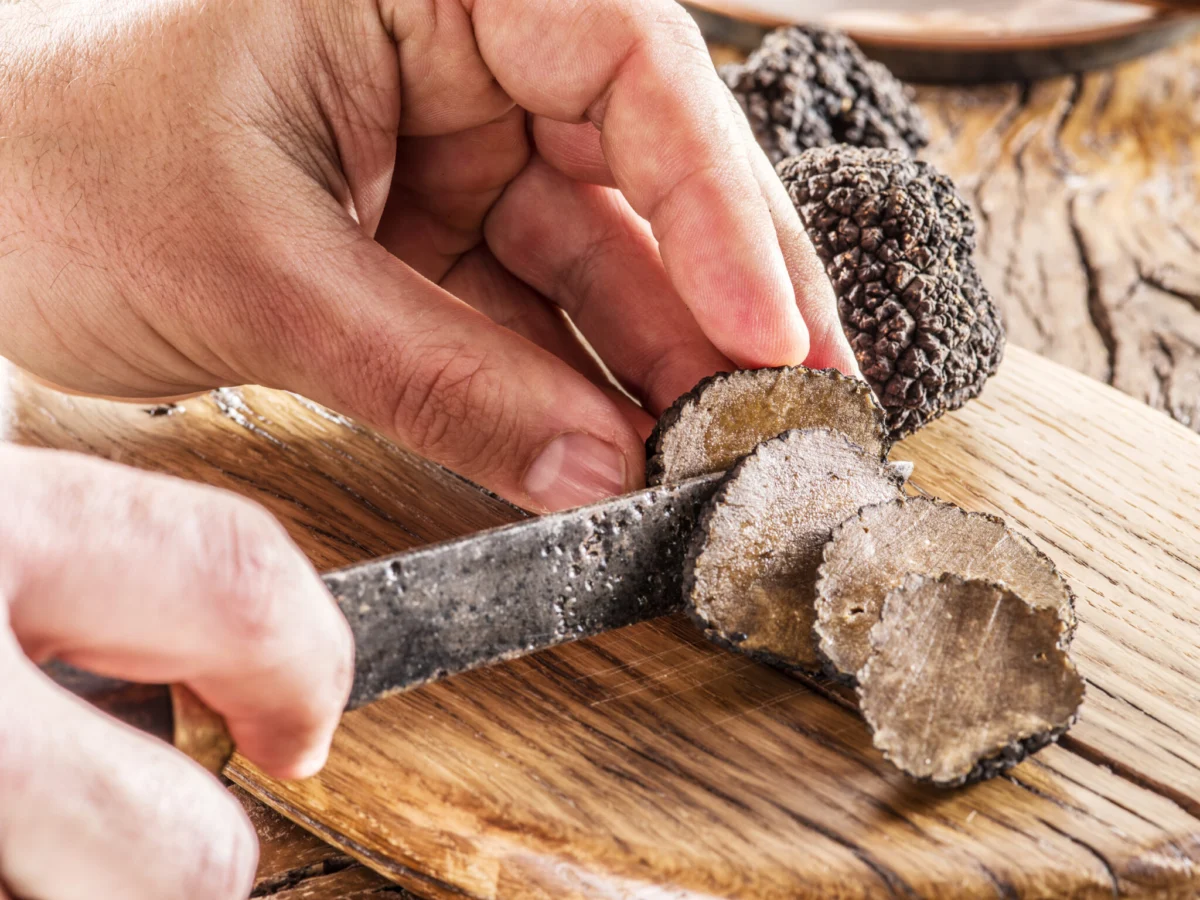
Now integral to the culinary travel experience, foraging tours are captivating a growing segment of travelers who prioritize sustainability, local flavors, and an immersive connection with the natural world. This burgeoning trend, identified as a key component of "hushed hobbies" in Booking.com’s Travel Predictions 2026 report, reveals a significant shift in traveler preferences, with a striking 69 percent expressing interest in accommodations that facilitate direct engagement with nature for their meals. This data underscores a profound desire among modern tourists to move beyond passive observation, seeking instead active participation in the provenance of their food and a deeper understanding of ecological systems.
The Evolution of a Primal Pursuit into a Modern Luxury
Foraging, once a necessity for survival, has undergone a remarkable transformation, evolving into a sophisticated leisure activity and a cornerstone of experiential tourism. Historically, humans have gathered wild edibles for sustenance, medicine, and cultural rituals across diverse landscapes. From indigenous communities in the Amazon rainforest to rural villagers in the European countryside, the knowledge of wild flora and fauna has been passed down through generations, forming an intrinsic link between people and their environment.
The late 20th and early 21st centuries saw a gradual resurgence of interest in foraging, initially driven by a counter-culture movement seeking self-sufficiency and a return to nature. Pioneers like "Wildman" Steve Brill, who began leading edible walks in New York City’s Central Park decades ago, laid foundational groundwork, demonstrating that even urban environments held a wealth of overlooked edibles. However, the recent acceleration of this trend in the travel sector is fueled by several contemporary factors: a heightened awareness of environmental issues, a quest for authentic and unique travel narratives, a growing demand for farm-to-table (or rather, forest-to-table) dining experiences, and a desire for digital detox amidst natural serenity. The COVID-19 pandemic further amplified this yearning for outdoor activities and local exploration, pushing foraging from a niche pursuit to a mainstream travel phenomenon.
Today’s foraging tours are far more refined than their predecessors. Travelers are increasingly seeking out the expertise of certified mycologists, seasoned botanists, and indigenous knowledge holders. These guides not only ensure the safe identification of wild foods but also provide invaluable insights into the intricate ecosystems that sustain them. This emphasis on expert guidance highlights a conscious shift towards responsible and educational engagement with nature, mitigating risks associated with amateur foraging and fostering a deeper respect for biodiversity.
A Global Tapestry of Foraging Adventures

The diversity of foraging experiences now available reflects the varied biomes and culinary traditions across the globe. From the pristine forests of Scandinavia to the rugged coastlines of North America, specialized tour operators are crafting unique itineraries that immerse participants in local foodways.
In the Nordic regions, the hunt for elusive truffles and wild mushrooms has become a significant draw. Companies like Arctic GM in Finland offer expeditions deep into the boreal forests, where participants learn the art of discerning edible fungi amidst ancient trees. These tours often coincide with the vibrant autumn season, when the forest floor teems with chanterelles, porcinis, and other prized species. Similarly, Sweden has emerged as a prime destination for extended wild food experiences. Forest To Plate, for instance, organizes multi-day wild food tours, including an immersive eight-day journey across the Swedish landscape, allowing guests to delve into various foraging techniques and regional culinary traditions. These longer excursions offer a comprehensive education in sustainable harvesting and preparation, fostering a profound connection to the land.
Across the Atlantic, the North American continent offers a rich mosaic of foraging opportunities. Along the rugged coast of New Hampshire, Edible Excursions guides participants in the sustainable harvesting of nutrient-rich seaweeds, revealing the hidden bounty of the ocean. These coastal forays often include lessons on the ecological role of seaweed and its culinary applications, from umami-rich broths to vibrant salads.
Further south, the lush forests of Portland, Oregon, have become a hub for truffle foraging. First Nature offers specialized experiences led by expert foragers and their highly trained truffle dogs. Guests learn the intricacies of identifying, harvesting, cleaning, and caring for these subterranean treasures. The experience culminates in a celebrated Forest-to-Table Meal at a local vineyard, where the freshly gathered truffles are expertly incorporated into gourmet dishes, transforming the raw bounty of the forest into an unforgettable culinary delight. This integration of foraging with fine dining exemplifies the sophisticated evolution of the trend.
The biodiverse landscapes of Western North Carolina, home to over 300 edible species, provide fertile ground for companies like No Taste Like Home. Their foraging and gathering experiences are meticulously curated to reflect the seasonal abundance, featuring everything from prized wild mushrooms in spring to vibrant daylilies in summer. A unique aspect of their model involves partnerships with local restaurants, where chefs transform the day’s harvest into bespoke meals, offering participants a direct and immediate taste of their foraging success. This collaborative approach not only supports local businesses but also reinforces the farm-to-table ethos.
Even luxury travel has embraced the allure of foraging. Windstar Cruises, for example, incorporates exclusive truffle foraging excursions into select itineraries, particularly in renowned culinary regions of Italy and France. Guests, accompanied by trained dogs and local experts, delve into the ancient traditions of truffle hunting, experiencing a blend of cultural immersion and gastronomic adventure.
The Role of Accommodations and Tour Operators

Hotels and resorts are increasingly integrating foraging experiences into their guest offerings, recognizing the growing demand for authentic, nature-based activities. On the West Coast of the United States, The Sanctuary Beach Resort in Monterey, California, provides an innovative Ocean Water Pickling & Charcuterie Workshop. This unique experience begins with guests collecting fresh ocean water from the nearby shoreline, which then serves as a natural brine for pickling seasonal vegetables. This creative approach connects guests to both the terrestrial and marine environments, highlighting sustainable food preservation techniques. Similarly, Stanford Inn by the Sea in Mendocino, California, offers guests guided mushroom exploration tours, capitalizing on the region’s rich fungal diversity.
Beyond specialized foraging companies and individual properties, larger tour operators are also weaving foraging into their broader itineraries. Intrepid Travel, a leader in sustainable adventure travel, offers two distinct New Zealand tours that feature immersive foraging experiences. These tours connect travelers with local chefs who not only guide the gathering process but also prepare the collected ingredients, providing a holistic and deeply cultural culinary journey.
Leigh Barnes, President of the Americas for Intrepid Travel, eloquently articulates the philosophy behind this integration: "The most meaningful travel experiences come from connecting with people and place, learning how communities live, eat, and interact with their environment. That’s where travel becomes truly memorable." This statement encapsulates the core appeal of foraging tourism: it transcends mere sightseeing, offering a profound cultural exchange and an intimate understanding of local ecosystems.
Urban Foraging: Bringing Nature to the Metropolis
While many associate foraging with remote wilderness, urban environments also offer surprising opportunities for wild food discovery. Following in the footsteps of pioneers like Wildman Steve Brill, companies like forageSF in San Francisco have popularized urban foraging. They offer a range of classes and tours within the city, such as Wild Plants and Medicinal Walks, which educate participants on identifying edible and medicinal plants growing in parks and overlooked green spaces. Extending beyond the urban core, forageSF also organizes coastal expeditions, including seaweed or sea urchin foraging classes on the Sonoma Coast and clam harvesting and cooking adventures at Bodega Bay, showcasing the rich, often untapped, resources available close to metropolitan areas. Urban foraging challenges conventional notions of food sourcing and highlights the resilience of nature even in densely populated areas.
Implications and Future Outlook
The rise of foraging tourism carries significant implications across environmental, economic, and socio-cultural spheres.

Environmental Stewardship: At its heart, foraging tourism promotes a deeper understanding and appreciation for natural ecosystems. Expert-led tours emphasize sustainable harvesting practices, teaching participants to gather responsibly without depleting resources or harming delicate habitats. This direct engagement fosters a sense of environmental stewardship, encouraging travelers to become advocates for conservation. It highlights biodiversity and the interconnectedness of species, providing a tangible lesson in ecological balance.
Economic Benefits: Foraging tours provide a vital economic boost to local communities, particularly in rural and coastal areas. They create jobs for expert guides, local chefs, and hospitality providers. The demand for authentic, localized experiences encourages the development of small businesses and supports traditional livelihoods, offering an alternative revenue stream that is often less impactful than mass tourism. Local restaurants and vineyards that partner with foraging tours also benefit from increased patronage and a unique selling proposition.
Cultural Preservation: Foraging is often deeply intertwined with local cultural heritage and traditional knowledge. Many tours involve interactions with indigenous communities or long-time residents who share ancestral wisdom about plants, fungi, and their uses. This helps preserve traditional foodways and ensures that invaluable ecological knowledge is passed on to new generations, preventing its loss in an increasingly globalized world.
Traveler Psychology and Wellness: The appeal of foraging also taps into deeper psychological needs. In an age of digital overload and sedentary lifestyles, foraging offers a powerful antidote. It provides a mindful, hands-on experience that encourages slow travel, connection with nature, and a sense of accomplishment. The act of discovery, the sensory experience of identifying wild ingredients, and the satisfaction of preparing a meal from gathered foods contribute to a profound sense of well-being and a unique form of digital detox. It also offers an opportunity for skill acquisition, appealing to those who seek personal growth and practical knowledge during their travels.
Future Trajectory: Looking ahead, the foraging tourism trend is poised for continued growth and diversification. We can anticipate more luxury operators integrating bespoke foraging experiences, a greater emphasis on wellness retreats centered around wild foods, and increased collaboration between conservation organizations and tourism providers to ensure sustainable practices. The integration of technology, such as AI-powered plant identification apps, may also play a role, though human expertise will remain paramount for safety and depth of knowledge. As travelers increasingly seek authenticity, sustainability, and transformative experiences, foraging tours are set to become an even more prominent and cherished component of the global travel landscape, offering a profound journey of discovery for both palate and planet.


 Anjar Salim
 Chandra Hamzah
 Gabriela Annisa
 Susilo Edi Turonggo
 Tatiana Tantri Indah Sari
 Walid Sujud Trenggono