
 Budi Mulyono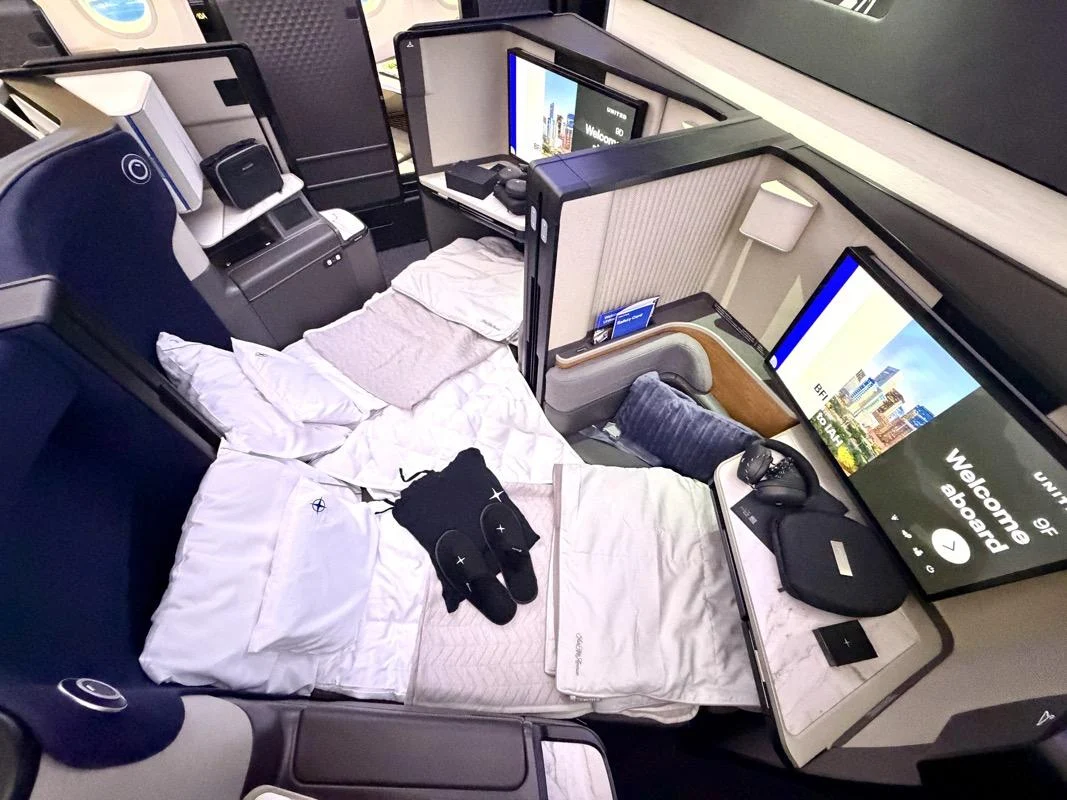
United Airlines has officially introduced its most significant cabin overhaul in a decade, debuting the new "Elevated" Boeing 787-9 configuration during a specialized hangar event at Los Angeles International Airport (LAX). The unveiling marks a strategic pivot for the Chicago-based carrier, moving toward a premium-heavy, low-density layout that prioritizes high-yield business and premium economy passengers over maximum seat count. This new configuration is widely regarded by aviation analysts as the most premium-dense widebody offering currently introduced by any major U.S. carrier, signaling a fierce intensification of the "premium wars" among global airlines.
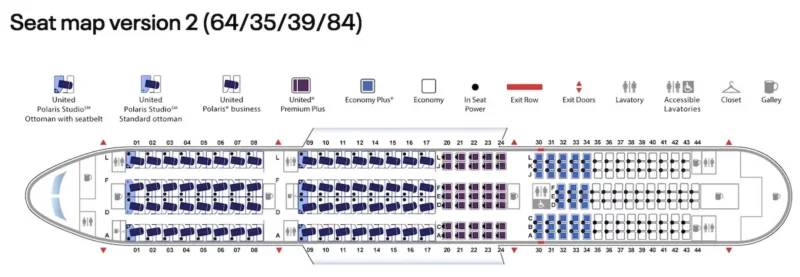
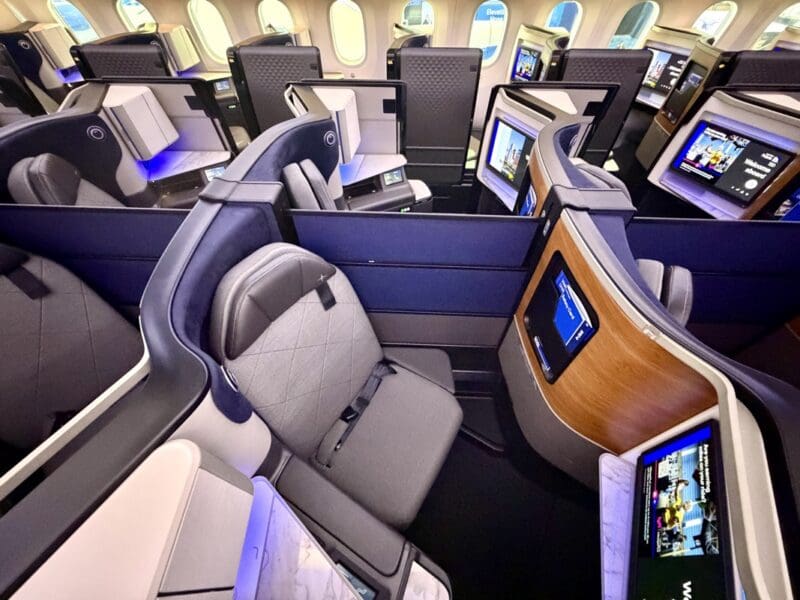
The "Elevated" 787-9 is not merely a cosmetic refresh but a fundamental restructuring of the aircraft’s interior geography. By significantly increasing the footprint of the Polaris Business Class and Premium Plus cabins, United is betting on the continued resilience of the premium travel segment, which has seen unprecedented growth in the post-pandemic era. The aircraft features a total of 64 Polaris Business Class seats, a substantial increase from the 48 seats found on United’s standard Boeing 787-9 aircraft. This shift underscores a broader industry trend where legacy carriers are sacrificing total passenger capacity to cater to corporate travelers and affluent leisure "premium" flyers who are willing to pay a significant markup for enhanced comfort and privacy.
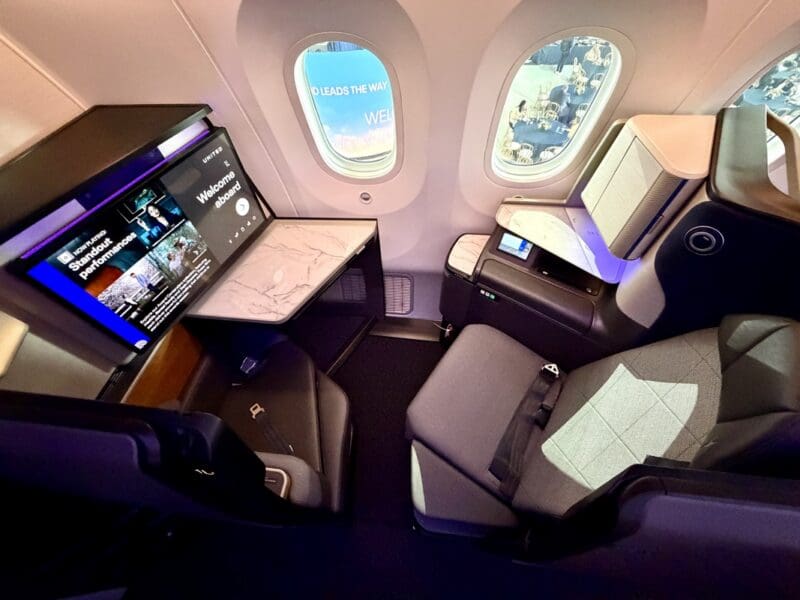
The Polaris Studio and the Rise of Business Plus
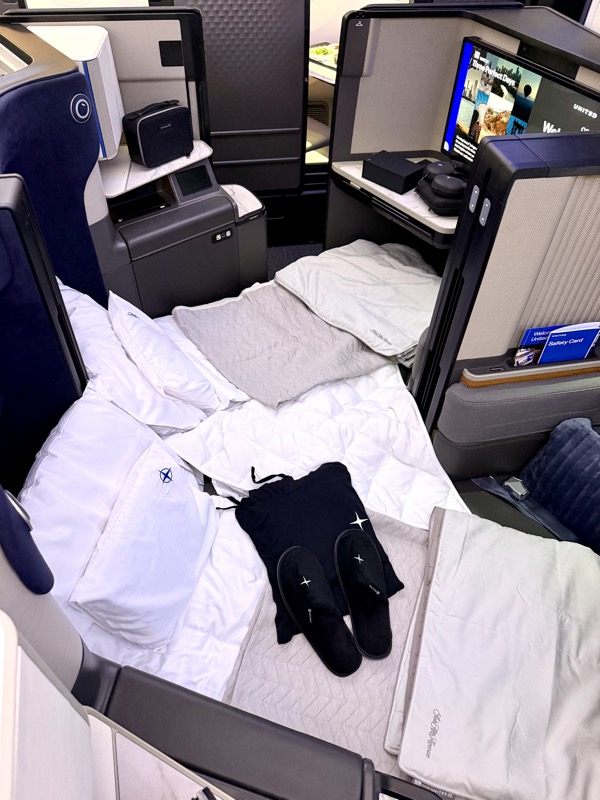
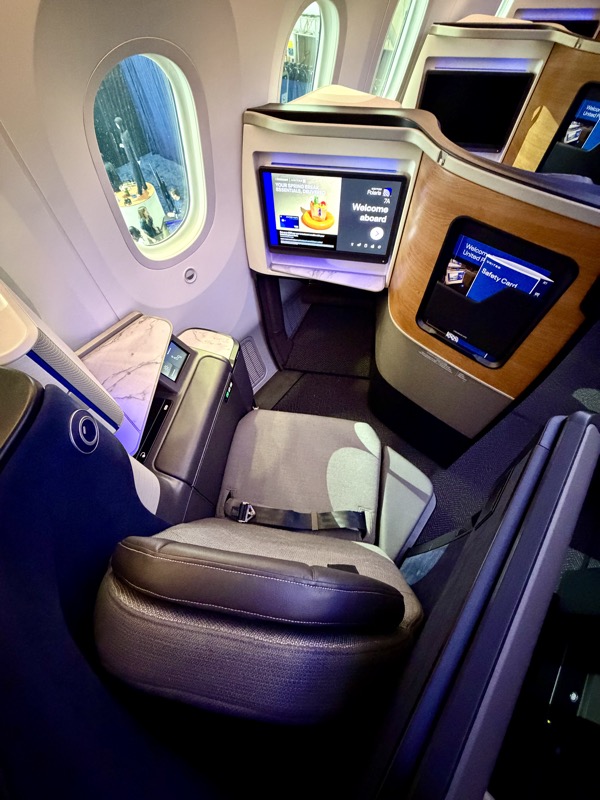
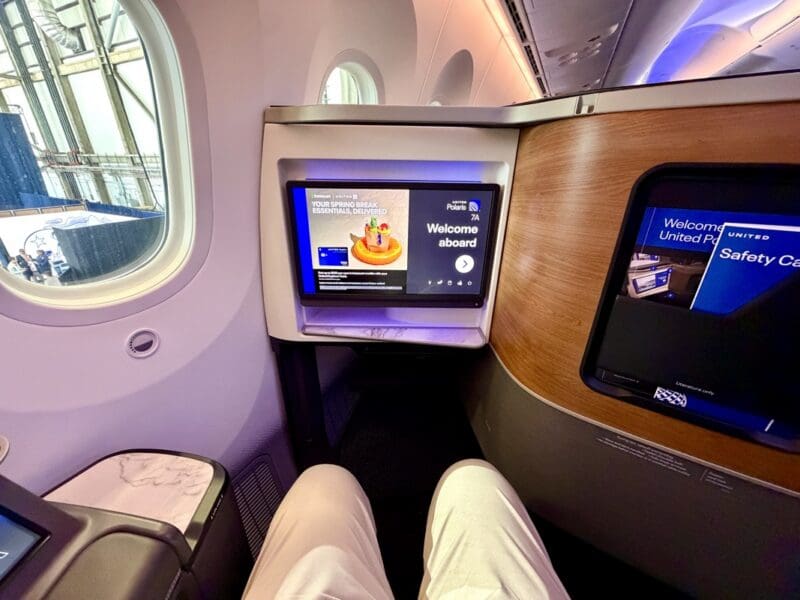
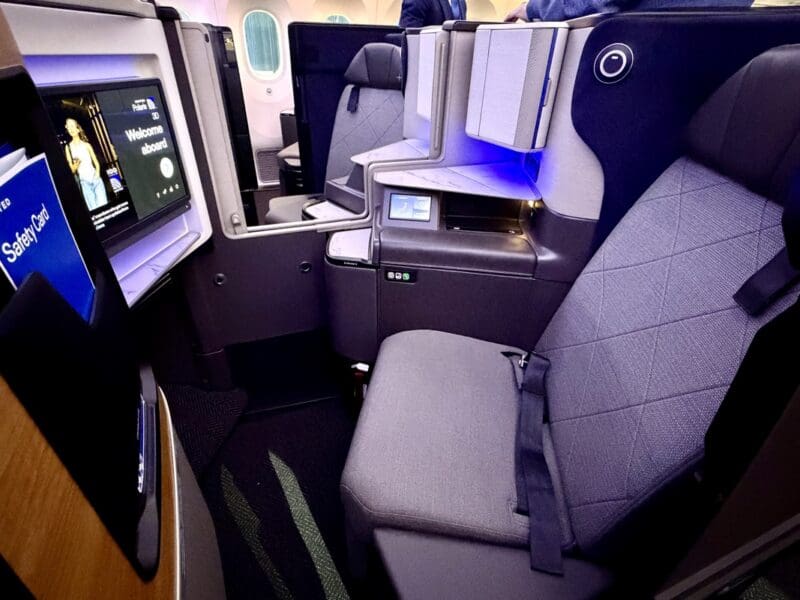
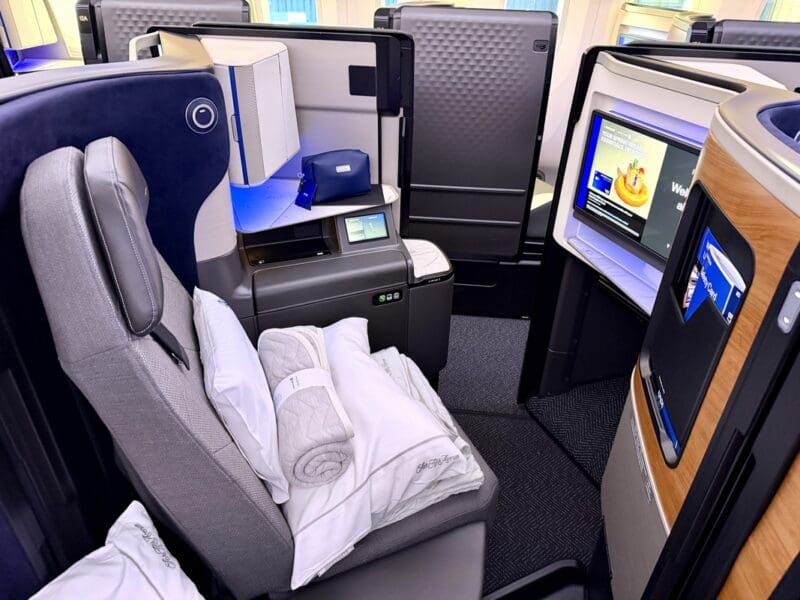
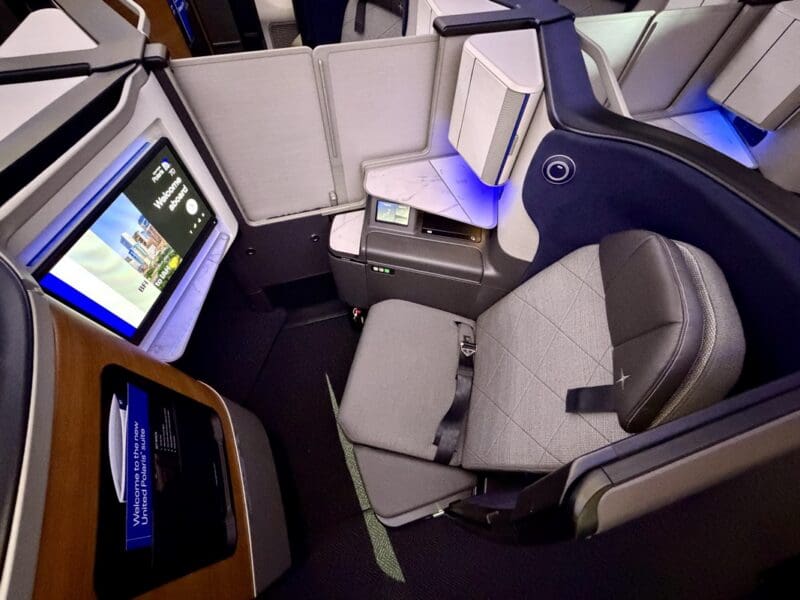
The centerpiece of the new configuration is the introduction of the Polaris Studio. Occupying the front row of the business class cabins, these eight specialized suites represent a "Business Plus" tier. While the standard Polaris seat already offers direct aisle access and a lie-flat bed, the Polaris Studio provides a larger footprint, additional storage, and a more expansive side console, effectively serving as a hybrid between traditional business class and the now-vanishing international first class.
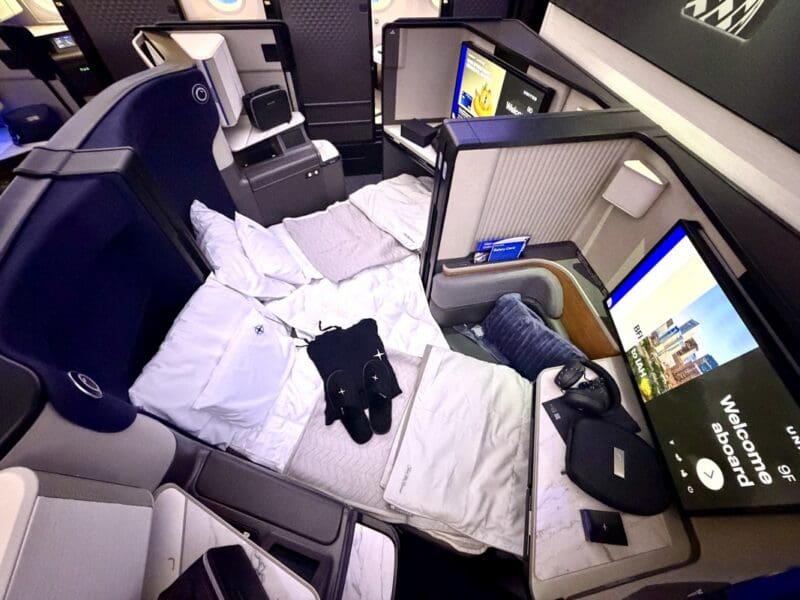
The Polaris Studio suites are strategically positioned at the bulkheads, utilizing the extra space typically reserved for galley transitions or closets. By offering more personal real estate, United is following a trend established by carriers like JetBlue with its Mint Studio and Virgin Atlantic with its Retreat Suite. Industry observers suggest that United may monetize these seats through a secondary upsell fee or reserve them for top-tier MileagePlus Premier members, though the airline has yet to finalize the specific booking logic for these premium enclaves.
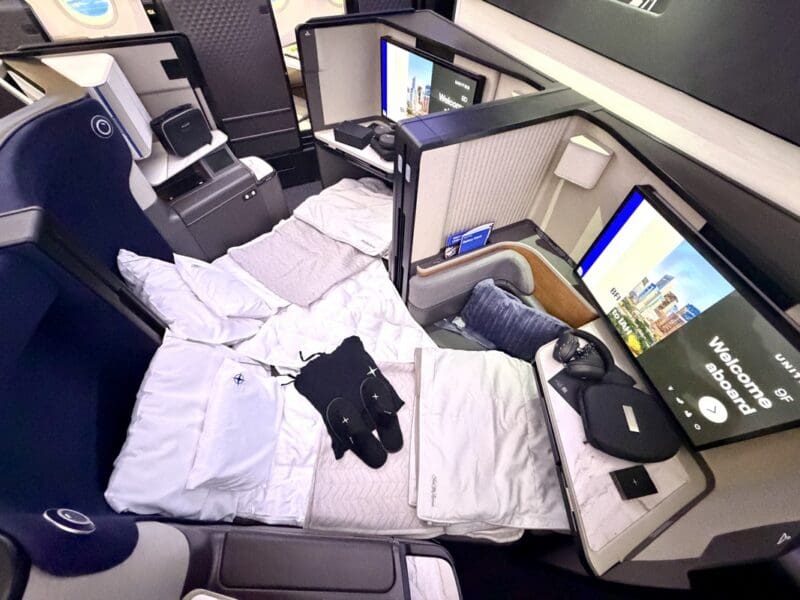
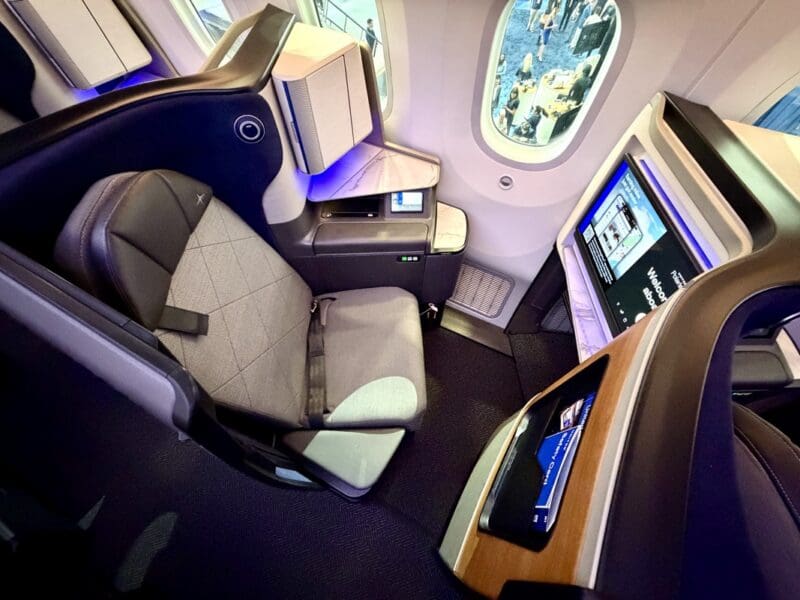
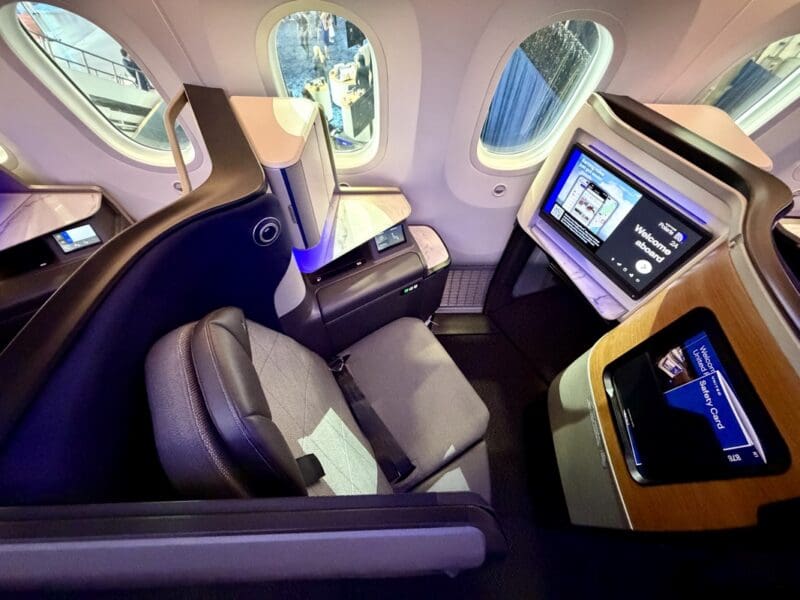
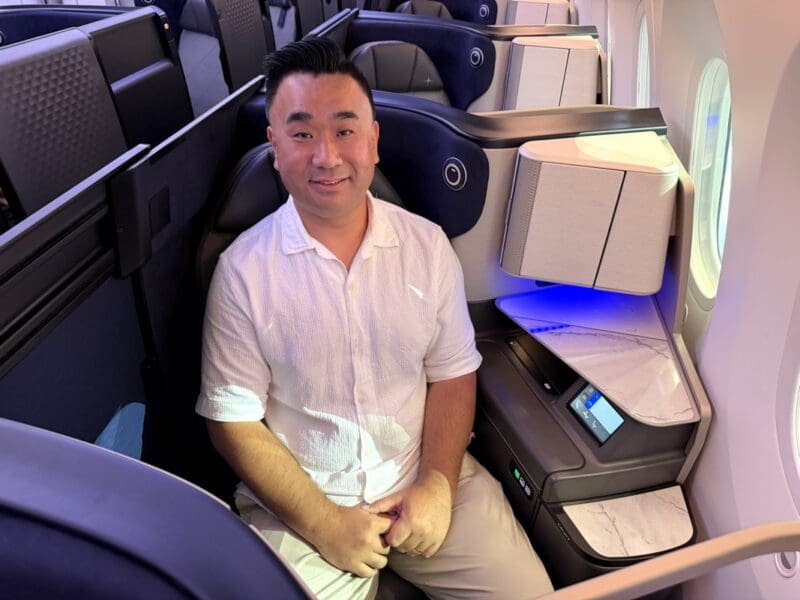
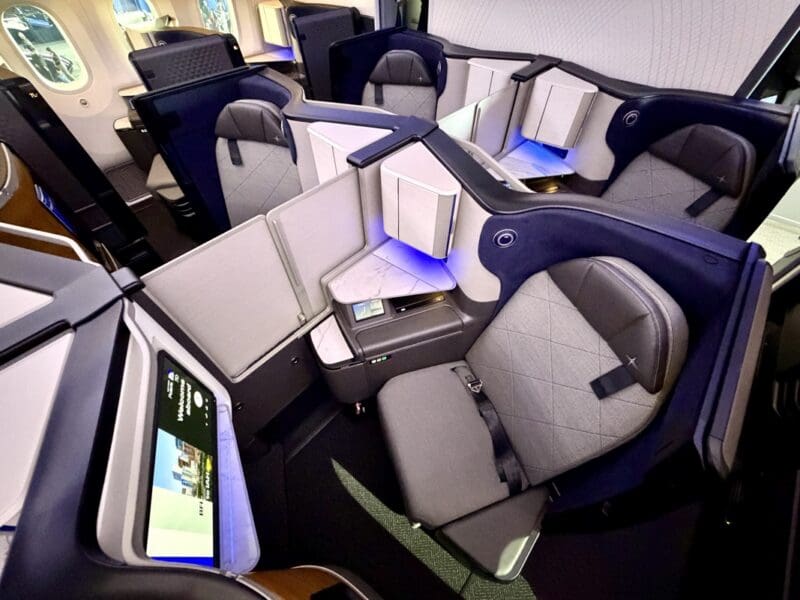
The remaining 56 Polaris seats continue to utilize the popular 1-2-1 configuration, ensuring every passenger has direct access to the aisle. Notably, the business class section is divided into two separate cabins. In a design nuance aimed at optimizing space and privacy, the orientation of the middle pair seats alternates between the first and second cabins. This staggered approach helps maintain a sense of seclusion in a cabin that now occupies nearly half the length of the aircraft.
Bridging the Gap with United Premium Plus
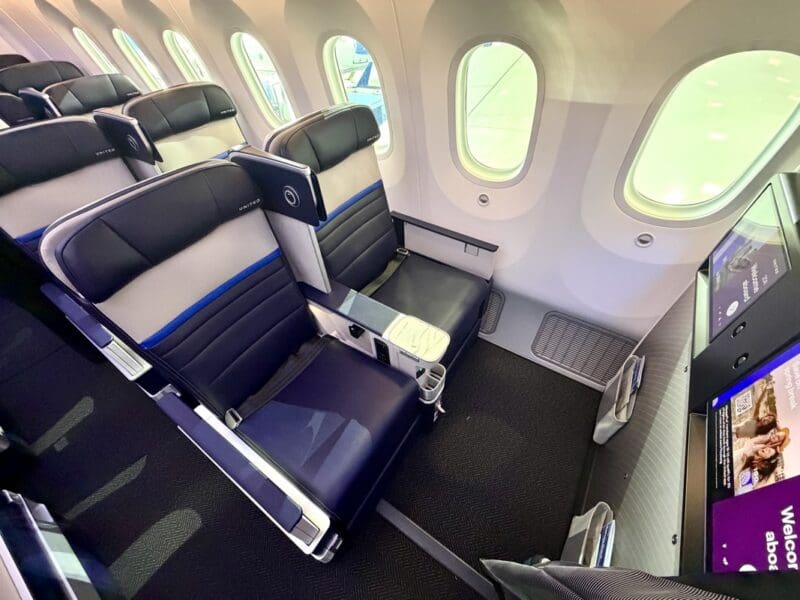
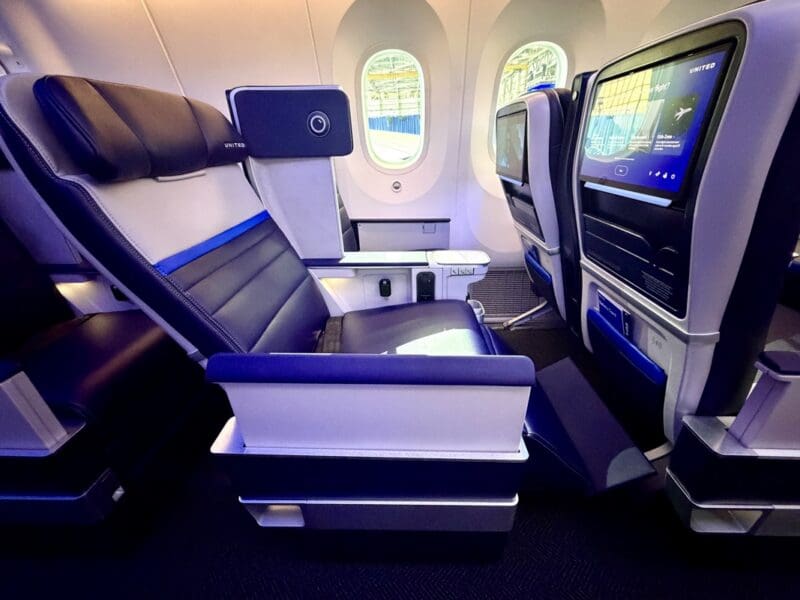
Directly behind the expanded Polaris section is the United Premium Plus cabin, featuring 35 seats. This dedicated premium economy product has become a cornerstone of United’s long-haul profitability. The "Elevated" configuration maintains a robust presence for this middle-tier offering, which provides a wider seat, deeper recline, and enhanced dining compared to standard economy.
The 35-seat count in Premium Plus is designed to capture the growing "premium leisure" market—travelers who may not be able to justify the five-figure cost of a Polaris suite but are eager to pay for a significantly better experience than the main cabin. By placing 99 premium seats (64 Polaris and 35 Premium Plus) on a single Boeing 787-9, United is positioning the aircraft as a specialized tool for high-demand business routes where corporate contracts and high-net-worth individuals dominate the manifest.
The Relax Row Innovation: A New Standard for Economy Plus
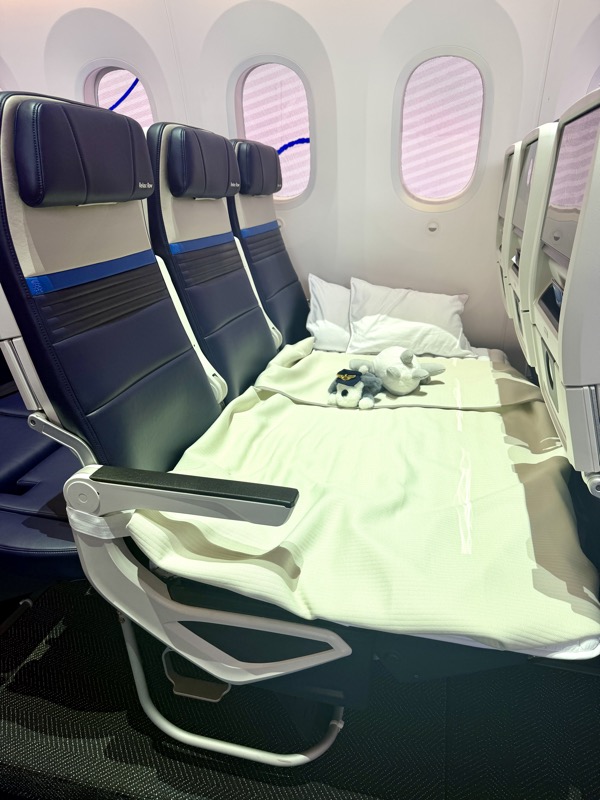
While the front of the aircraft focuses on luxury, the most innovative change for the general traveling public is the introduction of the "Relax Row." Integrated into the Economy Plus section, the Relax Row is a seating concept designed to provide passengers with a "quasi-premium" experience within the economy cabin. This concept, while new to United, draws inspiration from Air New Zealand’s "Skycouch," allowing a row of three seats to be converted into a flat surface by raising specially designed leg rests to a 90-degree angle.
United has confirmed that the Relax Row will begin a wider rollout in 2027. The airline plans to equip more than 200 of its Boeing 787 and Boeing 777 widebody aircraft with this feature by 2030. Each aircraft is expected to offer up to 12 Relax Row sections. This move is particularly targeted at families traveling with small children or couples looking for a bed-like experience at a fraction of the cost of a business class ticket. By offering this "soft product" upgrade, United is creating a new revenue stream that utilizes existing seat frames with modified mechanical components.
Operational Timeline and Strategic Route Selection
The deployment of the "Elevated" 787-9 will follow a disciplined timeline, beginning with domestic "proving runs" before transitioning to high-profile international segments. According to recent filings, United will initiate domestic operations with the new configuration starting March 29, 2026. These initial flights will serve as critical training opportunities for cabin crews and ground staff to familiarize themselves with the new layout and service protocols.
The domestic schedule includes:
- San Francisco (SFO) to Houston (IAH): Operating from March 29, 2026, to April 29, 2026 (Flight numbers UA2498/382).
- San Francisco (SFO) to Washington Dulles (IAD): Operating from March 29, 2026, to April 21, 2026 (Flight numbers UA755/1434).
Following the successful completion of domestic trials, United has identified two primary international gateways for the "Elevated" fleet, both originating from its San Francisco hub. The aircraft will be deployed on routes to Taipei (TPE) and Hong Kong (HKG). These markets are characterized by intense competition and a high volume of business travelers, making them the ideal environment for a premium-heavy aircraft. San Francisco’s role as a tech and financial hub ensures a steady stream of high-yield traffic to the Asia-Pacific region, where United currently maintains a dominant position among U.S. carriers.
The United Next Strategy and Fleet Modernization
The introduction of the "Elevated" 787-9 is a key pillar of the broader "United Next" initiative, a multi-billion dollar investment aimed at modernizing the airline’s fleet and enhancing the passenger experience across all cabins. United expects to receive 30 new Boeing 787-9 aircraft in this specific configuration by the end of 2027.
This investment comes at a time when the Boeing 787 Dreamliner has become the backbone of United’s international operations. The 787-9, in particular, offers a unique combination of range and fuel efficiency, allowing the airline to open "long and thin" routes that were previously unprofitable. However, by shifting to a low-density, premium-heavy layout, United is changing the economic calculus of the aircraft. While the total number of passengers per flight will decrease, the Revenue per Available Seat Mile (RASM) is expected to rise significantly, provided the airline can maintain high load factors in the Polaris and Premium Plus cabins.
Market Analysis and Competitive Implications
United’s decision to move toward a 64-seat business class cabin on the 787-9 is a bold departure from its domestic rivals. For comparison, American Airlines and Delta Air Lines typically configure their similarly sized widebodies with 30 to 40 business class suites. By nearly doubling that capacity, United is positioning itself as the premier choice for transpacific and transatlantic business travel.
However, this strategy is not without risk. A premium-heavy aircraft is more vulnerable to economic downturns, as corporate travel budgets are often the first to be slashed during a recession. Furthermore, the reduction in economy seats means that United will have fewer "budget" seats to sell during off-peak periods, potentially making the aircraft less versatile across its entire network.
Nevertheless, the "Elevated" 787-9 reflects a growing reality in the aviation industry: the middle class of travel is bifurcating. On one side, ultra-low-cost carriers are packing planes with as many seats as possible; on the other, legacy carriers like United are transforming their long-haul fleets into "boutique" experiences for the upper echelon of travelers.
Conclusion and Future Outlook
As United Airlines prepares for the 2026 launch of the "Elevated" Boeing 787-9, the industry will be watching closely to see if the gamble on extreme premium density pays off. With the addition of the Polaris Studio and the innovative Relax Row, United has successfully created a tiered product offering that addresses almost every segment of the market—from the luxury seeker to the budget-conscious family.
By 2030, when the Relax Row is fully integrated across 200 widebody aircraft, United’s long-haul fleet will look vastly different than it does today. The move signals a future where the "one-size-fits-all" approach to the economy cabin is replaced by modular, flexible seating options, and where the business class cabin continues to evolve into a private sanctuary of productivity and rest. For now, the "Elevated" 787-9 stands as a testament to United’s ambition to lead the U.S. aviation industry into a new era of high-end international travel.




 Anjar Salim
 Chandra Hamzah
 Tatiana Tantri Indah Sari

