
 Anjar Salim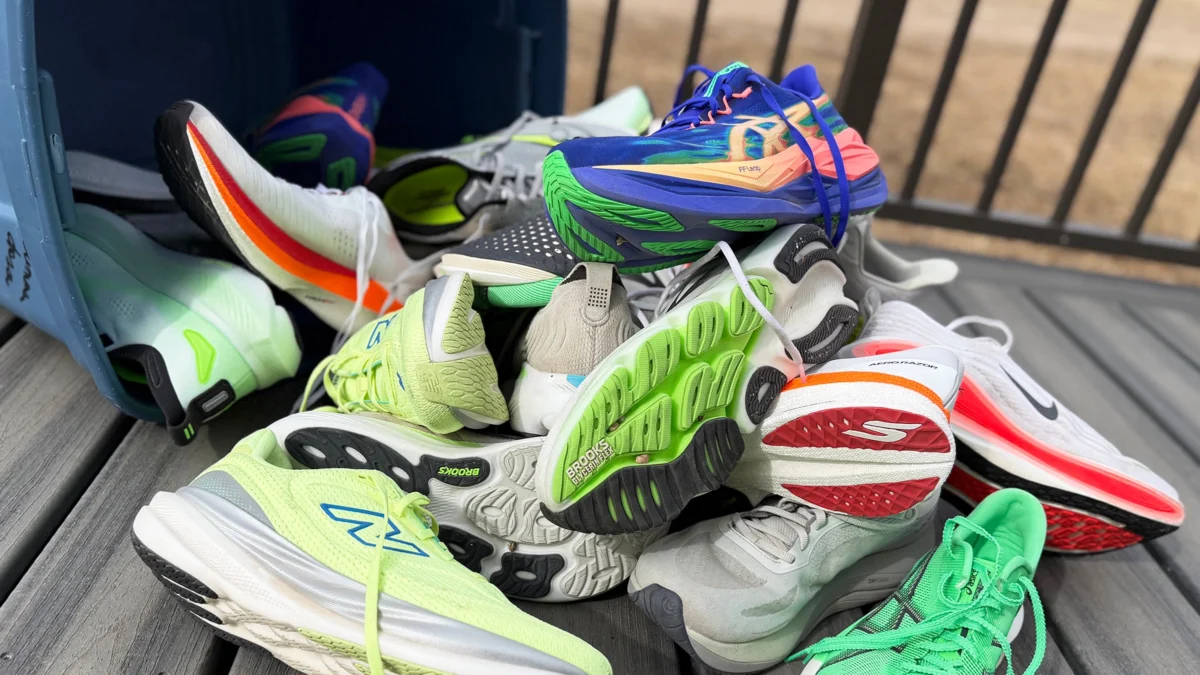
The landscape of athletic footwear has undergone a radical transformation over the past decade, moving from basic EVA foam structures to the highly sophisticated, nitrogen-infused, and carbon-plated "super shoes" that define the current era. In March 2026, the industry reached a new milestone with the release of the annual road running shoe guide, which has been streamlined to reflect the shifting needs of a diverse global running community. This year’s vetting process, conducted over six months of rigorous field testing, evaluated 52 new models to identify 14 category winners. The results underscore a significant trend: the "Super Trainer" category is now the dominant force in the market, blending the aggressive responsiveness of racing flats with the durability required for daily mileage.
The 2026 Market Context: The Rise of Superfoams and Geometry
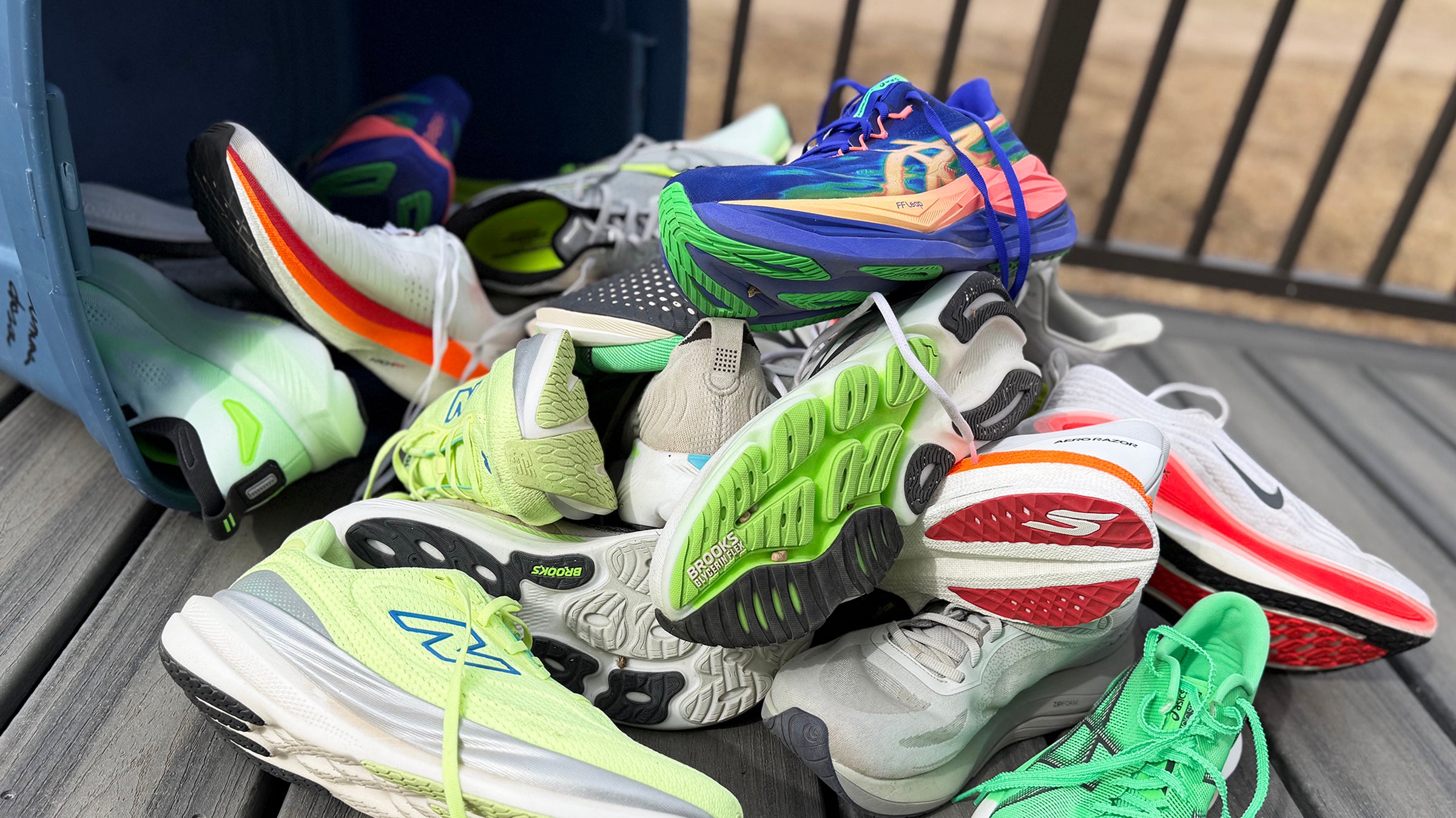
The 2026 running shoe market is characterized by the ubiquity of supercritical foams—materials processed using nitrogen or CO2 to create a lighter, more resilient cell structure. According to industry data, the global performance running footwear market is projected to exceed $15 billion by the end of the 2026 fiscal year, driven largely by advancements in TPEE (Thermoplastic Polyester Elastomer) and PEBA (Polyether Block Amide) materials. These "superfoams," once reserved for $250+ racing shoes, have now trickled down into daily trainers, fundamentally changing the expected lifespan and energy return of standard running gear.
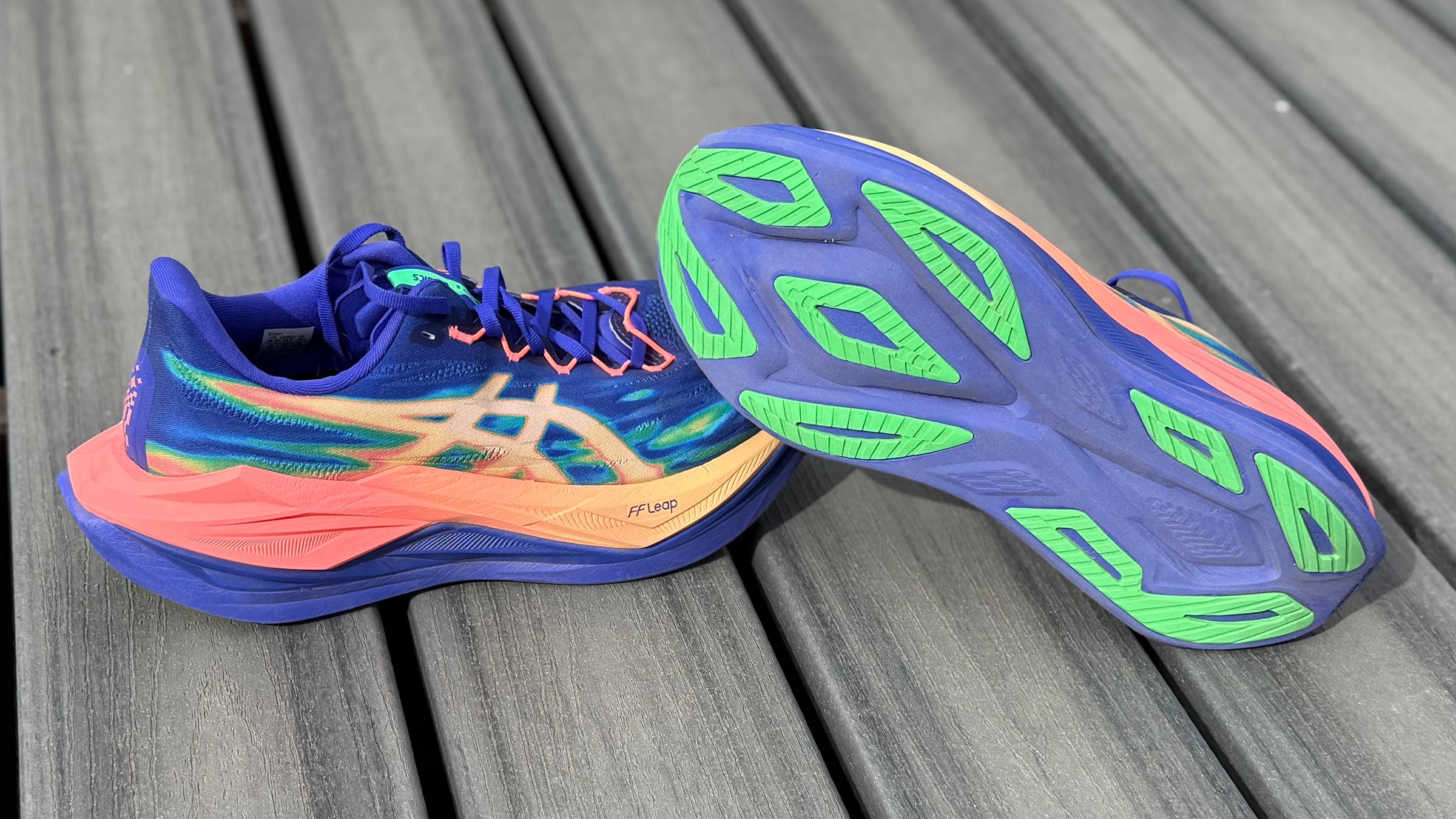
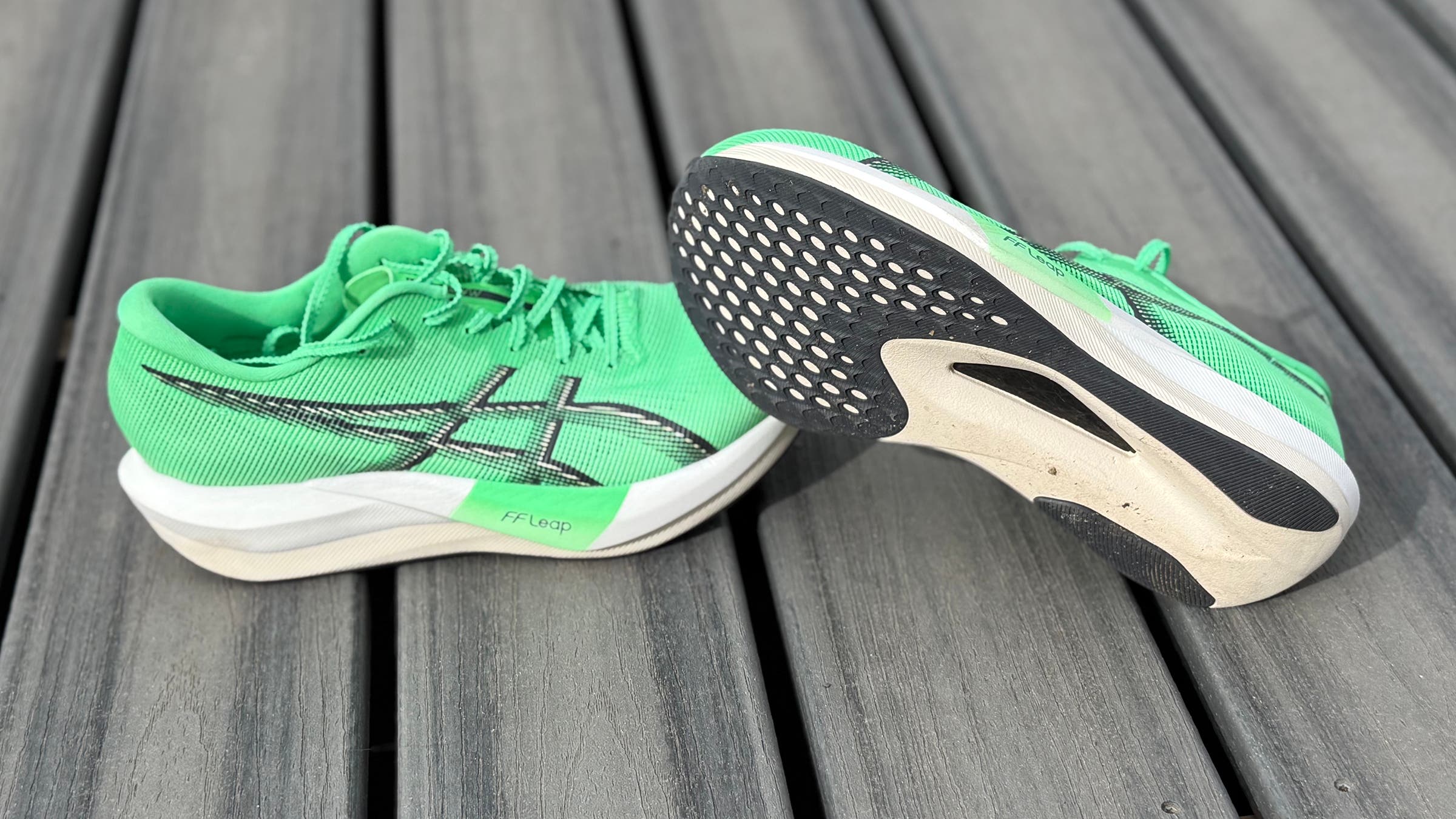
This technological shift is exemplified by the Asics Superblast 3, which was named the "Best All-Around Road Running Shoe" for 2026. Since the original Superblast launched in late 2022, it has become a benchmark for the "Max-Cushion Performance" category. The 2026 iteration introduces a dual-density midsole featuring "FF Leap," an A-TPU superfoam that provides hyper-bouncy energy return while maintaining a weight of just 8.4 ounces. This model reflects the broader industry move toward high-stack heights—the Superblast 3 measures 46.5 mm in the heel—while simultaneously reducing weight through material innovation.
Chronology of Testing and Methodology
The selection process for the 2026 guide began in late 2025, involving a specialized team of 25 testers ranging from elite master’s runners to mid-pack enthusiasts. This diverse cohort logged thousands of miles across varied terrains, including concrete multi-use paths, synthetic tracks, and treadmills. The testing window, spanning three to six months, allowed for the assessment of long-term durability, a critical factor as manufacturers push the limits of foam softness.
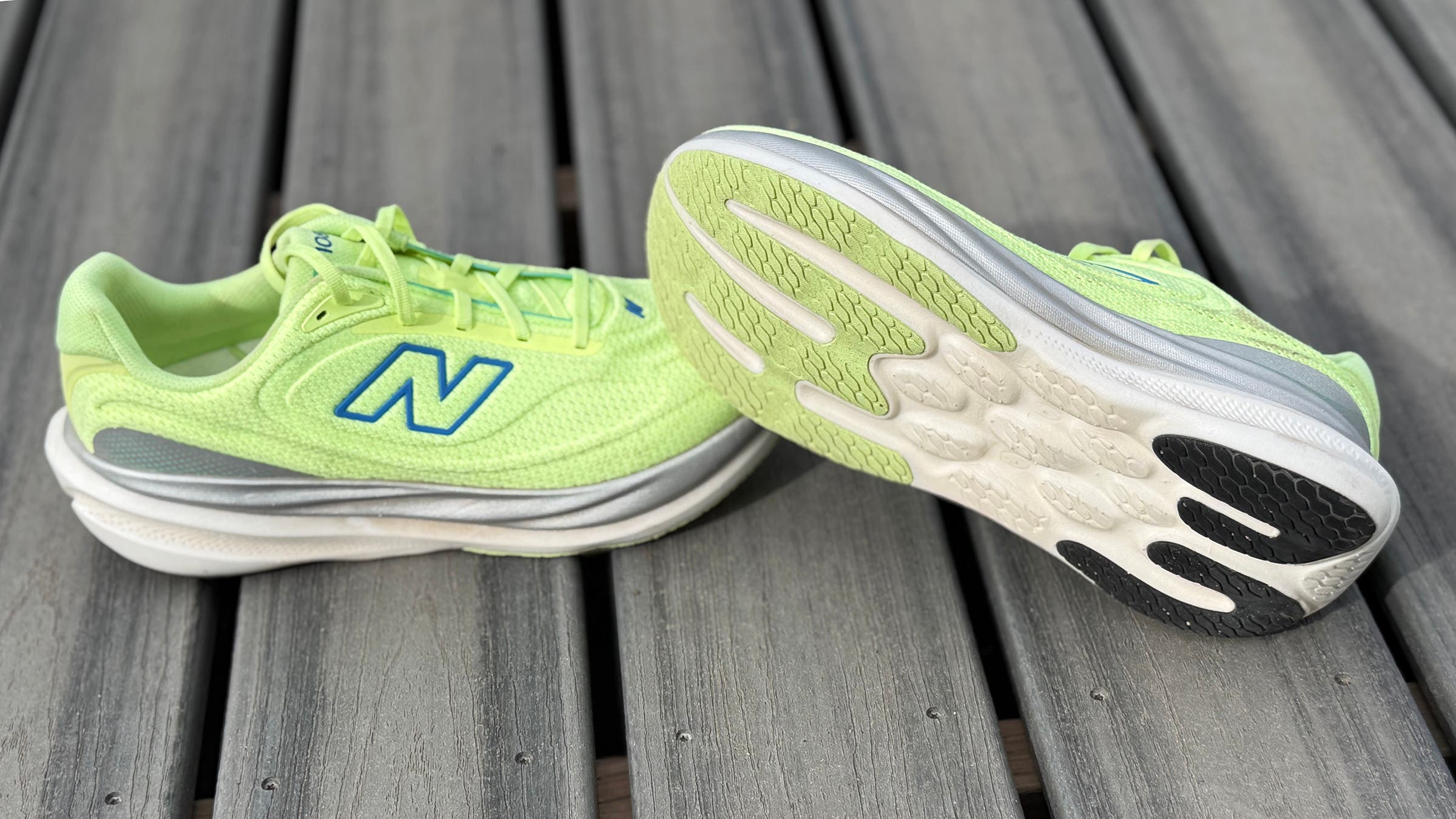
Lead tester Cory Smith, a former NCAA Division I athlete, noted that the 2026 testing cycle focused heavily on the "weight-to-cushioning ratio." In previous years, high levels of protection inevitably meant a heavier shoe. However, the 2026 winners demonstrate that a shoe can now offer nearly 40 mm of foam while remaining under 9 ounces. This evolution is seen in the New Balance 1080v15, which shed nearly an ounce from its predecessor by replacing traditional Fresh Foam with "Infinion," a supercritical TPEE-based material.
Detailed Performance Reviews: The 2026 Winners
Daily Training and All-Around Excellence
The New Balance 1080v15 secured the title of "Best Daily Trainer," marking a departure from the model’s historically "safe" design. By adopting a trampoline-like ride, the 1080v15 now competes directly with premium max-cushion models like the Asics Nimbus and Saucony Triumph. Testers reported that the new Infinion foam provides a "joint-protecting" rebound that reduces recovery time between sessions.
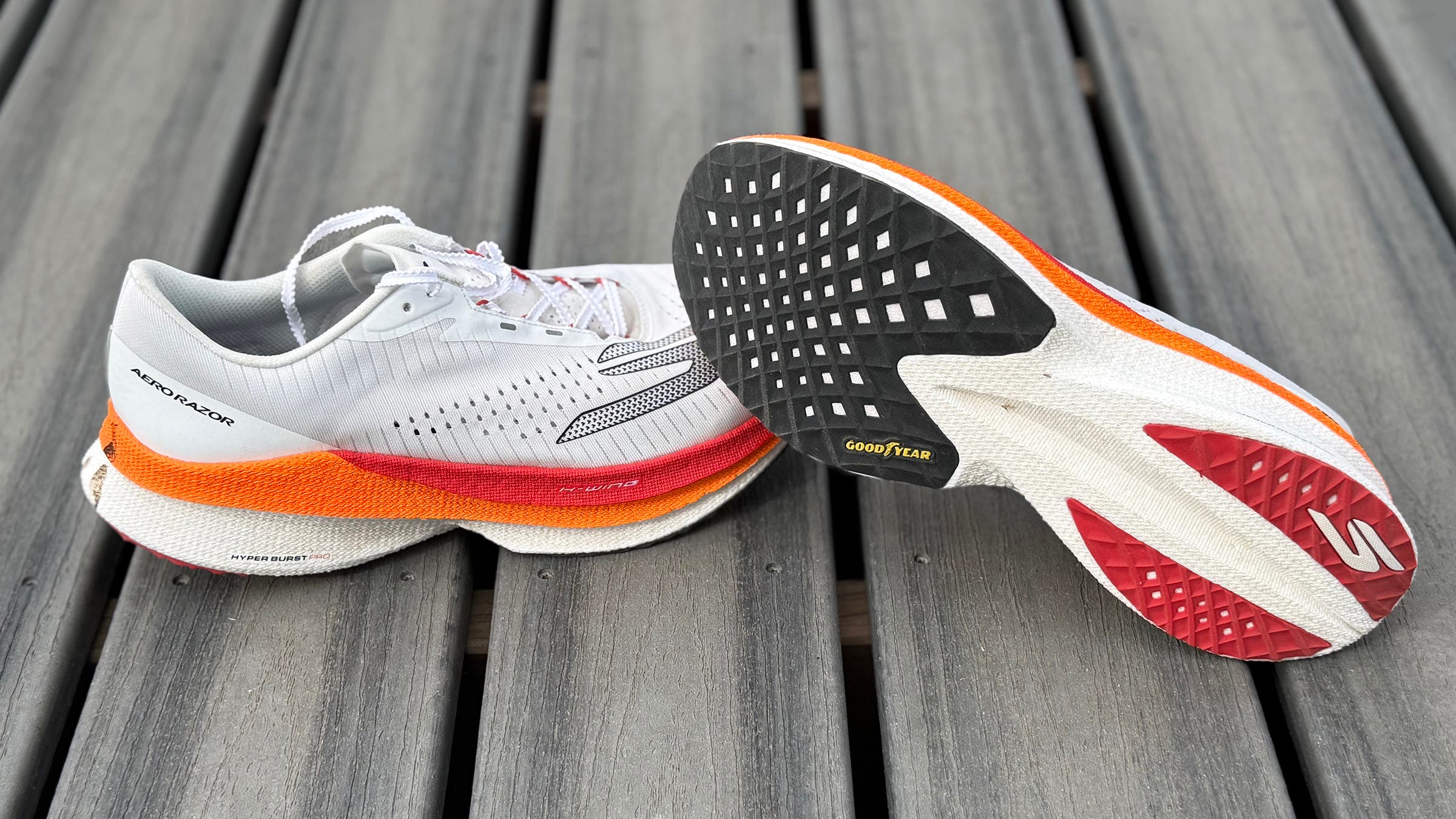
In the "Best Value" category, the Skechers Aero Razor emerged as a standout. Priced at $140, it challenges the pricing structures of major competitors by offering a carbon-infused H-shaped wing plate and Hyper Burst Pro foam—technologies typically found in shoes costing $200 or more. The Aero Razor’s 4 mm drop and 6.9-ounce weight (Men’s 9) make it a preferred choice for runners seeking a "ground-connected" feel without sacrificing modern energy return.
Maximum Cushioning and Stability
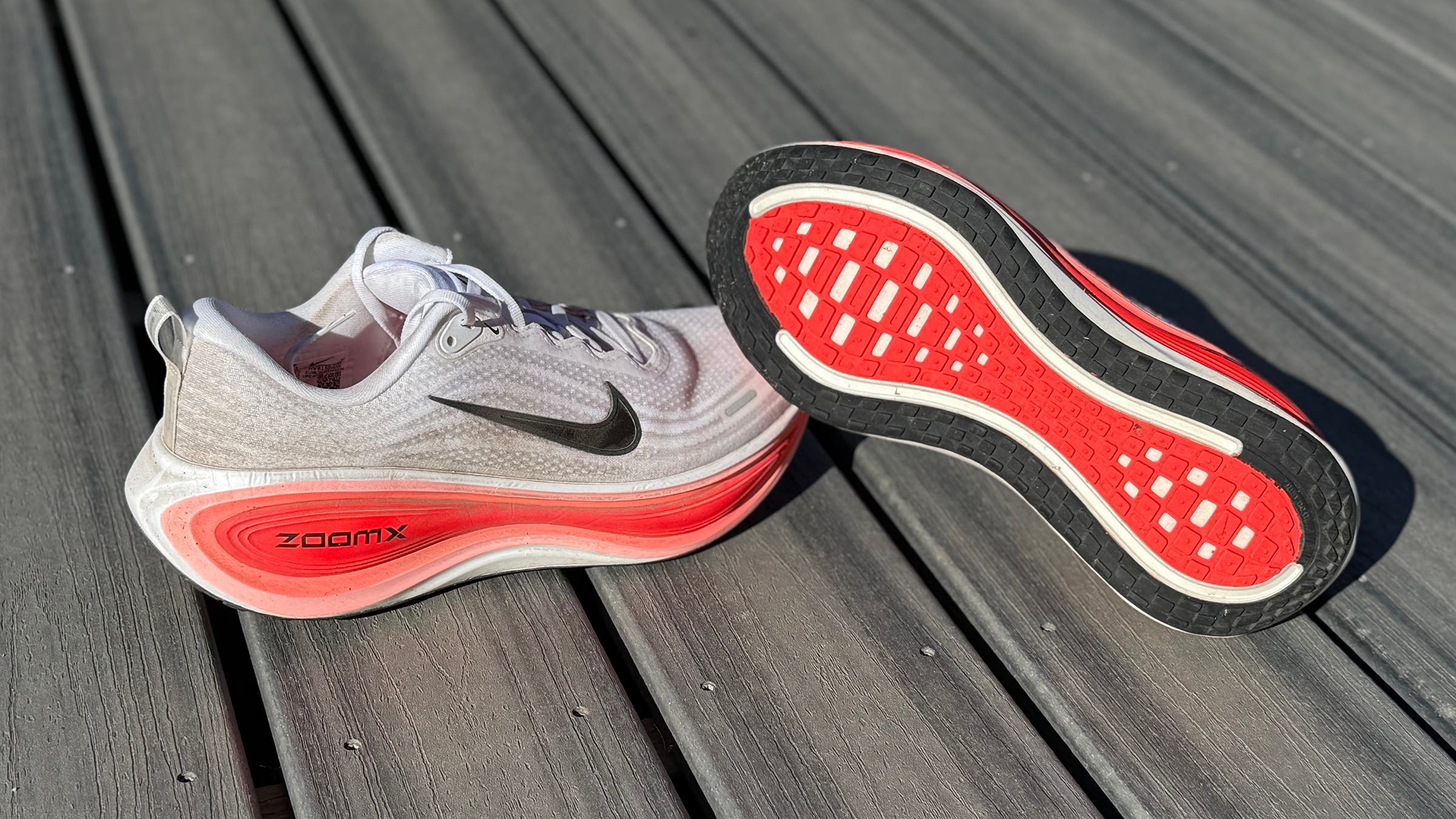
The demand for high-stack cushioning has led Nike to expand its Vomero franchise into a three-tiered system: the 18, the Plus, and the Premium. The Vomero Plus was identified as the standout for its 45 mm stack of ZoomX foam. While high-stack shoes can often feel unstable, the Vomero Plus utilizes a wide base and a rockered forefoot to provide a stable, "plush" ride that testers found ideal for long-distance recovery runs.
Stability shoes, once defined by hard plastic "medial posts," have also evolved. The Brooks Adrenaline GTS 25 utilizes "DNA Loft v3" nitrogen-infused foam and integrated stability zones that guide the foot rather than forcing it into a specific path. Similarly, the Topo Athletic Ultrafly 6 uses a 5 mm drop and a wide toe box to allow for natural foot mechanics, proving that stability can be achieved through geometry and fit rather than rigid intervention.
The Lightweight and Natural-Ride Revolution
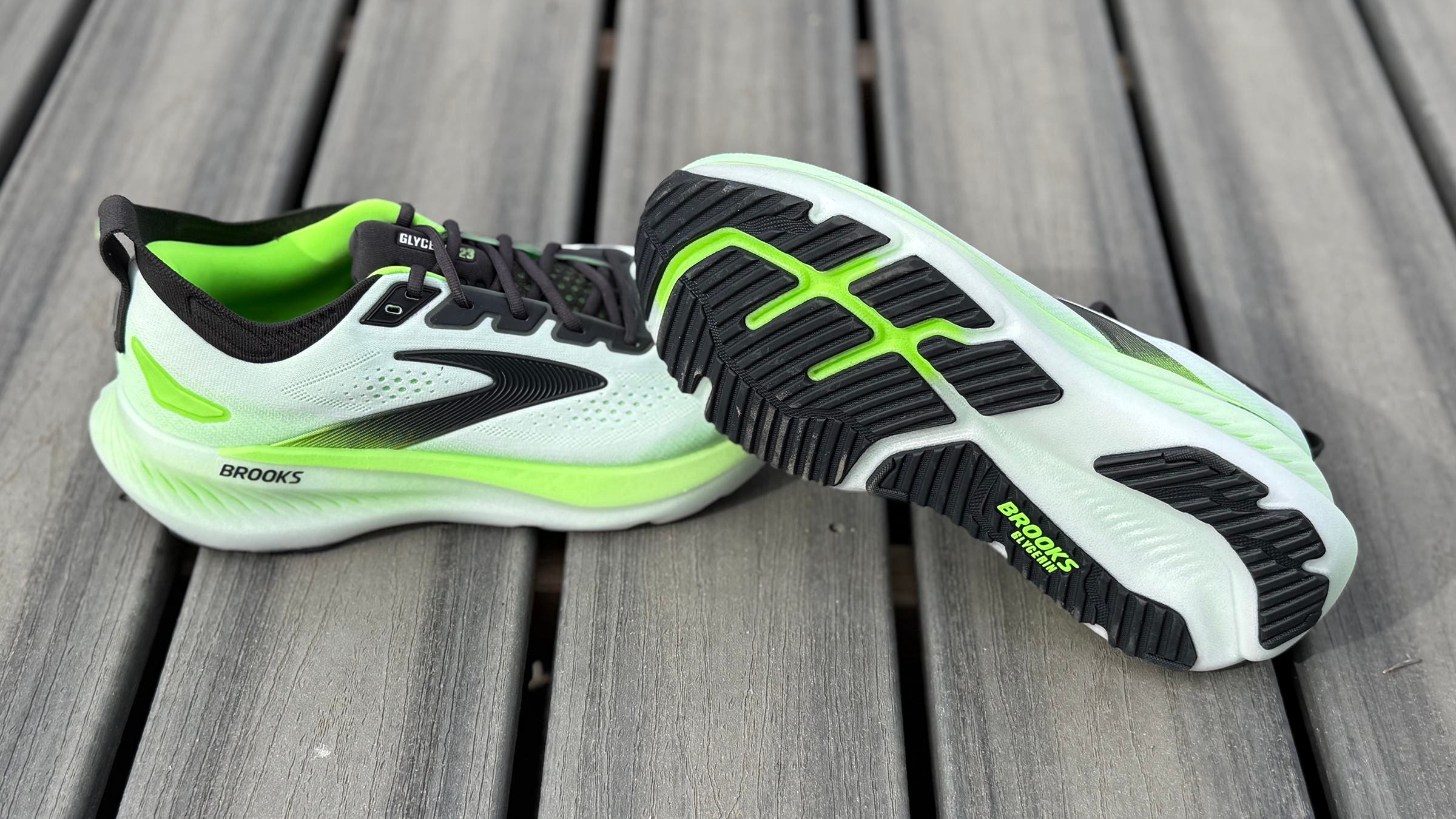
A significant sub-sector of the 2026 market focuses on "Natural Ride" shoes, led by the Altra Experience Flow 3 and the Brooks Glycerin Flex. Altra, traditionally a "zero-drop" brand, has found success with its 4 mm drop "Experience" line, which caters to runners who want Altra’s signature wide toe box but require a slight heel lift to reduce Achilles strain. The Brooks Glycerin Flex takes a different approach, using a decoupled sole with deep grooves that allow the heel and forefoot to move independently, mimicking the natural flexion of the human foot.
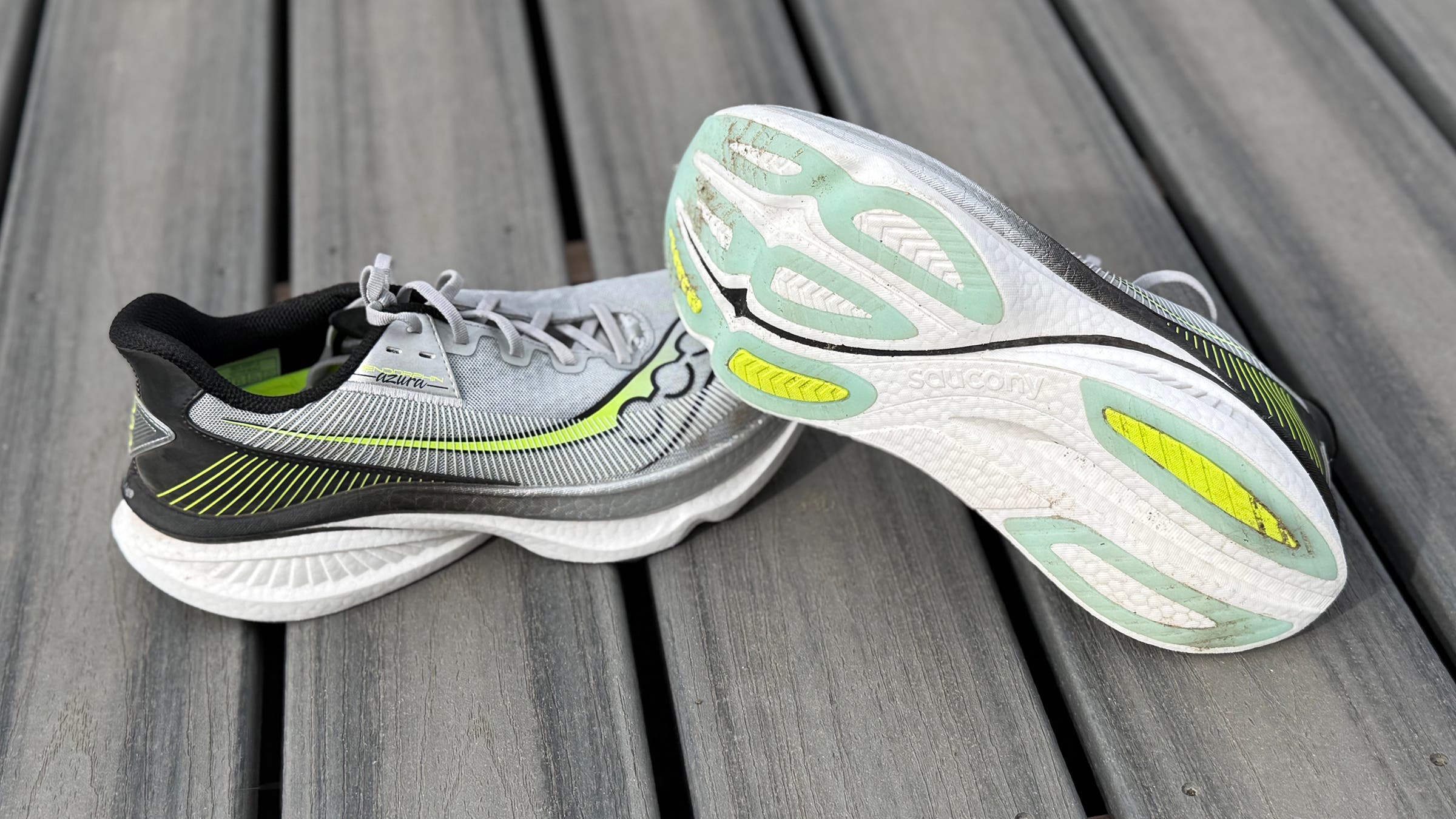
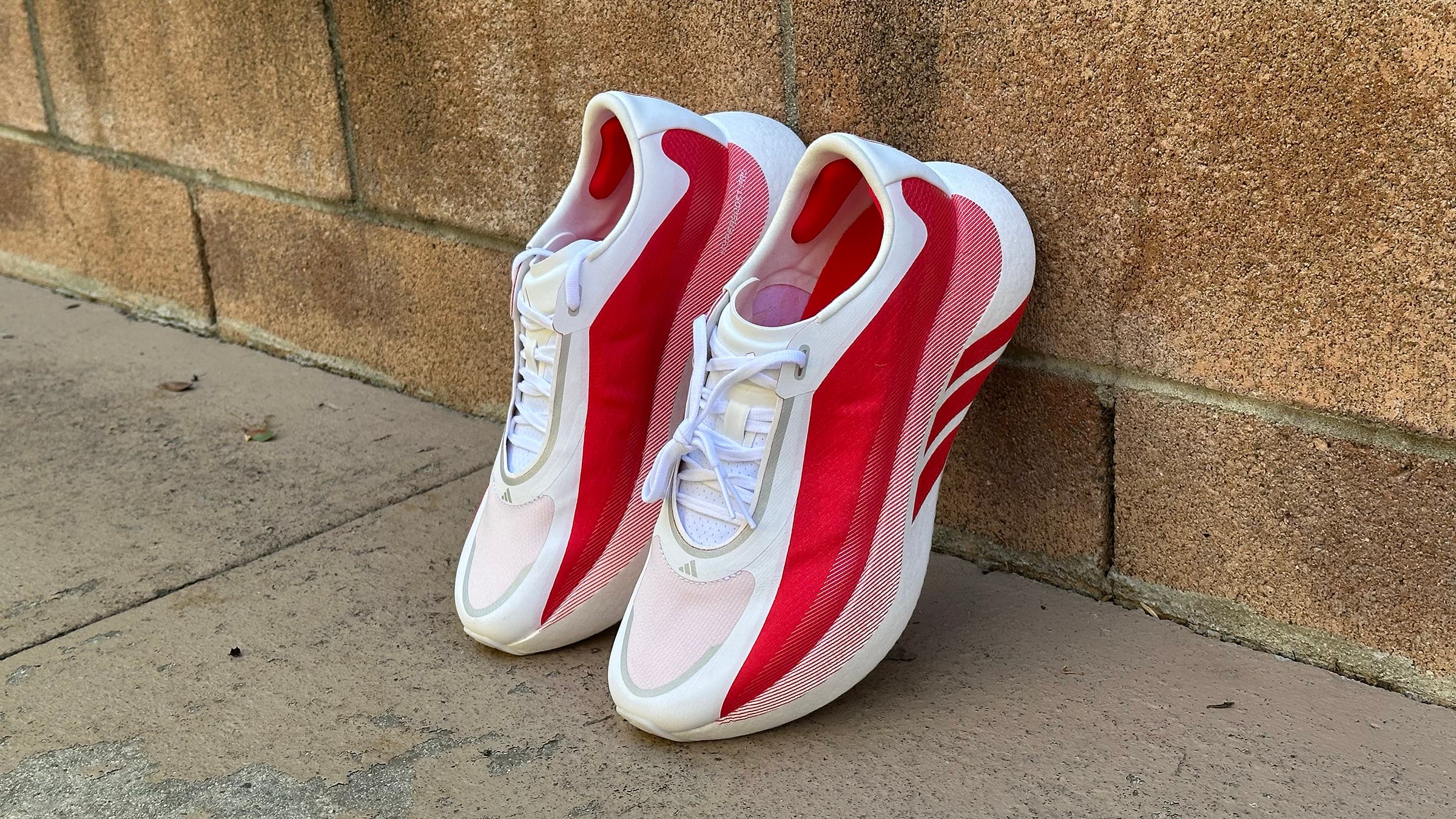
In the lightweight category, the Asics Magic Speed 5 and Saucony Endorphin Azura represent the "Super Trainer" peak. The Magic Speed 5 features a full-length carbon-fiber plate and a reduced stack height compared to the version 4, resulting in a more nimble, "snappy" feel. Meanwhile, the Adidas Hyperboost Edge utilizes pelletized Lightstrike Pro foam to deliver a firm, responsive ride that bridges the gap between a daily trainer and a racing flat.
Elite Racing: Marathon and Short-Distance Innovation
The "Super Shoe" arms race continues to push the boundaries of physics. The Nike Alphafly 3 remains the gold standard for marathon racing, utilizing a combination of ZoomX foam, Air Zoom units, and a carbon-fiber Flyplate. However, Puma has significantly closed the gap with the Deviate Nitro Elite 4. At just 6 ounces, the Puma model is one of the lightest marathon shoes ever produced, featuring a proprietary PUMAGRIP outsole that offers superior traction on wet urban courses.
For short-distance racing (5k to 10k), Asics introduced the Metaspeed Ray. Weighing an unprecedented 4.5 ounces, it features the highest cushioning-to-weight ratio currently available. However, testers cautioned that the Metaspeed Ray is a "precision tool" designed for elite mechanics, as its ultra-soft FF Leap foam can feel unstable at slower paces. For a more "forgiving" race experience, the Hoka Rocket X 3 offers a dual-density PEBA construction with a winged carbon plate, providing a stable platform for a wider range of foot strikes.
Biomechanical Analysis and the "Comfort Filter"
The 2026 guide emphasizes a shift in how runners should select footwear, moving away from prescriptive "arch height" tests toward the "comfort filter" methodology. Proposed by biomechanics expert Dr. Benno Nigg, this theory suggests that the human body is the best judge of its "preferred movement path." When a shoe feels comfortable and the transition from landing to toe-off is seamless, it is likely the most efficient choice for that individual’s unique gait.
Data from the testing cycle supports this approach. Testers who selected shoes based on subjective comfort reported fewer "hot spots" and muscle fatigue than those who chose shoes based on traditional categories like "overpronation." Furthermore, research cited in the guide indicates that rotating between two or three different types of shoes—such as a max-cushion trainer and a lightweight tempo shoe—can reduce injury risk by varying the stresses placed on the musculoskeletal system.
Broader Industry Implications and Future Outlook
The findings from the Spring 2026 reviews suggest that the distinction between "training" and "racing" shoes is becoming increasingly blurred. As "superfoams" become more durable and less expensive to produce, the average runner now has access to performance levels that were unattainable just five years ago.
However, this rapid innovation brings new challenges. The increasing stack heights (some reaching nearly 50 mm) have prompted discussions within World Athletics regarding the regulation of "mechanical advantages." Additionally, the environmental impact of supercritical foams remains a point of concern for the industry. Brands like Adidas and Saucony are beginning to experiment with bio-based polymers, but the performance-to-sustainability ratio remains a hurdle for the next generation of footwear.
In conclusion, the Spring 2026 road running shoe guide reveals an industry at the height of its technological prowess. From the versatile Asics Superblast 3 to the featherweight Asics Metaspeed Ray, the current market offers a tailored solution for every runner. The primary takeaway for consumers is clear: ignore traditional marketing labels and prioritize the "comfort filter" and personal gait mechanics to find the shoe that truly enhances the running experience. As the industry moves toward the latter half of the decade, the focus will likely shift from pure "energy return" to "personalized geometry," where 3D-printed midsoles and custom-tuned foam densities become the next frontier in performance running.




 Budi Mulyono
 Chandra Hamzah
 Tatiana Tantri Indah Sari

 Lukman Taruna Persada Ramadan