
 Anjar Salim
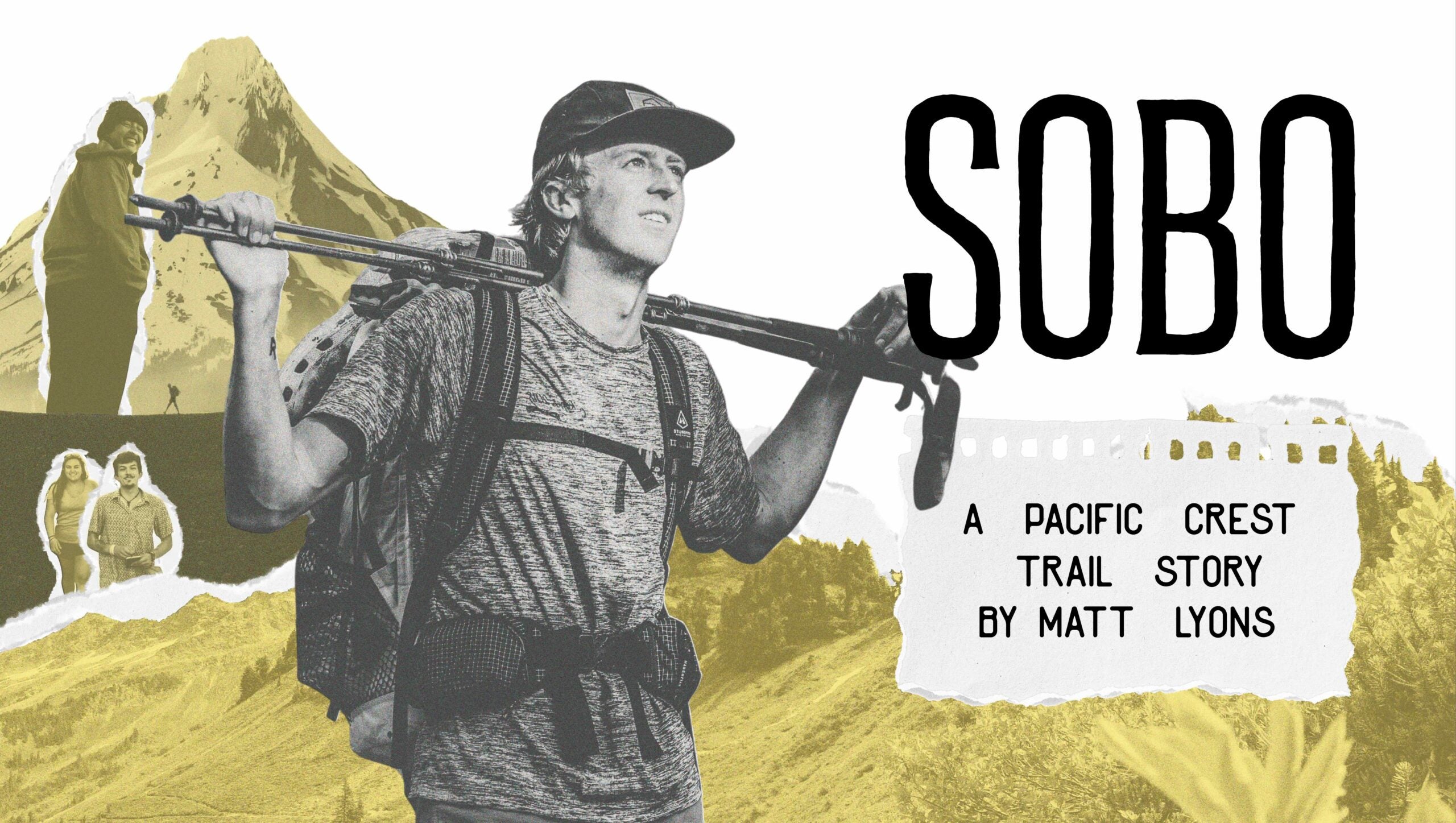
The intersection of digital satire and the grueling reality of long-distance backpacking has found a new focal point in the release of SOBO, a documentary film featuring Matt Lyons. Known to millions of social media users for his biting caricatures of outdoor enthusiasts, Lyons has pivoted from short-form comedy to a feature-length exploration of endurance, failure, and personal transformation. The film, which documents Lyons’ multi-year attempt to complete the Pacific Crest Trail (PCT), marks a significant departure from the curated humor that defined his rise to internet prominence. Released on Outside TV on March 26, 2026, the documentary provides a raw, unvarnished look at the physical and psychological toll of a 2,650-mile journey, challenging the expectations of an audience accustomed to his punchlines.
The Divergence of Persona: From Satire to Sincerity
Matt Lyons, 31, has cultivated a massive digital footprint, boasting nearly one million followers on Instagram and half a million on TikTok. His content typically revolves around hyper-specific archetypes found within the outdoor industry. These include "Kona," the overzealous Ironman triathlete who measures his life in splits and gear upgrades; "Fitz Roy," the finance professional whose wardrobe is exclusively high-end technical apparel despite a lack of alpine experience; and various gear-obsessed cyclists and hikers who serve as a mirror to the often-pretentious subcultures of recreation.
However, SOBO—an acronym for "Southbound," referring to the direction of travel on a thru-hike—contains none of these characters. During a promotional tour across New England in late 2025, Lyons reportedly felt compelled to issue a disclaimer to live audiences: "Prepare to not laugh." This warning underscores the film’s intent to document the "glimpse into life outside of comedy." Instead of scripted jokes, the footage captures Lyons grappling with the mundane and often painful realities of the trail, such as debilitating shin splints, the isolation of the wilderness, and the mental fatigue that accompanies months of solitary movement.
The Pacific Crest Trail: A Logistical and Physical Overview
The Pacific Crest Trail is one of the most prestigious long-distance hiking routes in the world, stretching from the United States border with Mexico to the Canadian border through California, Oregon, and Washington. Managed by the Pacific Crest Trail Association (PCTA), the trail traverses diverse ecosystems, including the high desert of Southern California, the granite peaks of the Sierra Nevada, and the dense, volcanic forests of the Pacific Northwest.
Completing the trail is a feat of significant logistical complexity. According to data from the PCTA, while thousands of permits are issued annually, only a fraction of hikers successfully complete the "Triple Crown" eligible journey in a single season. Most hikers opt for a Northbound (NOBO) route, starting in the spring to avoid the desert heat and ending before the winter snows hit the North Cascades.
Lyons’ decision to go Southbound (SOBO) placed him in a minority of the hiking community. Southbound hikers typically face a more condensed weather window; they must wait for the snow to melt in Washington before starting in July and must reach the desert before the onset of winter. The "SOBO" experience is often characterized by greater solitude, as the vast majority of the "bubble" of hikers is moving in the opposite direction.
Chronology of the Journey: 2021–2022
The production of SOBO began long before Lyons achieved viral fame. In 2021, while still working as a schoolteacher in Boston, Massachusetts, Lyons set out for his first attempt at the PCT. Having already completed the Appalachian Trail in 2019, he was no stranger to the demands of thru-hiking. However, the 2021 season presented unique environmental challenges.
The 2021 Attempt and Initial Setbacks
Due to an exceptionally deep snowpack in the North Cascades during the early summer of 2021, Lyons was unable to begin at the Canadian border as planned. Instead, he initiated a "flip-flop" itinerary, starting at the Oregon-California border and hiking north toward Canada. The plan was to reach the northern terminus and then return to his starting point to hike south to Mexico.
The film captures the emotional volatility of this period. Lyons notes that while he encountered many Northbound hikers during the first two months, the dynamic shifted once he reached the Canadian border. As his peers finished their journeys and returned home, Lyons had to return to California to begin a 1,600-mile solo trek toward the Mexican border. This transition into total isolation led to what he describes as a "deep rut emotionally." Ultimately, a severe knee injury forced him to abandon the attempt before reaching the southern terminus.
The 2022 Completion
In 2022, Lyons returned to the trail to finish the mileage he had missed. This second attempt was successful, providing the narrative arc for the documentary. The footage, much of it self-shot, serves as a time capsule of his transition from a private citizen and educator to a filmmaker and, eventually, a professional creator. The project was initially conceived by Lyons’ brother and a friend with the goal of inspiring others to undertake "hard things," a theme that remains the cornerstone of the finished film.
Supporting Data: The Reality of Thru-Hiking Success Rates
The challenges depicted in SOBO are corroborated by historical data regarding trail completion. While the PCTA does not have an exact "failure" rate due to the voluntary nature of reporting, estimates suggest that only 15% to 25% of those who set out to thru-hike actually finish the entire 2,650 miles in one season.
| Factor | Impact on Thru-Hikers |
|---|---|
| Physical Injury | Overuse injuries like shin splints and stress fractures account for a significant portion of "trail exits." |
| Mental Fatigue | The "mid-trail blues" often occur in Northern California or Oregon, where the novelty of the hike wears off. |
| Environmental Hazards | Forest fires and smoke forced hundreds of hikers off the trail in both 2021 and 2022. |
| Logistics | Southbound hikers (SOBO) represent less than 10% of the total thru-hiking population, leading to increased isolation. |
Lyons’ experience with injury and emotional distress is a standard, albeit rarely highlighted, part of the thru-hiking experience. By focusing on these elements, SOBO acts as a counter-narrative to the highly aestheticized version of hiking often seen on Instagram and YouTube.
From the Classroom to the Creator Economy: A Career Pivot
The timeline of the film’s production is inextricably linked to Lyons’ career trajectory. In 2021 and 2022, he was balancing his passion for the outdoors with a career in education. However, the process of filming the documentary and the mental clarity afforded by the trail precipitated a significant life change.
In 2023, following the success of his outdoor-themed comedy videos, Lyons resigned from his teaching position in Boston to pursue content creation full-time. He has since collaborated with major brands in the outdoor space, including Outside, to produce both satirical and informative content. Lyons credits the PCT experience with proving his ability to manage large-scale, long-term projects. "Creating the documentary, going on the hike, those two things kind of combined into this epiphany that maybe I should try something new," Lyons stated.
Industry Analysis: The Evolution of Outdoor Media
The release of SOBO on Outside TV reflects a broader trend in outdoor media: the move toward "authentic" storytelling. For decades, outdoor films focused on "peak bagging" and elite athleticism. However, following the success of memoirs and films like Wild (Cheryl Strayed) and A Walk in the Woods (Bill Bryson), there has been an increased appetite for stories about the "average" person’s struggle with nature.
Lyons occupies a unique space in this landscape. He is an insider who gained fame by mocking the industry’s tropes, yet SOBO proves he is also a practitioner of the very activities he parodies. This duality provides him with a level of credibility that resonates with both casual hikers and "hardcore" thru-hikers. The film’s inclusion in the Outside TV library suggests that media outlets are increasingly looking for content that bridges the gap between entertainment and documentary realism.
Broader Implications and Public Reception
The public reaction to SOBO during its limited theatrical run suggests a shift in how audiences consume influencer-led content. While many viewers initially attended screenings expecting the humor found on Lyons’ Instagram feed, the response to the film’s more serious themes has been largely positive.
The documentary serves as a reminder that the "outdoor lifestyle" marketed on social media is often a sanitized version of a much harsher reality. By showcasing the lack of a "punchline" in the face of physical pain, Lyons reinforces the idea that the value of the outdoors lies in the effort rather than the image.
In his concluding remarks regarding the film’s release, Lyons emphasized that the goal was not necessarily to encourage everyone to hike 2,000 miles, but to encourage incremental engagement with nature. "Even if you go out on a mini day hike by your house, you’re going to see something that you haven’t seen before," he noted.
SOBO is currently available for streaming on Outside TV. The film stands as a testament to the fact that even those who make a living poking fun at the "outdoor type" are not immune to the transformative, and often grueling, power of the wilderness. As the digital landscape continues to evolve, Lyons’ transition from a 15-second satirist to a feature-length documentarian may serve as a blueprint for other creators seeking to add depth to their public personas.




 Chandra Hamzah
 Tatiana Tantri Indah Sari
 Budi Mulyono
 Lukman Taruna Persada Ramadan