
 Budi Mulyono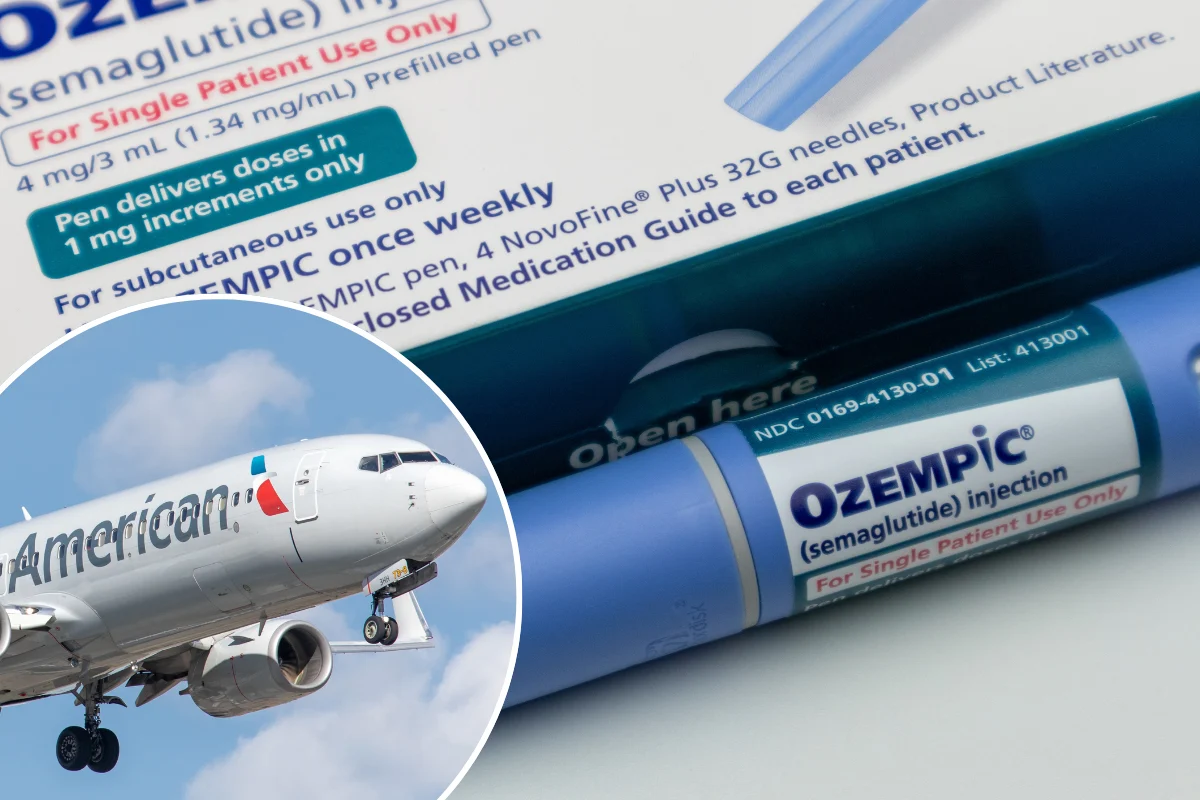
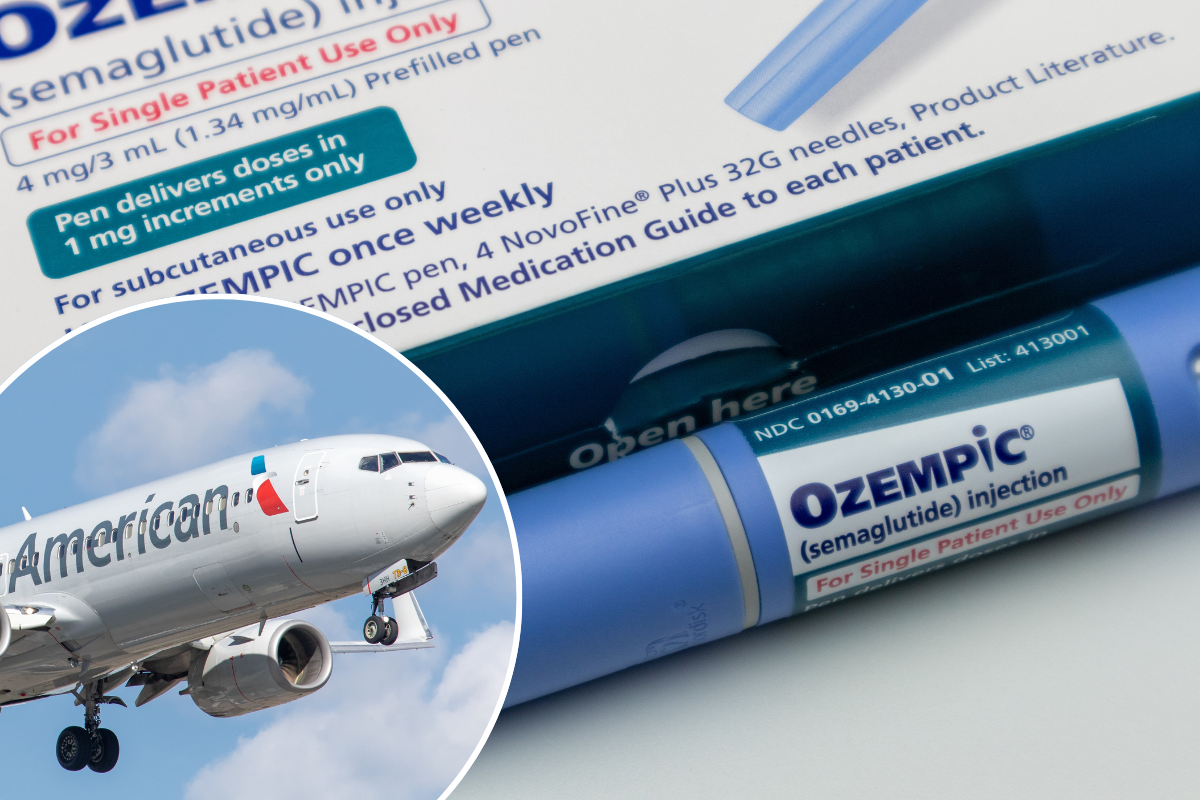
The global surge in the administration of glucagon-like peptide-1 (GLP-1) receptor agonists, such as semaglutide and tirzepatide—commercially known as Wegovy, Ozempic, Mounjaro, and Zepbound—has introduced a complex logistical challenge to the commercial aviation sector. As these medications become a staple in the chronic management of obesity and type 2 diabetes for millions of individuals, the intersection of pharmaceutical requirements and airline safety protocols has become a point of friction. For flight crews, a new and frequent passenger request has emerged: the demand for onboard refrigeration of injectable pens. However, due to stringent liability, safety, and regulatory frameworks, airlines are increasingly reaffirming their policies that flight attendants cannot take possession of or store passenger medications in galley refrigerators.
The Cold Chain Challenge: Understanding GLP-1 Storage Requirements
The primary driver of passenger anxiety regarding these medications is the "cold chain"—the temperature-controlled supply chain required to maintain the efficacy of protein-based biological drugs. GLP-1 medications are peptides, which are sensitive to temperature fluctuations. According to manufacturer guidelines from Novo Nordisk and Eli Lilly, these drugs should ideally be stored in a refrigerator between 36°F and 46°F (2°C to 8°C).
While most GLP-1 medications can remain at room temperature (up to 86°F or 30°C) for a limited period—typically 21 to 56 days depending on the specific brand—travelers embarking on extended international trips or visiting high-temperature climates often fear that their expensive supply will denature. If these proteins are exposed to extreme heat or are accidentally frozen, they can lose their potency, rendering a multi-hundred-dollar injection useless. This biological sensitivity has led to a significant increase in passengers seeking assistance from airline staff to utilize the aircraft’s cooling facilities during long-haul flights.
Why Airlines Prohibit Onboard Medication Storage
Despite the growing demand, the commercial aviation industry maintains a nearly universal prohibition against storing personal medications in aircraft galleys. This stance is rooted in several operational and legal realities:
1. Regulatory and Sanitary Standards
Aircraft refrigerators are designed and certified for the storage of food and beverage catering. International health and safety regulations, such as those overseen by the Food and Drug Administration (FDA) in the United States or the European Union Aviation Safety Agency (EASA), dictate strict separation between medical items and food service to prevent cross-contamination. Storing a biological injectable alongside passenger meals poses a hygiene risk that airlines are unwilling to assume.
2. Temperature Inconsistency
Galley refrigerators are not medical-grade units. They are subject to frequent openings by cabin crew and may experience temperature fluctuations that could inadvertently damage the medication. Furthermore, some galley cooling systems utilize "chillers" that can drop below freezing temperatures in certain zones. If a GLP-1 pen freezes, the internal structure of the peptide is destroyed, and the medication must be discarded.
3. Liability and Chain of Custody
If a flight attendant accepts a medication for storage, the airline effectively takes legal custody of a high-value prescription drug. Should the medication be lost, forgotten by the passenger upon deplaning, or spoiled due to a mechanical failure of the refrigerator, the airline could be held liable for the replacement cost and potential health complications arising from a missed dose.
4. Space Constraints
On long-haul wide-body aircraft, galley space is calculated to the centimeter. With hundreds of meals, beverages, and duty-free items to store, there is often no dedicated space for the increasing volume of medical items passengers are bringing on board.
The Growth of the GLP-1 Market and Its Impact on Travel
The scale of this issue is reflected in the explosive growth of the GLP-1 market. Financial analysts at Goldman Sachs and J.P. Morgan have projected that the market for these drugs could reach $100 billion by 2030. In the United States alone, it is estimated that over 15 million adults have used a GLP-1 medication.
As the demographic of the "GLP-1 traveler" expands, the aviation industry is seeing a shift in passenger needs. Unlike insulin, which has been a staple of medical travel for decades, GLP-1s are often used by a broader segment of the leisure and business travel population who may be less experienced with the rigors of maintaining a medical cold chain. This has led to a "knowledge gap" where travelers assume that airline service extends to medical refrigeration, similar to how they might expect a special meal or a blanket.
Chronology of GLP-1 Approvals and the Rising Conflict
The timeline of GLP-1 development highlights how quickly this challenge has materialized for the airline industry:
- 2017: The FDA approves Ozempic (semaglutide) for type 2 diabetes.
- 2021: Wegovy is approved for chronic weight management, leading to a massive surge in prescriptions.
- 2022-2023: Global shortages and high demand make the medications "liquid gold," increasing passenger desperation to protect their supply.
- 2024: Airlines report a record number of inquiries regarding medical refrigeration, prompting internal memos to cabin crews to strictly enforce "no-storage" policies.
Industry Responses and Official Guidelines
The International Air Transport Association (IATA), which represents some 330 airlines comprising 80% of global air traffic, provides clear guidance on this matter. IATA’s Passenger Medical Clearance Guidelines suggest that passengers traveling with temperature-sensitive medications must be self-sufficient.
Airlines such as Delta, United, and Lufthansa have published specific "Traveling with Medication" sections on their websites. Lufthansa, for example, explicitly states: "Please note that it is not possible to cool medication on board. We recommend that you bring your medication in a cool bag." Similarly, British Airways advises passengers that they cannot take responsibility for keeping medication cold and suggests that travelers speak with their pharmacist about appropriate travel containers.
Practical Solutions for the Modern Traveler
Since airline intervention is not a viable option, passengers are turning to specialized equipment to manage their medications. These solutions range from passive cooling to active electronic refrigeration:
Passive Cooling: Medical Cool Bags
The most common solution is the insulated medical bag. These cases typically use gel packs or "cold bricks" that are frozen prior to travel. High-quality cases can maintain a temperature of 2-8°C for 12 to 24 hours. However, travelers must ensure that their gel packs are fully frozen when passing through security checkpoints; the Transportation Security Administration (TSA) and other global security agencies generally allow frozen gel packs for medical purposes, but may subject them to additional screening if they have begun to melt into a liquid state.
Active Cooling: Portable Refrigerators
For long-haul travel or multi-day itineraries involving layovers, passive bags may be insufficient. This has birthed a market for portable, battery-powered medical fridges. One notable example is the "Cube" by Tec4Med, a device endorsed in marketing materials by Lufthansa. These devices use advanced vacuum insulation and battery power to maintain precise temperatures for up to 60 or 70 hours. While expensive—often retailing for upwards of $400—they offer a level of security that passive bags cannot provide, especially in tropical climates.
Analysis of Broader Implications
The refusal of airlines to store medication is more than a customer service hurdle; it is a reflection of the evolving nature of the "medicalized" traveler. As pharmaceutical advancements allow for the home management of more complex conditions, the infrastructure of public transport is being tested.
We may eventually see a shift in cabin design. Future aircraft interiors could potentially include small, lockers-style medical refrigeration units that passengers can rent or use for a fee, much like onboard Wi-Fi. However, until such infrastructure exists, the burden of care remains entirely with the passenger.
The implications also extend to the hospitality sector. Hotels are increasingly being asked to provide "medical fridges" in rooms. Unlike standard mini-bars, which are often not cold enough or are prone to freezing items placed near the cooling element, medical fridges must be calibrated for precision.
Conclusion: The Necessity of Pre-Flight Planning
For the millions of individuals now utilizing GLP-1 therapies, travel requires a new layer of preparation. The consensus among aviation experts, flight crews, and medical professionals is clear: passengers must treat their medication as their own responsibility from the moment they leave their home until they reach their destination.
Flight attendants, while tasked with passenger safety and comfort, are not equipped or authorized to act as medical couriers. As the "GLP-1 revolution" continues to reshape public health, the travel industry will continue to hold a firm line on refrigeration policies, placing the onus on the traveler to invest in the necessary technology to keep their medications safe. Preparation, rather than expectation of onboard service, is the only way to ensure that a long-awaited trip isn’t spoiled by a denatured dose of life-changing medication.




 Anjar Salim
 Dwi Wanna
 Lukman Taruna Persada Ramadan
 Chandra Hamzah
 Gabriela Annisa