Cholid Fahmi Thalib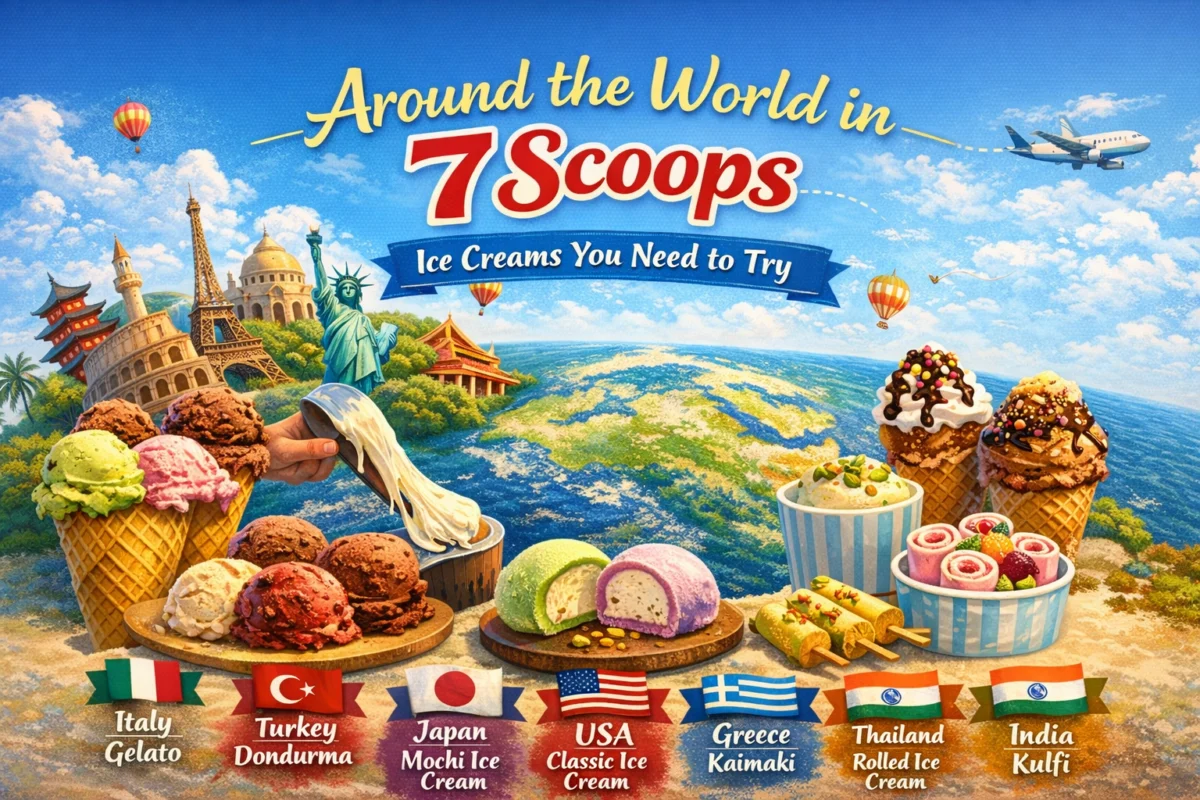
What is considered a delightful frozen treat in one corner of the world might be a completely different experience in another. Beyond the familiar flavors of vanilla and chocolate, the concept of ice cream has evolved into a complex tapestry of textures, traditions, and culinary innovation across the globe. This exploration delves into seven distinct ice cream variations from different countries, highlighting their unique ingredients, preparation methods, and cultural significance, offering a comparative look at this universally beloved dessert.
The Evolution of Frozen Desserts: A Historical Perspective
While the modern concept of ice cream, particularly its dairy-based, sweetened form, gained prominence in the 17th century, the history of frozen desserts stretches back much further. Ancient civilizations are believed to have enjoyed chilled concoctions. Roman Emperor Nero, for instance, reportedly sent runners to the mountains to fetch snow, which was then flavored with fruits and honey. Similarly, in China, a frozen mixture of milk and rice was consumed as early as 200 BCE. These early forms, however, differed significantly from contemporary ice cream, often lacking the creamy emulsification achieved through churning and the use of dairy fat.
The true progenitor of what we recognize as ice cream likely emerged in Italy during the Renaissance. Caterina de’ Medici is often credited with introducing frozen desserts to France in the 16th century, sparking a trend among the aristocracy. By the 18th century, ice cream recipes began appearing in cookbooks, and its popularity grew, though it remained a luxury item due to the difficulty and expense of obtaining ice. The invention of the hand-cranked ice cream freezer in the United States in the mid-19th century democratized the dessert, making it more accessible to the general public and paving the way for the diverse regional variations we see today.
Seven Countries, Seven Unique Frozen Delights
This journey will explore seven distinct frozen desserts, each offering a unique sensory experience and reflecting the culinary heritage of its origin.
Italy: The Refined Art of Gelato
Italy is synonymous with gelato, a term that, while often used interchangeably with ice cream, represents a distinct and refined approach to frozen desserts. Gelato is traditionally made with a higher proportion of milk to cream compared to standard ice cream, resulting in a lower fat content. This, combined with a slower churning process, incorporates less air, leading to a denser, silkier texture. Furthermore, gelato is typically served at a slightly warmer temperature than ice cream, a practice that intensifies its flavors.
The emphasis in Italian gelato is on the purity and intensity of natural ingredients. Flavors like pistachio, sourced from Bronte in Sicily, or intensely dark chocolate, are celebrated for their authentic taste. Stracciatella, a classic, features ribbons of chocolate embedded within the creamy base. The artisanal gelaterias scattered across Italy are not merely shops; they are culinary institutions where passion and tradition converge to create these delightful frozen treats. The economic impact of gelato production in Italy is significant, supporting local dairy farmers and contributing to the country’s robust tourism industry, with visitors flocking to experience authentic gelato firsthand. Data from Italian industry associations suggest that the gelato sector generates billions of euros annually.
Turkey: The Dramatic Elasticty of Dondurma
Turkish dondurma offers a theatrical and textural departure from conventional ice cream. Its characteristic chewiness and elasticity are attributed to the inclusion of two key ingredients: salep and mastic. Salep, a flour derived from the tubers of wild orchids, acts as a natural thickener and emulsifier. Mastic, a resin from the mastic tree native to the Greek island of Chios but also cultivated in parts of Turkey, contributes a unique, subtly pine-like aroma and a slightly chewy quality.
The preparation of dondurma is as much a performance as it is a culinary process. Vendors, often clad in traditional attire, use long-handled paddles to vigorously whip and stretch the frozen mixture, demonstrating its remarkable resilience. This interactive serving ritual adds an element of entertainment, making the acquisition of dondurma an experience in itself. Historically, dondurma has been a street food staple, evolving from nomadic traditions and reflecting the resourcefulness of utilizing local ingredients. The prolonged melting time of dondurma, due to its dense composition, allows consumers to savor it over an extended period, a contrast to the quicker consumption of more aerated frozen desserts.
Japan: The Delicate Harmony of Mochi Ice Cream
Mochi ice cream exemplifies Japan’s penchant for meticulous craftsmanship and innovative textural combinations. It features a small sphere of ice cream enveloped in a soft, chewy outer layer of mochi, a Japanese confection made from glutinous rice flour. This fusion creates a delightful interplay between the smooth, cold interior and the yielding, slightly sweet exterior.
The popularity of mochi ice cream has surged globally, yet experiencing it in Japan offers a distinct appreciation for its origins. Japanese mochi ice cream often showcases unique and traditional flavors such as matcha (green tea), anko (sweet red bean paste), and black sesame. The precision with which the mochi is formed around the ice cream reflects Japan’s cultural emphasis on detail and aesthetic presentation. The global market for mochi ice cream is a testament to its appeal, with sales figures indicating consistent growth driven by consumer interest in novel dessert experiences.
United States: The Indulgent Spirit of American Ice Cream
American ice cream is often characterized by its richness, creaminess, and sheer abundance of choices. With a higher butterfat content than many European counterparts, it delivers a decadent mouthfeel. The United States boasts a vast and diverse ice cream industry, ranging from mass-produced brands to artisanal creameries that prioritize locally sourced ingredients and innovative flavor profiles.
The "American" ice cream experience encompasses a wide spectrum, from the simple pleasure of soft-serve cones at roadside stands to elaborate sundaes piled high with toppings, cookie dough, and brownie chunks. This tradition of indulgence and customization reflects a consumer culture that values choice and sensory pleasure. The U.S. is a leading consumer and producer of ice cream globally, with annual per capita consumption remaining consistently high. Companies like Ben & Jerry’s, known for their creative and often socially conscious flavor combinations, have become cultural icons, while smaller, local creameries contribute to the rich tapestry of American frozen desserts.
Greece: The Aromatic Allure of Kaimaki
Kaimaki stands out as a uniquely Greek frozen delight, distinguished by its signature flavor derived from mastic. This aromatic resin, harvested from the mastic tree on the island of Chios, imparts a subtle, complex taste that is simultaneously floral, pine-like, and slightly earthy. This distinctive flavor profile is unlike anything found in mainstream ice creams, offering a refreshing and intriguing sensory experience.
The texture of kaimaki is typically dense, smooth, and velvety, achieved through traditional preparation methods that may involve slow churning and minimal air incorporation. It is often served with a sprinkle of crushed pistachios, which add a complementary crunch and visual appeal. Kaimaki is not a recent culinary trend but a deeply rooted tradition, with its origins tracing back centuries. Its preservation and continued popularity are a testament to its enduring appeal and its role in Greek culinary heritage. The production of mastic itself is a specialized industry, primarily centered on the island of Chios, underscoring the exclusivity of kaimaki’s key ingredient.
Thailand: The Engaging Spectacle of Rolled Ice Cream
Thai rolled ice cream, also known as stir-fried ice cream, offers a dynamic and visually engaging dessert experience. The process begins with a liquid base of sweetened cream poured onto an extremely cold metal plate. Fresh fruits, candies, or other desired ingredients are then finely chopped and mixed into the base. As the mixture freezes rapidly, the vendor scrapes it into thin rolls, which are then artfully arranged in a cup.
This made-to-order approach ensures a 100% fresh product with a uniquely smooth and light texture. Originating from the streets of Bangkok, rolled ice cream has gained international recognition, with popular stalls and shops now found in cities worldwide. The interactive nature of its preparation, coupled with the customizable ingredient options, makes it a highly appealing dessert for consumers seeking both novelty and flavor. The entrepreneurial spirit behind the spread of rolled ice cream highlights its adaptability and global appeal.
India: The Richness of Kulfi
Kulfi offers a distinctly Indian take on frozen desserts, characterized by its dense texture and slow-melting properties. Unlike Western ice cream, kulfi is traditionally made by slowly simmering milk for extended periods until it thickens and reduces, concentrating its natural sweetness and creaminess. This meticulous process imbues kulfi with a rich, custard-like consistency.
Common flavorings for kulfi include aromatic spices like cardamom and saffron, floral notes of rose water, and the nutty richness of pistachios. These flavors are infused during the simmering process, creating a harmonious and complex taste profile. Kulfi is typically molded into conical or cylindrical shapes and frozen, often served on a stick. Its dense composition means it melts considerably slower than churned ice cream, allowing for a more leisurely enjoyment. Kulfi has a long history in the Indian subcontinent, evolving from royal kitchens to becoming a beloved street food and dessert enjoyed across all social strata. The economic implications are tied to local dairy production and the availability of traditional spices, forming an integral part of India’s diverse culinary landscape.
Broader Impact and Implications
The global diversity of ice cream underscores the power of culinary adaptation and cultural exchange. Each variation, from the dense chewiness of Turkish dondurma to the refined elegance of Italian gelato, tells a story of local ingredients, historical influences, and evolving tastes. The increasing accessibility of these diverse frozen desserts through international travel and globalized food trends suggests a growing appreciation for authentic culinary experiences.
Furthermore, the economic footprint of the ice cream industry is substantial, encompassing agriculture, manufacturing, retail, and tourism. The demand for specialized ingredients like salep or mastic can support niche agricultural sectors, while the popularity of unique frozen desserts can drive innovation and entrepreneurship. As consumers become more adventurous and informed, the market for artisanal and culturally specific frozen treats is likely to continue expanding. This global exploration of ice cream not only satisfies a sweet craving but also provides a window into the rich tapestry of human culture and culinary creativity. The simple act of enjoying a scoop of ice cream, in its myriad forms, becomes an opportunity to connect with traditions and flavors from around the world.



 Anjar Salim
 Chandra Hamzah
 Tatiana Tantri Indah Sari
 Budi Mulyono
 Lukman Taruna Persada Ramadan