
 Anjar Salim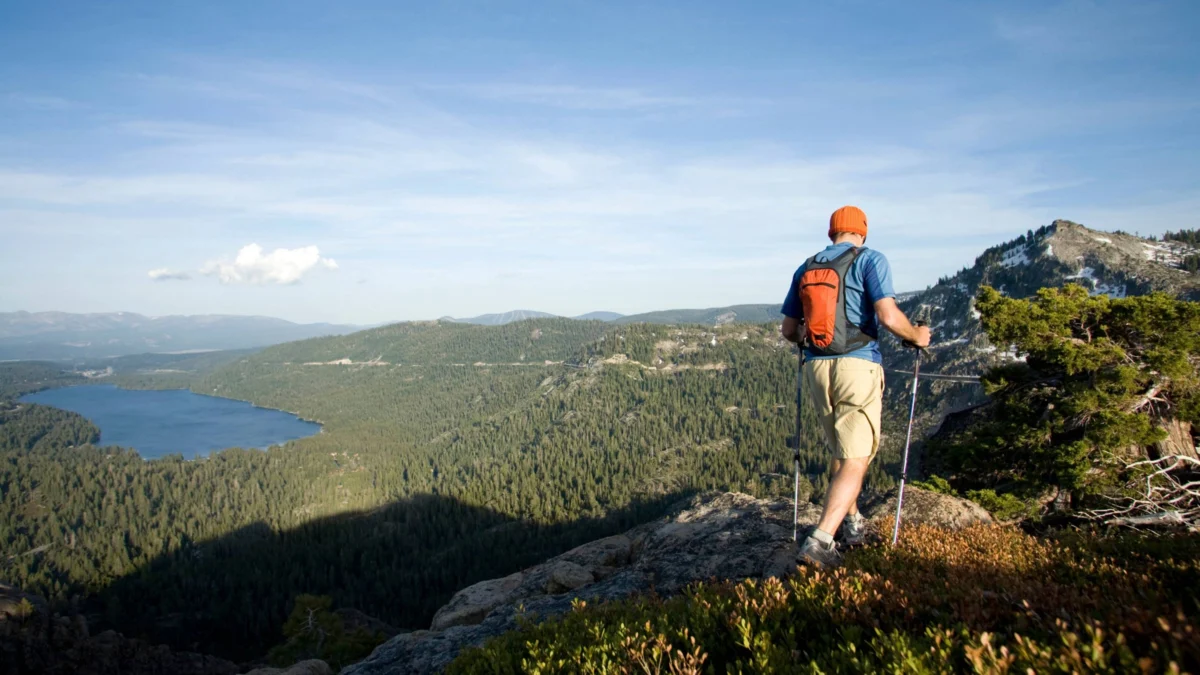
In a significant shift for the field of social psychology, new empirical research led by Dr. Paul Piff of the University of California, Irvine, has successfully quantified the profound impact that "awe" exerts on the human psyche. Historically, the sensation of awe—that overwhelming feeling of being in the presence of something vast and beyond one’s immediate understanding—was relegated to the realms of philosophy or theology. However, a multi-year study conducted at Lake Tahoe has provided rigorous data suggesting that these experiences are not merely fleeting moments of pleasure but are, in fact, essential drivers of mental health, pro-social behavior, and ecological conservation.
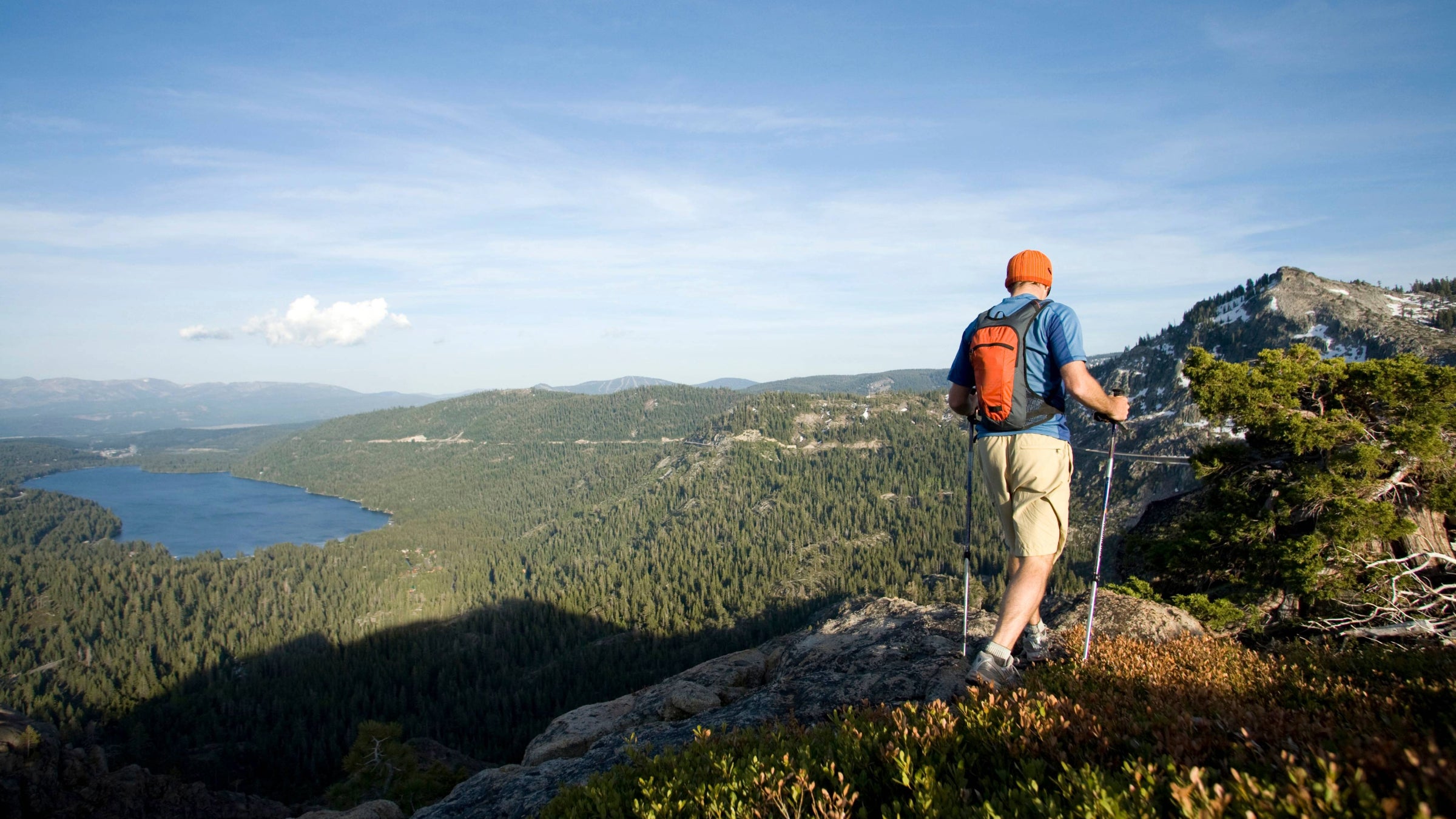
The study, which involved interviewing more than 1,000 participants across various locations in the Lake Tahoe basin, marks a milestone in the "Science of Awe." Dr. Piff and his team sought to determine if the majestic landscapes of the Sierra Nevada could produce measurable shifts in how individuals perceive themselves and their responsibilities to the world around them. The findings indicate that exposure to the high-altitude vistas, deep blue waters, and ancient forests of the region leads to significant improvements in overall well-being, life satisfaction, and a heightened sense of connection to the global community.
The Psychological Mechanism of the "Small Self"
Central to Dr. Piff’s research is the concept of the "small self." In the context of modern society, individuals are often consumed by "self-relevant" goals—personal stressors, career ambitions, and digital distractions that center the ego. When a person encounters a landscape as vast as Lake Tahoe, the psychological response is one of "perceptual vastness." This triggers a cognitive shift where the individual’s sense of self diminishes in size relative to the environment.
This reduction in the ego does not result in a loss of self-esteem; rather, it fosters a sense of being part of a larger, more significant whole. Data from the study suggest that when the self feels "small" in the face of natural wonder, people become less narcissistic and more altruistic. They report a greater willingness to help others, a decrease in entitlement, and a more profound sense of empathy. By measuring these shifts in real-time among hikers and visitors, the research team has provided a blueprint for how nature-based interventions might be used to combat the rising tide of isolation and anxiety in the 21st century.
A Chronology of the Beyond Awestruck Study
The trajectory of this research began several years ago when Dr. Piff’s lab at UC Irvine started investigating the roots of pro-sociality. While early studies focused on how wealth and status influenced behavior, the team soon realized that external environments played a massive, yet under-researched, role in shaping human character.
In the spring of 2024, the team initiated the field phase of the project, selecting Lake Tahoe as their primary "laboratory." The location was chosen for its unique combination of accessible wilderness and dramatic topography. Over the course of two years, researchers stationed themselves at trailheads, shorelines, and overlooks, using a mix of qualitative interviews and quantitative surveys to track the emotional states of visitors.
By late 2025, the data reached a point of statistical significance, leading to the production of "Beyond Awestruck: The Scientific Search for Connection." This three-part video series serves as the public-facing documentation of the study’s findings, bridging the gap between academic journals and the general public. The series details how the experience of awe acts as a "reset button" for the nervous system, lowering cortisol levels and promoting a state of "calm alertness" that persists long after the visitor has left the mountain.
Empirical Findings: Well-Being and Environmental Care
The data collected in the Tahoe basin revealed several key trends that have caught the attention of both the scientific community and public health officials. First, the "durability" of awe was found to be higher than that of general happiness. While a pleasant meal or a new purchase provides a short-term dopamine spike, an awe-inspiring experience in nature creates "mental landmarks" that individuals revisit in their minds for weeks or months, providing a sustained boost to contentment.
Furthermore, the study established a direct correlation between the feeling of awe and "pro-environmental behavior." Participants who reported high levels of awe while hiking the Mount Tallac Trail or viewing the lake from the Tahoe Rim Trail were significantly more likely to support conservation initiatives and practice Leave No Trace principles. This suggests that the most effective way to encourage environmental stewardship is not through fear-based messaging about climate change, but through the facilitation of awe-inspiring experiences that make the environment feel worth protecting.
Case Studies in Awe: The Tahoe Laboratory
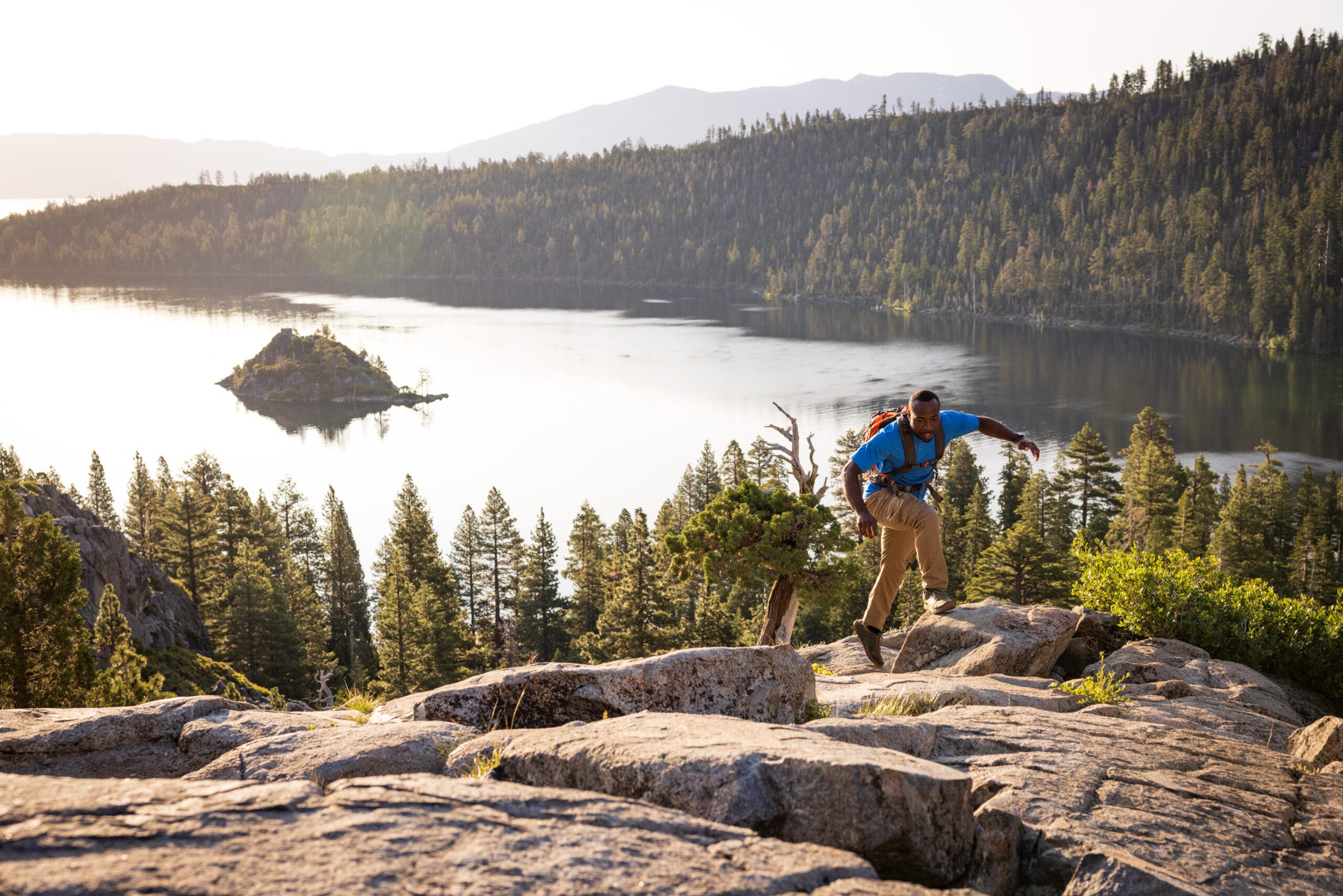
The research highlighted three specific areas within the Lake Tahoe region that served as primary sites for data collection, each offering a different "flavor" of awe.
The Tahoe Rim Trail: The Awe of Endurance and Scale
The Tahoe Rim Trail (TRT), a 165-mile loop that circumnavigates the lake, provided researchers with insights into "sustained awe." Unlike a quick stop at a roadside viewpoint, thru-hikers and section-hikers on the TRT experience a cumulative effect of wonder. The trail passes through two states, six counties, and three national forests. Dr. Piff’s team found that those who engaged with the trail over multiple days showed the most significant shifts in "collective identity," or the feeling of being part of a human community rather than an isolated individual. The TRT Association’s effort to break the trail into 14 manageable day hikes has made this high-level psychological benefit accessible to those who cannot commit to a multi-week expedition.
Mount Tallac: The Awe of Verticality and Perspective
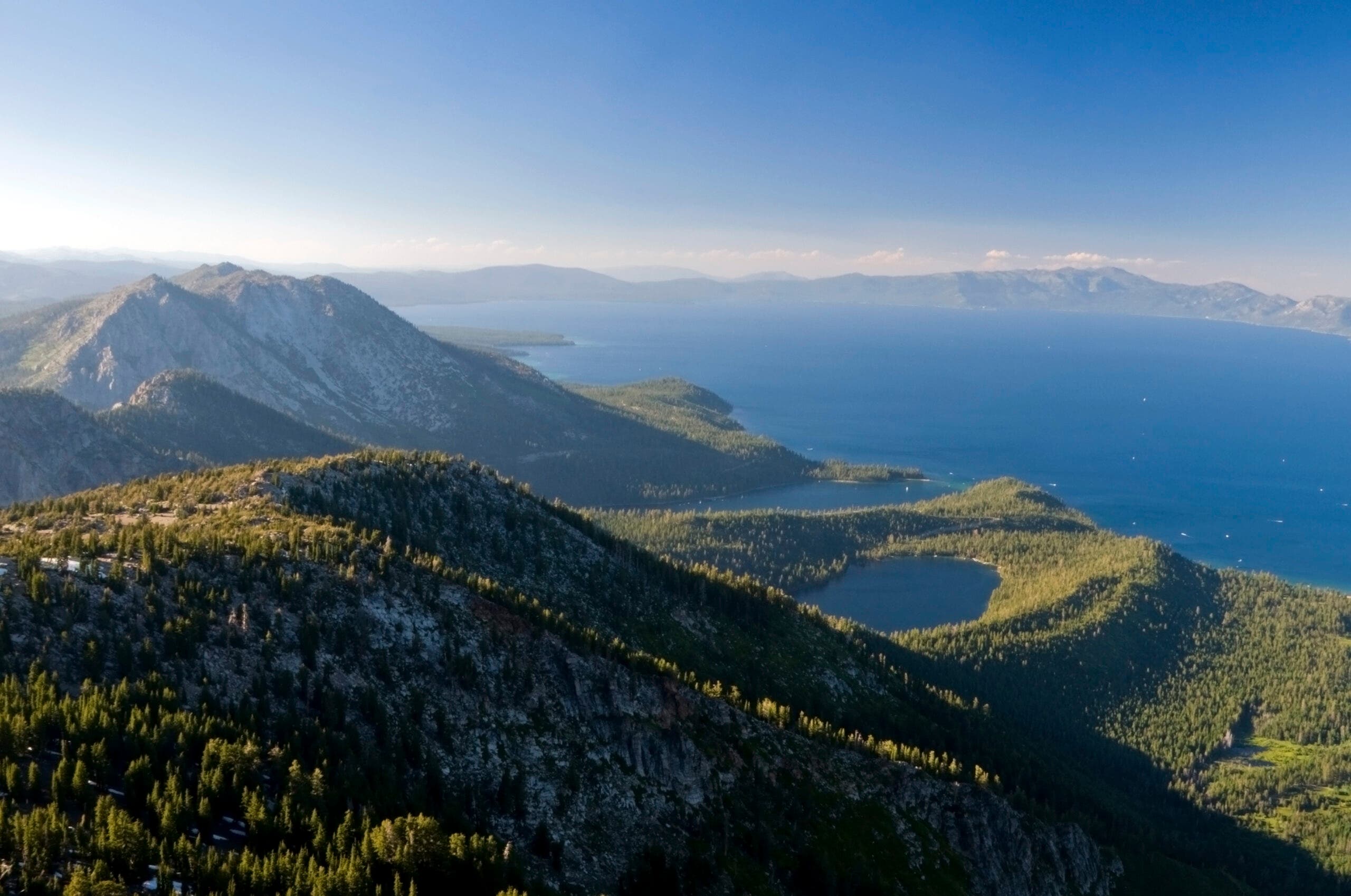
Standing at 9,738 feet, Mount Tallac offers perhaps the most dramatic visual contrast in the region. The hike to the summit is a grueling five-mile ascent that gains 3,300 feet of elevation. Researchers noted that the "effort-reward" cycle of this hike amplified the feeling of awe at the summit. When a person exerts significant physical effort to reach a spectacular viewpoint, the resulting awe is often accompanied by a sense of "personal growth" and "efficacy." The panoramic view of the vibrant blue lake against the rugged High Sierra granite provides a visual shock that consistently triggered the "small self" phenomenon in study participants.
Round Lake via Big Meadow: The Awe of Serenity and Detail
Not all awe is found on the highest peaks. The study also looked at "quiet awe" found in locations like Round Lake. This three-mile trek through Big Meadow offers a different sensory experience: the smell of wildflowers, the sound of creek crossings, and the sight of volcanic cliffs reflecting in still water. Data suggested that this form of awe is particularly effective for "stress recovery" and "attention restoration." For visitors coming from high-stress urban environments, the intimate beauty of the Big Meadow trail provided a necessary "soft fascination" that allowed the brain’s executive functions to rest and recharge.
Broader Implications and Official Responses
The implications of Dr. Piff’s research extend far beyond the tourism industry. Public health experts are beginning to view "nature prescriptions" as a legitimate tool for treating depression and anxiety. If awe can be scientifically proven to improve well-being, then access to awe-inspiring spaces becomes a matter of public health equity.
Organizations like Visit Lake Tahoe have responded to the research by shifting their focus toward "sustainable tourism." Understanding that the lake’s ability to inspire awe is its most valuable—and vulnerable—resource, they have integrated the study’s findings into their "Rules to Lake By" campaign. The goal is to ensure that the influx of visitors seeking psychological renewal does not degrade the very environment that provides it.
"Lake Tahoe is a jaw-dropping, mind-blowing, awe-inducing experience, and we now have the research to prove its importance to the human spirit," a spokesperson for Visit Lake Tahoe stated. "Our mission is to share this wonder with the world while working passionately to preserve its grandeur for future generations."
Conclusion: The Future of Awe Research
As the "Beyond Awestruck" series reaches a global audience, the scientific community is looking toward the next phase of research. Future studies may use neuroimaging to see how the "awe response" manifests in the brain’s default mode network, or explore how "micro-doses" of awe—such as looking at a single ancient tree in an urban park—compare to the "macro-doses" found at Lake Tahoe.
In an era defined by digital saturation and social fragmentation, the findings from Dr. Paul Piff’s team offer a compelling path forward. By stepping into the wilderness and allowing ourselves to feel small, we may find the very connection and contentment that has proven so elusive in the modern world. The granite peaks and sapphire waters of Lake Tahoe are no longer just a backdrop for recreation; they are a vital laboratory for the betterment of the human condition.




 Budi Mulyono
 Chandra Hamzah
 Tatiana Tantri Indah Sari

 Lukman Taruna Persada Ramadan