
 Budi Mulyono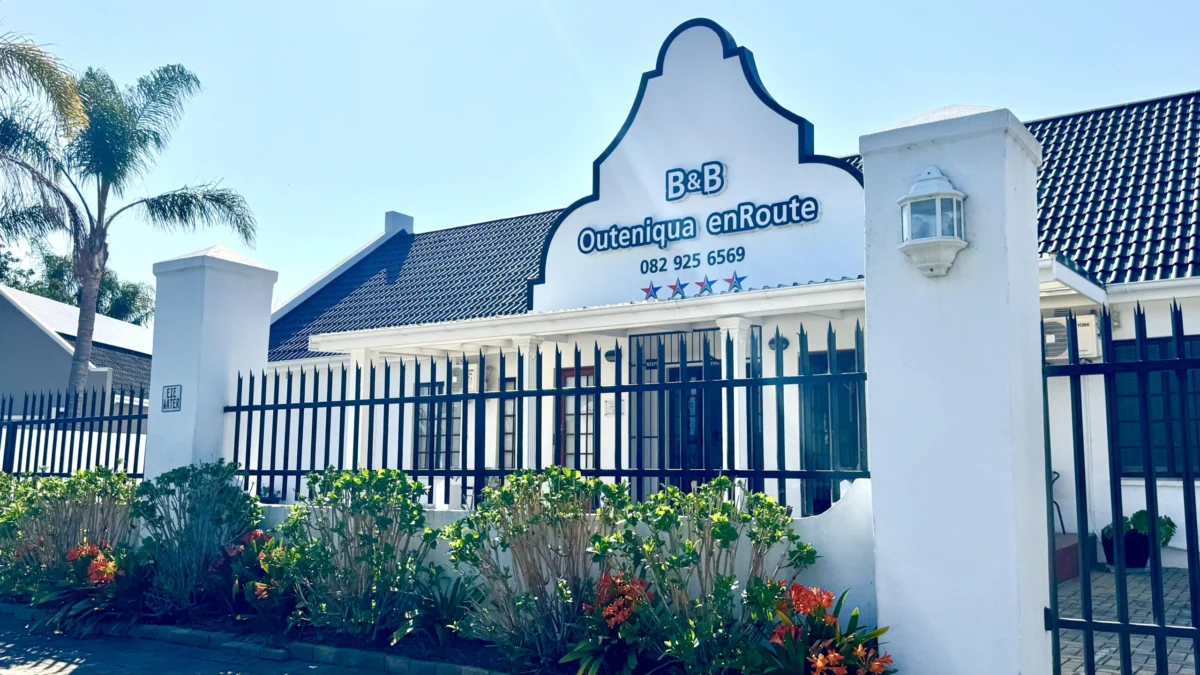
The hospitality sector in George, a pivotal city within the Western Cape’s Garden Route, is witnessing a sustained resurgence in international tourism, driven by a combination of high-value accommodation offerings and a concentrated cluster of world-class adventure attractions. As global travel patterns stabilize following the disruptions of the early 2020s, the region has positioned itself as a strategic gateway for travelers seeking a blend of domestic comfort and extreme sports. Central to this appeal is the Outeniqua En Route Bed and Breakfast, a representative example of the region’s robust hospitality infrastructure that has maintained operational consistency from the height of the pandemic through to the current period of economic recovery.
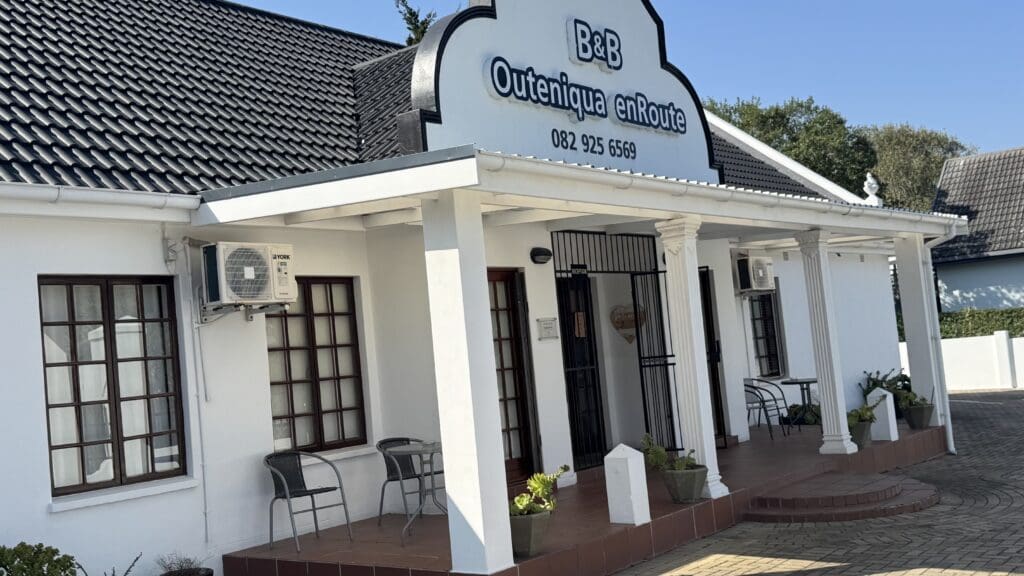
The Garden Route, a 300-kilometer stretch of the south-eastern coast of South Africa, has long been a cornerstone of the nation’s tourism economy. However, the city of George serves as its administrative and logistical heart. Recent data suggests that boutique establishments like En Route are benefiting significantly from the current valuation of the South African Rand against major foreign currencies. With nightly rates for high-quality rooms currently hovering between $78 and $88 for international visitors, the region offers a price-to-quality ratio that is increasingly difficult to match in European or North American coastal destinations.
The Evolution of the George Hospitality Market
The trajectory of the local tourism industry in George has been defined by resilience. During the global health crisis of 2020 and 2021, many establishments in the Western Cape were forced to pivot toward long-term stays or domestic travelers. Establishments such as En Route managed to maintain service levels during this period, fostering a sense of brand loyalty that is now manifesting in repeat annual visits from international guests. This loyalty is often attributed to the "South African host" philosophy—a cultural emphasis on personalized service and comprehensive amenities that exceed standard bed and breakfast expectations.

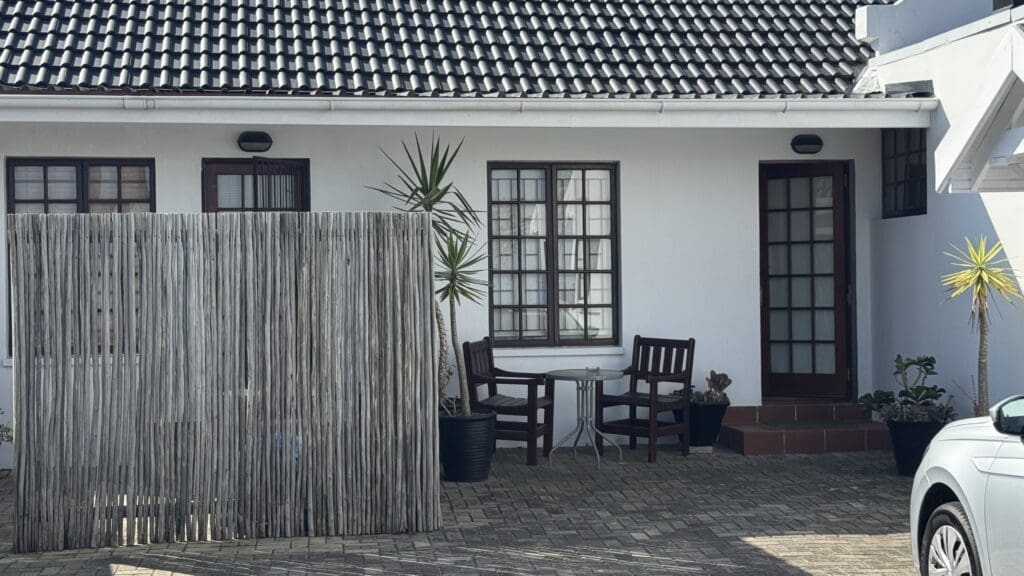
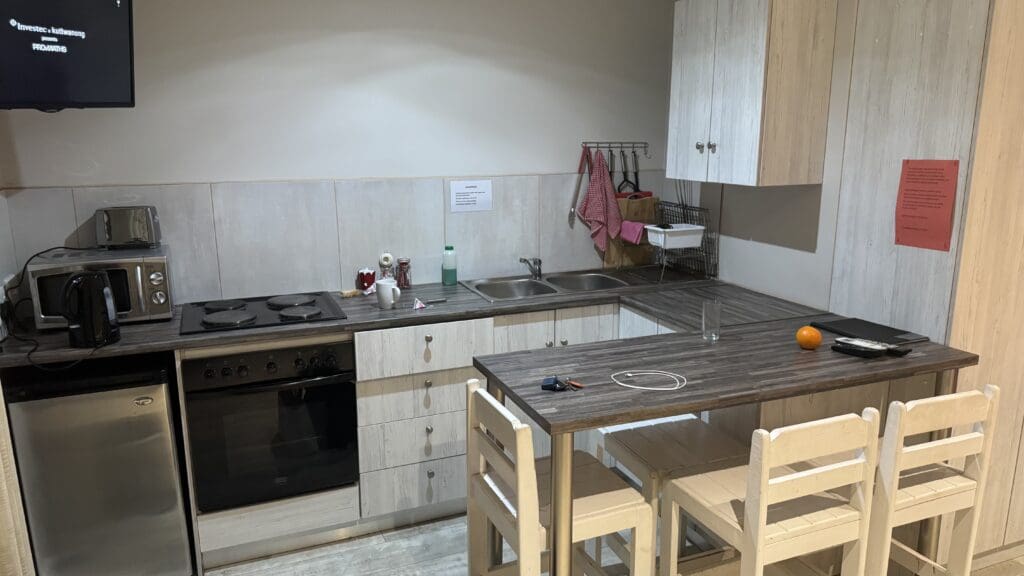
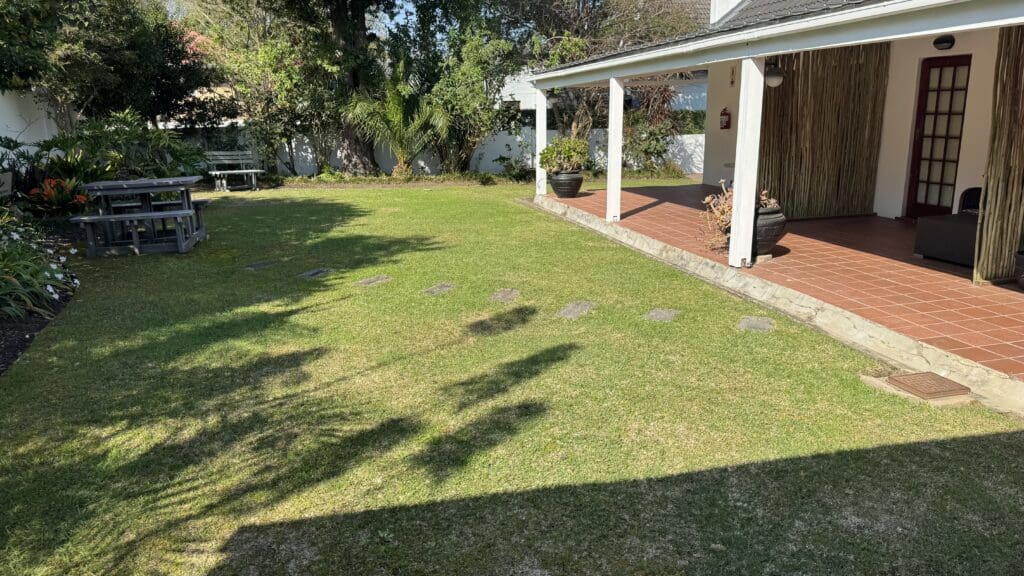
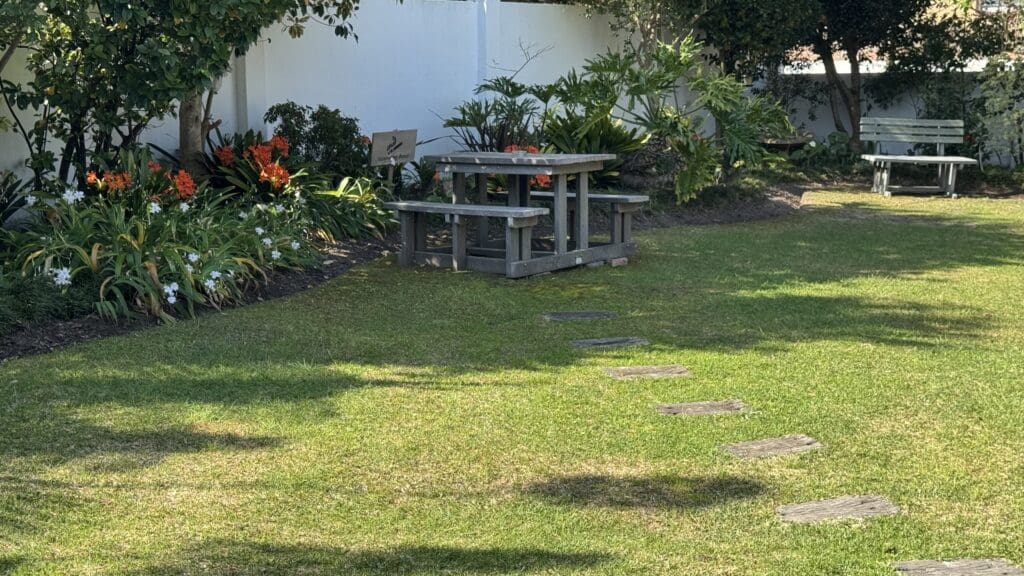
The architectural and functional design of these establishments has also evolved to meet the needs of the modern traveler. The Outeniqua En Route facility, for instance, utilizes a nine-room configuration that allows for a balance of privacy and communal interaction. Each unit typically features self-contained kitchenettes, separate bathrooms equipped with modern rain-shower fixtures, and private verandas. This hybrid model, which combines the services of a hotel with the self-sufficiency of an apartment, has become particularly attractive to the growing demographic of "slow travelers" and digital nomads who stay for extended periods.
Strategic Infrastructure and Security
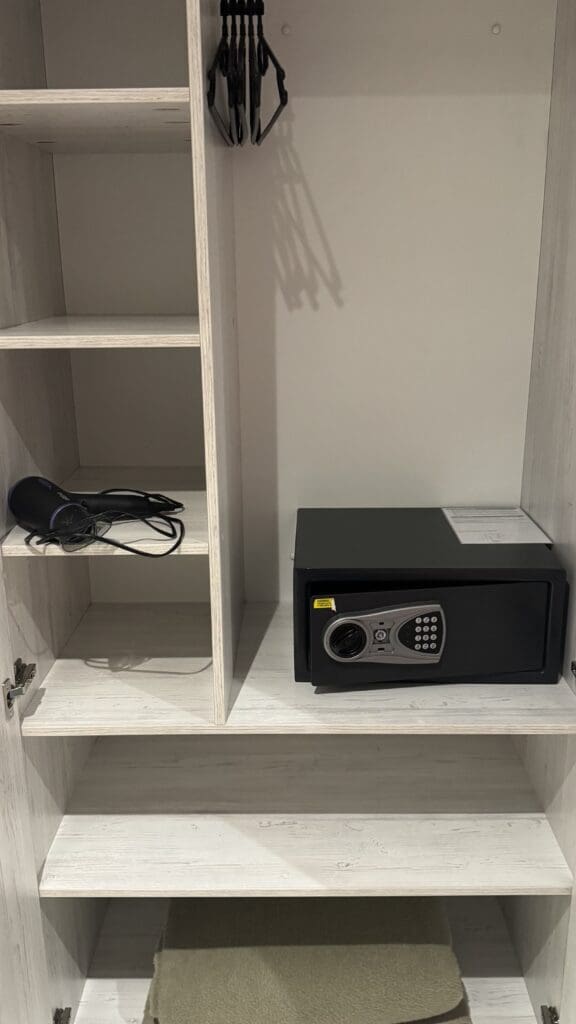
A critical component of the George tourism experience is the integration of security and ease of access. For many international visitors, the provision of secure, gated parking with remote access is a prerequisite for a comfortable stay. The hospitality sector in George has standardized these features, ensuring that guests can navigate the city with rental vehicles—the primary mode of transport for the Garden Route—without concerns regarding vehicle safety.

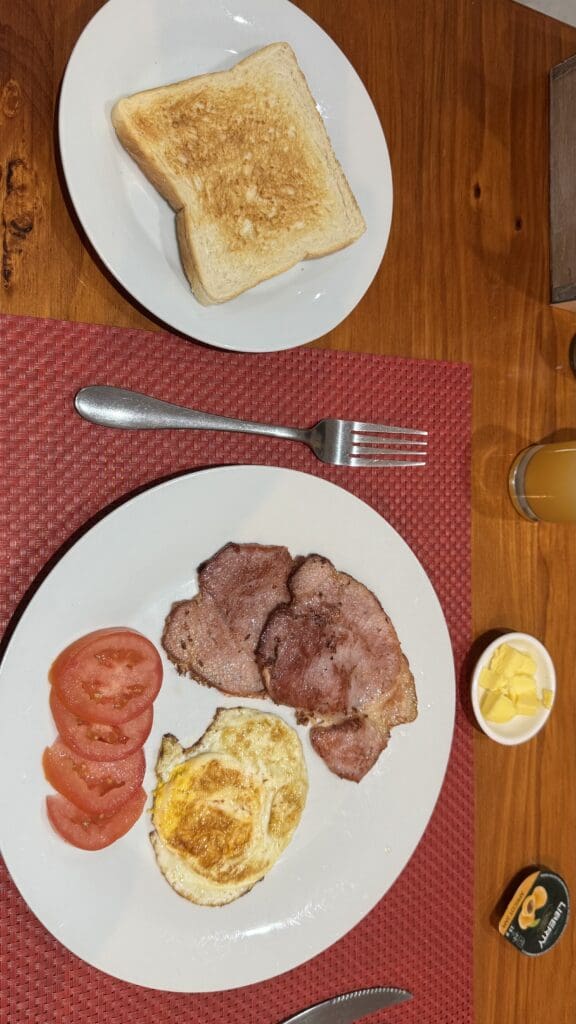
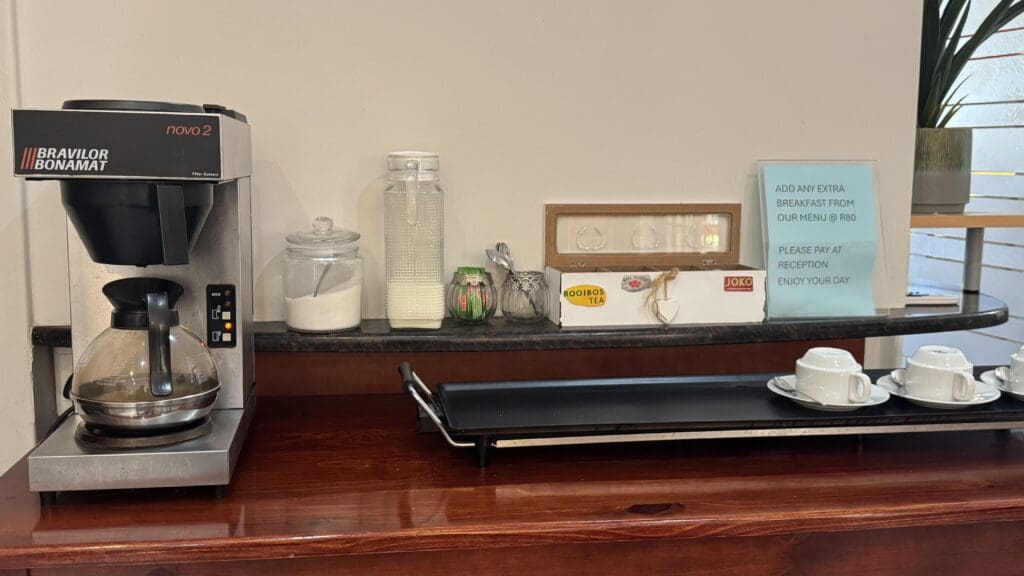
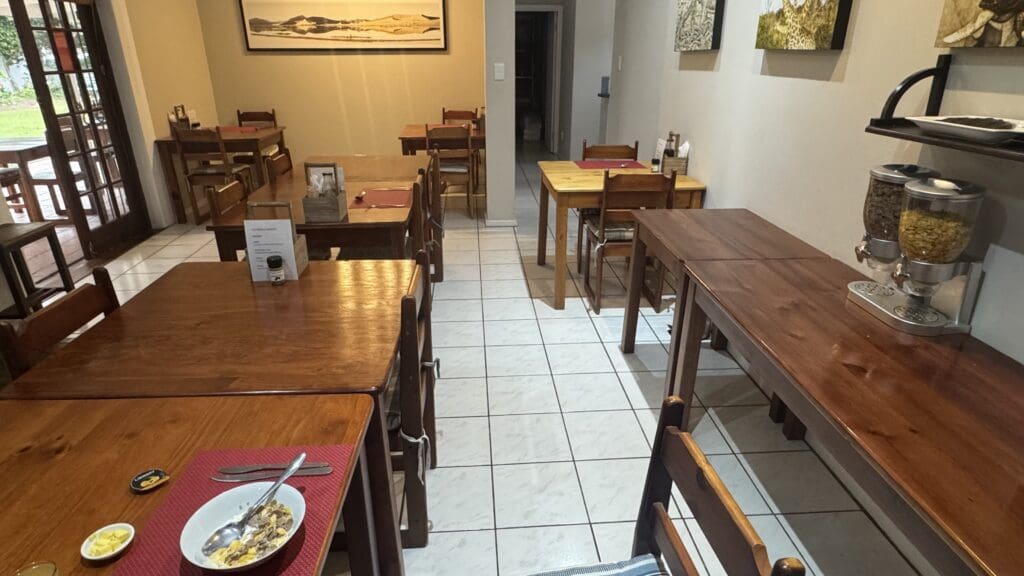
Furthermore, the operational stability of these establishments is often underpinned by long-term staffing. In the case of En Route, the consistency of the culinary offerings is maintained by kitchen staff with multi-year tenures. This continuity ensures that the "South African breakfast"—a staple featuring locally sourced bacon, fried tomatoes, eggs, and various preserves—remains a reliable draw for tourists. The dining infrastructure, often designed to accommodate the full capacity of the guest house simultaneously, reflects a broader regional trend of prioritizing social dining spaces that do not compromise on individual guest comfort.
George as a Geographic and Recreational Nexus
The city of George is uniquely positioned between the Outeniqua Mountains and the Indian Ocean, providing a microclimate and geography that supports a diverse range of activities. Within a 15-minute radius of the city center, travelers have access to three distinct beach environments. Victoria Bay remains a primary destination on the international surfing circuit, known for its consistent point break and amphitheater-like setting. In contrast, Herolds Bay provides a more sheltered, family-oriented environment, illustrating the geographic diversity that allows George to capture multiple tourism segments simultaneously.

Beyond the coastline, George has established itself as a premier destination for sports tourism, particularly golf. The presence of international icons like Ernie Els, who owns property and has designed courses in the area, has elevated the local golfing infrastructure to a global standard. The Fancourt Estate and other nearby courses contribute significantly to the local GDP, attracting high-net-worth individuals who often utilize local bed and breakfasts as secondary bases for their sporting excursions.

The Adventure Tourism Corridor: World Records and Engineering Feats
Perhaps the most significant driver of the recent tourism influx is the "Adventure Corridor" that extends from George in both directions along the N2 highway. This corridor contains two of the world’s most prominent extreme sports landmarks: the K3 Zipline and the Bloukrans Bridge.

Located on the drive between Cape Town and George, the K3 Zipline has recently garnered international attention as the world’s longest zipline. Spanning a staggering 3.2 kilometers (approximately 2 miles), the line transports riders from a mountain peak to a landing zone in a valley of yellow fynbos flowers. The engineering required to maintain tension and safety over such a distance has made it a focal point for adventure-tech enthusiasts.

Conversely, approximately two hours east of George lies the Bloukrans Bridge, home to the highest commercially available bridge bungee jump in the world. Standing 216 meters (709 feet) above the Bloukrans River, the jump involves a seven-second freefall before the bungee cord fully engages. The proximity of these two world-record-holding attractions allows George-based tourists to experience both the world’s longest zipline and the world’s highest bridge jump within a single day. This concentration of "bucket-list" activities is a primary reason for the Western Cape’s dominance in the Southern Hemisphere’s adventure tourism market.
Economic Implications and Market Analysis
The economic impact of this tourism synergy is profound. The ability of a single region to offer luxury golf, professional surfing, world-record adventure sports, and affordable high-end accommodation creates a "tourism cluster" effect. According to regional economic analysts, the success of George lies in its ability to serve as a mid-point hub. By providing a stable, secure, and affordable base like the Outeniqua En Route, the city captures the "spend" of travelers who might otherwise only pass through.
The current pricing structure of $78 to $88 per night for premium B&B accommodation is a key data point. When compared to similar coastal hubs in Australia or California, George offers a discount of approximately 50% to 60% for holders of US Dollars, Euros, or British Pounds. This "currency dividend" is being reinvested by tourists into the local economy through high-cost adventure activities and dining, creating a virtuous cycle for local business owners.
Furthermore, the environmental consciousness of the region is becoming a marketing point. Establishments in George frequently implement water-saving measures, such as the rain-shower heads and conservation signage noted at En Route. In a province that has historically faced water scarcity, these measures are not merely operational necessities but are increasingly viewed by international travelers as a sign of responsible and sustainable tourism management.
Conclusion and Future Outlook
The outlook for the Garden Route tourism sector remains overwhelmingly positive. The combination of established hospitality excellence, represented by the consistent service at En Route, and the aggressive development of adventure infrastructure, such as the K3 Zipline, has created a resilient economic ecosystem. As George continues to upgrade its airport facilities and road infrastructure, the city is set to move beyond its reputation as a transit point and solidify its status as a primary destination.
For the international traveler, the value proposition offered by the Western Cape is currently at a historic high. The ability to access world-class amenities and record-breaking adventures while supported by the genuine hospitality of the South African people remains a unique selling proposition. As long as the region maintains its balance of affordability, security, and high-octane recreation, George will continue to be a focal point for global travelers navigating the southern tip of the African continent. Establishments like Outeniqua En Route are not merely places to stay; they are the essential infrastructure that allows the Garden Route to thrive as a premier global travel destination.



 Anjar Salim
 Chandra Hamzah
 Tatiana Tantri Indah Sari

