Susilo Edi Turonggo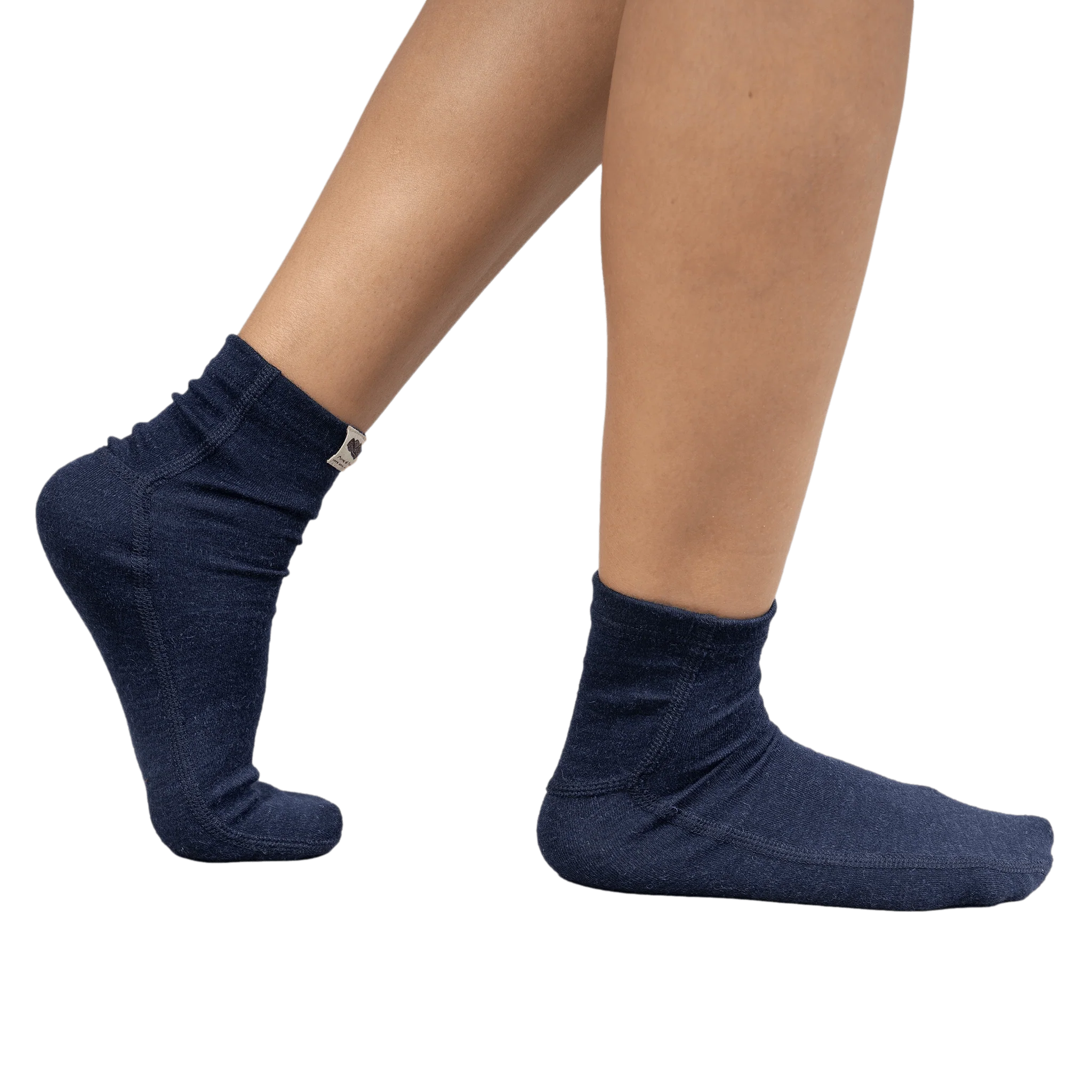
The seemingly simple choice of socks, often relegated to an afterthought in wardrobe selection, holds profound implications for personal health, comfort, and environmental sustainability. Far from being a mere accessory, the materials and dyes used in sock manufacturing can significantly impact skin sensitivity, overall well-being, and the planet. This detailed analysis delves into the hidden hazards of conventional socks, the rigorous standards defining non-toxic alternatives, and a curated selection of brands leading the charge towards healthier, more sustainable footwear.
The Hidden Hazards of Everyday Socks: A Deeper Look into Synthetics and Dyes
For many, the discomfort associated with synthetic socks extends beyond mere itchiness. The pervasive use of plastic-based fibers and chemical dyes in conventional hosiery poses tangible risks. Synthetic materials like polyester and nylon are petroleum-derived, inherently less breathable than natural fibers, and prone to trapping moisture and odors. This creates an ideal environment for bacterial growth, leading not only to unpleasant smells but also potential skin irritations and fungal infections.
However, the concerns extend deeper than comfort. The vibrant hues of many synthetic socks are often achieved using azo-benzene disperse dyes. These chemical compounds are not merely cosmetic; research indicates they are known skin sensitizers, capable of triggering allergic reactions such as contact dermatitis. More alarmingly, studies have suggested that certain azo dyes can be carcinogenic when absorbed through the skin. This risk is particularly elevated in socks, as the dyes can migrate more readily into the skin, especially when exacerbated by sweat and friction during daily wear. The close, prolonged contact socks have with the skin, combined with the often occlusive environment inside shoes, amplifies this absorption pathway. Beyond azo dyes, other chemicals commonly found in conventional textile processing, such as formaldehyde (used as an anti-wrinkle or anti-shrink agent) and heavy metals (used as mordants or pigments), can also contribute to skin irritation and pose broader health concerns.
From an environmental perspective, the reliance on synthetic fibers in socks contributes significantly to the global plastic pollution crisis. Each wash cycle of synthetic garments, including socks, releases microscopic plastic fibers, known as microplastics, into waterways. These microplastics persist in the environment, accumulating in ecosystems, harming marine life, and eventually entering the human food chain. Furthermore, the production of virgin synthetic fibers is energy-intensive and dependent on finite fossil fuel resources, contributing to greenhouse gas emissions and climate change. The lifecycle of a conventional synthetic sock, from its petroleum origins to its non-biodegradable end-of-life, presents a stark contrast to the regenerative potential of natural fiber alternatives.
The Rise of Conscious Footwear: Criteria for Safe and Sustainable Socks
Recognizing these challenges, a growing movement towards non-toxic and sustainably produced socks is gaining momentum. This shift is driven by consumer demand for healthier products and a heightened awareness of environmental responsibility. For brands seeking to meet these evolving expectations, adherence to stringent criteria across material sourcing, dyeing processes, supply chain ethics, and packaging is paramount.
Natural Fiber Revolution:
The cornerstone of non-toxic socks lies in their material composition. Opting for 100% natural fibers is the most effective way to mitigate sensitivities to synthetics and promote foot health. While finding socks entirely free of elastane (a synthetic often used for stretch and shape retention) can be rare, brands like Cottonique and Arms of Andes have successfully achieved this, catering to the most sensitive skin types. For others, a minimal synthetic blend, typically under 20%, is generally considered acceptable if the wearer has no specific sensitivities.
- Merino and Alpaca Wool: Performance and Ethics: These natural fibers are exceptional choices for socks due to their inherent properties. Merino wool, known for its superfine fibers, offers remarkable temperature regulation, moisture-wicking capabilities, and natural odor resistance. Alpaca wool, with its hollow fiber structure, is similarly moisture-wicking, incredibly soft, hypoallergenic, and provides excellent insulation without excessive weight. For wool products, the Responsible Wool Standard (RWS) certification is crucial. RWS ensures that wool comes from sheep that have been treated humanely, managing their land responsibly, and prohibits practices like mulesing—a painful surgical procedure. This certification provides transparency and assurance regarding animal welfare and land management practices.
- Organic Cotton, Tencel, Linen, Bamboo Viscose: Breathability and Renewable Sourcing:
- Organic Cotton: Cultivated without synthetic pesticides, herbicides, or genetically modified organisms (GMOs), organic cotton significantly reduces environmental impact compared to conventional cotton, which is notoriously water and chemical-intensive. The Global Organic Textile Standard (GOTS) is the leading worldwide standard for organic fibers, encompassing ecological and social criteria throughout the entire textile supply chain.
- Tencel (Lyocell): A regenerated cellulose fiber derived from sustainably sourced wood pulp, typically eucalyptus, Tencel is produced in a closed-loop system where solvents are recovered and reused, minimizing waste and environmental discharge. It is renowned for its exceptional softness, strength, and moisture-wicking properties, making it an excellent choice for comfortable and breathable socks.
- Linen: Derived from the flax plant, linen is a highly sustainable fiber known for its strength, breathability, and natural moisture-wicking capabilities. Flax requires minimal water and pesticides to grow, making it an environmentally friendly option.
- Bamboo Viscose: While bamboo itself is a sustainable crop, its processing into viscose rayon often involves harsh chemicals. However, when processed responsibly, bamboo viscose can result in a soft, breathable, and moisture-wicking fabric. Consumers should look for certifications that ensure responsible chemical management during its production.
For those not sensitive to synthetics but committed to sustainability, blends incorporating recycled materials such as recycled nylon or polyester offer a compromise, reducing the demand for virgin synthetic production. However, prioritizing a majority natural fiber content remains the recommended approach.
Dyeing for Health: Non-Toxic Pigments and Finishes:
For colored socks, the choice of dyes is as critical as the fibers themselves. Undyed options, embracing the natural hues of the fibers, represent the purest choice for individuals with extreme dye sensitivities. For dyed products, rigorous certifications provide essential assurance:
- Oeko-Tex Standard 100: This independent certification system tests textiles for harmful substances at all stages of production. An Oeko-Tex certified product is guaranteed to be free from concentrations of substances that are harmful to human health. It covers a wide range of chemicals, including azo dyes, heavy metals, and formaldehyde.
- bluesign®: The bluesign® system aims to eliminate harmful substances from the very beginning of the manufacturing process and sets and controls standards for environmentally friendly and safe production. It encompasses the entire supply chain, ensuring that products are made with responsible use of resources and the lowest possible impact on people and the environment.
Brands that maintain a Restricted Substances List (RSL) further demonstrate a proactive commitment to chemical management, meticulously vetting all dyes and finishes used in their products.
Ethical Production and Transparency:
Beyond materials and dyes, the ethical dimensions of manufacturing are increasingly scrutinized. A truly sustainable brand prioritizes transparency across its supply chain, ensuring fair labor practices and safe working conditions.
- Supply Chain Mapping: Brands that publicly disclose the locations of their supply chain partners, from fiber sourcing to final assembly, offer consumers unparalleled transparency. This allows for accountability and informed choice.
- Fair Trade Certification: This certification ensures that producers in developing countries receive fair prices for their products, empowering communities and promoting sustainable livelihoods. It addresses issues like fair wages, safe working conditions, and environmental protection.
- WRAP (Worldwide Responsible Accredited Production): WRAP is an independent, non-profit organization dedicated to promoting safe, lawful, humane, and ethical manufacturing around the world through its certification program.
- B Corp Certification: Certified B Corporations are businesses that meet the highest standards of verified social and environmental performance, public transparency, and legal accountability to balance profit and purpose. A B Corp certification signals a holistic commitment to ethical business practices.
Sustainable Packaging Initiatives:
Even for small items like socks, packaging waste can be substantial. Sustainable packaging choices are vital for minimizing environmental impact. Brands committed to sustainability often utilize:
- Compostable or Biodegradable Packaging: Materials that can naturally decompose without leaving harmful residues.
- Recycled and Recyclable Materials: Utilizing post-consumer waste in packaging and designing packaging to be easily recycled by consumers.
- Forest Stewardship Council (FSC) Certification: For paper and cardboard packaging, FSC certification ensures that materials come from responsibly managed forests that provide environmental, social, and economic benefits.
Navigating the Market: A Curated Selection of Non-Toxic Sock Brands
The market for non-toxic and sustainable socks is expanding, offering consumers a range of choices that prioritize health and planetary well-being without compromising on style or comfort. Below is a detailed overview of brands that meet stringent criteria, offering solutions for various needs and preferences.
1. Harvest & Mill: This brand exemplifies a commitment to local, dye-free production. Harvest & Mill crafts organic cotton socks in natural, unbleached colors. Their entire process—cotton growth, spinning, and knitting—occurs within the U.S., significantly shortening the supply chain and bolstering domestic agriculture. They demonstrate circularity by repurposing or recycling all fabric scraps and utilize compostable packaging. User feedback consistently praises their dye-free socks for being exceptionally cozy, breathable, and lightweight despite their thickness, providing excellent comfort without pressure from cuffs. Price Range: $11-$12 for single pairs, $33-$66 for packs. Available in most countries.
2. Subset (formerly Knickey): A Brooklyn-based brand, Subset is committed to PFAS-free products and offers Fair Trade and Oeko-Tex-certified organic cotton socks. Their cotton originates from an organic farm in India, where it also undergoes ginning, spinning, dyeing, and sewing, ensuring a traceable and ethical supply chain. While noted for their thinness, making them suitable for tighter-fitting or dressier shoes, user experiences indicate the elastic cuff is well-integrated, preventing skin irritation. It is important to note that Subset’s socks contain 24% synthetics, a factor for individuals with heightened sensitivities. Price Range: $12. Available in the U.S., Australia, Canada, and most European countries.
3. Paka: A certified B Corp, Paka excels in producing durable, lightweight socks predominantly from alpaca wool and Tencel. These socks are celebrated for their moisture-wicking and odor-resistant properties, dyed with Oeko-Tex-certified dyes, and crafted by Peruvian artisans. Paka’s commitment to sustainability extends to its biodegradable and compostable packaging. User reviews highlight their exceptional warmth, making them ideal for cold climates and winter activities, though some may experience a slight itchiness attributed to the natural texture of alpaca wool rather than chemical reactions. Paka’s socks incorporate up to 50% recycled synthetics for enhanced durability. Price Range: $20-$24 for single pairs, $48-$96 for bundles. Available worldwide.
4. Arms of Andes: Standing out for its dedication to 100% natural fibers, Arms of Andes offers socks completely free of synthetics. Their alpaca fiber slipper socks are sourced from free-range alpacas, ensuring ethical animal welfare. These Oeko-Tex-certified socks are lightweight yet well-insulated, soft, and moisture-wicking. The brand maintains a close collaborative relationship with co-op farmers in the Andes, overseeing the entire production process from sourcing to sewing. All orders are shipped in compostable packaging. Price Range: $20-$25 for single pairs, $65 for packs. Available in the U.S., the EU, and the UK.
5. Cottonique: Another pioneer in synthetic-free apparel, Cottonique specializes in 100% cotton, allergy-free products. Their socks are meticulously designed to be Latex-free, bleach-free, and hypoallergenic, featuring covered seams to eliminate rubbing. The brand collaborates with dermatologists to ensure its products are genuinely safe for sensitive skin. Organic cotton is sourced from India, manufacturing occurs in the Philippines, and compostable packaging is used. Price Range: $16 for single pairs of thigh highs, $16-$21 for packs. Available in most countries.
6. Boody: This Sydney-based brand offers a diverse range of socks varying in thickness, suitable for both relaxation and active wear. Boody utilizes Oeko-Tex-certified organic bamboo viscose from India, alongside organic cotton and recycled nylon. The brand upholds a strict code of conduct and partners with WRAP-certified facilities in China, Vietnam, and India, reflecting its commitment to ethical manufacturing. Price Range: $9.95-$17.95 for singles, $54 for bundles. Available in the U.S. and Canada.
7. Kotn: A certified B Corp, Kotn fosters direct trade relationships with local Egyptian cotton farmers, ensuring fair prices and supporting local communities. Their socks are made with organic cotton and Oeko-Tex-certified dyes, guaranteeing chemical safety. Kotn prides itself on a completely traceable supply chain and employs recycled and recyclable packaging. While providing excellent comfort and a professional aesthetic, some pairs contain up to 20% synthetics. Price Range: $10-$18 for single pairs. Available in most countries.
8. Quinn: Quinn designs garments specifically for individuals with eczema, emphasizing durability and skin-friendliness. Their selection of organic cotton non-toxic socks includes dye-free, lightweight, and mid-weight options. Designed in Canada, these socks are ethically produced in Oeko-Tex-certified factories in Portugal and Sri Lanka. While their cotton is GOTS-certified, the specific sourcing location is not always disclosed. User testing revealed both undyed cotton ankle socks and mid-weight merino wool options to be extremely comfortable and breathable; the merino wool socks, with their extra-thick heel, were particularly lauded for warmth during hiking and lounging. Some pairs contain up to 20% synthetics. Price Range: $15 for singles up to $75 for packs. Available in most countries.
9. Cariloha: This certified B Corp offers hypoallergenic socks crafted from bamboo viscose and organic cotton. Their Oeko-Tex and Fair Trade-certified bamboo is sourced from China, and they utilize FSC-certified paper packaging. While committed to these certifications, the specific manufacturing locations are not explicitly detailed. Price Range: $10-$15 for singles, $30-$45 for bundles. Available in the U.S., Australia, and Canada.
10. Dedicated: Dedicated specializes in Fair Trade organic cotton socks, often featuring bold and engaging patterns. Their cotton suppliers are WRAP-certified, and the manufacturing location for each pair is transparently listed on product pages. Consumers should be aware that their socks contain up to 25% elastane, which is a higher synthetic content than some other brands. Price Range: $9-$59. Available worldwide.
11. Darn Tough: Manufactured in Vermont at family-owned mills, Darn Tough socks are renowned for their comfort and exceptional durability. They incorporate RWS-certified merino wool in a variety of colorful and stylish designs. The brand uses Oeko-Tex-certified materials and adheres to a strict restricted substances list, regularly testing for hazardous chemicals. Their packaging utilizes FSC-certified recycled paper, compostable bags, and vegetable-based inks. A key consideration is their higher synthetic content, with some socks containing up to 50% synthetics, primarily for enhanced performance and longevity. Price Range: $15-$35 for singles, up to $84 for packs. Available in the U.S., the UK, and the EU.
12. Nisolo: While celebrated for its quality leather shoes, Nisolo, a certified B Corp, also offers a line of comfortable socks. These socks are produced in a family-owned mill in North Carolina, utilizing upcycled cotton, linen, wool, and recycled polyester. Nisolo emphasizes supply chain traceability and a commitment to paying living wages across its production network. Packaging is made with recycled materials. Notably, some of their socks contain up to 70% synthetics, primarily recycled polyester, making them a blend-heavy option. Price Range: $15-$20 for single pairs. Available in the U.S., Australia, Canada, and most European countries.
13. Swedish Stockings: Specializing in knee-highs and ankle socks, Swedish Stockings offers classic, supportive, colorful, and patterned options. Their products are made in Italy with Oeko-Tex-certified materials, including bamboo viscose, organic cotton, organic wool, recycled polyester, and both virgin and recycled elastane. It is important to note that some of their sock offerings are fully synthetic, appealing to a different segment of the sustainable market focused on recycled content. Price Range: $19 for ankle sock bundles, $22-$45 for single knee highs, and $50-$90 for knee-high bundles. Available in most countries.
The Broader Implications: A Step Towards a Healthier and Greener Wardrobe
The growing availability of non-toxic and sustainable socks signifies a broader shift in consumer consciousness and industry practices. What began as a niche concern for individuals with severe skin sensitivities has evolved into a mainstream imperative, driven by a collective desire for products that are not only safe for personal health but also responsible towards the environment and society.
This movement represents a powerful example of consumer empowerment. By choosing brands that prioritize natural fibers, non-toxic dyes, ethical labor, and sustainable packaging, consumers actively contribute to a more transparent, accountable, and environmentally friendly textile industry. The demand for certifications like Oeko-Tex, GOTS, RWS, and Fair Trade pushes manufacturers to adopt more responsible production methods, fostering innovation in material science and supply chain management.
Looking ahead, the future of sustainable textiles in footwear promises further advancements. Continued research into bio-based and regenerative fibers, along with closed-loop manufacturing systems, will likely offer even more eco-conscious options. As awareness grows, the "insignificant" sock transforms into a symbol of a thoughtful, holistic approach to fashion and personal care, underscoring that every purchase has an impact. Ultimately, embracing non-toxic socks is more than a comfort choice; it is a conscious step towards a healthier lifestyle and a more sustainable planet.


 Budi Mulyono
 Lukman Taruna Persada Ramadan
 Chandra Hamzah
 Gabriela Annisa
 Tatiana Tantri Indah Sari