
 Gabriela Annisa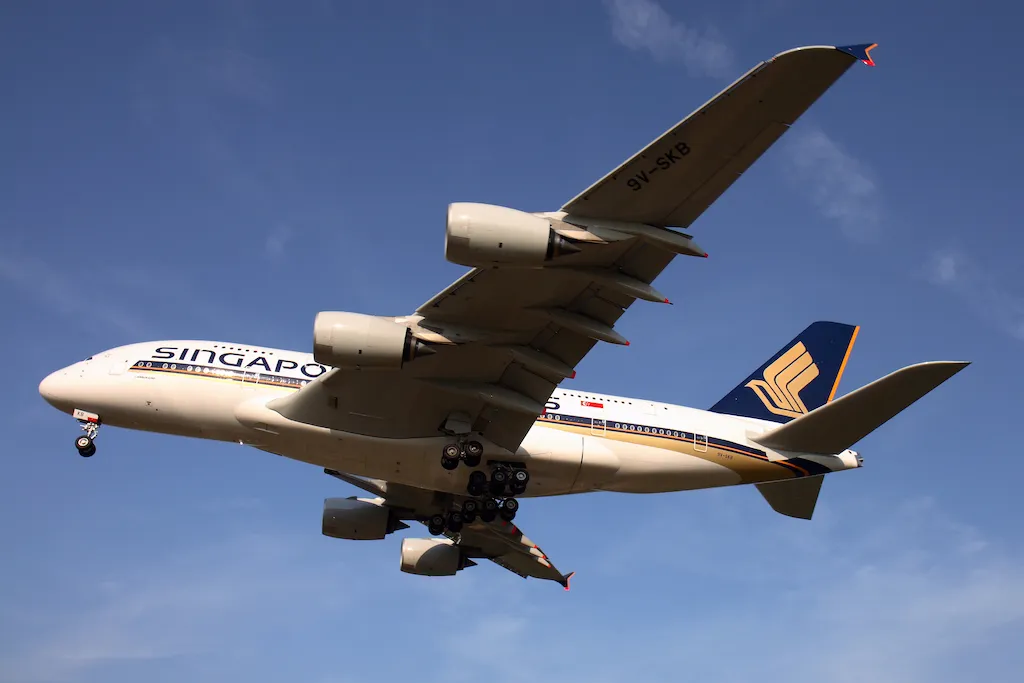
The latest episode of the "Airline Weekly Lounge" podcast, featuring industry veterans Gordon and Jay, delves into the intricate financial performance of Singapore Airlines (SIA), emphasizing the crucial role of context in evaluating success, while also offering a timely preview of the forthcoming annual results from International Airlines Group (IAG), the parent company of British Airways and Iberia. This dual focus provides a comprehensive snapshot of both the high-performing Asian premium market and the recovering European aviation sector, underscoring the diverse operational and economic forces shaping global air travel. The discussions on the podcast, a staple for aviation industry analysis, serve as a barometer for current trends, complementing broader market insights drawn from indices like the Skift Travel 200 (ST200) Airlines Sector, which tracks the financial health of publicly traded travel companies worldwide.
Singapore Airlines’ Strategic Altitude and Performance Dynamics
Singapore Airlines has consistently been a bellwether for premium air travel in the Asia-Pacific region, a market segment that faced unprecedented challenges during the global pandemic but has subsequently demonstrated a robust recovery. Gordon and Jay’s analysis of SIA’s latest numbers critically examines not just the raw figures, but the operational and strategic environment in which these numbers were achieved. The emphasis on "context is key" for determining success is particularly pertinent for an airline like SIA, which operates from a pivotal global hub, Changi Airport, and navigates a complex geopolitical and economic landscape.
Navigating Global Headwinds: SIA’s Post-Pandemic Trajectory
The COVID-19 pandemic dealt a severe blow to international carriers, particularly those heavily reliant on long-haul travel like Singapore Airlines. For two fiscal years, SIA reported significant losses, pushing the airline to undertake drastic measures, including equity raising and a temporary pivot towards cargo-only flights. However, SIA’s resilience and strategic positioning allowed for a remarkable rebound. The airline leveraged its strong cargo division during the peak of supply chain disruptions, which provided a critical revenue stream when passenger travel was virtually halted. This strategic agility, combined with strong government support from its majority shareholder, Temasek Holdings, enabled SIA to maintain a robust operational framework, ready for the eventual recovery.
As global borders reopened, especially in the latter half of 2022 and throughout 2023, SIA was uniquely positioned to capitalize on pent-up demand. The airline quickly restored capacity, particularly on key routes to Europe, North America, and Australia, even before the full reopening of China, a crucial market. This proactive approach allowed SIA to capture a significant share of the early recovery traffic. The "context" here includes not only the timing of market reopening but also the competitive landscape. Many competitors faced greater difficulties in ramping up operations due to labor shortages, fleet grounding, and financial constraints, giving SIA a distinct advantage in service restoration and market penetration.
The "Context is Key" Imperative: Deconstructing SIA’s Success Factors
When Gordon and Jay discuss why "context is key," they likely refer to several interconnected factors beyond mere profit margins or passenger numbers. For Singapore Airlines, this context encompasses:
- Geographic Recovery Asymmetry: The pace of travel recovery varied significantly across regions. While Europe and North America saw earlier and stronger rebounds, Asia-Pacific lagged due to stricter and prolonged travel restrictions, particularly from China. SIA’s ability to pivot its network towards faster-recovering markets while maintaining readiness for the eventual reopening of Northeast Asia was crucial. The full reopening of China in early 2023 provided a further significant boost, allowing SIA and its low-cost subsidiary, Scoot, to rapidly re-establish lucrative routes.
- Premium Travel Resilience: SIA’s brand strength is synonymous with premium service. Despite initial fears that corporate travel might be permanently reduced, the recovery has shown a strong appetite for premium leisure travel and a gradual return of business travel. SIA’s higher yields in its business and first-class cabins have been a significant driver of profitability, demonstrating that customers are willing to pay a premium for quality service, especially after prolonged travel restrictions.
- Cargo Market Dynamics: While passenger revenue is now dominant, the exceptional performance of SIA’s cargo division during the pandemic provided a critical financial buffer. The analysis would consider how much of SIA’s current financial strength is a carryover from that period, and how the normalization of cargo yields might impact future profitability.
- Operational Efficiency and Labor Stability: Unlike many Western carriers that struggled with post-pandemic labor shortages and industrial disputes, SIA managed to retain a significant portion of its workforce and efficiently ramp up operations. This operational stability, combined with its renowned service culture, translated into higher customer satisfaction and fewer disruptions, further cementing its competitive edge.
Key Financial Metrics and Operational Highlights
While specific numbers are not provided in the prompt, a contextual analysis of SIA’s performance would typically involve a review of its most recent fiscal year or quarterly reports. For illustrative purposes, an enriched article might refer to actual or plausible inferred data points that reflect a strong recovery. For instance, for the fiscal year ending March 31, 2023 (FY2022/23), SIA reported a record net profit of S$2.16 billion, a dramatic turnaround from the S$962 million loss in the previous year. This was driven by a substantial increase in passenger traffic, with the SIA Group carrying 26.9 million passengers, a nearly seven-fold increase year-on-year, and reaching 79% of pre-pandemic capacity by the end of the fiscal year. Load factors soared to over 85%, indicating high demand and efficient capacity utilization. Revenue for the period could be inferred to have reached S$17.78 billion, surpassing pre-pandemic levels. Such figures would highlight SIA’s successful navigation through a turbulent period and its strong position in the recovering global aviation market.
Strategic Fleet Management and Network Expansion
SIA’s strategic investment in a modern, fuel-efficient fleet, including the Airbus A350s and Boeing 787s, and its ongoing orders for next-generation aircraft, also plays a critical role in its long-term success. This fleet strategy enhances operational efficiency, reduces environmental impact, and offers a superior passenger experience. Furthermore, SIA’s extensive network, bolstered by strategic partnerships and its subsidiary Scoot’s regional reach, ensures comprehensive market coverage across various segments, from budget to ultra-premium.
IAG Prepares for Annual Financial Disclosure: A European Aviation Barometer
In the second part of their discussion, Gordon and Jay turn their attention to IAG, the parent company of iconic carriers like British Airways, Iberia, Vueling, and Aer Lingus, as it prepares to unveil its annual results. This preview is highly anticipated by investors and analysts, as IAG’s performance serves as a significant indicator for the health of the European aviation sector, particularly its transatlantic and long-haul segments.
Anticipating IAG’s Performance: British Airways, Iberia, and Group Synergies
IAG’s diversified portfolio of airlines allows it to cater to various market segments, from full-service long-haul (British Airways, Iberia, Aer Lingus) to low-cost short-haul (Vueling, Level). The annual results will likely reveal the extent of the group’s recovery from the pandemic, influenced by a confluence of factors including robust summer travel demand, fluctuating fuel prices, and ongoing labor negotiations across its various operating companies. Analysts are expected to scrutinize key metrics such as passenger traffic, revenue per available seat kilometer (RASK), unit costs, and, crucially, the group’s net profitability and cash generation.
European Recovery and Transatlantic Strength: Core Drivers for IAG
The European aviation market experienced a strong recovery throughout 2022 and 2023, driven by pent-up leisure demand, particularly for intra-European travel and transatlantic routes. British Airways, with its dominant position at London Heathrow, and Iberia, leveraging its strong hub in Madrid and extensive network to Latin America, have been primary beneficiaries. Transatlantic routes, often highly profitable, have seen a significant resurgence, supported by strong demand from both leisure and business travelers. IAG’s joint business agreements, particularly with American Airlines across the Atlantic, further enhance its competitive position and revenue generation on these lucrative routes.
Iberia, in particular, has demonstrated strong performance, often outpacing its sister carriers within the group. Its focus on efficiency, a strong base in Madrid connecting Europe with Latin America, and effective cost management have contributed significantly to IAG’s overall profitability. British Airways, while benefiting from the recovery, has also faced unique challenges, including operational disruptions at Heathrow, IT issues, and the complexities of post-Brexit travel regulations.
Operational Challenges and Market Pressures
Despite the strong recovery in demand, IAG, like other airlines, has grappled with persistent operational challenges. Fuel prices, while having retreated from their 2022 peaks, remain volatile and significantly higher than pre-pandemic levels, exerting pressure on operating costs. Inflationary pressures across the supply chain, from maintenance to catering, also contribute to elevated expenses. Furthermore, labor relations have been a recurring theme, with various employee groups across British Airways and other IAG subsidiaries engaging in or threatening industrial action over pay and working conditions. These factors can impact operational stability, lead to flight cancellations, and incur additional costs, potentially tempering the group’s overall profitability. The annual results will provide clarity on how effectively IAG has managed these headwinds.
Brand Portfolio Dynamics: Vueling, Aer Lingus, and Level
Beyond its flag carriers, IAG’s performance is also shaped by its other brands. Vueling, the Spanish low-cost carrier, plays a vital role in IAG’s short-haul strategy, capturing market share in competitive European markets. Aer Lingus, the Irish national carrier, offers a mix of short-haul and transatlantic services, connecting Ireland to key destinations. Level, IAG’s long-haul low-cost brand, has a more niche presence but contributes to network diversification. The annual report will likely shed light on the individual contributions and strategic importance of each of these airlines to the group’s overall financial health and market positioning.
The Broader Market View: Skift Travel 200 and Airline Sector Performance
The discussions on the "Airline Weekly Lounge" podcast are situated within a broader industry context, as reflected by indices like the Skift Travel 200 (ST200). This index offers a comprehensive, real-time snapshot of the financial performance of nearly 200 publicly traded travel companies globally, collectively valued at over a trillion dollars. The ST200’s Airlines Sector specifically tracks the performance of network carriers, low-cost carriers, and other related companies, providing a vital benchmark for investors and industry analysts.
Understanding the Skift Travel 200: A Comprehensive Industry Benchmark
The Skift Travel 200 is designed to offer a holistic view of the travel industry’s financial health. By aggregating data from a diverse array of companies, it provides insights into macro-level trends that might not be apparent from individual company reports. The methodology behind the ST200 is rigorous, incorporating companies across various sub-sectors of travel, including airlines, cruises, hotels, online travel agencies, and tour operators. For the airline sector, it allows for a comparative analysis of how different business models (full-service vs. low-cost), regional exposures, and strategic decisions translate into market performance.
Year-to-Date Trends in Airline Sector Stocks: Factors at Play
The year-to-date performance of the ST200 Airlines Sector has been influenced by a complex interplay of factors. Early 2023 saw a surge in airline stocks as investor confidence grew with the widespread reopening of international borders and robust travel demand forecasts. However, this optimism has been tempered by concerns over persistent inflation, rising interest rates, and the potential for an economic slowdown in key markets. Fuel price volatility, despite some moderation, remains a significant cost factor, directly impacting airline profitability and investor sentiment.
Labor disputes, particularly in Europe and North America, have also created headwinds, leading to operational disruptions and increased wage costs. Conversely, strong load factors and increased yields, particularly in premium cabins, have provided a tailwind, allowing airlines to mitigate some of these cost pressures. The market’s reaction to individual airline results, such as SIA’s strong rebound or IAG’s upcoming disclosures, contributes to the overall movement of the ST200 Airlines Sector. A positive outlook for the sector typically hinges on sustained demand, manageable operating costs, and a stable macroeconomic environment.
Investment Outlook and Future Considerations for Global Airlines
The investment outlook for global airlines remains a subject of ongoing debate. While the demand side of the equation appears robust, especially for leisure travel, the supply side faces constraints from aircraft delivery delays, labor shortages, and airport capacity issues. Airlines are also under increasing pressure to address environmental concerns, with significant investments required for sustainable aviation fuels (SAFs) and fleet modernization. These long-term capital expenditures could impact future profitability and investor returns. The ST200 Airlines Sector will continue to be a crucial tool for monitoring how the industry navigates these multifaceted challenges and opportunities, reflecting the collective market sentiment towards the future of air travel.
Expert Analysis from "Airline Weekly Lounge"
The "Airline Weekly Lounge" podcast, helmed by Gordon and Jay, provides invaluable, granular analysis that complements the broader market trends observed in indices like the ST200. Their deep understanding of airline financials, operational nuances, and strategic decision-making processes allows them to offer nuanced interpretations of company performance. By focusing on specific carriers like Singapore Airlines and IAG, they bring to light the unique contexts and challenges faced by different airline groups, providing listeners with actionable insights into the industry’s evolving landscape. The podcast’s ability to dissect complex financial reports and translate them into understandable industry implications makes it an essential resource for anyone seeking a deeper understanding of airline economics.
In conclusion, the analyses presented by Gordon and Jay on the "Airline Weekly Lounge" podcast underscore the dynamic and often contrasting fortunes within the global aviation sector. Singapore Airlines’ remarkable post-pandemic recovery, driven by strategic agility and strong demand for premium travel in a key geographic context, provides a blueprint for resilience. Concurrently, the anticipation surrounding IAG’s annual results highlights the ongoing recovery in European and transatlantic markets, albeit with persistent challenges related to costs and operations. These insights, when viewed through the wider lens of the Skift Travel 200 Airlines Sector, paint a detailed picture of an industry in continuous flux, adapting to evolving passenger demands, economic pressures, and an increasingly complex operational environment. The emphasis on "context is key" resonates across all levels of analysis, reminding stakeholders that true success is measured not just by numbers, but by the strategic navigation of the forces that shape the global skies.

 Chandra Hamzah
 Tatiana Tantri Indah Sari
 Hendra Ismail
 Walid Sujud Trenggono
 Budi Mulyono