
 Cholid Fahmi Thalib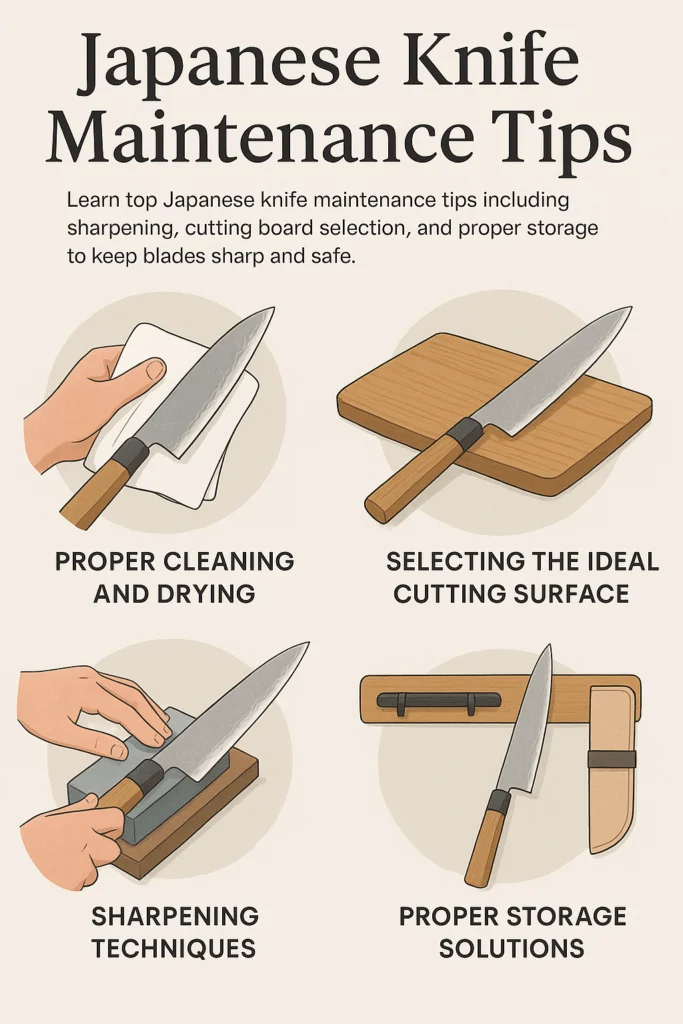
The meticulous art of maintaining Japanese knives is paramount to preserving their inherent sharpness, exquisite balance, and undeniable beauty. These culinary instruments, celebrated globally for their unparalleled precision, exceptionally thin edges, and elegant design, demand a level of care that transcends basic washing. Neglecting their upkeep can lead to a significant degradation in performance, potentially causing irreparable damage to the blade and even negatively impacting the quality of culinary results. Understanding the fundamental principles of cleaning, sharpening, storing, and using these knives correctly transforms them from delicate tools into enduring, dependable companions in the kitchen. A commitment to consistent, thoughtful attention ensures each Japanese knife performs at its zenith for years, even decades, to come.
The Foundation of Longevity: Proper Cleaning and Drying Practices
The journey of Japanese knife care begins with an immediate and thorough cleaning ritual immediately following each use. Blades crafted from high-carbon steel and layered steel alloys are particularly susceptible to the corrosive effects of moisture and lingering food residue. Employing warm water and a mild dish soap is the most effective method for removing oils, acidic compounds, and minuscule food particles that can adhere to the blade. Critically, Japanese knives should never be subjected to the harsh environment of a dishwasher. The potent detergents and intense heat employed in these appliances can irrevocably degrade the delicate edge, compromise the integrity of the handle materials, and lead to unsightly staining or corrosion.
Following the wash, each blade must be meticulously dried with a soft, absorbent towel. Even brief exposure to residual moisture can initiate the formation of rust spots or oxidation on high-carbon steel, a common characteristic of these blades that, while sometimes part of their patina, can be exacerbated by neglect. Establishing this diligent routine after every single use cultivates a habit that is instrumental in preserving the knife’s keen edge, significantly extending its operational lifespan, and proactively mitigating the risk of staining and corrosion. This daily commitment forms the bedrock of long-term knife preservation.
The Critical Role of the Cutting Surface
The very surface upon which culinary tasks are performed plays a pivotal role in the longevity of a knife’s edge. For Japanese knives, a cutting board crafted from Japanese cypress (Hinoki) is often the preferred choice among connoisseurs. This particular wood possesses a unique combination of softness and resilience, effectively absorbing the impact of the blade. This absorption significantly reduces wear on the edge, thereby helping to maintain its razor-sharp integrity. Conversely, cutting on hard materials such as glass, stone, or metal is strongly discouraged. These unforgiving surfaces can rapidly dull the blade, leading to premature wear, and in severe cases, can even chip the delicate edge, necessitating costly and time-consuming repairs.
Beyond edge preservation, the consistent use of a wooden cutting board contributes to superior culinary outcomes. It prevents the tearing or crushing of delicate ingredients, such as fresh vegetables or pristine fish fillets, ensuring cleaner slices and a more aesthetically pleasing presentation. Furthermore, rotating between different cutting boards for various food types helps to distribute wear evenly across the board’s surface and, by extension, preserves the knife’s cutting performance over time. This simple practice of using appropriate surfaces is a cornerstone of expert knife care.
The Art and Science of Sharpening Techniques
Maintaining a consistently keen edge is not merely a matter of performance; it is a fundamental aspect of safety in the kitchen. The use of sharpening stones, often referred to as whetstones, provides the most controlled and effective method for restoring a blade’s sharpness without removing an excessive amount of metal. The process typically begins with a coarse-grit stone, designed to address significant dullness or minor damage. This is followed by progression through medium and fine grits, each step refining the edge and culminating in a polished, almost mirror-like finish.
Achieving consistency in the sharpening angle is of paramount importance, particularly for single-bevel Japanese knives, which are designed with a specific inclination on one side. However, even double-bevel knives benefit immensely from precise angle control during the sharpening process. Applying minimal, consistent pressure while meticulously working along the entire length of the blade ensures the development of a clean, uniform, and exceptionally sharp edge. Regular sharpening not only prevents uneven cuts and reduces the physical effort required for slicing but also reintroduces the tactile satisfaction of working with a perfectly tuned instrument. Data from professional sharpening services often indicates that blades sharpened correctly can maintain their edge up to 30% longer than those subjected to less precise methods.
Honing: The Essential Complement to Sharpening
While sharpening fundamentally reshapes and refines the blade’s edge, honing serves a distinct yet equally crucial purpose: realigning the microscopic imperfections that inevitably develop with regular use. Honing rods, typically made of steel, ceramic, or diamond-impregnated materials, gently coax the microscopic teeth of the blade back into alignment, restoring a smooth, efficient cutting surface between full sharpening sessions.
The specific techniques for honing can vary depending on whether the knife is single-bevel or double-bevel, as understanding the blade’s geometry is key to ensuring each stroke is effective. Regular honing significantly reduces the resistance encountered when cutting through food, thereby improving both the precision and speed of culinary tasks. Many professional chefs integrate short, consistent honing sessions into their daily preparation routines, ensuring that their knives maintain peak performance without the need for frequent, intensive sharpening. This practice is a testament to the efficacy of honing in sustaining a clean, effortless cut.
Secure and Protective Storage Solutions
Effective storage is indispensable for protecting not only the knife’s blade and handle but also the safety of individuals in the kitchen. Loose storage in drawers, where knife edges can inadvertently come into contact with other utensils, is a primary cause of premature dulling and potential damage. For individual knives, the use of fabric sheaths or roll-up carrying bags offers excellent protection for the blade and allows for convenient and safe transport.
Magnetic knife strips, when properly installed and utilized, provide a secure and accessible storage solution, keeping the edges of the knives exposed to air but crucially, not in contact with other surfaces. Knife blocks are also an effective option, provided the slots are designed to fit snugly, preventing any wobble that could lead to edge damage. Proper storage is a multi-faceted safeguard, preserving sharpness, preventing rust, and crucially, minimizing the risk of accidental cuts in busy culinary environments. Surveys of kitchen accidents often cite improper knife storage as a contributing factor in a significant percentage of injuries.
The Neglected Aspect: Handle Care and Inspection
The handle of a Japanese knife is far more than a mere grip; it is an integral component that dictates control, stability, and overall comfort during cutting. Wooden handles, often crafted from beautiful and functional materials, may require periodic oiling to prevent them from drying out, cracking, or warping, particularly in environments with fluctuating humidity. Composite or synthetic handles, while generally more resilient, benefit from regular visual inspection to identify any signs of loosening, chipping, or cracking that could compromise their integrity.
A secure and well-maintained handle significantly reduces fatigue during extended preparation sessions and, more importantly, prevents slips that can lead to dangerous accidents. Proper handle maintenance also ensures that the knife feels balanced and responsive in the hand, contributing to both the precision of the cut and the overall enjoyment of the cooking process. Studies in ergonomics have shown that a well-designed and maintained handle can reduce the physical strain on a chef by up to 20% during prolonged use.
Vigilant Rust Prevention for High-Carbon Steel
High-carbon steel blades, prized for their exceptional sharpness and edge retention, are notably more susceptible to rust if their care is neglected. The most effective preventative measures include meticulously keeping the knives dry, utilizing appropriate cutting surfaces, and applying a very thin layer of food-grade mineral oil after cleaning. While stainless steel knives exhibit greater resistance to corrosion, they are not entirely immune and still benefit immensely from careful drying and appropriate storage.
Rust not only detracts from the aesthetic appeal of a finely crafted knife but also fundamentally impacts its cutting performance. Maintaining a protective layer, diligently monitoring for moisture, and promptly cleaning the blade after contact with acidic foods are essential practices for preserving both the functional integrity and the visual beauty of the knife. Historical data from metallurgy and material science indicates that high-carbon steel, when exposed to moisture for extended periods, can begin to oxidize within hours, leading to pitting and degradation.
The Value of Professional Sharpening and Edge Refinement
While consistent home maintenance is crucial, occasional professional sharpening offers a level of precision and expertise that can restore blades to their absolute peak condition. Experienced sharpeners possess an intimate understanding of Japanese bevel angles and can meticulously refine edges without removing excessive amounts of valuable steel. Even knives that are diligently maintained at home can benefit from professional attention after extended periods of rigorous use, particularly those constructed from high-carbon steel or featuring exceptionally delicate edges.
Beyond sharpening, professionals can also conduct thorough inspections and correct minor handling issues that might otherwise go unnoticed. Combining regular, diligent home care with periodic professional sharpening ensures that a Japanese knife’s cutting quality is consistently maintained, allowing it to perform optimally for many years. Reports from cutlery repair specialists indicate that knives undergoing professional servicing every 18-24 months typically have a lifespan up to twice as long as those solely maintained at home.
Establishing a Routine: Frequency and Consistency in Maintenance
The optimal frequency for knife maintenance is intrinsically linked to the intensity and nature of its use. Knives subjected to daily, rigorous kitchen work—including extensive chopping, slicing, and filleting—may necessitate weekly honing and periodic sharpening sessions. Conversely, knives used less frequently still benefit from regular inspection, light cleaning, and occasional honing to ensure they remain in optimal condition.
Developing a keen awareness of the knife’s performance is key to determining when maintenance is required. Noticing subtle signs such as increased cutting resistance, the development of uneven slices, or a diminished ability to cleanly slice delicate ingredients are all indicators that attention is needed. Establishing and adhering to a regular care routine ensures that knives remain sharp, safe, and efficient, thereby minimizing wear and tear and significantly enhancing overall kitchen performance.
Integrating Maintenance Seamlessly Into Daily Practice
The true mastery of Japanese knife care lies in its seamless integration into everyday culinary routines. This approach simplifies maintenance without disrupting the flow of cooking. The fundamental practices of washing immediately after use, drying thoroughly, and storing carefully are the cornerstones of blade protection. Regular honing and occasional sharpening sessions are vital for preserving cutting precision.
The consistent use of an appropriate cutting surface, such as Japanese cypress, and the avoidance of hard materials are critical for minimizing edge wear. By consistently practicing these habits, knives remain responsive, safe, and reliable tools. Over time, this thoughtful maintenance becomes an intuitive, second nature part of the cooking process, leading to smoother preparation, boosted efficiency, and an elevated standard of culinary presentation. The cumulative effect of these practices ensures that every slice, chop, and garnish remains sharp, precise, and aesthetically pleasing, a testament to the enduring quality of Japanese craftsmanship.
Preserving the Legacy of Precision and Craftsmanship
In conclusion, the thoughtful application of Japanese knife maintenance principles transforms each instrument into a long-lasting, precise, and reliable culinary asset. The consistent use of a sharpening stone, the intelligent selection of a Japanese cypress cutting board, regular honing, and secure storage in a fabric sheath or roll-up carrying bag collectively preserve both the blade’s edge and the integrity of its handle.
Diligent cleaning, thorough drying, and attentive handling care are paramount in preventing corrosion and reducing wear, thereby maintaining the knife’s visual appeal and functional excellence. This unwavering commitment to consistent maintenance not only extends the lifespan of the blade but also profoundly celebrates the heritage of craftsmanship embedded within each meticulously crafted tool. By embracing these practices, cooks ensure that every interaction with their Japanese knives is a demonstration of precision, efficiency, and the enduring pursuit of culinary excellence.




 Anjar Salim
 Dwi Wanna
 Budi Mulyono
 Lukman Taruna Persada Ramadan
 Chandra Hamzah
 Gabriela Annisa